
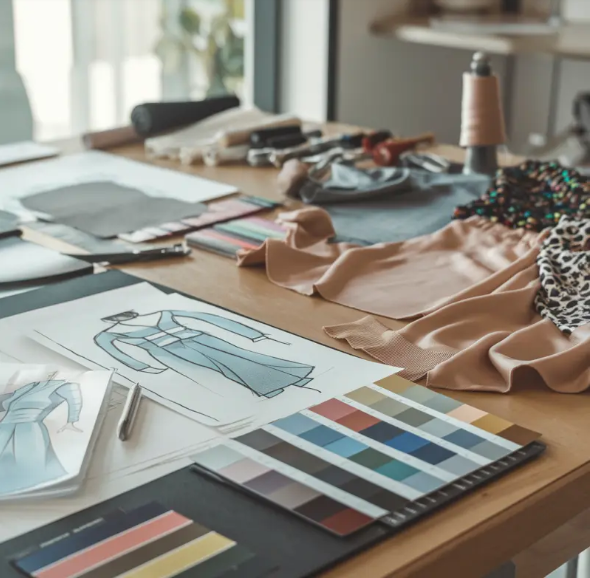

Starting a clothing brand can be an exciting venture, allowing you to express your creativity while building a business. However, it requires careful planning, market research, and a clear understanding of the fashion industry. This guide will walk you through the essential steps to launch your clothing brand, from conceptualizing your designs to marketing your products effectively.
Identify Your Niche
The first step in starting a clothing brand is to carve out your unique brand identity. Consider what type of clothing you want to create and who your target audience is. Are you focusing on casual wear, activewear, luxury fashion, or sustainable clothing? Understanding your niche will help you tailor your designs and marketing strategies accordingly.
Brand Values and Mission
Establish the core values and mission of your brand. What do you stand for? This could include sustainability, inclusivity, or promoting local craftsmanship. A strong mission statement resonates with consumers and helps differentiate your brand in a crowded market.
Analyze Trends and Competitors
Conduct thorough market research to understand current fashion trends and consumer preferences. Identify your competitors—what are they doing well, and where do they fall short? This analysis can reveal gaps in the market that your brand can fill.
Customer Insights
Gather insights about your target customers' demographics, preferences, and buying behaviors. Surveys, focus groups, and social media interactions can provide valuable information that informs your product development.
A detailed business plan serves as a roadmap for your clothing brand. It should include:
Having a solid business plan will not only guide you but also attract potential investors or partners.
Sketch Your Designs
Once you have a clear vision for your brand, start sketching out designs for your clothing line. Consider creating a cohesive collection that reflects your brand identity. If you're not a designer, consider collaborating with freelance designers or hiring a design agency.
Create Tech Packs
Tech packs are essential documents that provide manufacturers with detailed information about your designs. They should include sketches, fabric specifications, measurements, and production instructions. A well-prepared tech pack ensures that manufacturers understand your vision clearly.
Fabric Sourcing
Identify suppliers for the fabrics and materials you'll need. Research various options to find high-quality materials that align with your brand values (e.g., organic cotton for sustainable brands).
Choose a Production Model
Decide whether you want to produce in-house or partner with manufacturers. Options include:
Develop Brand Assets
Create essential branding elements such as a logo, color palette, and typography that reflect your brand's identity. Consistency across all platforms is crucial for building recognition.
Craft Your Brand Story
A compelling brand story engages customers emotionally. Share the inspiration behind your designs, the challenges you've faced, or the mission driving your brand. This narrative can be used across marketing channels to connect with consumers.
E-commerce Website
Creating an online store is vital in today's digital marketplace. Platforms like Shopify or WooCommerce make it easy to set up an e-commerce site without extensive technical knowledge. Ensure that your website is user-friendly and optimized for mobile devices.
Social Media Marketing
Establish a presence on social media platforms relevant to your target audience (e.g., Instagram for fashion). Use these channels to showcase your designs, share behind-the-scenes content, and interact with potential customers.
Launch Campaigns
Plan marketing campaigns leading up to and following the launch of your clothing line. Consider using email marketing, influencer partnerships, and social media ads to create buzz around your brand.
Content Marketing
Engage customers by creating valuable content related to fashion trends, styling tips, or sustainability practices in fashion. This positions you as an authority in the industry while driving traffic to your online store.
Once everything is in place—your designs are finalized, production is set up, and marketing strategies are ready—it's time to launch! Create excitement around the launch date through teasers on social media and special promotions for early customers.
After launching, closely monitor sales performance and customer feedback. Use analytics tools to track website traffic, conversion rates, and customer engagement metrics. Be prepared to adapt based on this feedback—whether it's tweaking designs or adjusting marketing strategies—to better meet customer needs.
New clothing brands commonly make several mistakes that can hinder their success. Here are some of the most frequent pitfalls and how to avoid them:
By avoiding these common mistakes and implementing the suggested solutions, new clothing brands can significantly increase their chances of success in the competitive fashion industry.

Effectively marketing your clothing brand on a budget is entirely feasible with the right strategies. Here are some cost-effective approaches to help you promote your brand without breaking the bank:
Create an Engaging Website
A functional, visually appealing website is essential for any clothing brand. It serves as the central hub for your online presence and should be optimized for user experience and search engines. Utilize platforms like Shopify or WordPress to create an affordable e-commerce site that showcases your products effectively.
Ensure Mobile Compatibility
With a significant portion of online shopping done via smartphones, having a mobile-friendly website is crucial. Google prioritizes mobile-responsive sites in search rankings, so ensure your website design caters to mobile users.
Choose the Right Platforms
Identify which social media platforms resonate with your target audience. Instagram and TikTok are particularly effective for fashion brands, allowing you to share visually appealing content and engage with younger shoppers.
Content Creation
Regularly post engaging content, including photos of your products, styling tips, and behind-the-scenes looks at your brand. Use tools like Canva to create professional-looking graphics without the need for extensive design skills.
Partner with Micro-Influencers
Influencer marketing can be highly effective even on a budget. Collaborate with micro-influencers who have smaller but highly engaged audiences. They often charge less than larger influencers and can provide authentic promotion that resonates with their followers.
Build an Email List
Start collecting email addresses from customers and website visitors through sign-up forms on your site. Offer incentives such as discounts or exclusive access to new collections to encourage sign-ups.
Send Regular Newsletters
Use email marketing platforms like Mailchimp or Sendinblue to send newsletters featuring new products, promotions, and brand stories. This keeps your audience engaged and informed about your offerings.
Host Local Events or Pop-Ups
If feasible, organize local events or pop-up shops to connect directly with customers. This builds community around your brand and allows potential customers to experience your products firsthand.
Support Local Causes
Aligning your brand with local charities or events can enhance visibility and foster goodwill within the community. This approach often leads to organic word-of-mouth marketing.
Start a Blog or Vlog
Share valuable content related to fashion trends, styling advice, or sustainability practices in fashion through a blog or YouTube channel. This not only positions you as an authority in the industry but also helps drive traffic to your website.
Run Contests or Giveaways
Organize social media contests or giveaways that require participants to follow your account, like posts, or tag friends for entries. This can rapidly increase your brand’s visibility and engagement on social media.
Focus on Search Engine Optimization (SEO)
Optimize your website content for search engines by using relevant keywords related to your clothing line. This will improve your website's visibility in search results without incurring additional costs.
Cross-Promotions
Partner with complementary brands for cross-promotional opportunities. For example, if you sell activewear, collaborate with a fitness influencer or gym to reach a broader audience without significant marketing expenses.
Analyze Data Regularly
Use analytics tools to track the performance of your marketing efforts across different channels. Understanding what works and what doesn’t allows you to refine your strategies over time, ensuring you allocate resources effectively.
By implementing these budget-friendly marketing strategies, you can effectively promote your clothing brand while keeping costs manageable. Focus on building relationships with customers and creating engaging content that resonates with them to foster loyalty and drive sales.
Several platforms cater to selling clothes online, each with unique features and target audiences. Here's a rundown of some of the best options:
For a Wide Variety of Clothing:
For Small Businesses & Independent Designers:
For Luxury & Designer Items:
For Kids' Clothing:
Platforms also mentioned include:
Platforms for Used Clothes:
When choosing a platform, consider your target audience, the type of clothing you sell, and the fees associated with each platform.
Here are some successful case studies of small clothing brands that have made significant impacts in the fashion industry:
These case studies illustrate diverse approaches to building successful clothing brands, highlighting the importance of understanding market needs, leveraging social media, maintaining quality customer service, and adapting business strategies based on consumer feedback and trends.
Starting a clothing brand involves numerous steps that require careful planning and execution. By defining your brand identity, conducting thorough market research, creating a solid business plan, designing unique collections, building an online presence, and launching effectively, you can turn your passion for fashion into a successful business venture. Remember that persistence is key; success may not come overnight but with dedication and adaptability, you can achieve your goals in the ever-evolving fashion industry.
The first step is to identify your niche and target market. Understand who your ideal customers are, what they want, and how your brand can meet their needs. This foundational knowledge will shape your product offerings and marketing strategies.
Yes, you typically need various licenses to operate legally. These may include a business license, sales tax permit, and possibly an apparel registration certification, depending on your location. It's essential to research local regulations to ensure compliance.
Startup costs vary widely based on your business model. If you're manufacturing your own clothing, expect costs in the thousands for materials, production, and marketing. Print-on-demand models have lower upfront costs since you don't need to hold inventory.
Consider the purpose of your garments, target market preferences, and seasonal requirements. Research different fabric types for their qualities like durability, breathability, and comfort. Always order samples to test before committing.
Utilize social media platforms to engage with your audience, collaborate with influencers, and create compelling content that showcases your products. Email marketing and SEO can also drive traffic to your online store.
Create a professional website that showcases your products and brand story. Use social media platforms like Instagram and Pinterest for visual marketing, and consider blogging about fashion trends or styling tips to attract potential customers.
This depends on your budget and business goals. Manufacturing allows for more control over quality and design but requires upfront investment. Print-on-demand is cost-effective for startups as it eliminates inventory risks.
Consider production costs, competitor pricing, and perceived value when setting prices. Ensure you cover all expenses while remaining competitive in the market. A common strategy is to mark up production costs by at least 2-3 times.
Common mistakes include neglecting market research, underestimating startup costs, rushing product development, and failing to establish a strong brand identity. Take time to plan thoroughly and seek feedback throughout the process.
Focus on expanding product lines based on customer feedback, exploring new sales channels (like retail partnerships), and enhancing marketing efforts through collaborations or influencer partnerships. Continuously analyze performance metrics to inform growth strategies.