


The fashion industry is a vibrant and lucrative market, with consumers spending trillions on clothing each year. For those with a passion for fashion but limited financial resources, starting a clothing brand can feel like an uphill battle. However, innovative business models and digital tools have made it easier than ever to enter this space without hefty investments. By leveraging strategies such as dropshipping, print-on-demand services, and social media marketing, you can create a successful clothing brand from scratch. This guide will walk you through essential steps to launch your clothing line with little to no money, empowering you to turn your creative vision into reality.
Understanding your target market is crucial. Identify trends, customer preferences, and gaps in the market. Use free tools like Google Trends or social media insights to gather data about potential customers and competitors.
Selecting the right business model is vital for minimizing costs. Consider dropshipping or print-on-demand services that allow you to sell products without holding inventory. This way, you only pay for items after you make sales.
Focus on a specific niche within the clothing market to differentiate your brand from competitors. Whether it's sustainable fashion, activewear, or streetwear, having a clear niche helps attract a loyal customer base.
Outline your business goals, target audience, marketing strategies, and financial projections in a simple business plan. This document will serve as your roadmap as you navigate the early stages of your brand.
Develop a unique brand identity that resonates with your target audience. This includes creating a memorable brand name, logo, and overall aesthetic that reflects your vision and values.
Take advantage of free platforms like Etsy, Shopify (with free trials), or social media channels to set up your online store and showcase your products without incurring upfront costs.
Use social media platforms like Instagram and TikTok to promote your brand organically. Share engaging content, collaborate with micro-influencers, and utilize hashtags to increase visibility and reach potential customers.
Invest time in creating an excellent customer experience through responsive communication and quality service. Happy customers are more likely to refer others and become repeat buyers.
Before fully launching your line, consider testing your products with a small audience or offering limited editions to gather feedback and make necessary adjustments.
As sales begin to grow, reinvest profits into expanding your product line or enhancing marketing efforts. Focus on building relationships with suppliers and customers for sustainable growth.
Starting an online clothing store without a financial investment is entirely feasible, thanks to various free platforms that allow you to build and manage your eCommerce business. Here are some of the best free platforms to consider:
Square Online offers a free plan that allows you to create an online store with essential features. It’s particularly beneficial for those who want to sell both online and in-person. The platform charges a transaction fee of 2.9% + $0.30 per sale, making it accessible for low-volume merchants. Square also includes inventory management and customer feedback tools, enhancing your business operations.
WooCommerce is a powerful WordPress plugin that enables you to turn your website into an online store at no cost. While the plugin itself is free, you will need a hosting service, which may incur costs. WooCommerce offers extensive customization options and supports various payment gateways, making it ideal for those looking for flexibility in their eCommerce setup.
Wix provides a user-friendly drag-and-drop website builder with a free plan that allows you to create visually appealing websites. However, selling products requires upgrading to a paid plan. Wix offers numerous templates tailored for clothing boutiques, making it easy to design your store without technical skills.
Big Cartel is designed for artists and small businesses with limited inventory. The free plan allows you to list up to five products, making it suitable for those just starting out. Big Cartel does not include intrusive advertisements, and you can connect a custom domain if desired.
Shift4Shop (formerly 3dcart) offers a comprehensive free plan that includes features like product management, marketing tools, and no transaction fees. However, it requires using Shift4Payments as the payment processor on the free plan. This platform is suitable for those looking for robust eCommerce features without upfront costs.
Prosperna provides a free fashion website builder specifically designed for clothing brands. It allows you to showcase products across multiple channels like Facebook and Instagram while offering various payment options and shipping solutions. Prosperna's focus on fashion makes it an excellent choice for new clothing stores.
Freewebstore allows you to create an online store without any upfront costs. You can add your products and start selling immediately, although some advanced features may require upgrading later on.
Magento Open Source is another option for those with some technical skills looking to create a highly customizable online store. While it requires hosting services, the platform offers extensive features suitable for small to medium-sized businesses.
X-Cart offers both free and paid versions, allowing you to build an online store with no transaction fees across all plans. It supports multiple payment gateways and has a mobile-friendly design, making it accessible for users on various devices.
While Shopify isn't entirely free, it offers a free trial that allows you to explore its features before committing financially. Known for its ease of use and extensive app ecosystem, Shopify is a popular choice among entrepreneurs looking to build an online clothing store.
Effectively marketing your clothing brand with no budget is entirely feasible by leveraging creative strategies and utilizing free resources. Here are some practical approaches to help you gain visibility and attract customers without spending money:
Encourage your customers to share photos of themselves wearing your clothing. This not only provides social proof but also creates a sense of community around your brand. You can incentivize this by hosting contests or giveaways where participants share their looks for a chance to win a prize.
Create a blog on your website to share fashion tips, style guides, and insights related to your niche. This content can improve your search engine optimization (SEO) and drive organic traffic to your site, helping you attract potential customers without paid advertising.
Reach out to micro-influencers who align with your brand values and offer them free products in exchange for promotion. Many influencers are open to collaborating without monetary compensation, especially if they believe in your brand.
Join fashion-related forums, groups on social media, or platforms like Reddit where you can share your expertise and promote your brand subtly. Engaging authentically with these communities can help build relationships and generate interest in your clothing line.
Organize product giveaways on social media or through your email list to attract new followers and customers. Ensure the rules for entry encourage sharing or tagging friends, which can help expand your reach organically.
Ensure that your website is optimized for search engines by using relevant keywords in product descriptions, blog posts, and meta tags. This will help improve your visibility in search results without incurring advertising costs.
Build an email list by offering a discount or freebie for subscribers. Use this list to send regular updates about new arrivals, promotions, or valuable content related to fashion trends.
Participate in local markets or community events where you can showcase your clothing brand without significant costs. This provides an opportunity to connect with potential customers face-to-face and build local awareness.
Collaborate with complementary brands for joint promotions or events. This can help you tap into each other's audiences without additional costs while creating a mutually beneficial relationship.
Several clothing brands have achieved significant success despite starting with minimal financial resources. Here are some notable case studies:
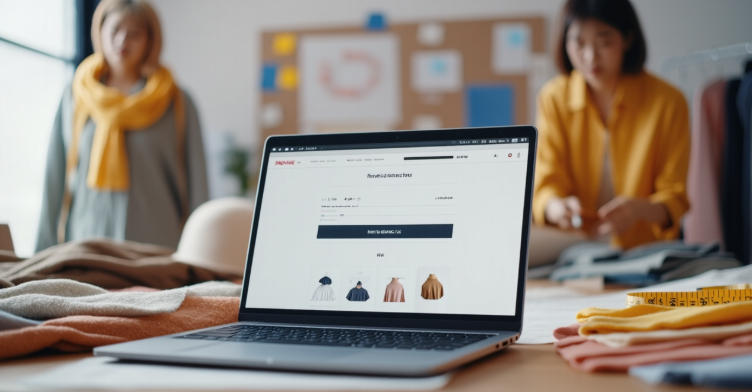
Finding reliable suppliers for your clothing brand is crucial to ensuring quality production and successful operations. Here are some effective strategies to help you identify trustworthy clothing manufacturers:
Participating in trade shows or fashion expos allows you to meet suppliers face-to-face. Events like MAGIC in Las Vegas or the New York Textile Show provide opportunities to network with manufacturers, see their products firsthand, and establish relationships.
Platforms like Instagram and LinkedIn can be valuable for discovering suppliers. Many manufacturers showcase their work on social media, allowing you to assess their style and quality. Engaging with them directly can lead to fruitful partnerships.
Reach out to other entrepreneurs in the fashion industry for recommendations on reliable suppliers. Networking through forums, social media groups, or local business associations can provide insights into trustworthy manufacturers.
Before committing to a supplier, request samples of their work. This will allow you to evaluate the quality of materials and craftsmanship firsthand.
Consider placing a small initial order to test the supplier's reliability regarding delivery times, communication, and product quality before scaling up your orders.
A reliable supplier should communicate effectively and promptly. Assess their responsiveness during your initial inquiries as it reflects how they will handle future communications.
Choose suppliers who adhere to ethical manufacturing practices, such as fair labor conditions and sustainable sourcing. This not only aligns with consumer preferences but also enhances your brand's reputation.
Dropshipping has become a popular business model for aspiring entrepreneurs, especially in the clothing industry. While it offers several advantages, it also presents unique challenges. Below are the pros and cons of using dropshipping for a clothing brand:
Dropshipping eliminates the need for significant upfront investment in inventory. You can start your clothing brand without purchasing products in bulk, allowing you to allocate funds to marketing and branding instead.
With dropshipping, you can offer a diverse range of clothing items without the risk of overstocking. If a supplier has an item in stock, you can list it on your store immediately, expanding your product offerings easily.
Since you don’t need to manage inventory or a physical storefront, overhead costs are significantly lower. This allows you to focus more on marketing and customer engagement rather than logistics.
Dropshipping businesses can scale more easily than traditional retail models. As sales grow, suppliers handle increased order volumes without requiring you to invest in additional inventory or warehouse space.
You can quickly launch your clothing brand by selecting products from suppliers and listing them online without waiting for inventory to arrive. This agility allows you to respond rapidly to market trends.
Due to high competition and the nature of dropshipping, profit margins can be lower compared to traditional retailing. Many businesses may struggle to maintain healthy margins, especially in saturated markets.
When relying on third-party suppliers, you have little control over product quality and fulfillment processes. Inconsistent quality can lead to customer dissatisfaction and increased return rates.
Dropshipped products often lack unique branding elements, making it difficult to establish a strong brand identity. Competing retailers may sell identical items, leading to price wars and reduced brand loyalty.
Shipping times can vary depending on the supplier's location and processing speed. Delays in shipping can negatively impact customer satisfaction and lead to increased inquiries or complaints.
Your business is heavily reliant on the reliability and performance of your suppliers. Any issues they encounter—such as stock shortages or shipping delays—can directly affect your business operations and reputation.
In conclusion, dropshipping presents a viable and attractive option for launching a clothing brand, particularly for those with limited resources or experience in retail. The low startup costs, wide product range, and scalability make it an appealing choice for aspiring entrepreneurs looking to enter the fashion industry without the burden of managing inventory. However, it is essential to be aware of the potential downsides, including lower profit margins, limited control over product quality, and reliance on suppliers.
To succeed in a dropshipping model, it is crucial to conduct thorough research, choose reliable suppliers, and develop a strong marketing strategy that emphasizes your brand identity. By understanding both the advantages and challenges of dropshipping, you can make informed decisions that align with your business goals. With careful planning and execution, you can build a successful clothing brand that resonates with customers and thrives in a competitive market.
Dropshipping is an e-commerce business model where you sell products without holding any inventory. When a customer places an order on your website, you forward it to a third-party supplier (dropshipper), who then ships the product directly to the customer. You never handle the product yourself.
The main benefits include low startup costs, no need to manage inventory, wide product selection, scalability, and the ability to launch your store quickly.
Common challenges include lower profit margins, limited control over product quality, shipping issues, reliance on suppliers, and intense competition.
Look for suppliers on platforms like AliExpress, SaleHoo, or Spocket. Check supplier reviews, request samples, and evaluate communication responsiveness.
Generally, yes. You'll typically need a business license to operate legally. Research the specific requirements in your state or country. You might also need a seller's permit to collect sales tax.
Establish clear shipping and return policies on your website. Communicate with your suppliers about their shipping times and return procedures. You'll act as the intermediary between the customer and the supplier.
Focus on creating a strong online presence through a professional website, engaging social media content, and excellent customer service. Use custom packaging or branded inserts when possible.
Use social media marketing, influencer collaborations, email marketing, content marketing (blogging), and paid advertising (if you have a budget) to promote your brand.
Research competitor pricing, consider your target audience, and factor in your desired profit margin. Use a pricing strategy that covers your marketing costs and allows for competitive pricing.
Provide prompt and helpful customer support. Be transparent about potential shipping times. Have a clear return policy and be prepared to assist customers with returns, exchanges, or refunds according to your supplier's policies. Open communication is key to building trust.