Merchant Alternatives is reader-supported. When you make purchases through links on our site, we may earn a commission. This is always at no additional cost to you and helps us continue to provide accurate, transparent and up-to-date information on the things that matter most to your business, for free.
A trash can cleaning business is an innovative and profitable venture that addresses a common problem faced by households and businesses: dirty, smelly, and bacteria-laden garbage bins. With minimal startup costs, low overhead, and a high demand for clean bins, this business offers an excellent opportunity for entrepreneurs seeking steady income and flexibility. Every household and business generates trash, making this service essential and universally marketable.
Steps to Start a Trash Can Cleaning Business
Research Your Market
Identify your target audience, such as residential neighborhoods or commercial establishments.
Assess local competition and determine how your services can stand out.
Create a Business Plan
Outline your goals, target market, pricing structure, and marketing strategies.
Include details about startup costs, equipment needs, and potential revenue streams.
Acquire Necessary Equipment
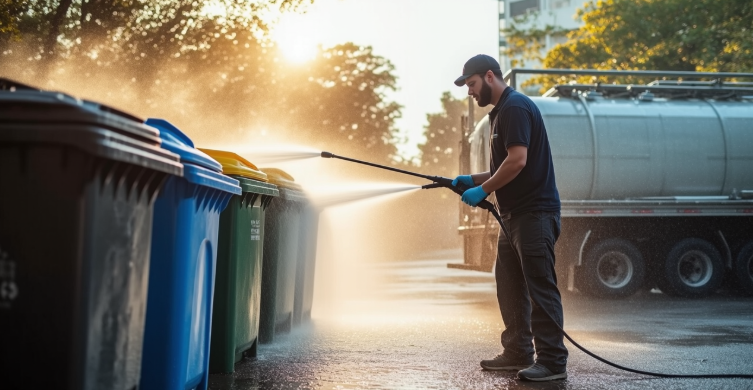
Invest in specialized cleaning equipment such as pressure washers with hot water capabilities, water recovery systems, and cleaning solutions.
Consider whether to purchase or build a cleaning rig that can efficiently clean bins on-site.
Register Your Business
Choose a business name and structure (e.g., sole proprietorship or LLC).
Obtain necessary licenses and permits to operate legally in your area.
Develop a Pricing Strategy
Offer competitive pricing based on local market rates.
Provide subscription-based services for regular cleaning to ensure recurring revenue.
Market Your Services
Use low-cost marketing strategies like social media, flyers, and word-of-mouth referrals.
Highlight the health benefits of clean bins, such as reducing bacteria like Salmonella and E. Coli.
Deliver Excellent Service
Focus on punctuality, professionalism, and consistent quality to build customer trust.
Offer additional services like deodorizing or disinfecting bins to add value.
Scale Your Business
Expand your service area or hire additional staff as demand grows.
Explore partnerships with local waste management companies or businesses for bulk contracts.
Benefits of Starting This Business
Low Entry Barriers: No formal education or certifications are required.
High Demand: Every household or business generates trash that needs cleaning.
Environmental Impact: Proper cleaning reduces waste contamination and promotes hygiene.
By following these steps and focusing on customer satisfaction, you can establish a successful trash can cleaning business that meets a vital need in your community while generating reliable income.
What are the initial costs to start a trash can cleaning business
The initial costs to start a trash can cleaning business can vary significantly depending on the scale of operations, equipment choices, and marketing strategies. Here's a breakdown of typical expenses:
1. Equipment Costs
Specialized Cleaning Equipment: Pressure washers, water recovery systems, and cleaning solutions typically cost between $5,000 and $15,000.
Customized Vehicle: A cargo van or small truck outfitted for cleaning operations costs $20,000 to $50,000.
2. Licensing and Insurance
Business registration and permits range from $500 to $2,000.
Liability insurance costs between $1,000 and $5,000.
3. Marketing and Branding
Website development and digital marketing setup: $2,000 to $10,000.
Branding materials (logos, flyers): $1,000 to $5,000.
4. Initial Inventory
Cleaning supplies and materials: $2,000 to $5,000.
5. Employee Training
Training costs range from $1,000 to $3,000 if hiring staff.
6. Office or Storage Setup
Renting and setting up an office or warehouse space can cost between $2,000 and $10,000.
Total Estimated Costs
The total startup investment ranges from approximately $10,000 to $30,000 for smaller operations or up to $105,000 for larger-scale setups with advanced equipment and facilities. Careful budgeting is essential to ensure a smooth launch.
How can I effectively market my trash can cleaning business
To effectively market your trash can cleaning business, you can use a combination of digital, traditional, and creative strategies to reach your target audience and grow your customer base. Here are some proven methods:
1. Build a Strong Online Presence
Create a Website: Develop a professional website showcasing your services, pricing, and contact information. Include an easy-to-use booking system for convenience.
Optimize for Local SEO: Ensure your business appears in local search results by claiming and optimizing your Google Business Profile. Use keywords like "trash can cleaning near me" to attract local customers.
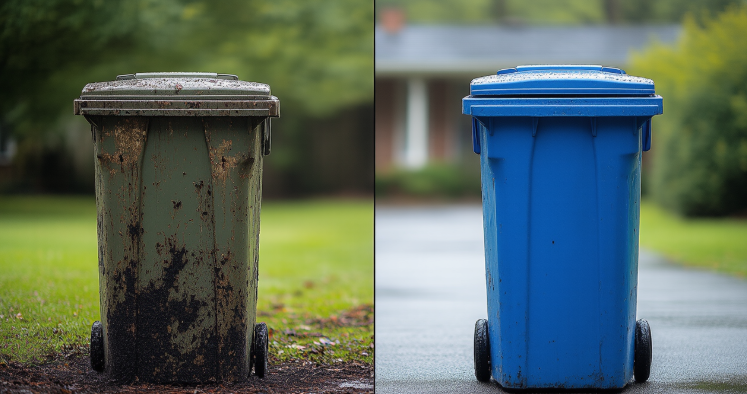
Leverage Social Media: Share before-and-after photos, cleaning tips, and customer testimonials on platforms like Facebook and Instagram. Use targeted ads to reach potential clients in your service area.
2. Use Direct Marketing
Flyers and Door Hangers: Distribute flyers or door hangers in neighborhoods on trash collection days. Highlight the benefits of clean bins, such as improved hygiene and odor elimination.
Vehicle Branding: Turn your cleaning truck into a mobile advertisement with eye-catching graphics and a compelling message like “Do you know what’s growing in your trash can?” Include your website or phone number for easy contact.
3. Offer Incentives
Referral Programs: Encourage existing customers to refer friends or neighbors by offering discounts or free cleanings for successful referrals.
First-Time Discounts: Attract new customers by offering special rates for their first cleaning service.
4. Educate Your Audience
Content Marketing: Start a blog or create videos explaining the health risks of dirty bins and the benefits of professional cleaning. This positions you as an expert in the field.
Community Outreach: Host local events or partner with community groups to raise awareness about your services and their environmental benefits.
5. Target Commercial Clients
Approach local businesses, apartment complexes, and property managers directly to offer bulk cleaning contracts. Highlight the convenience and cost-effectiveness of regular service agreements.
6. Monitor Reviews and Feedback
Encourage satisfied customers to leave positive reviews on Google or Yelp. Respond promptly to all feedback to build trust and maintain a strong reputation.
By combining these strategies, you can effectively market your trash can cleaning business, attract new clients, and establish long-term customer relationships.
What are the best methods for cleaning different types of trash cans
Cleaning trash cans effectively depends on their type (indoor, outdoor, plastic, or metal) and the level of dirt and odor. Below are tailored methods for cleaning various trash cans:
1. Plastic Trash Cans
Plastic cans are lightweight and prone to absorbing odors. Here's how to clean them:
Supplies Needed: All-purpose cleaner, dish soap, scrub brush, baking soda, and a garden hose.
Steps:
Empty the can and rinse it with a hose or in a bathtub to remove loose debris.
Spray the inside and outside with an all-purpose cleaner or a mixture of dish soap and water.
Scrub thoroughly with a stiff brush, focusing on corners and the lid.
Sprinkle baking soda inside to neutralize odors, then let it sit for 5–10 minutes.
Rinse thoroughly with clean water and allow it to air dry completely before use.
2. Metal Trash Cans
Metal cans are durable but can rust if not cleaned properly.
Supplies Needed: Mild dish soap, warm water, a non-abrasive sponge, and a towel.
Steps:
Rinse the can with warm water to loosen dirt.
Use a soft sponge with soapy water to clean the surface without scratching it.
Avoid harsh chemicals like bleach that may corrode the metal.
Dry immediately with a towel to prevent rusting.
3. Outdoor Garbage Cans
Outdoor cans often deal with heavy grime and odors from food waste.
Supplies Needed: Garden hose, vinegar solution (4 cups vinegar + ½ cup dish soap), scrub brush.
Steps:
Take the can outside and rinse it with a garden hose to remove debris.
Apply the vinegar solution inside and let it soak for about 10 minutes.
Use an extendable scrub brush to clean hard-to-reach areas like the base and lid.
Rinse thoroughly and let it air dry in the sun for natural deodorization.
4. Indoor Kitchen Trash Cans
These require frequent cleaning due to daily use.
Supplies Needed: Disinfectant spray, paper towels, baking soda.
Steps:
Wipe down the exterior daily with disinfectant wipes or spray.
Deep clean monthly by spraying disinfectant inside, letting it sit for two minutes, then wiping it clean.
Sprinkle baking soda at the bottom to absorb moisture and odors between uses.
Tips for All Trash Cans
Clean trash cans at least once a month or more frequently if odors persist.
Always wear gloves while cleaning to avoid contact with bacteria or grime.
Prevent odors by using liners or sprinkling baking soda at the bottom after each cleaning.
By following these methods tailored to specific trash can types, you can maintain hygiene while extending the life of your bins.
How do I determine the target market for my trash can cleaning business
To determine the target market for your trash can cleaning business, you need to assess potential customer segments based on their specific needs and preferences. Here's a step-by-step guide:
1. Identify Key Customer Segments
Residential Customers: Homeowners and tenants who prioritize cleanliness, odor control, and convenience. This group often includes families, busy professionals, or environmentally conscious individuals.
Commercial Clients: Businesses such as office complexes, retail stores, restaurants, and warehouses that generate significant waste and require regular bin maintenance.
Property Managers: Managers of apartment buildings, residential complexes, or housing developments who need bulk cleaning services for multiple units.
Municipalities and Government Entities: Local governments or public facilities that maintain public trash bins in parks, streets, or community areas.
Healthcare Facilities: Hospitals, clinics, and care homes where hygiene is critical.
Schools and Universities: Educational institutions that manage large amounts of waste and prioritize sanitation.
Event Organizers: Companies or individuals managing events with temporary waste disposal needs.
2. Conduct Market Research
Define the geographic area where you plan to operate (e.g., neighborhoods, cities).
Analyze the demographics of your area to understand the income levels, household sizes, and lifestyle preferences of potential customers.
Research competitors to identify their target markets, service offerings, pricing strategies, and unique selling points. This will help you find underserved niches.
3. Understand Customer Needs
Residential customers may prioritize affordability and convenience with one-time or subscription-based services.
Commercial clients may value comprehensive cleaning solutions with regular maintenance schedules.
Assess the size of each customer segment in your area. For example:
How many households have outdoor trash bins?
How many businesses generate significant waste?
Are there any large residential complexes or public facilities nearby?
5. Tailor Your Services
Once you've identified your target market(s), customize your services to meet their needs:
Offer flexible pricing plans (e.g., one-time cleanings vs. subscriptions).
Highlight eco-friendly practices to attract environmentally conscious clients.
Provide bulk discounts for property managers or municipalities.
By focusing on these steps, you can clearly define your target market and develop a strategy to attract and retain customers effectively.
What licenses and permits are required to start a trash can cleaning business
To start a trash can cleaning business, you will need to obtain specific licenses and permits to operate legally. The exact requirements depend on your location (state, county, or city), but here are the most common licenses and permits you may need:
1. General Business License
A general business license is required to legally operate any business. It allows you to conduct business within your city or county and ensures compliance with local regulations.
2. DBA (Doing Business As) Registration
If you plan to operate under a name other than your legal name, you may need to file a DBA registration with your local government.
3. Employer Identification Number (EIN)
If you plan to hire employees, you’ll need an EIN from the IRS for tax purposes.
4. Waste Hauler Permit
Since your business involves cleaning and handling waste, some states or municipalities may require a waste hauler permit. This is especially relevant if you transport or dispose of waste collected during cleaning.
5. Environmental Permits
If your cleaning process involves the use of chemicals or generates wastewater, you may need an environmental permit to ensure proper disposal and compliance with environmental regulations.
6. Sales Tax Permit
In some areas, if you sell products (e.g., cleaning solutions) as part of your service, you may need a sales tax permit in addition to your business license.
7. Health and Safety Permits
Depending on local laws, health permits may be required, especially if your services are offered in sensitive environments like hospitals or food establishments.
8. Vehicle Permits
If your business uses a vehicle for operations (e.g., transporting equipment or water recovery systems), ensure it is registered for commercial use and complies with local transportation regulations.
Steps to Obtain Licenses and Permits
Research local requirements by contacting your city or county clerk’s office.
Apply for necessary licenses through state or municipal agencies.
Ensure compliance with zoning laws if operating from home.
Consult legal or business professionals for guidance on specific requirements in your area.
By securing the appropriate licenses and permits, you can operate your trash can cleaning business legally and avoid potential fines or penalties.
Conclusion
Starting a trash can cleaning business offers a unique opportunity to address a universal need for hygiene and cleanliness while building a sustainable, low-cost venture. By following the steps outlined—from identifying your target market and securing licenses to marketing effectively and tailoring cleaning methods—entrepreneurs can establish a profitable business that serves both residential and commercial clients. Key Takeaways:
Low Entry Barriers: Minimal startup costs and no formal certifications make this business accessible to anyone willing to invest time and effort.
Recurring Revenue: Subscription-based services and partnerships with property managers or municipalities ensure steady income.
Environmental Impact: Proper cleaning reduces waste contamination and promotes public health, aligning with growing demand for eco-friendly practices.
Final Tips:
Prioritize Customer Satisfaction: Focus on reliability, quality, and responsiveness to build trust and referrals.
Stay Adaptable: Monitor local regulations, adjust pricing strategies, and expand services (e.g., disinfecting or deodorizing) to stay competitive.
Leverage Digital Tools: Use SEO, social media, and targeted ads to reach a wider audience and streamline operations.
With persistence and a clear strategy, a trash can cleaning business can thrive in any community, offering a vital service while generating consistent profits.
FAQs
Q: What is the initial investment required to start a trash can cleaning business? A: Startup costs range from $10,000 to $30,000 for small operations, covering equipment, licenses, and marketing. Larger setups with advanced rigs or vehicles may cost up to $105,000.
Q: What licenses and permits do I need? A: A general business license, DBA registration, EIN (if hiring employees), and waste hauler/environmental permits (if applicable). Check local regulations for specifics.
Q: How do I determine my target market? A: Focus on residential homeowners, commercial businesses, property managers, or municipalities. Analyze demographics, competition, and local demand to tailor services.
Q: What’s the best way to market my business? A: Use social media, door hangers, vehicle branding, and referral programs. Highlight health benefits (e.g., reducing bacteria) and offer discounts for first-time customers.
Q: How often should trash cans be cleaned? A: Clean residential bins monthly and commercial bins weekly to prevent odors and bacterial growth. Offer subscription plans for recurring revenue.
Q: What equipment do I need? A: A pressure washer, water recovery system, cleaning solutions, and a vehicle for transport. For eco-friendly services, opt for biodegradable detergents.
Q: How do I handle odors and bacteria in trash cans? A: Use baking soda or vinegar solutions to neutralize odors. Disinfectants like bleach or eco-friendly alternatives can kill bacteria like E. coli.
Q: Can I operate this business from home? A: Yes, but check zoning laws to ensure compliance. Store equipment in a garage or shed, and avoid disrupting neighbors with noise or water usage.
Q: How do I scale my business? A: Expand your service area, hire staff, or partner with waste management companies for bulk contracts. Invest in automation (e.g., scheduling software) to streamline operations.
Q: Is this business profitable? A: Yes! With low overhead and recurring revenue from subscriptions, margins can be high. Focus on customer retention and upselling services (e.g., disinfecting) to boost earnings.