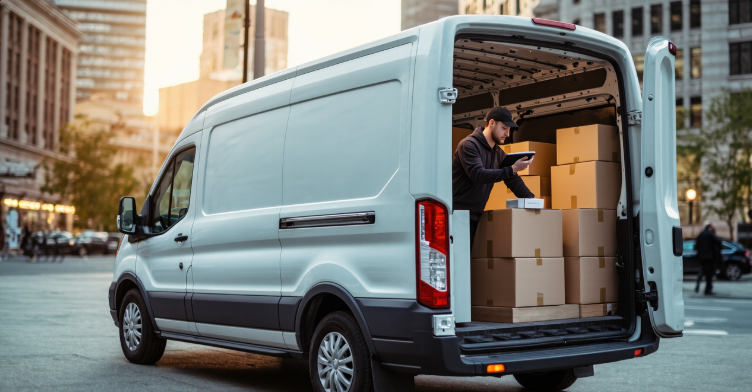
Starting a transportation business with a single van is a practical way to enter the industry with minimal expenses. With the right planning, tools, and strategy, a one-van operation can grow into a thriving business. This guide outlines the steps to establish a successful transportation business, highlighting the opportunities for specialized drivers and newcomers in this cornerstone of modern business.
Steps to Start a Transportation Business with One Van:
- Identify Your Niche: Determine the specific transportation needs you want to address. Common niches include courier and delivery services, non-emergency medical transportation (NEMT), senior transportation, and ride-sharing. Research your community to identify underserved markets, considering factors like demographics, competition, and geographic location to determine the best niche for your business.
- Develop a Business Plan: Clearly outline the services you will offer and how they will meet your target market’s needs. Estimate your startup and operational costs, including vehicle maintenance, insurance, and fuel. Identify potential revenue streams and set realistic financial goals.
- Secure Funding and Finances: If you already have a vehicle and are just starting, you may not need more funds. However, if you want to buy or lease a van, ensure you have enough funds. You can get help from a bank. If buying a van is your main expense, consider leasing one to reduce your upfront costs.
- Acquire the Right Vehicle: Select a van that meets your niche’s requirements, considering factors like fuel efficiency, capacity, and accessibility features. Ford Transit Connect and Mercedes-Benz Sprinter are popular choices for small transportation businesses. Customize your van with the necessary equipment, such as wheelchair ramps for NEMT or shelving for delivery services. Ensure it complies with safety regulations. Cargo vans are perfect for logistics companies, while passenger vans are suitable for transporting passengers.
- Obtain Licenses and Insurance: Research and obtain the permits required to operate in your area. This may include a commercial driver’s license (CDL) and local business licenses. Protect your business with liability, vehicle, and cargo insurance to ensure coverage for accidents, theft, or damage.
- Leverage Technology: Implement software to streamline scheduling, route optimization, and customer management. This reduces operational errors and enhances efficiency. Equip your van with GPS tracking to monitor routes and provide real-time updates to customers, boosting transparency and trust.
- Market Your Business: Develop effective marketing and development strategies.
- Focus on Customer Service: Prioritize customer satisfaction to encourage repeat business and positive referrals.
Starting a transportation business with one van offers a practical entry point into the industry. With careful planning, financial management, and the right strategies, your transportation company can thrive and expand.
What are the key niches for a one-van transportation business
Key niches for a one-van transportation business, based on the search results, include:
- Courier and Delivery Services: This includes food delivery for restaurants and offices, e-commerce goods transport, parcel deliveries, and courier services.
- Non-Emergency Medical Transportation (NEMT): Providing transportation for individuals to medical appointments.
- Senior Transportation: Offering transportation services tailored to the needs of senior citizens.
- Passenger Transport Service: Pooled van services in high-traffic areas like office zones, airports, and stations. Also includes school/college student pooling.
- Tourist Transportation Service: Partnering with hotels and tour companies to offer tourist transportation.
- Specialized Transportation: This includes fruits and vegetable transport, dairy product transport, and refrigerated cargo van services for items like seafood and medicine.
- Mobile Services: Setting up a mobile library, mobile pet grooming, or a mobile beautician/hairdresser service.
- Moving and Packing: Providing small-scale moving services.
- Service Utility Vehicle: Transporting construction material or serving as a maintenance vehicle.
- Waste Removal: Offering waste removal services.
- Event Management and Entertainment: Providing transportation for event management and entertainment purposes.
- Cleaning Services: Starting a small-scale cleaning service, transporting equipment and supplies in the van.
To effectively market your one-van transportation business, consider the following strategies:
- Build a Strong Online Presence:
- Create a professional website showcasing testimonials, competitive pricing, and unique offerings. Wix offers user-friendly tools for building business websites.
- Optimize your website for search engines (SEO) using relevant keywords to improve visibility. Ensure your website is fast and mobile-friendly.
- List your business on online directories like Yelp and Google to help customers find you.
- Use tools like Desygner to elevate your marketing materials.
- Leverage Social Media:
- Use social media platforms like Facebook, Instagram, and LinkedIn to run targeted ads and win local business.
- Craft engaging content that speaks to the interests and needs of your followers. Share visuals of your van, customer testimonials, and behind-the-scenes glimpses of your operations.
- Maintain a consistent social media presence to keep your audience engaged and informed.
- Content Marketing:
- Create informative blog posts or articles related to transportation trends to position your company as an industry leader.
- Share stories through blogs, videos, and infographics to establish your brand as an authority in the transportation industry.
- Email Marketing:
- Use email marketing for personalized communication tailored to individual customer needs and preferences.
- Send updates about new routes or services, exclusive offers, or valuable industry insights to keep your audience engaged.
- Monitor email performance through open rates and click-through rates to refine future campaigns.
- Community Engagement and Partnerships:
- Partner with local organizations and participate in community events to build your brand and attract clients.
- Form strategic alliances with complementary businesses to expand service offerings and increase reach.
- Customer-Focused Strategies:
- Highlight testimonials, competitive pricing, and unique offerings on your website.
- Encourage customers to share their experiences and suggestions to improve your services and meet client expectations.
- Offer competitive prices for your service.
- Be polite and professional in your business and treat customers with the utmost respect.
- Traditional Marketing Methods:
- Hand out business cards and distribute flyers in nearby markets.
- Sticker your van with a contact number and service details to spread the word.
- Maximize Profitability:
- Focus on low-competition markets initially to gain a foothold and understand market conditions.
- Offer competitive prices to acquire clients, especially in the early stages.
- Maintain your vehicle in good condition and track all expenses related to maintenance and fueling.
- Plan and organize your day to ensure timely and reliable deliveries.
What are the best vans to start a small transportation business
When starting a small transportation business, selecting the right van is crucial for ensuring efficiency and reliability. Here are some of the best vans suited for this purpose:
1. Ford Transit Courier
- Payload: 566 – 582 kg
- Features: Compact and practical, ideal for city driving and small loads. Known for its reliability and decent technology.
2. Volkswagen Caddy
- Payload: 687 – 700 kg
- Features: Versatile with a premium infotainment system, cruise control, and excellent build quality.
3. Renault Kangoo
- Payload: Competitive and affordable.
- Features: Offers a good balance of cost and quality, with options for electric versions available.
4. Ford Transit Connect
- Payload: Varies by configuration.
- Features: Versatile with multiple sizes available, known for reliability and affordability.
5. Peugeot Partner
- Payload: Up to 1,000 kg
- Features: Practical with ample storage space and modern technology options.
6. Citroen Berlingo
- Payload: Similar to Peugeot Partner.
- Features: Known for heavy load capacity and easy access with wide-opening rear doors.
7. Mercedes-Benz Metris
- Payload: Good for medium loads.
- Features: Offers a balance between size and payload capacity, suitable for various business needs.
8. Nissan NV200 Compact
- Payload: Approximately 1,491 lbs.
- Features: Compact design ideal for urban environments, efficient fuel consumption.
9. Toyota ProAce City
- Payload: Over a tonne.
- Features: Reliable with up-to-date technology; offers an extensive warranty when serviced through Toyota.
10. Maxus Deliver 3
- Payload: Competitive.
- Features: An eco-friendly option with electric engine availability, spacious interior for cargo.
How do I secure the necessary licenses and insurance for a one-van transportation business
To secure the necessary licenses and insurance for your one-van transportation business, follow these general steps:
- Determine Required Licenses and Permits: The specific licenses you'll need depend on the nature of your transportation services (e.g., passenger vs. freight) and the jurisdiction in which you operate. You may need a Public Transport Permit for passenger services or a Goods Transport License for freight services. Other potential requirements include a commercial driver’s license (CDL), commercial vehicle registration, fuel carrier licenses, and heavy load or cargo permits.
- Check with State and Local Authorities: Contact your state’s Business Licenses, Permits & Tax department to determine specific licensing requirements. Your state transportation agency may offer an online transportation license application.
- Gather Necessary Documentation: Prepare the required documents, which may include an application form, vehicle purchase invoice, proof of identity, and a Tax Identification Number (TIN).
- Obtain Required Insurance: Acquire the necessary insurance coverage, including liability insurance, to protect yourself and your passengers (if applicable) in case of an accident. The required coverage amount varies by state; California, for example, requires $300,000 to $5,000,000 in liability coverage, depending on the vehicle type and passengers. You might also need worker’s compensation insurance if you have employees.
For managing a one-van transportation business, several technology tools are essential for optimizing operations, enhancing efficiency, and ensuring customer satisfaction:
- Transportation Management System (TMS): A TMS helps optimize transportation operations, including route planning, freight management, carrier choice, and invoicing. It allows businesses to plan and optimize routes, make payments, conduct freight audits, view orders, manage yards, and execute transportation operations. TMS solutions also automate the freight tendering process, expedite booking, and streamline freight processes. Some popular TMS options include MercuryGate, JDA, Oracle, SAP, Cerasis, BluJay TM, and MPO TMS.
- GPS Tracking: GPS devices provide real-time tracking of vehicles, enabling business owners to monitor driver locations and the status of deliveries. Real-time alerts can be set up to help drivers and business owners respond to situations as they arise. GPS improves route planning by optimizing routes to reduce fuel consumption.
- Route Planning and Optimization Software: This technology facilitates efficient route planning, contributing to reduced delivery times and fuel cost savings. Route optimization software helps prevent traffic jams, road closures, and better copes with weather conditions.
- Automation Tools: Automation can improve order processing, inventory management, and shipment tracking with automated notifications. TMS automates document management, allowing businesses to generate bills of lading, conduct freight auditing, and create invoices efficiently.
- Fleet Management Software: For businesses that operate their own fleet, TMS provides the capability to manage their fleet effectively. It allows businesses to assign drivers, schedule vehicles, and manage dispatch.
- Mobile Applications: Mobile apps can improve communication, streamline dispatch operations, and facilitate real-time updates.
- Accounting Software: Tools that help manage finances, track expenses, and generate financial reports are crucial for understanding profitability and managing cash flow.
Conclusion
In conclusion, starting and managing a one-van transportation business can be a rewarding venture with the right planning, tools, and strategies in place. By identifying your niche, securing the necessary licenses and insurance, and leveraging technology to streamline operations, you can create a solid foundation for your business.
Utilizing essential tools such as transportation management systems, GPS tracking, and route optimization software will enhance efficiency and improve customer satisfaction. As you navigate the challenges of the transportation industry, focusing on exceptional service delivery and effective marketing will help you build a loyal client base and foster growth.
With dedication and the right resources, your one-van operation has the potential to expand into a thriving transportation enterprise.
FAQs
1. What type of transportation services can I offer with one van?
You can offer various services, including courier and delivery services, non-emergency medical transportation, passenger transport, moving services, and specialized deliveries (e.g., refrigerated goods).
2. Do I need a special license to operate a transportation business?
Yes, the required licenses depend on your location and the type of services you provide. Common requirements include a commercial driver's license (CDL), business licenses, and specific permits for passenger or freight transport.
3. How do I determine the best van for my transportation business?
Consider factors such as payload capacity, fuel efficiency, reliability, and the specific needs of your target market. Popular options include the Ford Transit Connect, Mercedes-Benz Metris, and Nissan NV200.
4. What insurance do I need for my transportation business?
Essential insurance includes liability insurance to protect against accidents or damages, cargo insurance for goods being transported, and vehicle insurance. If you have employees, you may also need worker’s compensation insurance.
5. How can I effectively market my one-van transportation business?
Utilize online marketing strategies such as creating a professional website, leveraging social media platforms, engaging in local SEO practices, and building partnerships with local businesses. Offline strategies like distributing flyers and networking in your community are also effective.
Key tools include transportation management systems (TMS), GPS tracking for real-time vehicle monitoring, route planning software for optimizing delivery routes, accounting software for financial management, and mobile apps for communication.
7. How can I ensure customer satisfaction in my transportation business?
Focus on providing reliable service, maintaining clear communication with clients, being punctual with deliveries or pickups, and soliciting feedback to continually improve your services.
8. What are some common challenges faced by one-van transportation businesses?
Challenges may include competition from larger firms or ride-sharing services, fluctuating fuel prices, vehicle maintenance costs, managing customer expectations, and ensuring compliance with regulations.
9. How do I handle unexpected delays or issues during transport?
Maintain open communication with clients by notifying them promptly about any delays or issues. Provide alternative solutions when possible and ensure that you have contingency plans in place to minimize disruptions.
10. Can I expand my transportation business beyond one van?
Yes! As your business grows and demand increases, you can consider adding more vehicles to your fleet, hiring additional drivers, or diversifying your services to cater to a broader range of clients and markets.
Reference