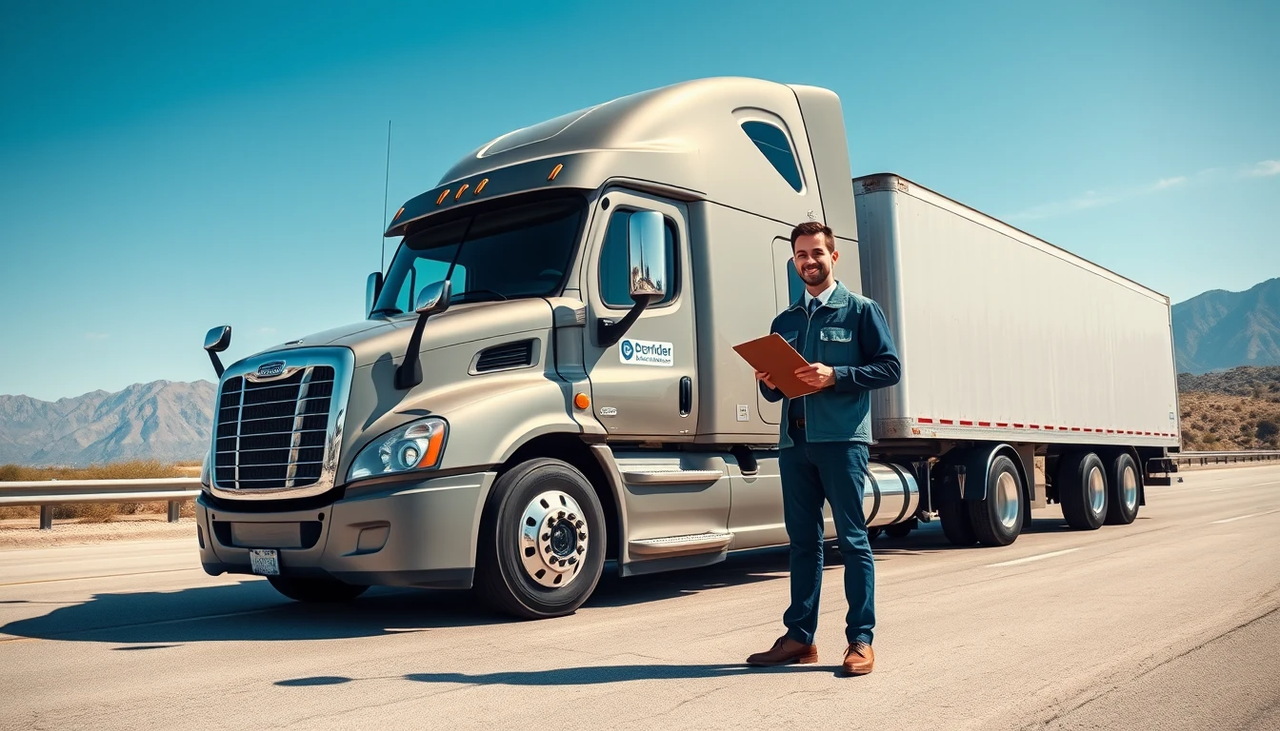
Starting a transportation business with just one truck can be a rewarding venture for those with industry knowledge, ambition, and a willingness to manage the challenges of entrepreneurship. This approach allows individuals to transition from being drivers to owner-operators, offering flexibility and the potential for significant earnings. Below is an introduction and step-by-step guide to help you get started.
The trucking industry is vital to the economy, responsible for moving 72% of freight in the U.S. alone. Starting a transportation business with one truck is an excellent way to enter this lucrative field, as owner-operators can earn upwards of $300,000 annually. However, success requires careful planning, organization, and dedication. Whether you're transitioning from being a company driver or entering the industry anew, this guide outlines the essential steps to establish your business.
Steps to Start Your Transportation Business
- Gain Experience and Obtain a CDL
- If you're new to trucking, gaining hands-on experience as a driver is crucial. Obtain a commercial driver's license (CDL) through private schools or company-sponsored programs.
- Create a Business Plan
- Develop a comprehensive plan outlining your objectives, operational strategies, financial projections, and marketing efforts. A well-crafted plan will help secure funding and guide your business decisions.
- Choose Your Business Entity
- Decide on the legal structure of your business (e.g., sole proprietorship, LLC). This affects taxation and liability.
- Secure Your Truck
- Purchase or lease a truck based on your budget. Costs can range from $40,000 to $250,000 for buying or $2,500+ per month for leasing.
- Obtain Licenses and Permits
- Register your business with federal and state authorities and acquire permits such as USDOT numbers and FMCSA operating authority.
- Buy Insurance
- Protect your business with comprehensive insurance coverage for liability, cargo, and physical damage.
- Find Loads and Build Relationships
- Use load boards or partner with brokers to find freight opportunities. Networking at industry events can help establish valuable connections.
- Set Up Accounting Systems
- Manage finances effectively by tracking expenses, income, and taxes using accounting software or hiring professionals.
- Market Your Services
- Build an online presence through a website and social media platforms to attract clients. Attend trade shows and collaborate with businesses needing transportation services.
- Maintain Your Truck
- Regular maintenance ensures operational efficiency and reduces downtime.
What are the initial costs involved in starting a trucking business with one truck
Starting a trucking business with one truck involves several initial costs, which can vary depending on whether you choose to buy or lease the truck. Here’s a breakdown of the key expenses:
Key Initial Costs
- Truck and Trailer
- Buying: New semi-trucks cost $80,000 to $150,000, while trailers range from $30,000 to $50,000. A down payment of 10% is typically required, bringing the initial cost to $18,000 for a truck and trailer.
- Leasing: Monthly lease payments range from $1,600 to $2,500, with upfront costs of $12,000 to $20,000.
- Insurance
- Commercial trucking insurance can cost $3,000 to $18,000 annually, with an initial down payment of around $4,000.
- Licenses and Permits
- USDOT number: $300
- Motor Carrier (MC) number: Included in the $300 fee
- International Registration Plan (IRP): $1,300
- Equipment
- Electronic Logging Device (ELD): $100
- GPS, phone, and other equipment: $2,000
- Business Registration
- LLC or business entity formation: $200
- Other Costs
- Drug program enrollment: $300
- Supervisor training: $50
Total Initial Costs
- Buying a Truck: $40,000 to $250,000
- Leasing a Truck: $12,000 to $20,000
These costs can vary based on factors like the age, make, and model of the truck, as well as regional differences in licensing and insurance requirements. Proper financial planning is essential to ensure a smooth start to your trucking business.
How do I find reliable loads for my trucking business
Finding reliable loads for your trucking business is essential for maintaining consistent income and operational efficiency. Here are some effective methods to secure dependable freight:
1. Load Boards
Load boards are digital platforms where shippers and brokers post freight opportunities. They are a primary tool for finding loads quickly.
- DAT Load Board: Offers over 644,500 loads daily, making it one of the largest and most reliable sources for freight. It includes broker ratings and credit scores to ensure trustworthiness.
- 123Loadboard: Provides 57 million loads annually with tools like trip planning and rate checks to optimize profitability.
2. Freight Brokers
Freight brokers act as intermediaries between shippers and truckers, handling negotiations and logistics. They are particularly useful for new carriers or owner-operators who may lack established networks.
3. Direct Shippers
Working directly with shippers can yield higher per-load revenue since it eliminates broker fees. However, this requires extensive networking and knowledge of freight lanes.
4. Dispatch Services
Hiring a dispatcher can help manage load sourcing, negotiations, and scheduling, allowing you to focus on driving. This is ideal for those unfamiliar with the industry’s complexities.
5. Networking
Attend industry events and build relationships with shippers, brokers, and other truckers. Word-of-mouth referrals can lead to consistent and reliable loads.
6. Mobile Apps
Apps like DAT One and TruckSmarter allow you to search for loads on the go, ensuring you never miss high-paying opportunities.
7. Government Contracts
Registering as a government contractor can provide stable, high-paying loads, though it often involves a more rigorous application process.
By leveraging these methods, you can establish a steady stream of reliable loads for your trucking business.
What are the best practices for maintaining and repairing a truck
Proper maintenance and timely repairs are essential for keeping your truck in optimal condition, ensuring safety, and extending its lifespan. Here are the best practices to follow:
Routine Maintenance
- Check and Change Fluids
- Regularly inspect and top off engine oil, coolant, brake fluid, and power steering fluid. Change engine oil and filters every 25,000 miles or as recommended by the manufacturer to prevent engine damage.
- Tire Maintenance
- Monitor tire pressure and tread depth regularly. Rotate tires to ensure even wear and extend their lifespan. Properly inflated tires improve fuel efficiency and safety.
- Inspect the Cooling System
- Check the radiator for leaks and ensure coolant levels are adequate. Clean the radiator to improve airflow and prevent overheating.
- Battery Care
- Inspect battery terminals for corrosion and ensure they are securely connected. Replace batteries every 3–5 years or as needed to avoid unexpected breakdowns.
- Belts and Hoses
- Inspect belts and hoses for wear, cracks, or fraying. Replace them as needed to prevent engine damage and ensure smooth operation.
Preventive Measures
- Fifth Wheel Maintenance
- Clean and grease the fifth wheel mechanism every 30,000 miles to ensure proper coupling between the tractor and trailer.
- Brake System
- Regularly inspect brake pads, rotors, and fluid levels. Replace worn-out components to maintain stopping power and safety.
- Exterior Care
- Wash and wax the truck regularly to protect the paint from corrosion and environmental damage. Use paint cleaners for stubborn stains.
- Toolbox Essentials
- Keep a toolbox with essential items like wrenches, pliers, screwdrivers, and a tire pressure gauge for on-the-go inspections and minor repairs.
Professional Inspections
- Scheduled Inspections
- Have your truck inspected by a professional regularly to identify and address potential issues before they escalate into costly repairs.
- Use Technology
- Leverage fleet management software or maintenance tracking systems to automate reminders and monitor service history for better organization and insights.
Prompt Repairs
- Address Warning Signs
- If warning lights appear or the truck makes unusual noises, have it checked and repaired promptly to prevent further damage.
By adhering to these best practices, you can ensure your truck remains reliable, efficient, and safe for long-term use.
How can I manage cash flow effectively in a small trucking business
Managing cash flow effectively in a small trucking business is crucial for financial stability and long-term success. Here are actionable strategies to optimize cash flow:
1. Track Cash Inflows and Outflows
- Monitor all revenue sources, such as customer payments, loans, or investments, and track expenses like fuel, maintenance, payroll, and insurance. Use accounting software to maintain real-time visibility into your financial health.
2. Speed Up Cash Inflows
- Invoice Promptly: Send invoices as soon as jobs are completed to reduce payment delays.
- Offer Quick-Pay Discounts: Encourage customers to pay early by providing small discounts.
- Use Freight Factoring: Sell unpaid invoices to factoring companies to receive immediate cash, ensuring liquidity for daily operations.
3. Delay Cash Outflows
- Negotiate Payment Terms: Extend payment deadlines with suppliers and service providers.
- Use Net 30 Fuel Cards: Delay fuel payments by 30 days to align with incoming revenue.
4. Reduce and Manage Expenses
- Optimize Routes: Minimize fuel consumption and deadhead miles through efficient route planning.
- Preventive Maintenance: Regularly service trucks to avoid costly breakdowns and extend equipment lifespan.
- Cut Unnecessary Costs: Identify and eliminate non-essential spending.
5. Maintain a Cash Flow Forecast
- Create a detailed forecast of income and expenses over a specific period. This helps anticipate financial gaps and prepare for unexpected costs, such as repairs or slow seasons.
6. Leverage Financial Tools
- Fuel Discount Cards: Save on fuel costs through loyalty programs.
- Load Planning Software: Optimize freight loads to maximize revenue and operational efficiency.
7. Hold Your Team Accountable
- Ensure drivers and employees minimize wasteful practices, such as unnecessary idling or leaving lights on, which can increase costs.
By implementing these strategies, you can maintain a healthy cash flow, ensuring your trucking business remains financially stable and poised for growth.
What insurance options are available for a new trucking business
Starting a new trucking business requires a range of insurance options to protect your assets, comply with regulations, and mitigate risks. Here are the key insurance coverages available:
Mandatory Coverages
- Liability Insurance
- Covers bodily injury and property damage caused by your truck in an accident. Required by law for all commercial trucks.
- Minimum coverage varies: $300,000 for non-hazardous freight in vehicles under 10,001 lbs. and $750,000 for heavier vehicles.
- Motor Carrier Insurance
- Specifically designed for for-hire truckers, covering liabilities and offering competitive rates.
Optional Coverages
- Physical Damage Insurance
- Protects your truck from accidents, theft, vandalism, and natural disasters. Includes collision and comprehensive coverage.
- Cargo Insurance
- Covers loss or damage to the goods you haul due to accidents, theft, or other risks. Essential for for-hire truckers.
- Bobtail Insurance
- Provides coverage when your truck is operating without a trailer, such as returning to base or heading to a pickup location.
- Trailer Interchange Insurance
- Covers damages to trailers owned by others while in your care.
- Non-Trucking Liability Insurance
- Protects leased drivers when using their trucks for personal use and not under dispatch.
- Motor Truck General Liability Insurance
- Covers accidents arising from business operations not directly involving your truck, such as slips or falls at your dispatch office.
Specialized Coverages
- Hazardous Materials (Hazmat) Coverage
- Essential for transporting dangerous substances, covering pollution, cleanup costs, and environmental damage.
- Refrigerated Goods Insurance
- Protects against spoilage due to equipment failure or temperature deviations during transit.
- Oversize Loads Insurance
- Covers risks associated with transporting large or heavy cargo, including damage to infrastructure.
Additional Protections
- Workers’ Compensation Insurance
- Required in most states if you have employees, covering medical costs and lost wages for work-related injuries.
- Cyber Liability Insurance
- Protects against data breaches and cyberattacks, covering notification costs and legal fees.
- Business Owner’s Policy (BOP)
- Combines general liability and commercial property insurance for cost-effective protection.
By selecting the right mix of mandatory and optional coverages, you can ensure comprehensive protection for your new trucking business.
Conclusion
Starting and managing a trucking business with one truck is a challenging yet rewarding endeavor that requires careful planning, dedication, and strategic execution. From obtaining the necessary licenses and insurance to maintaining your truck and managing cash flow, each step plays a crucial role in building a successful operation.
By leveraging tools like load boards, freight brokers, and preventive maintenance practices, you can ensure consistent income and operational efficiency. Additionally, securing the right insurance coverage protects your business from unforeseen risks, providing peace of mind as you grow.
Remember, success in the trucking industry hinges on adaptability, continuous learning, and strong relationships with shippers, brokers, and industry professionals. By staying organized, proactive, and committed to delivering excellent service, you can turn your one-truck business into a thriving enterprise. With the right strategies and a focus on long-term sustainability, your trucking business has the potential to achieve significant growth and profitability in this vital industry.
FAQs
1. What are the basic requirements to start a trucking business?
- You’ll need a commercial driver’s license (CDL), a registered business entity, a USDOT number, an MC number (if hauling for hire), and proper insurance coverage.
2. How much does it cost to start a trucking business with one truck?
- Initial costs range from $40,000 to $250,000 if purchasing a truck, or $12,000 to $20,000 if leasing. Additional expenses include insurance, permits, and maintenance.
3. What type of insurance do I need for my trucking business?
- At a minimum, you’ll need liability insurance. Optional coverages include physical damage, cargo, bobtail, and non-trucking liability insurance.
4. How do I find reliable loads for my truck?
- Use load boards (e.g., DAT, 123Loadboard), partner with freight brokers, network with shippers, or hire a dispatcher to find consistent freight opportunities.
5. What is the best way to manage cash flow in a small trucking business?
- Track income and expenses, invoice promptly, negotiate payment terms, reduce unnecessary costs, and use tools like freight factoring or fuel discount cards.
6. How do I maintain my truck to avoid breakdowns?
- Perform regular maintenance like oil changes, tire inspections, and brake checks. Use preventive maintenance schedules and address issues promptly.
7. Do I need a business plan for my trucking business?
- Yes, a business plan helps outline your goals, strategies, and financial projections, making it easier to secure funding and stay organized.
8. How can I save money on fuel costs?
- Optimize routes, use fuel discount cards, avoid unnecessary idling, and invest in fuel-efficient trucks or technologies.
9. What permits and licenses are required for a trucking business?
- You’ll need a USDOT number, MC number (if hauling for hire), International Registration Plan (IRP) plates, and International Fuel Tax Agreement (IFTA) permits.
10. Can I start a trucking business without experience?
- While possible, it’s highly recommended to gain experience as a driver first. This helps you understand the industry, build connections, and avoid costly mistakes.
Reference