How To Start A Transportation Business For The Elderly
Written byMerchant Alternatives | March 20, 2025
Merchant Alternatives is reader-supported. When you make purchases through links on our site, we may earn a commission. This is always at no additional cost to you and helps us continue to provide accurate, transparent and up-to-date information on the things that matter most to your business, for free.
Starting a transportation business for the elderly is a rewarding entrepreneurial venture that addresses a growing societal need. With the elderly population projected to nearly double by 2050, the demand for specialized transport services is increasing. This business provides seniors with safe, reliable, and accessible transportation for medical appointments, social engagements, grocery shopping, and other errands, enabling them to maintain independence and improve their quality of life.
Steps to Start an Elderly Transportation Business
Define Your Service Type
Choose the type of transportation service you want to offer:
Scheduled trips for medical appointments.
On-call transportation similar to taxi services.
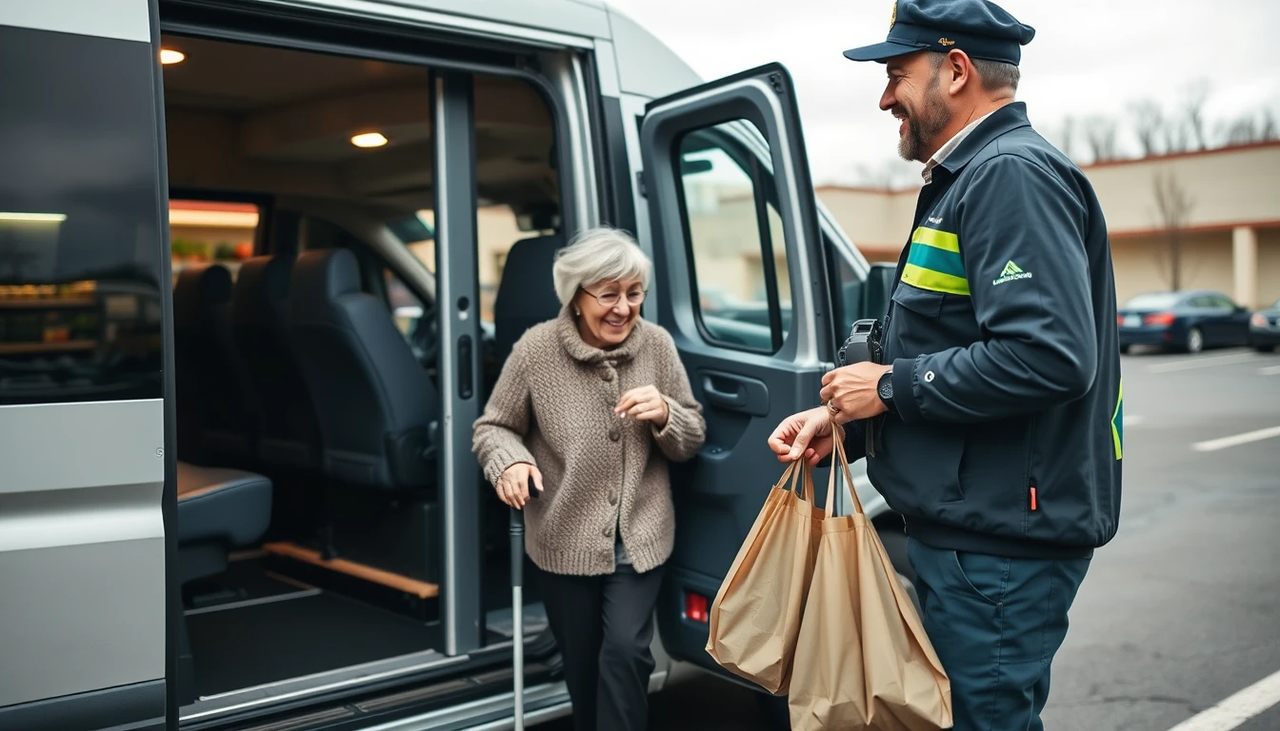
Comprehensive services that include escorting seniors on errands and assisting them with shopping.
Acquire Suitable Vehicles
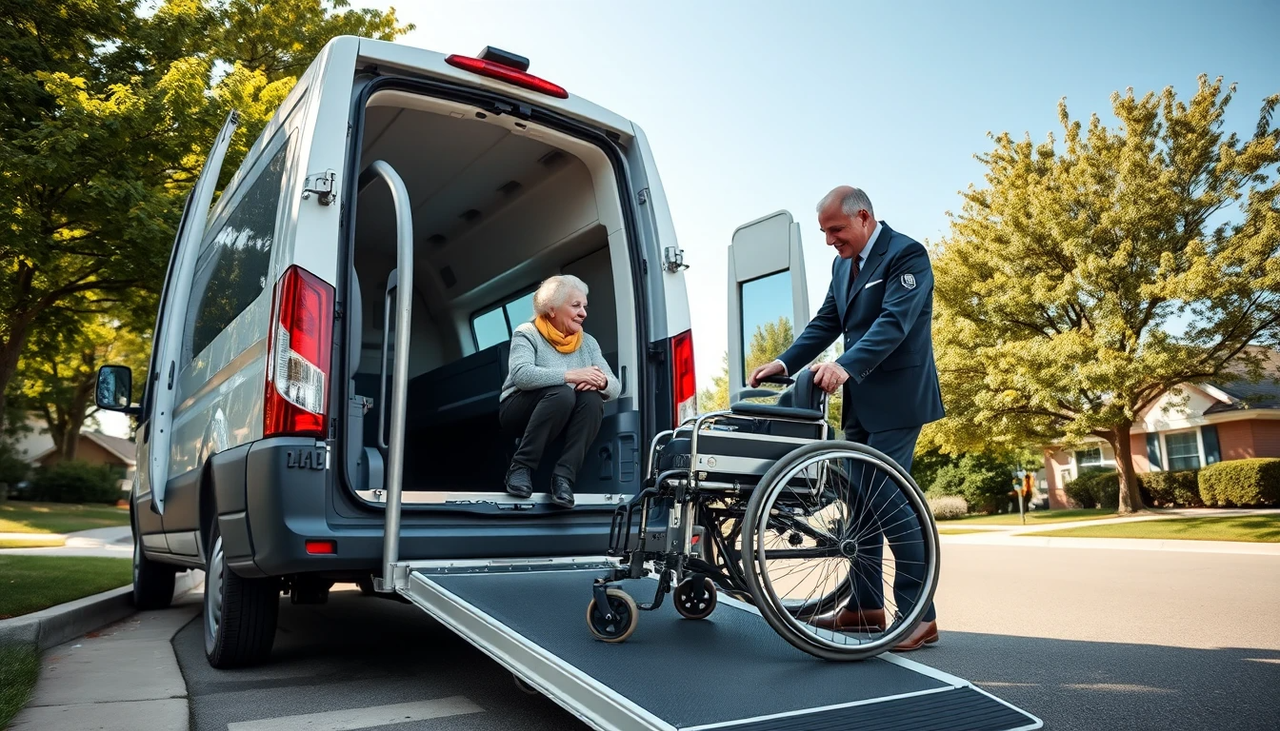
Purchase or lease vehicles tailored to elderly needs, such as vans or SUVs equipped with wheelchair lifts and ample storage space. Start with one vehicle to minimize startup costs and expand as your business grows.
Obtain Necessary Licenses and Permits
Secure a business license, commercial vehicle registration, and appropriate insurance.
Ensure drivers have commercial driver’s licenses (CDLs) if required in your region.
Develop a Business Plan
Include financial projections, operational strategies, and marketing plans.
Consider different business structures like sole proprietorships or LLCs based on tax and legal implications.
Market Your Services
Target senior communities, assisted living facilities, rehabilitation centers, and local senior centers.
Use brochures with large print, local newspaper ads, and online classifieds to reach your audience effectively.
Focus on Customer Experience
Offer flexible service hours, return trip packages, group rates, and friendly customer service to differentiate your business from competitors.
Build Income Streams
Charge hourly rates ranging from $25-$60 depending on location and services offered. Expand services over time to increase revenue potential.
What are the best marketing strategies for attracting senior clients
To effectively attract senior clients to a transportation business, it is essential to use targeted marketing strategies that address their unique needs and preferences. Here are some of the best strategies based on expert recommendations:
1. Build Trust Through Partnerships and Referrals
Partner with senior-focused organizations, such as senior living facilities, healthcare providers, and advocacy groups, to gain referrals. Offer incentives like discounts or free rides for referred clients.
Collaborate on joint marketing campaigns or events that benefit seniors and promote your services.
2. Leverage Local Advertising
Advertise in local newspapers, community bulletin boards, and senior centers to reach seniors directly.
Use flyers or brochures with large, easy-to-read fonts to ensure accessibility.
3. Create a Strong Online Presence
Develop a professional website showcasing your services, safety features, pricing, and testimonials. Make it easy to navigate for seniors and their families.
Use social media platforms to engage with the community by sharing helpful content and updates about your services.
4. Offer Incentives and Loyalty Programs
Provide senior discounts, referral rewards, or loyalty programs to encourage repeat business and word-of-mouth marketing.
Highlight affordability and reliability as key benefits of your service.
5. Focus on Service Quality
Train drivers to be courteous, patient, and attentive to seniors' needs. Equip vehicles with safety features like wheelchair access and comfortable seating.
Regularly collect feedback from clients to improve service quality and build long-term relationships.
6. Educate and Inform Your Audience
Use content marketing strategies such as blog posts, videos, or ebooks that explain the benefits of your service (e.g., safety, convenience) and provide travel tips for seniors.
Include testimonials from satisfied customers to build credibility.
7. Flexible Transportation Options
Offer flexible scheduling options tailored to seniors' predictable needs like medical appointments or grocery trips.
Consider implementing neighborhood routes or ride-free days for promotional purposes.
By combining these strategies with a focus on accessibility, reliability, and customer satisfaction, you can successfully attract senior clients while building a loyal customer base.
How can I ensure my transportation service is accessible to seniors with mobility issues
To ensure your transportation service is accessible to seniors with mobility issues, implement these evidence-based strategies:
1. Vehicle Accessibility Features
Wheelchair-accessible vehicles: Equip vehicles with ramps, lifts, and securement systems to accommodate wheelchairs or mobility scooters.
Priority seating: Designate easy-access seating areas with grab bars and non-slip surfaces.
Adaptive equipment: Install adjustable seating, wide doors, and ample storage for mobility aids.
2. Driver Training and Support
Patient assistance: Train drivers to handle transfers, secure wheelchairs, and provide door-to-door support.
Sensitivity training: Educate staff on communication techniques for seniors with cognitive or sensory challenges.
3. Service Design for Mobility Needs
Pre-scheduled bookings: Offer advance reservations for medical appointments or recurring trips.
Flexible routes: Create neighborhood routes or partnerships with senior centers for frequent destinations.
Companion assistance: Allow caregivers to accompany seniors during trips at no extra cost.
4. Cost and Accessibility Barriers
Affordable pricing: Offer sliding-scale rates or subsidies for low-income seniors.
Public partnerships: Collaborate with local governments or non-profits to fund paratransit services.
5. Community Integration
Awareness campaigns: Distribute large-print brochures at senior centers and healthcare facilities.
Volunteer programs: Partner with volunteer driver networks to expand coverage in rural areas.
6. Safety and Compliance
ADA compliance: Ensure vehicles meet Americans with Disabilities Act standards for wheelchair accessibility.
Emergency protocols: Implement GPS tracking and emergency response plans for vulnerable passengers.
By prioritizing these elements, your service can address both physical and logistical barriers, fostering independence and dignity for seniors with mobility challenges.
What are the legal requirements for operating a senior transportation business in my state
To determine the legal requirements for operating a senior transportation business in your state, follow these key steps and considerations based on industry standards and regulatory frameworks:
1. Business Registration and Legal Structure
Register your business: Obtain a business license from your state and local authorities, and secure an Employer Identification Number (EIN) for tax purposes.
Choose a legal structure: Options include LLC, S-Corp, or sole proprietorship, each affecting liability and tax obligations. Consult legal counsel to select the best structure for your operations.
2. Licenses and Permits
Commercial driver’s licenses (CDLs): Verify if drivers need CDLs or specialized endorsements (e.g., for wheelchair-accessible vehicles).
Vehicle permits: Register vehicles with your state’s Department of Motor Vehicles (DMV) and comply with Federal Motor Carrier Safety Administration (FMCSA) regulations if transporting seniors across state lines.
Local permits: Check with city/county authorities for additional permits (e.g., zoning, health department approvals).
3. Insurance Requirements
Commercial auto insurance: Mandatory for liability coverage and passenger protection.
General liability insurance: Protects against accidents or property damage.
Workers’ compensation: Required if hiring employees.
4. Vehicle Compliance
Safety inspections: Regularly inspect vehicles for mechanical integrity and ADA compliance (e.g., wheelchair ramps, securement systems).
ADA standards: Ensure vehicles meet accessibility requirements for seniors with disabilities.
5. Driver Qualifications
Background checks: Screen drivers for criminal history and driving records.
Training: Provide sensitivity training for assisting seniors with mobility or cognitive challenges.
6. State-Specific Regulations
Non-emergency medical transportation (NEMT): If offering medical-related services, comply with state Medicaid or healthcare provider contracts.
Local ordinances: Research municipal rules for parking, routes, or senior-specific permits.
7. Documentation and Compliance
Business plan: Outline services, target market, and financial projections to align with state regulations.
Record-keeping: Maintain logs for vehicle maintenance, driver hours, and client records.
Next Steps
Consult state agencies: Contact your state’s Secretary of State, DMV, and local business office for specific requirements.
Legal counsel: Use resources like nolo.com or attorneys to navigate licensing and liability.
Industry associations: Join groups like the National Association of Senior Move Managers for updated compliance guidance.
By addressing these areas, you can ensure your senior transportation business operates legally and safely in your state.
How can I differentiate my senior transportation service from existing taxi services
To differentiate your senior transportation service from existing taxi services, focus on addressing the unique needs and preferences of elderly clients. Here are effective strategies:
1. Personalization and Specialized Services
Offer door-to-door service with assistance for boarding and alighting, unlike traditional taxis that typically provide curbside-only service.
Provide customized routes and flexible schedules tailored to seniors' needs, such as medical appointments, grocery trips, or social outings.
Train drivers to be courteous, patient, and attentive to seniors' mobility or cognitive challenges.
2. Accessibility Features
Equip vehicles with wheelchair ramps, lifts, and securement systems to accommodate mobility aids.
Ensure vehicles have comfortable seating, climate control, and safety features specifically designed for elderly passengers.
3. Loyalty Programs and Discounts
Introduce senior-friendly pricing models like subscriptions for frequent users or discounts based on age or income.
Offer referral rewards to encourage word-of-mouth promotion among seniors and their families.
4. Safety and Reliability
Implement strict safety protocols, including regular vehicle inspections and driver training focused on passenger safety.
Guarantee punctuality and reliability to build trust with elderly clients who may have time-sensitive appointments.
5. Community Integration
Partner with local organizations such as senior centers, hospitals, or assisted living facilities to gain referrals and exclusive contracts.
Engage in community events to promote your service directly to seniors and their families.
6. Marketing Your Unique Value Proposition
Highlight your service's focus on accessibility, comfort, and personalized care in marketing materials.
Use testimonials from satisfied clients to showcase your expertise and build credibility.
By emphasizing personalization, accessibility, safety, and community engagement, you can distinguish your senior transportation service from standard taxi offerings while building a loyal customer base.
What are the initial startup costs for a senior transportation business
The initial startup costs for a senior transportation business vary widely depending on scale, vehicle type, and operational scope. Below is a detailed breakdown based on industry benchmarks and search results:
1. Vehicle Acquisition
Wheelchair-accessible vans: $40,000–$70,000 per vehicle (includes lifts/ramps).
Standard vans/sedans: $20,000–$50,000 per vehicle.
Leasing options: Reduce upfront costs but increase long-term expenses.
2. Insurance and Licensing
Commercial auto insurance: $5,000–$15,000 annually.
Business licenses/permits: $500–$5,000 per year.
Driver certifications: Background checks and training add $2,000–$10,000 annually.
Facility rental: $1,000–$5,000 monthly for dispatch centers or parking.
4. Technology and Marketing
Booking/dispatch software: $5,000–$20,000.
Branding/marketing: $2,000–$10,000 (brochures, local ads).
5. Low-Cost Entry Options
Minimalist approach: Start with a personal vehicle, business license, and insurance for under $2,000.
Hourly rates: Charge $25–$60/hour, depending on location.
Total Estimated Startup Costs
Scope
Cost Range
Small-scale (1 vehicle)
$20,000–$50,000+
Mid-scale (fleet)
$67,500–$225,000+
Low-cost entry
Under $2,000
Key Considerations
Grants and partnerships: Offset costs via programs like the Federal Transit Administration’s Section 5310 or collaborations with senior centers.
Location: Urban areas may require higher vehicle costs and staffing, while rural areas could leverage volunteer networks.
Revenue potential: Full-time operations at $35/hour can generate ~$700/week.
For precise estimates, consult local agencies for licensing fees and insurance quotes.
Conclusion
Starting a senior transportation business requires careful planning, strategic differentiation, and a commitment to accessibility and safety. By addressing the unique needs of elderly clients—such as mobility challenges, reliability, and personalized care—you can carve out a niche in a growing market. From initial startup costs (ranging from under $2,000 for low-cost entry to $225,000+ for fleets) to legal compliance and marketing strategies, every decision should prioritize seniors’ independence and dignity. Key takeaways:
Differentiation is critical: Focus on wheelchair accessibility, patient drivers, and partnerships with senior communities.
Cost management hinges on balancing upfront expenses (vehicles, insurance) with scalable growth.
Legal and safety standards (e.g., ADA compliance, driver training) are non-negotiable to build trust.
This venture not only offers financial rewards but also serves a vital social purpose. By combining operational efficiency with empathy, you can create a sustainable business that improves lives—one safe, reliable ride at a time.
FAQs
Q: What licenses and permits do I need to operate a senior transportation service? A: Requirements vary by state but typically include a business license, commercial vehicle registration, and insurance. Check with your state’s DMV and local authorities for specifics.
Q: How do I ensure my vehicles are accessible for seniors with mobility issues? A: Equip vehicles with wheelchair ramps, lifts, and securement systems. Ensure compliance with ADA standards for safety and accessibility.
Q: What training should drivers receive? A: Train drivers in patient assistance, wheelchair securement, and sensitivity for seniors with cognitive or physical challenges. Background checks and CPR certification are recommended.
Q: How do I market my service to seniors? A: Partner with senior centers, use large-print brochures, and leverage local advertising (e.g., community newsletters). Highlight reliability and safety in messaging.
Q: What are the typical startup costs? A: Costs range from under $2,000 (low-cost entry) to $225,000+ for fleets. Key expenses include vehicles, insurance, and staffing.
Q: Can I offer non-emergency medical transportation (NEMT)? A: Yes, but comply with state Medicaid rules or healthcare provider contracts. Ensure vehicles meet medical safety standards.
Q: How do I differentiate my service from taxis? A: Focus on door-to-door assistance, wheelchair accessibility, and flexible scheduling for medical/social appointments.
Q: What insurance coverage is required? A: Commercial auto insurance and liability coverage are mandatory. Workers’ compensation is needed if hiring employees.
Q: How do I handle client safety during trips? A: Implement GPS tracking, emergency response plans, and regular vehicle inspections. Train drivers to handle emergencies calmly.
Q: Are there grants or funding options available? A: Explore programs like the Federal Transit Administration’s Section 5310 or partner with local non-profits to offset costs.