Merchant Alternatives is reader-supported. When you make purchases through links on our site, we may earn a commission. This is always at no additional cost to you and helps us continue to provide accurate, transparent and up-to-date information on the things that matter most to your business, for free.
The cleaning industry continues to grow steadily due to the universal need for clean and hygienic spaces. From homes and offices to industrial facilities, cleaning services are essential for maintaining health and comfort. Starting a cleaning business is particularly appealing because it requires minimal upfront investment compared to other industries. With the right approach, you can build a scalable business that caters to diverse client needs. However, success in this competitive field requires more than just hard work. You need a clear business plan, the right tools and training, and an effective marketing strategy. Whether you're venturing into commercial cleaning or residential services, understanding your target market and tailoring your offerings accordingly will set you apart from competitors.
Steps to Start a Successful Cleaning Business
Create a Business Plan A solid business plan is the foundation of your cleaning enterprise. It should include:
Executive summary
Market analysis
Services offered and pricing strategy
Financial projections
Marketing plan This roadmap will guide your decisions and help secure funding if needed.
Choose Your Niche Decide whether you'll focus on residential cleaning, commercial cleaning, or specialized services like eco-friendly cleaning or carpet care. Each niche has unique requirements in terms of equipment, training, and client expectations.
Register Your Business Select a legal structure (e.g., sole proprietorship, LLC) and register your business name. Obtain necessary licenses and permits based on your location.
Secure Insurance Protect your business with liability insurance to cover potential damages or accidents during operations.
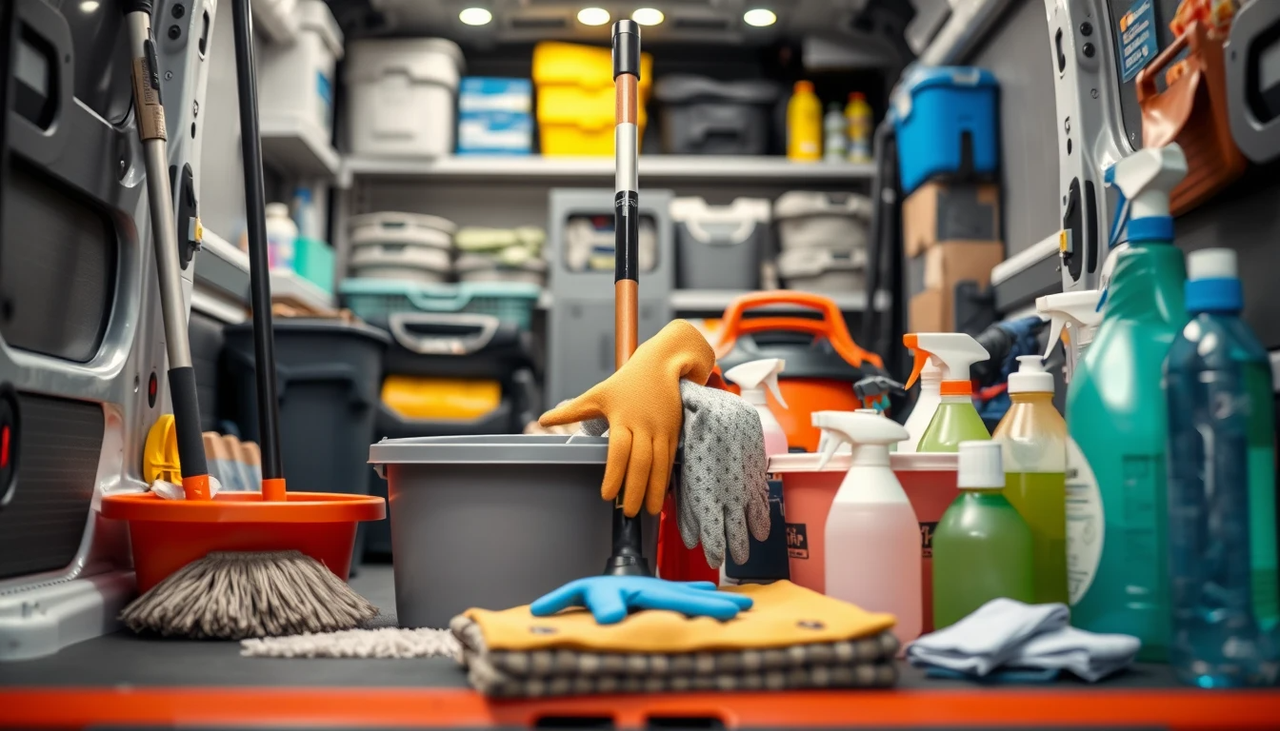
Stock Up on Supplies Purchase essential cleaning supplies and equipment based on the services you plan to offer. Start with basic items like mops, vacuums, gloves, and cleaning solutions, then expand as needed.
Market Your Business Develop an online presence through social media, local directories, and a professional website. Offer promotions or discounts to attract your first clients.
Deliver Quality Service Build a reputation for reliability and thoroughness by exceeding client expectations. Happy customers are more likely to provide repeat business and referrals.
Hire and Train Staff As your business grows, hire employees who share your commitment to quality service. Provide training to ensure consistency in performance.
By following these steps and maintaining a customer-focused approach, you can establish a thriving cleaning business that stands out in this competitive industry.
What are the key elements of a successful business plan for a cleaning business?
A successful business plan for a cleaning business should include several key elements that provide a comprehensive roadmap for operations, marketing, and financial management. Below are the essential components:
1. Executive Summary
A concise overview of the business plan, including the mission statement, objectives, target market, competitive advantage, and financial projections.
Captures the reader's interest and provides a snapshot of the business’s potential.
2. Business Description
Details about the company’s purpose (e.g., residential or commercial cleaning), history, location, team structure, and measurable objectives.
Includes information on ownership structure (sole proprietorship, LLC, etc.) and startup costs.
3. Market Analysis
Research on the target market demographics, demand for cleaning services, and competitor analysis.
Identifies unique selling points and opportunities to differentiate from competitors.
4. Service Offerings
Comprehensive list of cleaning services provided (e.g., residential cleaning, commercial cleaning, green cleaning).
Includes pricing strategies and descriptions of specialized services or products that set the business apart.
5. Marketing and Sales Strategy
Strategies for attracting and retaining clients through online advertising, social media, local promotions, or partnerships.
Specific goals for customer acquisition and retention.
6. Operations Plan
Details on logistics like scheduling appointments, transportation needs, cleaning protocols, and customer service processes.
Includes quality control measures to ensure consistent service delivery.
7. Financial Plan
In-depth financial projections including startup costs, cash flow forecasts, profit margins, break-even analysis, and funding requirements.
Essential for securing investments or loans by demonstrating financial viability.
8. Company Overview
Summary of the legal structure, service area, management team roles and qualifications.
Outlines future objectives such as expanding services or entering new markets.
9. Appendix
Supporting documents like resumes of key team members, contracts with suppliers or partners, and licenses or permits.
By incorporating these elements into a well-organized plan, you can effectively position your cleaning business for growth and success in a competitive industry.
How can I effectively market my cleaning business to attract clients?
To effectively market your cleaning business and attract clients, consider implementing the following strategies:
1. Create and Optimize a Professional Website
Develop a user-friendly website that showcases your services, includes high-quality images, and features an online booking system. Ensure it is optimized for search engines (SEO) to improve visibility.
2. Leverage Social Media Marketing
Engage with potential clients on platforms like Facebook, Instagram, and LinkedIn. Share high-quality images, interactive posts, and targeted ads to reach your audience effectively.
3. Utilize Content Marketing
Start a blog or create videos that highlight the benefits of professional cleaning and demonstrate your expertise. This builds trust and positions your business as an industry authority.
4. Implement Email Marketing Campaigns
Send personalized emails and newsletters to keep clients informed about new services, cleaning tips, and special offers. This helps maintain customer engagement and loyalty.
5. Offer Promotions and Discounts
Attract new clients with special deals, referral discounts, or seasonal promotions. These incentives can encourage immediate bookings and word-of-mouth referrals.
6. Invest in Pay-Per-Click (PPC) Advertising
Use Google Ads or Facebook Ads to target specific demographics and increase visibility. PPC campaigns can drive traffic to your website and generate leads.
7. Build a Strong Brand Identity
Develop a recognizable brand with consistent messaging, logos, and visuals. A strong brand helps differentiate your business from competitors.
8. Partner with Local Businesses
Collaborate with local businesses or community organizations to host events or workshops. This increases brand exposure and fosters local connections.
9. Encourage Customer Reviews and Testimonials
Positive reviews on platforms like Google My Business and Yelp can significantly boost your credibility and attract new clients.
10. Network and Build Relationships
Attend local events, join business groups, and connect with potential clients face-to-face. Building personal relationships can lead to long-term business opportunities.
By combining these strategies and tailoring them to your target audience, you can effectively market your cleaning business and attract a steady stream of clients.
What are the benefits of franchising versus operating independently in the cleaning industry?
Franchising and operating independently in the cleaning industry each offer distinct advantages. Below is a comparison of the benefits for both approaches:
Benefits of Franchising
Established Brand Recognition Franchises provide immediate credibility and trust due to their well-known brand names, making it easier to attract clients.
Proven Business Model Franchisees benefit from tested and optimized systems for operations, marketing, and customer service, reducing risks associated with trial-and-error.
Training and Support Franchisors offer comprehensive training programs and ongoing support, equipping franchisees with industry knowledge and tools for success.
Marketing Resources Franchise networks often include shared marketing campaigns, which help increase visibility and reduce costs compared to independent efforts.
Buying Power Franchises leverage bulk purchasing agreements for supplies and equipment, providing cost savings that boost profitability.
Streamlined Operations Franchises come with standardized processes for billing, scheduling, hiring, and quality control, simplifying day-to-day management.
Built-In Network Franchise owners gain access to a network of peers for collaboration and knowledge sharing.
Recurring Revenue Many franchises have high customer retention rates due to their established reputation, ensuring steady income streams.
Benefits of Operating Independently
Full Creative Control Independent owners have complete freedom to design their business model, services, branding, and marketing strategies without restrictions from a franchisor.
Lower Initial Costs Starting independently avoids franchise fees and royalties, allowing owners to allocate resources as they see fit.
Flexibility in Growth Independent businesses can grow at a pace that aligns with the owner’s personal goals without adhering to franchise expansion guidelines.
Personalized Service Offerings Owners can tailor services to specific market needs or niches without being limited by franchise rules.
Ownership of Profits Independent operators retain all profits rather than paying royalties or fees to a franchisor.
Local Focus Independents can focus solely on their community without competing priorities from a larger franchise network.
Choosing Between Franchising and Independence
The decision depends on your goals, budget, experience level, and preferred level of autonomy:
Opt for franchising if you value brand recognition, structured support systems, and reduced startup risks.
Choose independence if you prioritize creative freedom, lower upfront costs, and full ownership of your business model.
Both paths can lead to success in the cleaning industry with proper planning and execution.
What types of cleaning services are most in demand for commercial clients
The most in-demand cleaning services for commercial clients typically align with the specific needs of businesses to maintain cleanliness, hygiene, and compliance with regulations. Here are the key types of cleaning services that are highly sought after:
1. General Office Cleaning
Regular cleaning of workspaces, lobbies, restrooms, and kitchens.
Tasks include dusting, vacuuming, mopping, waste removal, and sanitizing surfaces to promote a healthy work environment.
2. Floor and Carpet Cleaning
Specialized services like floor stripping, waxing, buffing, and carpet shampooing.
Floors and carpets are high-traffic areas in commercial spaces, making their maintenance essential for aesthetics and hygiene.
3. Restroom Cleaning
Deep cleaning and sanitizing of restrooms in offices, schools, malls, and public spaces.
Includes cleaning toilets, sinks, mirrors, countertops, and replenishing supplies like soap and paper towels.
4. Janitorial Services
Ongoing cleaning and maintenance for large facilities such as schools, retail stores, and corporate offices.
Includes tasks like sweeping, mopping, trash removal, and minor building maintenance.
5. Healthcare Facility Cleaning
Specialized cleaning to meet stringent health regulations in hospitals, clinics, and medical offices.
Focuses on disinfecting surfaces to reduce infection risks while adhering to OSHA standards.
6. Construction Cleanup
Post-construction cleaning for newly built or renovated spaces.
Includes removing dust, debris, and construction materials to make the space usable.
7. Commercial Kitchen Cleaning
Deep cleaning of restaurant or hotel kitchens to maintain hygiene standards.
Tasks include degreasing surfaces, cleaning exhaust fans, and sanitizing equipment.
8. Retail Store Cleaning
Ensures cleanliness in high-footfall areas like shopping malls or stores to enhance customer experience.
Focuses on maintaining polished floors, clean windows, and organized spaces.
9. Window Cleaning
Cleaning interior and exterior windows for office buildings or retail spaces.
Essential for maintaining a professional appearance.
10. Green Cleaning Services
Eco-friendly cleaning using sustainable products and practices.
Increasingly popular among businesses aiming to reduce their environmental impact.
These services cater to the diverse needs of commercial establishments such as offices, healthcare facilities, retail outlets, restaurants, educational institutions, and industrial sites. The demand is driven by the need for professional-grade cleanliness to ensure safety, compliance with regulations, and a positive impression on employees and customers alike.
How do I choose the right legal business structure for my cleaning business
Choosing the right legal business structure for your cleaning business depends on your goals, financial situation, and the level of personal liability protection you need. Here are the most common options and their key features to help you decide:
1. Sole Proprietorship
Pros: Simple to set up, low cost, and minimal paperwork. You have full control over the business.
Cons: No separation between personal and business liabilities, meaning your personal assets are at risk if the business faces legal issues or debts.
Best For: Small-scale operations or those starting with limited budgets.
2. Partnership
Pros: Shared financial responsibility and workload. Easy to establish with a written partnership agreement.
Cons: Partners share personal liability, and disputes can arise without clear agreements.
Best For: Businesses started with a partner or family member.
3. Limited Liability Company (LLC)
Pros: Personal liability protection, flexible tax options (can be taxed as a sole proprietorship, partnership, or corporation), and relatively easy to set up.
Cons: Higher setup costs and ongoing compliance requirements compared to sole proprietorships.
Best For: Small to medium-sized businesses looking to scale while minimizing personal risk.
4. S Corporation (S Corp)
Pros: Personal liability protection and tax advantages (profits and losses pass through to shareholders, avoiding double taxation).
Cons: More paperwork and formalities than an LLC, including stricter eligibility requirements.
Best For: Businesses planning to grow and attract investors.
5. C Corporation (C Corp)
Pros: Strong liability protection, ability to raise capital through stock sales, and potential for significant growth.
Cons: Double taxation (corporate and shareholder levels), complex setup, and ongoing compliance costs.
Best For: Larger businesses with ambitious growth plans or those seeking external investment.
Key Factors to Consider
Liability Protection: If protecting personal assets is a priority, an LLC, S Corp, or C Corp is preferable.
Tax Implications: Consider how each structure affects your tax obligations. LLCs and S Corps offer flexibility, while C Corps may lead to double taxation.
Growth Plans: If you plan to scale quickly or attract investors, a corporation or LLC may be more suitable.
Costs and Complexity: Sole proprietorships and partnerships are simpler and cheaper to establish, while corporations require more resources.
Next Steps
Research State Requirements: Each state has specific rules and fees for registering different business structures.
Consult Professionals: Speak with a lawyer or accountant to ensure you choose the structure that aligns with your business goals and financial situation.
File Necessary Paperwork: Once you’ve decided, file the required documents with your state’s Secretary of State or relevant authority.
By carefully evaluating these factors, you can select the legal structure that best supports your cleaning business’s growth and success.
Conclusion
Choosing the right legal structure for your cleaning business is a critical decision that impacts your liability, taxes, and growth potential. Whether you opt for a simple sole proprietorship, a flexible LLC, or a scalable corporation, each structure offers unique advantages tailored to different business needs. By carefully considering factors such as liability protection, tax implications, and long-term goals, you can make an informed choice that sets a strong foundation for your business.
Additionally, consulting with legal or financial professionals can provide valuable insights and ensure compliance with local regulations. Taking the time to select the appropriate structure not only safeguards your personal assets but also positions your cleaning business for sustainable growth and success in a competitive industry. With the right structure in place, you can focus on delivering exceptional service and building a thriving enterprise.
FAQs
1. How much does it cost to start a cleaning business?
The startup cost varies but typically ranges from $1,000 to $5,000. This includes supplies, equipment, insurance, marketing, and licensing fees.
2. Do I need a license to start a cleaning business?
Yes, most states and localities require a business license. Some areas may also need specialized permits for using certain chemicals or operating vehicles.
3. What insurance do I need for a cleaning business?
At a minimum, you’ll need general liability insurance to protect against accidents or damages. Bonding and workers’ compensation insurance are also recommended if you hire employees.
4. How do I price my cleaning services?
Pricing depends on factors like location, type of cleaning, and competition. Common methods include charging by the hour, per square foot, or offering flat-rate packages.
5. What cleaning supplies and equipment do I need?
Basic supplies include mops, brooms, vacuums, cleaning solutions, gloves, and microfiber cloths. Specialized services may require additional equipment like carpet cleaners or pressure washers.
6. How do I attract my first clients?
Leverage word-of-mouth referrals, social media marketing, local advertising, and offering discounts or promotions to attract initial customers.
7. Should I focus on residential or commercial cleaning?
It depends on your skills and market demand. Residential cleaning is often easier to start, while commercial cleaning offers larger contracts and recurring revenue.
8. How do I handle scheduling and invoicing?
Use scheduling software or apps to manage appointments and send invoices. Many tools also include features for tracking payments and client communication.
9. How can I differentiate my cleaning business from competitors?
Offer unique services like eco-friendly cleaning, flexible scheduling, or exceptional customer service. Building a strong brand and reputation can also set you apart.
10. What are the biggest challenges in running a cleaning business?
Common challenges include managing cash flow, finding reliable employees, maintaining consistent quality, and standing out in a competitive market.