Merchant Alternatives is reader-supported. When you make purchases through links on our site, we may earn a commission. This is always at no additional cost to you and helps us continue to provide accurate, transparent and up-to-date information on the things that matter most to your business, for free.
Launching a small clothing business requires a blend of creativity, strategic planning, and business acumen. Whether you're passionate about designing unique apparel or tapping into an underserved market niche, starting your own brand offers the chance to turn your vision into reality. While the process can seem daunting, following a structured approach will help you navigate challenges and build a successful brand.
Steps to Start Your Small Clothing Business
1. Identify Your Niche
Decide on the specific type of clothing you want to create, such as sustainable fashion, athletic wear, or custom T-shirts.
Research market gaps and define your unique selling proposition (USP) to stand out from competitors.
2. Develop a Business Plan
Create a detailed plan that outlines your brand mission, target audience, product offerings, marketing strategy, and financial projections.
Include details like startup costs, production methods, and pricing strategies.
3. Build Your Brand
Choose a memorable name and design a logo that reflects your brand identity.
Define your brand’s values and aesthetics to resonate with your target audience.
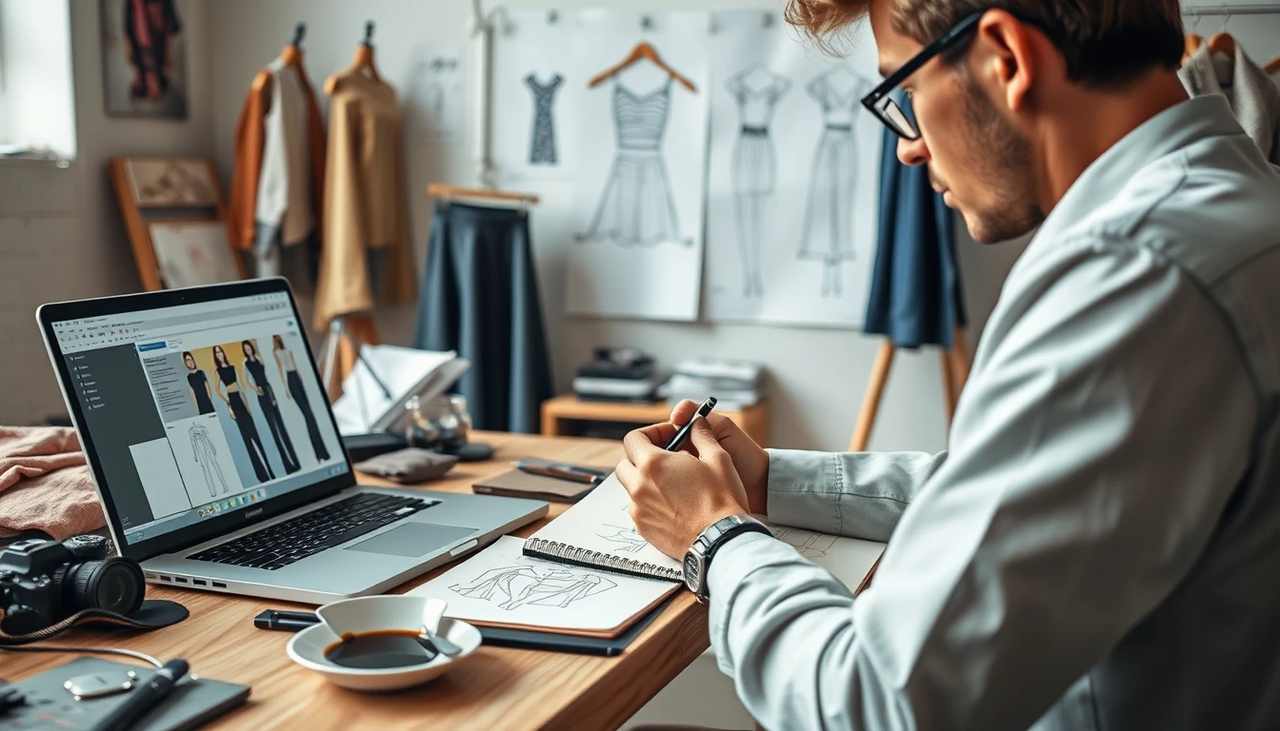
4. Design Your Clothing Line
Sketch designs or collaborate with designers to create your collection.
Focus on quality materials and craftsmanship to ensure customer satisfaction.
5. Source Materials and Manufacturers
Decide whether you’ll produce items yourself or work with manufacturers.
Options include bulk manufacturing, print-on-demand services, or handmade production.
6. Register Your Business
Choose a legal structure (e.g., sole proprietorship or LLC) and register your business name.
Obtain necessary licenses and permits for operating legally in your area.
7. Set Up Production
Create prototypes or samples of your designs.
Test quality and make adjustments before starting full-scale production.
8. Build an Online Presence
Launch an e-commerce website using platforms like Shopify or Wix.
Optimize your site for user experience and include high-quality photos of your products.
9. Market Your Brand
Use social media platforms to promote your clothing line.
Consider influencer collaborations, email marketing campaigns, and pop-up events to attract customers.
10. Start Selling
Offer pre-orders or soft launches to gauge customer interest.
Monitor sales performance and gather feedback for improvements.
What are the first steps to take when starting a small clothing business
Starting a small clothing business requires careful planning and execution. Here are the first steps to take when launching your venture:
1. Identify Your Niche
Determine the type of clothing you want to offer, such as sustainable fashion, athletic wear, or custom designs.
Research market gaps and define your unique selling proposition (USP) to stand out in the competitive fashion industry.
2. Conduct Market Research
Analyze your target audience, their preferences, and shopping behaviors.
Study competitors to identify trends and opportunities within the market.
3. Develop a Business Plan
Outline your mission, vision, and goals.
Include details on your product offerings, pricing strategies, marketing plans, and financial projections.
Choose a business model (e.g., hand production, print-on-demand, or manufacturing).
4. Build Your Brand
Create a memorable brand name and logo.
Define your brand’s values, aesthetics, and story to connect with your audience.
5. Register Your Business
Select a legal structure (e.g., sole proprietorship or LLC).
Obtain necessary licenses and permits to operate legally in your region.
6. Design Your Clothing Line
Sketch designs or collaborate with designers.
Focus on quality materials and craftsmanship to ensure customer satisfaction.
7. Source Materials and Manufacturers
Decide whether you’ll produce items yourself or partner with manufacturers.
Explore options like print-on-demand services for a cost-effective start.
How can I identify a need in the market for my clothing brand
To identify a need in the market for your clothing brand, follow these steps:
1. Conduct Market Research
Analyze consumer trends: Study current fashion trends and shifts in consumer preferences using tools like Google Trends.
Survey potential customers: Engage directly with your target audience to understand their unmet needs and desires.
Use social media analytics: Platforms like Instagram and TikTok can help identify what types of clothing resonate with users.
2. Define Your Target Audience
Segment your audience based on demographics (age, gender, income) and psychographics (interests, values, lifestyle).
Create detailed customer personas to visualize the specific needs and preferences of your ideal buyers.
3. Identify Gaps in the Market
Look for underserved niches, such as apparel designed for specific body types or unique cultural preferences.
Analyze competitors to find areas where their offerings fall short or receive negative feedback.
4. Test Your Ideas
Share prototypes or concepts on social media to gauge interest before production.
Use feedback from focus groups or early adopters to refine your designs and offerings.
By combining data-driven insights with direct engagement, you can uncover opportunities to address unmet needs and differentiate your clothing brand.
What are the best ways to develop my fashion design skills
Developing your fashion design skills involves a combination of creativity, technical expertise, and consistent practice. Here are the best ways to enhance your abilities:
1. Master Technical Skills
Pattern Making: Learn how to create templates for garments, which serve as blueprints for cutting and assembling fabric.
Sewing and Draping: Develop proficiency in sewing techniques and fabric draping to bring your designs to life.
Software Proficiency: Familiarize yourself with industry-standard tools like Adobe Illustrator and Photoshop for digital sketches and pattern creation.
2. Enhance Creativity
Experiment with innovative designs and push boundaries to bring unique perspectives to existing trends.
Study fashion history and draw inspiration from past styles, iconic designers, and cultural movements.
3. Build Drawing and Illustration Skills
Practice hand-sketching to convey design ideas effectively.
Transition to digital illustration tools for detailed renderings of your concepts.
4. Understand Fabrics and Textiles
Learn about the properties, behavior, and suitability of different materials for specific designs.
Work closely with fabrics to understand their draping and manipulation on the body.
5. Stay Updated on Trends
Follow fashion shows, street styles, and industry forecasts to remain relevant in your designs.
6. Take Courses or Workshops
Enroll in fashion design programs or short courses that focus on garment construction, textile studies, or sustainability practices.
7. Develop Business Acumen
Gain knowledge of branding, marketing, and consumer behavior to align your designs with market needs.
By combining technical proficiency, creative exploration, and industry awareness, you can refine your fashion design skills and excel in this competitive field.
How do I create a solid business plan for my clothing line
Creating a solid business plan for your clothing line is essential for defining your vision, attracting investors, and guiding your operations. Here’s a step-by-step guide based on expert recommendations:
1. Executive Summary
Provide a concise overview of your clothing line, including its mission, vision, target audience, and unique selling proposition (USP).
Highlight key goals such as projected revenue, market positioning, and funding requirements.
2. Business Description
Define the type of clothing business you’re starting (e.g., boutique, online store, or wholesale).
Explain your mission statement and company values. For example, are you focused on sustainability, affordability, or luxury fashion?
Include details about your business structure (LLC, partnership, etc.).
3. Market Analysis
Conduct research on your target audience’s demographics and preferences.
Analyze competitors to identify gaps in the market and opportunities for differentiation.
Highlight trends that align with your brand’s focus, such as eco-friendly fashion or streetwear.
4. Product Line Description
Detail the types of clothing you’ll offer and their unique features.
Explain whether your products will be handmade, manufactured in bulk, or sourced from suppliers.
Emphasize any standout qualities like ethical sourcing or innovative designs.
5. Marketing and Sales Strategy
Outline how you’ll promote your brand through social media, influencer partnerships, or email campaigns.
Include plans for launching an e-commerce website or physical store.
Highlight strategies like limited-edition drops or collaborations to create buzz.
6. Operations Plan
Describe how you’ll produce and distribute your clothing (e.g., in-house production or outsourcing).
Include details about your supply chain, inventory management, and staffing needs.
Mention logistics like packaging and shipping if selling online.
7. Financial Plan
Provide a breakdown of startup costs (e.g., materials, marketing, website development).
Include revenue projections and a timeline for profitability.
Specify funding requirements if you’re seeking investment and explain how funds will be allocated.
8. Growth Forecast
Set measurable goals for growth over the next 1–5 years (e.g., expanding product lines or opening additional stores).
Include strategies to scale operations as demand increases.
By addressing these components in detail, you’ll create a comprehensive business plan that not only guides your clothing line’s launch but also positions it for long-term success.
What are the most cost-effective ways to start a clothing business
Here are the most cost-effective ways to start a clothing business:
1. Use Print-on-Demand (POD) Services
How it works: POD allows you to design and sell clothing without holding inventory. A third-party provider prints and ships items directly to customers after a sale is made.
Benefits: Minimal upfront costs, no need for storage, and easy scalability. This model is ideal for custom designs like T-shirts and hoodies.
2. Dropshipping
How it works: Partner with suppliers who handle inventory, packaging, and shipping. You focus on marketing and selling products through your online store.
Benefits: No upfront inventory costs, making it a risk-free option for beginners.
3. Crowdfunding or Pre-orders
How it works: Use platforms like Kickstarter to fund initial production runs based on customer interest.
Benefits: Reduces financial risk by securing funds before manufacturing begins.
4. Start Small with Hand Production
How it works: Design and sew made-to-order clothing yourself or with a small team.
Benefits: Low startup costs and flexibility in production. Ideal for unique, high-quality pieces.
5. Resell Wholesale Clothing
How it works: Purchase bulk clothing at discounted prices and resell them at higher margins.
Benefits: Requires less creativity but allows you to focus on branding and marketing.
6. Build an Online Store
Use affordable platforms like Shopify or Squarespace to create your e-commerce site.
Focus on organic growth strategies through social media and content marketing to minimize advertising costs.
7. Leverage Digital Marketing
Utilize free or low-cost tools like Instagram, TikTok, and Pinterest for promotion.
Engage in influencer collaborations or user-generated content campaigns for maximum reach without heavy investment.
These methods allow you to start your clothing business with minimal financial risk while focusing on creativity and brand-building.
Conclusion
Starting a small clothing business is an exciting journey that combines creativity, strategy, and passion. By identifying a niche, conducting thorough market research, and leveraging cost-effective methods like print-on-demand or dropshipping, you can minimize financial risks while building a strong foundation for your brand. Developing a solid business plan, honing your design skills, and understanding your target audience are key steps to ensuring your clothing line resonates with customers and stands out in a competitive market.
Remember, success in the fashion industry requires adaptability and persistence. Stay attuned to trends, listen to customer feedback, and continuously refine your offerings. With dedication and smart planning, you can transform your vision into a thriving clothing business that not only meets market needs but also inspires and delights your audience. The road ahead may have challenges, but with the right approach, your clothing brand can flourish and make a lasting impact.
FAQs
1. How much does it cost to start a clothing business?
The cost varies based on your business model. Print-on-demand or dropshipping can start with as little as $100–$500, while manufacturing your own line may require $5,000–$20,000 or more.
2. Do I need a business license to sell clothing?
Yes, most regions require a business license to operate legally. Check local regulations to ensure compliance.
3. How do I find a manufacturer for my clothing line?
Research online directories like Alibaba or Maker’s Row, attend trade shows, or ask for referrals. Always request samples to evaluate quality.
4. Can I start a clothing business without design experience?
Yes! You can hire freelance designers, use print-on-demand platforms, or resell wholesale clothing to start without designing your own products.
5. How do I price my clothing?
Calculate production costs, add a markup (usually 2–3x), and consider competitor pricing. Factor in shipping and marketing expenses for profitability.
6. What’s the best way to market my clothing brand?
Use social media platforms like Instagram and TikTok, collaborate with influencers, and run targeted ads. Focus on storytelling and building a community around your brand.
7. Should I sell online or open a physical store?
Starting online is more cost-effective and scalable. Once established, you can explore pop-up shops or physical stores to expand your reach.
8. How do I choose a niche for my clothing brand?
Identify gaps in the market, consider your personal interests, and analyze your target audience’s needs. Popular niches include sustainable fashion, streetwear, and plus-size clothing.
9. How long does it take to start a clothing business?
It can take anywhere from a few weeks to several months, depending on your business model, production timeline, and marketing strategy.
10. How do I ensure my clothing brand stands out?
Focus on a strong brand identity, unique designs, and exceptional customer service. Highlight your USP (e.g., eco-friendly materials, affordability, or exclusivity).