Merchant Alternatives is reader-supported. When you make purchases through links on our site, we may earn a commission. This is always at no additional cost to you and helps us continue to provide accurate, transparent and up-to-date information on the things that matter most to your business, for free.
A home-based cleaning business offers flexibility, low startup costs, and the potential for steady income. Whether you’re targeting residential homes or small offices, this business can be tailored to your skills and schedule. With proper planning, hard work, and attention to customer service, you can build a profitable venture that grows over time.
Steps to Start a Small Cleaning Business From Home
1. Choose Your Niche
Decide whether you’ll focus on residential cleaning, office cleaning, or specialize in services like eco-friendly cleaning, deep cleaning, or move-in/move-out cleaning. Understanding your target market will help you tailor your services and pricing.
2. Create a Business Plan
A solid business plan outlines your goals, target market, pricing strategy, and marketing approach. It also helps you estimate startup costs and plan for future growth.
3. Register Your Business
Choose a name for your business and register it with local authorities. Depending on your location, you may need a business license or permits to operate legally from home.
4. Budget and Fund Your Business
Startup costs are typically low but include essential supplies like cleaning products, gloves, mops, buckets, and transportation expenses. You may also need insurance to protect against liabilities.
5. Stock Up on Supplies
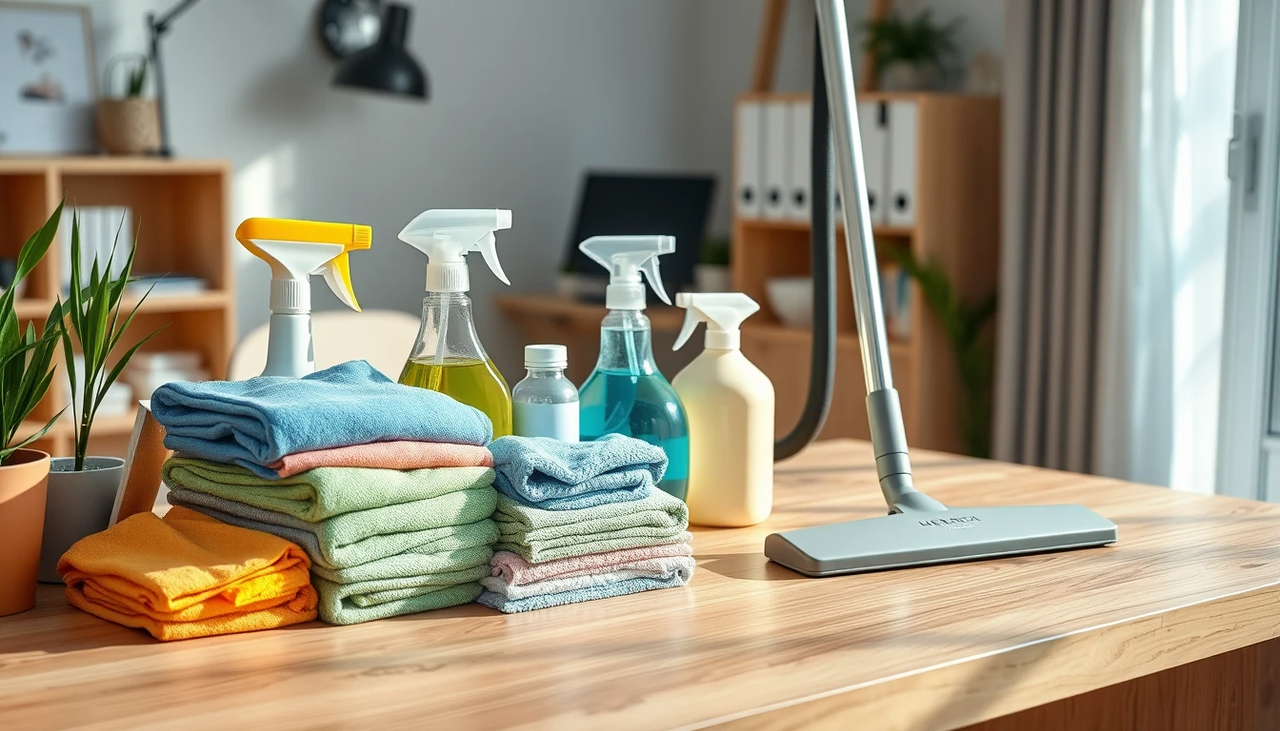
Purchase basic cleaning tools such as microfiber cloths, vacuum cleaners, disinfectants, and glass cleaners. Consider buying in bulk from wholesale suppliers to save money.
6. Market Your Services
Start by offering services to friends and family for referrals. Create an online presence through social media or a simple website showcasing your services and customer testimonials. Use local advertising like flyers or community boards to reach more clients.
7. Set Pricing
Research competitors in your area to determine competitive rates. Most residential cleaning services charge $20–$50 per hour per worker.
8. Deliver Quality Service
Focus on providing excellent service to build a loyal client base and earn positive reviews. Happy customers are likely to recommend your business to others.
9. Plan for Growth
As your client base grows, consider hiring additional staff or expanding into specialized services like carpet or window cleaning. Keep track of finances with proper bookkeeping to reinvest profits into the business.
What are the first steps to take when starting a small cleaning business from home
When starting a small cleaning business from home, the first steps are crucial for setting up a successful venture. Here are the key initial steps to consider:
1. Research and Plan
Market Research: Understand your local market, including competition and potential clients. Identify your niche, such as residential or commercial cleaning.
Business Plan: Develop a comprehensive plan outlining your goals, target market, services, pricing, and financial projections. This will guide your business decisions and help secure funding if needed.
2. Define Your Services and Pricing
Services Offered: Decide on the types of cleaning services you will provide, such as general cleaning, deep cleaning, or specialized services like eco-friendly or window cleaning.
Pricing Structure: Calculate your costs and set competitive prices based on the size of the space, level of cleaning required, and additional services offered.
3. Register Your Business
Business Name: Choose a unique and memorable name for your business.
Licenses and Insurance: Register your business and obtain necessary licenses and insurance to operate legally and protect against liabilities.
4. Purchase Essential Supplies and Equipment
Cleaning Supplies: Invest in basic cleaning tools like mops, vacuum cleaners, microfiber cloths, and cleaning solutions.
Equipment: Depending on your services, you may need specialized equipment like carpet cleaners or steam cleaners.
5. Test Your Services
Initial Jobs: Start by offering services to friends or family to test your operations and refine your processes. By following these initial steps, you can lay a solid foundation for your small cleaning business and set yourself up for success.
How can I market my cleaning business effectively
Marketing a cleaning business effectively involves a combination of digital strategies, local outreach, and targeted promotions. Here are some key strategies to help you market your cleaning business successfully:
1. Establish a Strong Online Presence
Website Creation: Build a professional website that showcases your services, pricing, and customer testimonials. Use website builders like Wix to create a visually appealing site.
SEO Optimization: Ensure your website is SEO-optimized to improve visibility on search engines. Use relevant keywords related to your services and location.
Local SEO: List your business on local directories and review sites to enhance visibility in local searches.
2. Leverage Social Media
Engage with Audience: Use platforms like Facebook and Instagram to share high-quality images and updates about your services. Engage with potential clients by responding to comments and messages.
Targeted Advertising: Run targeted ads on social media to reach specific demographics and interests.
3. Content Marketing
Blogging: Start a blog to share cleaning tips and showcase your expertise. This helps attract potential clients and establishes your authority in the industry.
Video Content: Create short videos demonstrating your cleaning techniques to engage audiences and build trust.
4. Email Marketing
Newsletters and Offers: Develop email campaigns to keep clients informed about new services, promotions, and cleaning tips. Use compelling CTAs to encourage bookings.
5. Promotions and Partnerships
Special Offers: Create limited-time discounts or promotions to attract new clients and encourage repeat business.
Partnerships: Collaborate with local businesses or real estate agents to offer bundled services or referrals.
6. Referral Programs
Incentivize Referrals: Implement a referral program that rewards existing clients for bringing in new customers. This can be through discounts or free services.
7. Local Outreach
Community Events: Participate in local events or sponsor community clean-up initiatives to build brand awareness and establish your business as a community supporter.
Print Media: Distribute flyers or brochures in local areas to reach potential clients who may not be active online.
By implementing these strategies, you can effectively market your cleaning business and attract a steady stream of clients.
What are the main expenses I should budget for when starting a cleaning business
When starting a cleaning business, it's essential to budget for several key expenses to ensure a successful launch and ongoing operations. Here are the main expenses to consider:
1. Equipment and Supplies
Cleaning Tools: Vacuums, mops, brooms, dusting supplies, and cleaning solutions. Costs can range from $300 to $600 for basic equipment.
Specialized Equipment: Depending on your niche, you might need more advanced tools like floor buffers or pressure washers, which can increase costs up to $10,000 or more for larger operations.
2. Licenses and Permits
Business Registration: Costs vary by location but typically range from $30 for a Sole Proprietorship to $100-$500 for an LLC.
Licenses and Permits: These can add another $75 to $500 depending on local regulations.
3. Insurance
Liability Insurance: Essential for protecting against accidents or property damage. Costs vary based on coverage and location.
4. Marketing and Advertising
Online and Print Media: Budget $100 to $200 for initial marketing efforts, including social media advertising and flyers.
Digital Tools: Consider investing in software for managing bookings and invoices, which can be a small but essential cost.
5. Vehicle and Transportation
Vehicle Costs: If you plan to travel to clients, consider the cost of a vehicle or transportation expenses.
Fuel and Maintenance: Ongoing costs for vehicle upkeep and fuel.
6. Labor Costs (If Hiring Employees)
Employee Wages: Plan for hourly wages, typically around $15 per hour or more, depending on your location and the number of employees.
7. Miscellaneous Costs
Office Expenses: Basic office supplies and utilities if you have a dedicated workspace.
Software and Technology: Tools for managing schedules, invoicing, and customer communication.
By budgeting for these expenses, you can ensure your cleaning business is well-equipped to succeed from the start.
Do I need any special certifications to start a cleaning business
Starting a cleaning business typically does not require special certifications to begin operations, but obtaining certain certifications can enhance your credibility, compliance with regulations, and marketability. Here are some certifications and licenses that might be relevant or beneficial:
Certifications and Licenses to Consider:
Occupational Health and Safety (OHS) Certifications: These ensure that your staff understands how to handle hazardous materials safely. Certifications like WHMIS (Workplace Hazardous Materials Information System) are important for safety compliance.
Commercial Cleaning Certifications: ISSA’s CIMS (Cleaning Industry Management Standard) certification is beneficial for commercial cleaning businesses, as it demonstrates operational excellence and adherence to industry standards.
Specialized Certifications: Depending on your services, you might need certifications like mould remediation (IICRC’s AMRT) or asbestos handling (Asbestos Abatement Worker certification).
Environmental Certifications: If your business involves using chemicals that impact the environment, EPA certifications may be necessary.
Insurance and Licenses: Ensure you have necessary business licenses, insurance (including liability and worker’s compensation if hiring employees), and any local permits required to operate legally.
Benefits of Certifications:
Enhanced Credibility: Certifications can increase trust with potential clients and differentiate your business from competitors.
Regulatory Compliance: Certain certifications ensure you meet safety and environmental standards, reducing legal risks.
Marketability: Specialized certifications can open doors to contracts with government agencies, healthcare facilities, or large corporations.
While not mandatory, obtaining relevant certifications can significantly boost your business's reputation and opportunities.
How can I differentiate my cleaning business from competitors
Differentiating your cleaning business from competitors is essential for attracting clients and building a strong brand. Here are effective strategies to stand out:
1. Develop a Unique Selling Proposition (USP)
Your USP is what makes your business distinct. Examples include:
Offering eco-friendly or chemical-free cleaning products.
Providing additional perks, such as leaving behind fresh flowers, handmade soaps, or a personalized thank-you note after each visit.
Specializing in niche services like late-night cleaning for shift workers or post-construction cleanup.
2. Offer Specialized Services
Expand beyond basic cleaning by offering niche or unique services, such as:
Gutter cleaning, vehicle detailing, or boat cleaning.
Move-in/move-out cleaning or disaster cleanup.
Seasonal services like holiday deep-cleaning packages.
3. Build a Strong Brand
Create a professional logo, consistent color scheme, and branded materials (uniforms, vehicles, flyers). A recognizable brand builds trust and makes your business memorable.
4. Emphasize Customer Experience
Focus on customer satisfaction by:
Messaging clients before, during, and after visits to keep them informed.
Offering loyalty rewards or free add-ons like cleaning an extra room or providing complimentary supplies.
5. Leverage Technology
Use tools like online booking systems to simplify scheduling for clients. Maintain an active Google Business Profile and encourage reviews to build credibility.
6. Focus on Local Marketing
Position yourself as the go-to neighborhood cleaning company by:
Participating in community events.
Sharing testimonials from local clients.
Targeting specific neighborhoods with flyers and local ads.
By combining these strategies, you can effectively differentiate your cleaning business and attract loyal customers.
Conclusion
Starting a small cleaning business from home can be a rewarding and profitable venture with the right approach. By focusing on key steps like market research, business planning, and effective marketing strategies, you can establish a strong foundation for your business. Differentiating your services through unique offerings and emphasizing customer satisfaction will help you stand out from competitors and build a loyal client base.
As you navigate the process of launching and growing your cleaning business, remember that ongoing learning and adaptation are crucial. Staying up-to-date with industry trends, expanding your services as needed, and continuously improving customer experience will ensure long-term success.
With dedication and a well-thought-out strategy, your small cleaning business can thrive, providing both financial stability and personal fulfillment. Whether you're targeting residential homes or commercial spaces, the demand for reliable cleaning services is consistent, offering a promising opportunity for entrepreneurs who are willing to put in the effort to build a reputable and customer-centric business.
FAQs
1. Q: What are the initial steps to start a cleaning business?
A: Begin by researching your market, creating a business plan, registering your business, and purchasing necessary equipment and supplies.
2. Q: Do I need any special certifications to start a cleaning business?
A: While not always required, certifications like OSHA or specialized cleaning certifications can enhance credibility and compliance with regulations.
3. Q: How do I differentiate my cleaning business from competitors?
A: Develop a unique selling proposition (USP), offer specialized services, and focus on excellent customer service to stand out.
4. Q: What are the main expenses when starting a cleaning business?
A: Key expenses include equipment, supplies, licenses, insurance, marketing, and potential labor costs if hiring employees.
5. Q: How can I effectively market my cleaning business?
A: Use a combination of online marketing (social media, website), local advertising (flyers, community events), and referral programs to reach potential clients.
6. Q: What kind of insurance do I need for a cleaning business?
A: Liability insurance is essential to protect against accidents or property damage. Consider additional coverage like worker’s compensation if you hire employees.
7. Q: How do I set prices for my cleaning services?
A: Research competitors, calculate your costs (equipment, supplies, time), and consider the level of service offered to set competitive and profitable prices.
8. Q: Can I start a cleaning business with no experience?
A: Yes, you can start a cleaning business with no experience. Focus on learning industry best practices, hiring experienced staff if needed, and providing excellent customer service.
9. Q: How do I manage client scheduling and bookings?
A: Use online booking systems or scheduling software to streamline client bookings and communicate effectively with clients.
10. Q: How can I ensure customer satisfaction and build a loyal client base?
A: Focus on delivering high-quality services, maintain open communication with clients, and offer incentives or loyalty programs to encourage repeat business and referrals.