Merchant Alternatives is reader-supported. When you make purchases through links on our site, we may earn a commission. This is always at no additional cost to you and helps us continue to provide accurate, transparent and up-to-date information on the things that matter most to your business, for free.
The senior transportation industry is driven by demographic trends, with Baby Boomers transitioning into retirement and requiring specialized services. Seniors often face challenges such as limited mobility, vision impairments, or difficulty driving, making transportation services vital for maintaining their independence and quality of life. Starting a senior transportation business involves careful planning, compliance with regulations, and a commitment to compassionate service. Below are the key steps to help you launch a successful senior transportation business:
1. Conduct Market Research
Understanding your target market is crucial. Research the demographics of seniors in your area, including their specific needs and preferences. Identify gaps in existing transportation services and analyze competitors to determine how your business can stand out. This research will guide your pricing strategy, service offerings, and marketing efforts.
2. Develop a Business Plan
A well-crafted business plan serves as the foundation for your venture. Include the following elements:
Business Objectives: Define your goals and vision.
Services Offered: Outline whether you’ll provide door-to-door service, wheelchair-accessible vehicles, or group transportation.
Pricing Strategy: Base your rates on local market conditions (e.g., $25–$60 per hour).
Marketing Plan: Identify strategies to reach seniors and their families, such as partnerships with senior centers or online advertising.
Financial Projections: Estimate startup costs (as low as $2,000) and revenue potential.
3. Obtain Licensing and Insurance
To operate legally:
Secure the necessary permits and licenses based on local regulations. Some states may require commercial driver’s licenses or ADA compliance certifications.
Ensure your vehicle insurance covers passenger transport and meets legal requirements.
4. Choose Suitable Vehicles
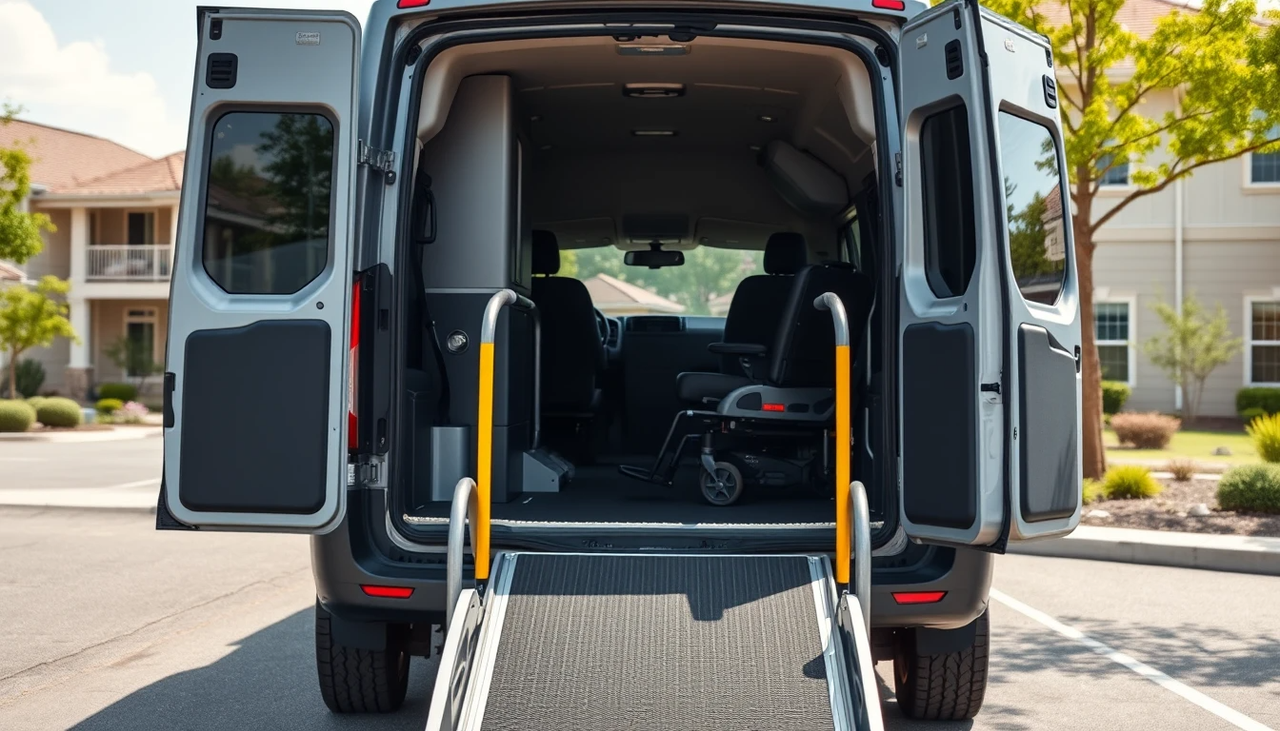
Invest in reliable vehicles equipped with accessibility features such as wheelchair lifts and safety restraints. Consider fuel efficiency, passenger comfort, and maintenance costs when selecting your fleet.
5. Build Your Team
Hire staff who are compassionate, organized, and skilled at assisting seniors. Provide training on safety protocols, effective communication with elderly passengers, and emergency response procedures.
6. Market Your Services
Focus your marketing efforts on reaching seniors and their caregivers:
Partner with senior centers, retirement communities, and healthcare providers.
Use free online classified ads or local directories to promote your services.
Create business cards and brochures tailored to your target demographic.
7. Expand Income Streams
Consider offering additional services such as grocery delivery or companionship during trips to increase revenue. Diversifying your offerings can help attract more clients while boosting profitability.
What are the key market gaps in senior transportation services
Key market gaps in senior transportation services highlight the challenges and unmet needs faced by older adults, particularly as they transition away from driving and seek reliable mobility options. Addressing these gaps presents opportunities for businesses and organizations to provide tailored solutions that enhance accessibility, affordability, and convenience.
Key Market Gaps
Limited Accessibility in Rural and Suburban Areas
A significant portion of seniors live in rural or suburban areas where public transportation infrastructure is sparse or nonexistent. This lack of accessible transit options forces many older adults to rely on private vehicles or face isolation.
Unmet Demand for Medical and Quality-of-Life Trips
Seniors often require transportation for recurring medical appointments (e.g., dialysis) and essential errands like grocery shopping or attending social events. These trips are frequently outside the service areas of public transit or occur during evening hours, which are underserved.
Insufficient Wheelchair-Accessible Options
Many transportation services fail to adequately accommodate seniors with mobility challenges or disabilities. For example, wheelchair-accessible vehicles are often scarce, leading to longer wait times and lower service success rates.
High Costs and Lack of Affordable Options
Transportation services tailored to seniors can be expensive, making them inaccessible to low-income older adults. This affordability gap limits mobility for many seniors who cannot afford private transport or specialized services.
Social Isolation Due to Lack of Transportation
Without dependable transportation, seniors risk becoming socially isolated, which can have severe health consequences comparable to smoking or obesity. Services that address this issue remain limited.
Lack of Awareness About Available Services
Many seniors are unaware of existing transportation options due to insufficient outreach and education efforts by providers. This disconnect prevents them from utilizing available resources effectively.
Inadequate Infrastructure
Poor infrastructure, such as a lack of bus shelters, benches, adequate lighting, and safe pedestrian crossings, further hinders seniors' ability to access public transit comfortably and safely.
Opportunities for Addressing Gaps
Businesses and organizations can explore innovative solutions such as:
Developing volunteer-based programs with liability insurance coverage.
Expanding evening and out-of-county transportation services.
Investing in wheelchair-accessible vehicles and technology-driven platforms like Mobility-as-a-Service (MaaS) for seamless trip planning.
Partnering with healthcare providers to coordinate medical transportation needs.
Enhancing outreach campaigns to educate seniors about available services.
By addressing these gaps, senior transportation providers can improve mobility, independence, and quality of life for older adults while tapping into a growing market demand.
How can I effectively market my senior transportation business
To effectively market your senior transportation business, consider the following strategies:
Understand Your Target Audience
Identify the specific needs and preferences of your elderly customers. Segment your audience based on factors such as mobility levels, health conditions, and lifestyle. This understanding will help you tailor your marketing messages and service offerings.
Develop a Strong Value Proposition
Create a compelling value proposition that highlights the unique benefits of your service. For example, emphasize safety, reliability, and personalized care. Your value proposition could be: "We provide safe, reliable, and affordable transportation for seniors who need regular medical or social trips, with trained drivers who understand elderly needs."
Utilize Multiple Marketing Channels
Online Marketing
Website: Develop a user-friendly, mobile-responsive website that showcases your services, provides information, and allows for online booking.
Social Media: Use platforms like Facebook to share valuable content, interact with your audience, and showcase your brand personality.
Content Marketing: Create blog posts, videos, or infographics that provide helpful information for seniors and their families.
Email Marketing: Build an email list and send regular newsletters with updates, tips, and special offers.
Offline Marketing
Flyers and Brochures: Distribute these at senior centers, retirement homes, hospitals, and pharmacies.
Word-of-Mouth: Encourage satisfied customers to refer your service to others.
Community Events: Participate in health fairs, senior expos, and community festivals to showcase your service.
Partnerships: Collaborate with healthcare providers, senior living communities, and local businesses that cater to seniors.
Highlight Your Unique Selling Points
Emphasize what sets your service apart, such as trained and vetted drivers, wheelchair-accessible vehicles, or flexible scheduling options.
Offer Competitive Pricing
Consider various pricing models, such as per-trip fees, hourly rates, or subscription services. Ensure your pricing is competitive while reflecting the quality of your service.
Leverage SEO and Local Search
Optimize your online presence to appear in searches relevant to elderly transport services. Claim your Google My Business listing to improve local search visibility.
Provide Exceptional Customer Service
Go the extra mile for your clients. Superior customer service will lead to positive word-of-mouth referrals, which are invaluable in this industry. By implementing these marketing strategies, you can effectively reach your target audience and build a strong reputation for your senior transportation business.
What are the best legal structures for a senior transportation business
Choosing the right legal structure for a senior transportation business is crucial as it impacts liability protection, tax obligations, and operational flexibility. Here are some of the best legal structures to consider:
1. Sole Proprietorship
Pros: Easy to establish, minimal paperwork, and straightforward tax filing.
Cons: Offers no liability protection, which means personal assets are at risk in case of business-related lawsuits.
2. Limited Liability Company (LLC)
Pros: Provides liability protection for personal assets, flexible ownership structure, and pass-through taxation.
Cons: More complex to set up compared to a sole proprietorship, with higher initial costs.
3. Partnership
Pros: Allows for shared ownership and decision-making, potentially easier to secure funding.
Cons: Partners are personally liable for business debts and decisions made by other partners.
4. Corporation
Pros: Offers strong liability protection and can attract investors more easily.
Cons: Double taxation (corporate and personal income taxes), more formal structure requirements.
Considerations for Senior Transportation Businesses
Liability Protection: Given the nature of transporting seniors, liability protection is crucial. An LLC or corporation might be preferable.
Tax Implications: Consider how different structures affect your tax obligations. For example, an LLC offers pass-through taxation, which can be more beneficial for small businesses.
Growth Potential: If you anticipate expanding your business, a structure like an LLC or corporation may provide more flexibility for adding new owners or investors.
Additional Steps
Consult with an Attorney: Seek legal advice to determine the best structure based on your specific situation and goals.
Register Your Business: Regardless of the structure, ensure you register your business with local and state authorities and obtain necessary licenses and permits.
Obtain an EIN: An Employer Identification Number (EIN) is required for tax purposes and to open a business bank account.
Ultimately, the choice of legal structure depends on your business goals, financial situation, and personal preferences. It's essential to weigh these factors carefully to ensure your senior transportation business is set up for success.
How do I determine the right pricing strategy for my senior transportation services
Determining the right pricing strategy for your senior transportation services involves several key considerations to ensure your rates are competitive, fair, and profitable. Here’s a step-by-step guide to help you set an effective pricing strategy:
1. Assess Your Costs
Calculate all your operational costs, including:
Vehicle Maintenance: Fuel, repairs, and insurance.
Labor Costs: Driver salaries, training, and benefits.
Overhead: Office expenses, marketing, and administrative costs.
Regulatory Compliance: Licensing fees and compliance costs.
2. Understand Market Demand and Competition
Market Research: Identify the demand for senior transportation services in your area and assess the competition. This will help you understand what prices are acceptable to your target market.
Competitor Analysis: Research what existing providers are charging for similar services to ensure your pricing is competitive.
3. Consider Pricing Models
Mileage-Based Pricing: Charge per mile traveled.
Hourly Rates: Charge based on the duration of the trip.
Flat Rates: Offer fixed prices for specific routes or services.
Subscription Models: Offer discounts for frequent users or regular bookings.
4. Evaluate Customer Needs and Preferences
Affordability: Ensure your pricing is accessible to seniors, who often have fixed incomes.
Value Perception: Highlight the quality of service, safety features, and convenience to justify higher prices if necessary.
5. Set Pricing Objectives
Decide whether your primary goal is to maximize profits, penetrate the market quickly, or maintain customer loyalty. Your pricing strategy should align with these objectives.
6. Monitor and Adjust
Regularly review your pricing strategy based on customer feedback, market changes, and operational costs. Be prepared to adjust your pricing as needed to maintain competitiveness and profitability.
Example Pricing Structure
Base Rate: $20 per trip (e.g., to a local doctor’s appointment).
Mileage Fee: $1.50 per mile for longer trips.
Hourly Rate: $40 per hour for extended services (e.g., shopping trips).
Subscription Discount: 10% off for monthly bookings of four or more trips. By following these steps, you can develop a pricing strategy that balances profitability with customer affordability and satisfaction.
What are the essential supplies needed to run a senior transportation business
To run a successful senior transportation business, you'll need a combination of essential supplies and equipment. Here's a list of key items to consider:
1. Vehicles
Accessible Vehicles: Invest in vehicles equipped with features like wheelchair ramps, securement systems, and ample space for mobility aids.
Vehicle Maintenance Tools: Regularly inspect and maintain your fleet with tools for oil changes, tire checks, and other routine maintenance tasks.
2. Office Supplies
Basic Office Materials: Include paper, pens, staplers, and other standard office supplies for administrative tasks.
Computers and Software: Use computers for scheduling, billing, and customer management. Invest in software that streamlines operations, such as scheduling and dispatch tools.
3. Communication Devices
Cell Phones: Essential for communicating with clients and drivers. Consider using apps for scheduling and billing.
Two-Way Radios: Useful for real-time communication between drivers and dispatchers.
4. Safety and First Aid Equipment
First Aid Kits: Ensure each vehicle is equipped with a basic first aid kit containing items like bandages, antiseptic wipes, and gloves.
Safety Equipment: Include reflective vests, fire extinguishers, and emergency roadside kits.
5. Marketing Materials
Business Cards: Distribute these to potential clients and partners.
Brochures: Highlight your services and unique features.
Vehicle Signage: Use vehicle wraps or magnets to promote your business while on the road.
6. Technology and Software
GPS Tracking Devices: Enhance safety and efficiency with real-time tracking of vehicles.
Scheduling and Dispatch Software: Tools like RouteMatch can help optimize routes and manage bookings efficiently.
7. Insurance and Permits
Liability Insurance: Essential for protecting your business in case of accidents.
Business Licenses: Obtain necessary permits and licenses to operate legally in your area.
By ensuring you have these essential supplies and equipment, you can provide reliable and safe transportation services to seniors while maintaining operational efficiency.
Conclusion
Starting and running a senior transportation business is a rewarding venture that not only provides essential services to older adults but also contributes positively to the community. By understanding the key market gaps, developing effective marketing strategies, choosing the right legal structure, setting a fair pricing strategy, and acquiring necessary supplies, you can establish a successful and sustainable business.
As the demand for senior transportation services continues to grow, entrepreneurs have a unique opportunity to make a meaningful impact while building a profitable enterprise. It's crucial to remain adaptable and responsive to the evolving needs of your clients, ensuring that your services remain accessible, reliable, and compassionate.
By focusing on quality, safety, and customer satisfaction, you can differentiate your business and build a strong reputation in the industry. This dedication to excellence will not only drive business success but also enhance the lives of seniors by providing them with the independence and mobility they deserve.
FAQs
1. What are the primary challenges faced by senior transportation businesses?
Answer: Key challenges include ensuring safety, managing liability, maintaining affordability, and navigating regulatory requirements. Additionally, addressing the unique needs of seniors, such as mobility issues and medical conditions, is crucial.
2. How do I market my senior transportation services effectively?
Answer: Effective marketing involves using a mix of online platforms (e.g., social media, website), offline strategies (e.g., flyers at senior centers), and partnerships with healthcare providers. Highlighting your unique selling points, such as trained drivers and accessible vehicles, is also important.
3. What legal structure is best for a senior transportation business?
Answer: A Limited Liability Company (LLC) is often recommended due to its liability protection and flexibility in ownership structure. However, consulting with a legal advisor can help determine the best structure based on specific business needs.
4. How do I determine the right pricing for my services?
Answer: Pricing should be based on operational costs, market competition, and customer affordability. Consider offering different pricing models, such as per-mile or hourly rates, to cater to various client needs.
5. What kind of vehicles are best suited for senior transportation?
Answer: Vehicles should be wheelchair-accessible with features like ramps or lifts, and have ample space for mobility aids. Regular maintenance is crucial to ensure safety and reliability.
6. What insurance coverage is necessary for a senior transportation business?
Answer: Essential insurance includes liability coverage for accidents, comprehensive coverage for vehicle damage, and workers' compensation if you have employees. Consider additional coverage for specialized equipment like wheelchairs.
7. How can I ensure the safety of my passengers?
Answer: Safety measures include hiring trained and background-checked drivers, maintaining vehicles regularly, and implementing safety protocols such as securement systems for wheelchairs.
8. What kind of training should drivers receive?
Answer: Drivers should undergo training on handling mobility aids, assisting seniors with disabilities, and responding to medical emergencies. Regular refresher courses can enhance their skills and confidence.
9. How can I manage scheduling and dispatch efficiently?
Answer: Utilize software designed for transportation management to streamline scheduling, dispatch, and billing processes. This technology can help optimize routes and reduce wait times.
10. What are some ways to differentiate my senior transportation business from competitors?
Answer: Differentiate your business by offering personalized services, flexible scheduling options, and a focus on customer satisfaction. Highlighting your commitment to safety, reliability, and compassion can also set you apart in the market.