Merchant Alternatives is reader-supported. When you make purchases through links on our site, we may earn a commission. This is always at no additional cost to you and helps us continue to provide accurate, transparent and up-to-date information on the things that matter most to your business, for free.
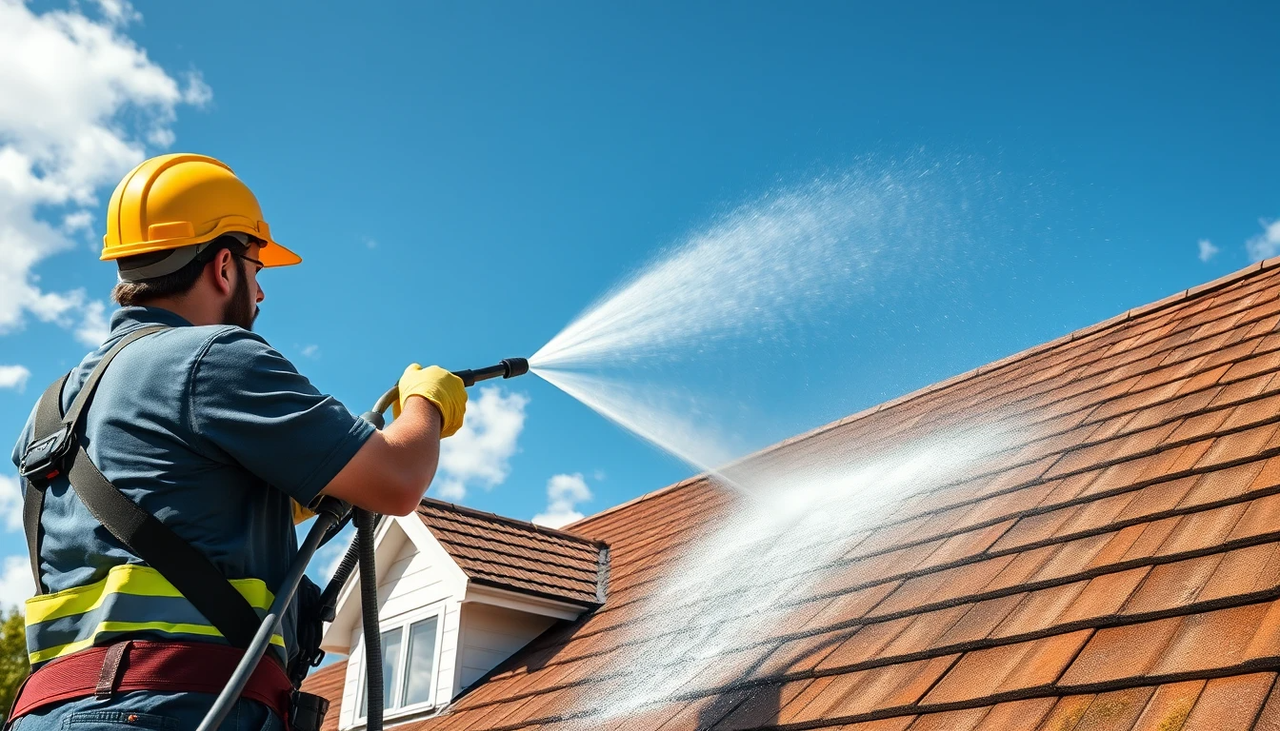
Roof cleaning is an essential service that helps homeowners and businesses maintain the integrity and appearance of their properties. Over time, roofs accumulate dirt, algae, moss, and debris, which can lead to structural damage, leaks, and reduced energy efficiency if left untreated. Professional roof cleaning not only enhances curb appeal but also extends the lifespan of roofs, making it a high-demand service. Starting a roof cleaning business offers several advantages:
High Demand: With more property owners seeking professional maintenance, there’s ample opportunity for growth.
Low Startup Costs: Compared to other businesses, initial investments in equipment and supplies are relatively affordable.
Flexibility: As your own boss, you can set your schedule and scale operations based on your goals.
Recurring Revenue: Satisfied customers often return for regular maintenance, ensuring consistent income.
Steps to Start Your Roof Cleaning Business
1. Create a Business Plan
A solid business plan is crucial for success. It should include:
Target market (residential or commercial clients).
Startup costs (equipment, insurance, marketing).
Pricing strategy and revenue projections.
Marketing and operational strategies.
2. Register Your Business
Choose a legal structure (sole proprietorship or LLC) and register your business with the appropriate authorities. Obtain any necessary permits and licenses required in your area.
3. Invest in Equipment
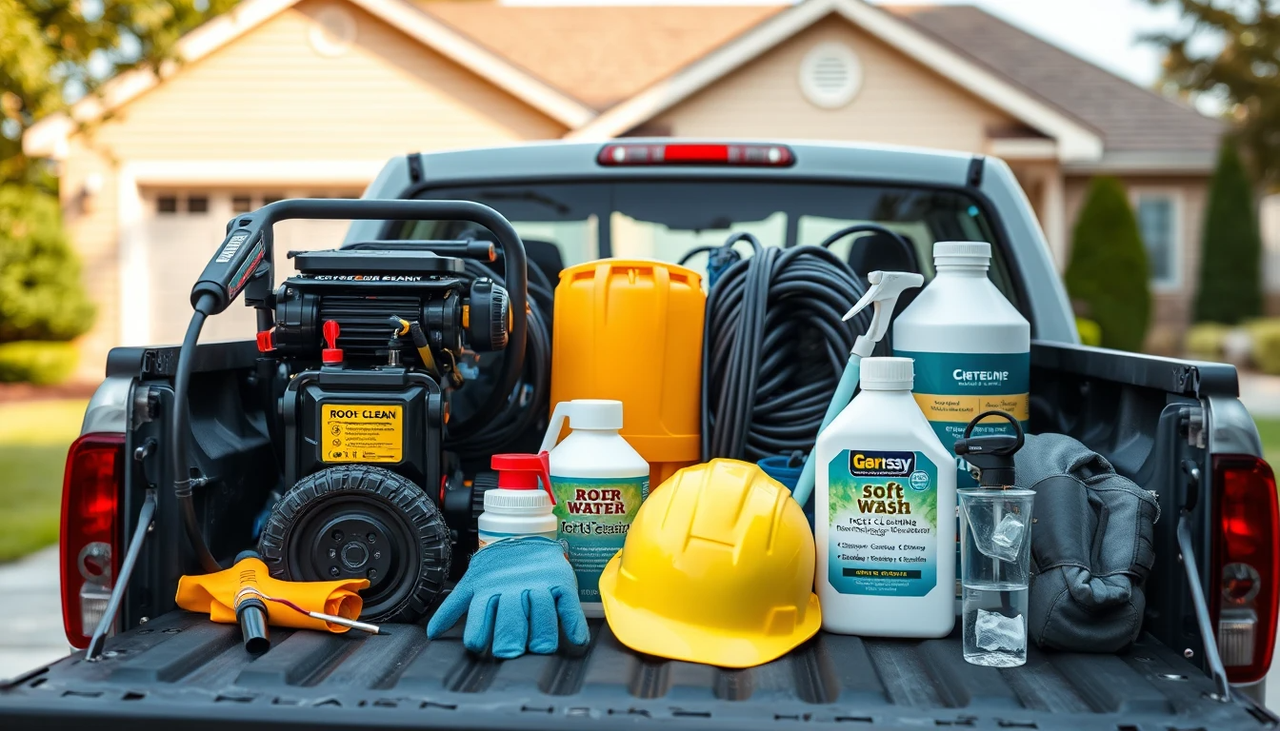
Purchase essential tools such as:
Pressure washers or soft wash systems.
Moss removal solutions and biodegradable detergents.
Safety gear (hard hats, gloves, respirators).
Ladders and extendable brushes.
4. Get Insurance
Roof cleaning involves risks like property damage or personal injury. Protect your business with public liability insurance and equipment coverage.
5. Market Your Services
Develop a marketing plan to attract clients:
Use digital marketing (social media, SEO) to reach online audiences.
Distribute flyers or advertise in local newspapers.
Build a professional website showcasing your services.
6. Build Customer Relationships
Provide excellent service to encourage repeat business and referrals. Offer discounts for first-time customers or loyalty programs to build a strong client base. By following these steps, you can establish a successful roof cleaning business that meets the needs of property owners while offering you financial independence and growth opportunities.
What are the initial start-up costs for a roof cleaning business
The initial start-up costs for a roof cleaning business typically range from $2,000 to $10,000, depending on the scale and equipment needed. Key expenses include:
Cleaning Equipment: Pressure washers or soft wash systems ($500–$3,000), cleaning solutions ($200–$500), and ladders/safety gear ($500–$1,000).
Vehicle: A truck or van for transporting equipment ($5,000–$20,000).
Marketing Materials: Website development, business cards, and social media advertising ($500–$2,000).
Insurance and Licenses: Public liability insurance and business permits ($500–$2,000).
Uniforms and Safety Gear: Optional but recommended ($0–$500).
These costs can vary based on whether you lease or purchase equipment and the level of marketing investment.
How can I effectively market my roof cleaning services
To effectively market your roof cleaning services, you can use a combination of digital and traditional strategies tailored to your target audience. Here are some actionable ideas:
Digital Marketing Strategies
Local SEO Optimize your website for local keywords like "roof cleaning near me" and create a Google Business Profile with accurate information and high-quality images of your work. This helps you appear in local search results and attract nearby customers.
Google Ads and PPC Campaigns Invest in pay-per-click advertising to target specific keywords related to roof cleaning services. Create engaging ads and landing pages to generate leads from people actively searching for roof cleaning solutions.
Social Media Marketing Use platforms like Facebook, Instagram, and TikTok to showcase before-and-after photos, videos of your cleaning process, and customer testimonials. Engage with your audience using hashtags like #roofcleaning and host giveaways or contests to boost visibility.
Content Marketing Publish blogs, videos, or tutorials on your website that provide tips on roof maintenance or highlight the benefits of professional cleaning. This positions you as an expert in the field and builds trust with potential customers.
Email Marketing Build an email list of past customers and prospects to share promotions, seasonal deals, or helpful tips about roof care. Personalized emails can encourage repeat business and referrals.
Traditional Marketing Strategies
Direct Mail Campaigns Send flyers or postcards to neighborhoods within your service area highlighting your services, special offers, and contact information.
Community Involvement Sponsor local events or partner with community organizations to increase brand awareness and showcase your commitment to the area.
Seasonal Promotions Offer discounts during peak seasons (e.g., spring or fall) when roof cleaning is most needed. Promote these deals through social media, email campaigns, or direct mail.
Brand Building
Develop a strong brand identity with consistent messaging across all platforms.
Use high-quality visuals in advertisements and marketing materials to showcase your professionalism.
By combining these strategies, you can effectively reach potential customers, generate leads, and establish a strong presence in the roof cleaning industry.
What insurance coverage is essential for a roof cleaning business
Essential insurance coverage for a roof cleaning business includes:
General Liability Insurance This covers common risks such as client property damage and injuries. It provides financial protection for legal expenses, medical costs, and property damage claims, ensuring your business is safeguarded against unforeseen accidents.
Workers’ Compensation Insurance If you have employees, this is a legal requirement. It covers medical expenses and lost wages for work-related injuries or illnesses, protecting both your employees and your business.
Business Owner’s Policy (BOP) A comprehensive package that combines general liability and commercial property insurance. It covers property damage, equipment, and liability risks, often at a discounted rate.
Specialist Roof Cleaning Insurance Roof cleaning involves unique risks, such as working at height. General cleaning insurance may not suffice, so specialized coverage is necessary to protect against accidents or damage during roof cleaning.
Janitorial Bonds These protect against employee dishonesty, such as theft of client property, and help build trust with customers.
Public Liability Insurance Essential for protecting your business in case of accidents or damage to third-party property while on the job.
Equipment and Vehicle Insurance Covers your tools, equipment, and work vehicles against theft, damage, or loss.
Having the right insurance not only ensures financial protection but also enhances client confidence and compliance with legal requirements.
How do I decide between registering as a sole trader or a limited company
Deciding between registering as a sole trader or a limited company for your roof cleaning business depends on your goals, financial situation, and the level of administrative responsibility you’re willing to take on. Here’s a breakdown of the key factors to consider:
Sole Trader
Advantages:
Simplicity: Easier and cheaper to set up, with less paperwork and administrative burden.
Tax Flexibility: You pay income tax on your profits, which can be simpler to manage initially.
Lower Costs: Fewer ongoing costs, such as accounting fees and administrative expenses.
Full Control: You retain complete control over your business decisions and operations.
Disadvantages:
Unlimited Liability: You’re personally responsible for any debts or legal claims against your business.
Tax Rates: Income tax rates (20–45%) can be higher compared to corporation tax for limited companies.
Limited Growth Potential: May be harder to secure funding or expand your business.
Limited Company
Advantages:
Limited Liability: Your personal assets are protected; only the company is liable for debts.
Tax Efficiency: Corporation tax is lower (19%) compared to income tax for sole traders.
Professional Image: Can enhance credibility with clients and suppliers.
Growth Opportunities: Easier to raise capital and attract investors.
Disadvantages:
Complexity: More administrative work, including detailed accounts and annual filings.
Higher Costs: Incorporation fees, accounting, and ongoing compliance costs.
Less Flexibility: More rigid structure and reporting requirements.
Key Considerations
Liability: If you’re concerned about personal financial risk, a limited company offers better protection.
Tax Efficiency: For higher profits, a limited company may be more tax-efficient due to lower corporation tax rates.
Administrative Burden: If you prefer simplicity and lower costs, a sole trader structure may be more suitable.
Growth Plans: If you plan to scale your business or hire employees, a limited company is often the better choice.
Ultimately, the decision depends on your specific circumstances. Consulting with an accountant or business advisor can help you make the best choice for your roof cleaning business.
What equipment do I need to start a roof cleaning business
To start a roof cleaning business, you’ll need the following essential equipment:
Soft Wash System A soft wash system is crucial for gently removing algae, mold, and mildew without damaging the roof. It uses low-pressure water combined with cleaning solutions to treat organic growth effectively.
Roof Tile Scraping Kits For tiled roofs, invest in a scraping kit with interchangeable blades and telescopic poles to remove moss and lichen safely from the ground.
Gutter Vacuum A wet and dry gutter vacuum is essential for cleaning gutters and downspouts after roof cleaning. Look for models with powerful suction, lightweight poles, and camera systems for precision.
Pressure Washer While soft washing is preferred for roofs, a pressure washer can be useful for other surfaces like driveways or patios. Opt for a reliable model with adjustable pressure settings.
Safety Gear Include safety equipment such as harnesses, hard hats, gloves, and non-slip shoes to ensure safe operations, especially when working at heights.
Ladders and Extendable Poles High-quality ladders and extendable poles are necessary for reaching roof areas safely. Ensure they are sturdy and meet safety standards.
Cleaning Solutions Use specialized roof cleaning chemicals that are effective yet safe for the environment and the roof material. Options include oxygen-powered or industrial-strength cleaners.
Additional Tools
Spray nozzles and hoses for rinsing
Plastic tarps and bags for protecting plants and collecting debris
PPE (respirators, goggles, gloves) for handling chemicals
Investing in the right equipment ensures efficiency, safety, and high-quality service, helping you build a reputable roof cleaning business.
Conclusion
Starting a roof cleaning business is a promising venture that combines high demand, low startup costs, and the potential for steady growth. By equipping yourself with the right tools, securing essential insurance, and implementing effective marketing strategies, you can establish a strong presence in the industry. Whether you choose to operate as a sole trader or a limited company, focusing on quality service, safety, and customer satisfaction will set you apart from competitors.
With dedication and strategic planning, your roof cleaning business can thrive, offering financial independence and the opportunity to make a tangible impact on your community by helping property owners maintain their homes and businesses. Take the first step today, and build a business that stands tall—just like the roofs you’ll be cleaning!
FAQs
1. What skills do I need to start a roof cleaning business?
Basic knowledge of roof types, cleaning techniques, and safety protocols is essential. Physical fitness, attention to detail, and customer service skills are also valuable.
2. How much can I charge for roof cleaning services?
Prices vary based on roof size, condition, and location. On average, roof cleaning costs range from $200 to $600 per job.
3. Do I need a license to start a roof cleaning business?
Licensing requirements vary by location. Check with your local government or business authority to determine if a license is needed.
4. What’s the difference between pressure washing and soft washing?
Pressure washing uses high-pressure water to clean surfaces, while soft washing uses low-pressure water combined with cleaning solutions. Soft washing is safer for roofs to avoid damage.
5. How do I find customers for my roof cleaning business?
Use digital marketing (SEO, social media), word-of-mouth referrals, and local advertising (flyers, community boards) to attract clients.
6. Is roof cleaning a seasonal business?
While demand peaks in spring and fall, roof cleaning can be a year-round business in areas with mild climates or persistent moss/algae growth.
7. How do I handle insurance claims or damage complaints?
Maintain proper insurance coverage and document all work with photos. Address complaints professionally and resolve issues promptly to maintain your reputation.
8. Can I start a roof cleaning business part-time?
Yes, many entrepreneurs start part-time while building their client base. As demand grows, you can transition to full-time operations.
9. What’s the best way to clean different roof types?
Use soft washing for asphalt shingles, tile, and metal roofs. Avoid high-pressure methods, which can damage delicate materials.
10. How do I ensure safety while working on roofs?
Use proper safety gear (harnesses, non-slip shoes), inspect ladders and equipment regularly, and avoid working in adverse weather conditions. Training in fall protection is also recommended.