Written byMerchant Alternatives | February 25, 2025
Merchant Alternatives is reader-supported. When you make purchases through links on our site, we may earn a commission. This is always at no additional cost to you and helps us continue to provide accurate, transparent and up-to-date information on the things that matter most to your business, for free.
Starting a retail business can be both exciting and challenging. It requires careful planning, strategic decision-making, and a deep understanding of the market you wish to enter. Whether you're opening a brick-and-mortar store or an online e-commerce platform, the process involves several key steps that help ensure your venture's success. From choosing the right niche to securing funding and managing operations, each stage is crucial in building a strong foundation for your business. In this guide, we will walk through the essential steps involved in starting a retail business. By following these guidelines, entrepreneurs can navigate the complexities of launching their own retail venture with confidence.
Steps to Start a Retail Business
1. Choose Your Niche
Identifying your niche is fundamental in defining what products or services you will offer and who your target audience is. Consider what you are passionate about selling and evaluate potential profitability by researching competitors.
Passion: Align your business with something you love.
Profitability: Ensure there's demand for your products.
Competitor Analysis: Learn from existing businesses.
2. Write a Business Plan
A comprehensive business plan outlines your company's mission, market analysis, financial projections, and operational strategies. It serves as both an internal roadmap for decision-making and an external document for securing funding.
Business Structure: Define how you'll organize legally (e.g., LLC or sole proprietorship).
Market Research: Understand consumer needs.
Financial Projections: Estimate startup costs and revenue growth.
3. Register Your Business
Choose an appropriate legal structure (e.g., LLC or corporation) based on tax implications and liability protection. Register with relevant state agencies or Companies House if applicable.
4. Secure Licenses & Permits
Obtain necessary licenses specific to your industry (e.g., seller’s license) to comply with local regulations.
5. Find & Design Your Location
Select a location that aligns well with customer traffic patterns if opening physically. Design an inviting store layout that encourages purchases by strategically placing products along buying paths.
6. Establish Supplier Relationships
Build relationships with reliable suppliers to maintain consistent inventory levels.
7. Hire Staff
Recruit staff who prioritize excellent customer service; train them thoroughly on sales techniques and product knowledge.
8. Implement Technology Systems
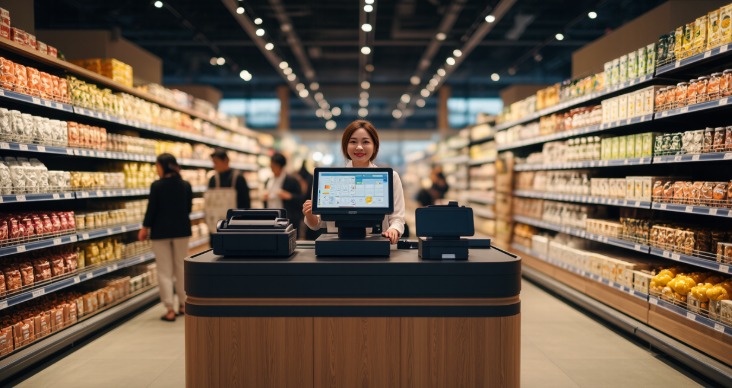
Use efficient checkout systems like mobile POS devices for seamless transactions. Adopt inventory management software to track stock levels accurately.
9.Market Your Store
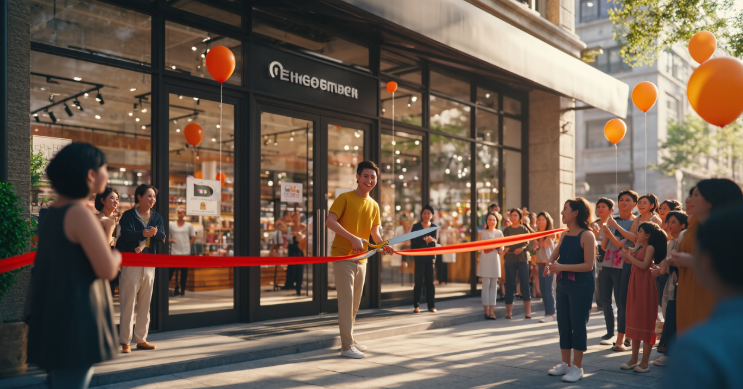
Develop marketing strategies such as social media campaigns or grand opening events to attract initial customers.
What are the most common mistakes new retail business owners make
New retail business owners often encounter several common mistakes that can hinder their success. Here are some of the most prevalent errors and how to avoid them:
1. Insufficient Market Research
Mistake: Failing to conduct thorough market research leads to poor understanding of target audiences, competitors, and industry trends.
Solution: Conduct comprehensive market analysis to ensure alignment with customer needs and preferences.
2. Underestimating Costs
Mistake: Not accounting for all expenses such as utilities, payroll, insurance, and marketing.
Solution: Create a detailed budget that includes all operational costs.
3. Poor Location Selection
Mistake: Choosing locations based solely on affordability rather than visibility and foot traffic.
Solution: Prioritize locations with high traffic volume even if they are more expensive.
4. Ignoring Inventory Management
Mistake: Overstocking or understocking products due to ineffective inventory management systems.
Mistake: Failing to differentiate your business from competitors through unique offerings or experiences.
Solution: Develop a strong USP that attracts customers by offering something distinct.
6. Neglecting Customer Service
Mistake: Underemphasizing the importance of excellent customer service in retaining customers.
Solution: Train staff thoroughly on providing superior service experiences.
7. Overlooking Marketing Strategies
Not utilizing effective marketing strategies such as social media or local advertising can lead to low visibility.
-Solution: Develop a solid marketing plan focusing on organic growth alongside paid advertising methods like PPC when necessary.
How can I effectively market my new retail business
Effectively marketing a new retail business involves implementing a combination of strategies that enhance visibility, engage customers, and drive sales. Here are some key marketing strategies to consider:
1. Omni-Channel Approach
Implement an omni-channel strategy to provide a seamless shopping experience across all platforms—online, in-store, and mobile. This ensures consistency in branding and customer interaction.
2. Personalized Experiences
Offer personalized experiences through tailored emails, push notifications, and product recommendations based on customer preferences and purchase history.
3. Loyalty Programs & Exclusive Deals
Develop loyalty programs with rewards such as points systems or exclusive discounts to retain customers and encourage repeat purchases.
4. Influencer Collaborations
Partner with influencers who align with your brand values to reach new audiences through social media endorsements.
5. Email Marketing
Use targeted email campaigns to keep customers informed about promotions, new products, and events while maintaining brand engagement.
6. Interactive In-Store Experiences
Create engaging in-store experiences using interactive displays or events like photo booths or product launches to attract visitors.
7. Visual Merchandising & Store Presentation
Design visually appealing store layouts that highlight products effectively and create an inviting atmosphere for shoppers.
8. Social Media Engagement
Utilize social media platforms for targeted advertising and community building by sharing engaging content related to your products or services.
Example Implementation
For instance, if you're opening a clothing store:
Use Instagram for influencer partnerships.
Offer personalized styling advice via email newsletters.
By integrating these strategies into your marketing plan, you can effectively promote your retail business while fostering strong customer relationships. Additional Tips:
Conduct regular customer surveys to understand preferences better.
Develop compelling messaging that highlights unique selling points (USPs).
Optimize pricing strategies based on market conditions.
Leverage digital channels like Google Shopping campaigns for broader reach.
These tactics will help ensure your retail business stands out in the competitive market while driving growth through increased sales and customer loyalty.
What are the best strategies for choosing a retail location
Choosing the right retail location is crucial for the success of your business. Here are some of the best strategies to consider when selecting a retail site:
1. Understand Your Target Market
Demographics: Analyze age, income, lifestyle, and preferences to ensure alignment with your target audience.
Market Analysis: Evaluate local consumer behavior and purchasing habits.
2. Assess Accessibility and Foot Traffic
Location Visibility: Opt for locations with high foot traffic near main roads or public transport hubs.
Accessibility: Ensure easy access by car, foot, or public transport.
3. Evaluate Competition and Market Saturation
Assess competitor density to avoid saturated markets while considering complementary businesses that can drive mutual traffic.
4. Use Location Intelligence Tools
Leverage GIS mapping systems and data analytics software to streamline site selection by analyzing demographics, competition, and market trends.
5. Consider Economic Conditions
Evaluate local economic conditions such as average rents and vacancy rates to ensure sustainability in the chosen area.
Example Implementation
For instance, if you're opening a boutique clothing store:
Choose a location in an upscale neighborhood with high foot traffic.
Use data analytics tools like GIS mapping to assess demographics.
Position near complementary businesses like coffee shops or beauty salons.
By implementing these strategies effectively, you can select a retail location that maximizes visibility, accessibility, and profitability. Additional Tips:
Conduct thorough market research before making decisions.
Consider zoning laws to avoid legal complications.
Align your store's layout with customer preferences for an engaging experience.
These considerations will help ensure that your chosen location supports long-term business growth while aligning well with both customer needs and broader business goals.
How do I create an attractive store layout
Creating an attractive store layout involves several key principles and strategies that enhance customer experience, encourage exploration, and drive sales. Here are some essential tips to help you design an appealing retail space:
1. Define Your Target Audience
Understand Demographics: Tailor your store design to appeal specifically to your target audience based on age, gender, or lifestyle.
Customize Elements: Incorporate elements that resonate with your target group’s interests or preferences.
2. Optimize Physical Layout
Easy Navigation: Use a floor plan that is easy for customers to navigate, guiding them through the store effectively.
Strategic Product Placement: Position high-demand products in areas with high foot traffic while using less trafficked areas for promotions or new items.
3. Incorporate Visual Merchandising
Creative Displays: Use mannequins, display cases, and creative product arrangements to make products stand out.
Window Displays: Design engaging window displays that capture attention from passersby.
4. Appeal to Multiple Senses
Engage customers by incorporating sensory experiences such as interactive stations (for touch), scents (for smell), music (for hearing), refreshments (for taste).
5. Implement Key Store Layout Principles
Branding
Ensure consistent branding throughout the store.
Functionality
Design a functional layout with clear signage and logical flow.
Lighting & Color
Use lighting and color schemes that enhance ambiance and highlight products effectively.
Example Implementation
For instance, if you're designing a boutique clothing store:
Use mannequins dressed in trendy outfits near the entrance.
Incorporate interactive elements like fitting rooms with mirrors where customers can take photos.
Ensure easy navigation by organizing sections logically.
By implementing these strategies effectively, you can create an attractive store layout that enhances customer engagement and drives sales. Additional Tips:
Regularly update your layout to keep it fresh and interesting for repeat customers.
Consider incorporating technology such as digital signage or mobile checkout systems for efficiency.
Conduct customer feedback sessions to refine your design based on user insights.
What are the key components of a successful business plan for a retail business
A successful business plan for a retail business includes several key components that guide the development and growth of your venture. Here are the essential elements to consider:
1. Executive Summary
Overview: A concise introduction to your retail business, highlighting its unique value proposition, mission, and core objectives.
Key Components: Include details about products/services offered, target market, location, and financial projections.
2. Business Analysis
Description: Outline the legal structure (e.g., LLC or sole proprietorship), location specifics (physical or online), and operational framework.
Market Research: Conduct thorough analysis of competitors and target customers to identify market gaps.
3. Marketing Strategy
Target Market Segmentation: Identify specific customer segments based on demographics like age or income.
Promotional Tactics: Detail marketing channels such as social media advertising or in-store promotions.
4. Products and Services
Describe the types of products or services you will offer.
Outline supply chain logistics for sourcing goods efficiently.
5. Management Plan
Define organizational structure including staffing needs and management style.
Detail employee roles, responsibilities, training programs.
6. Financial Plan
Estimate startup costs including inventory purchases and equipment expenses.
Develop financial projections such as cash flow statements and break-even analyses to assess profitability over time.
Example Implementation
For instance, if you're opening a boutique clothing store:
Executive Summary: Highlight unique fashion offerings targeting young professionals with an emphasis on sustainability.
Business Analysis: Focus on competitive pricing strategies within upscale neighborhoods with high foot traffic.
By incorporating these components into your retail business plan effectively—entrepreneurs can create a comprehensive roadmap that guides their venture towards success while navigating challenges proactively. Additional Tips:
Regularly review your plan to adapt it according to changing market conditions or customer preferences.
Use data analytics tools for more accurate forecasting in financial planning sections.
Conclusion
Starting and running a successful retail business requires careful planning, strategic decision-making, and ongoing adaptability. From choosing the right location to crafting an effective marketing strategy and designing an appealing store layout, each element plays a crucial role in driving customer engagement and sales.
By understanding common pitfalls such as insufficient market research or poor inventory management, entrepreneurs can proactively avoid these mistakes. Implementing key components of a business plan—such as executive summaries, market analysis, financial projections—helps guide growth while navigating challenges effectively.
Ultimately, success in retail hinges on creating memorable customer experiences through personalized interactions and innovative store designs. By staying informed about industry trends and continuously refining strategies based on customer feedback—retailers can position themselves for long-term success in today's competitive marketplace!
FAQs
Q: What is the first step in starting a retail business? A: The first step is to conduct thorough market research to identify your niche and understand your target audience.
Q: How do I choose the right location for my retail store? A: Choose a location with high foot traffic, accessibility, and proximity to complementary businesses that align with your target market.
Q: What are some common mistakes new retail business owners make? A: Common mistakes include insufficient market research, poor inventory management, and neglecting customer service.
Q: How can I effectively market my new retail business? A: Use an omni-channel approach including social media marketing, influencer partnerships, email campaigns, and in-store promotions.
Q: What makes an attractive store layout? A: An attractive layout includes easy navigation, strategic product placement, engaging visual displays, and sensory experiences that enhance customer interaction.
Q: How do I create a successful business plan for my retail venture? A: Include key components such as executive summaries, market analysis, marketing strategies, financial projections to guide growth while navigating challenges effectively.
Q: Why is inventory management important in retail businesses? A: Effective inventory management ensures you have enough stock on hand without overstocking or understocking products—helping maintain profitability by minimizing waste or missed sales opportunities.