


Starting a residential cleaning business can be a lucrative venture, especially as the demand for cleaning services continues to grow. Many homeowners seek professional help to maintain their living spaces, providing a steady stream of potential clients. This guide will outline the essential steps to establish your own residential cleaning business, ensuring you are well-prepared to meet the needs of your customers while building a successful enterprise.
Before diving into the logistics of starting your cleaning business, it's crucial to understand the market landscape. Residential cleaning services cater to a diverse clientele, from busy professionals and families to elderly individuals who may require assistance with household chores. Identifying your target market will help shape your service offerings and pricing strategy.
A solid business plan acts as your roadmap. It should include:
Decide on a legal structure for your business, such as a sole proprietorship, LLC, or corporation. Each structure has different implications for liability and taxes, so consider consulting with a business advisor to choose the best option for your needs.
Once you have chosen a structure, register your business with the appropriate state authorities. This step may involve obtaining necessary licenses and permits depending on your location.
Establish a separate business bank account to manage finances efficiently. Create a budget that includes startup costs such as cleaning supplies, equipment, marketing expenses, and insurance. Consider how you will charge clients—options include hourly rates or flat fees based on square footage.
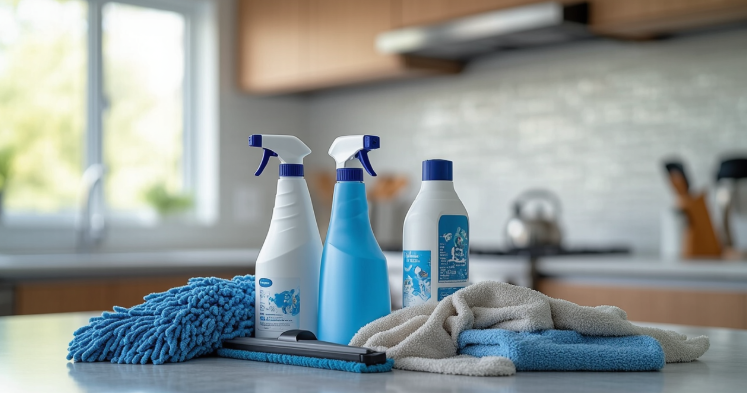
Invest in essential cleaning supplies and equipment tailored to the services you offer. Basic items include:
Develop an effective marketing strategy to reach potential clients. Utilize online platforms like social media and Google My Business to increase visibility. Encourage satisfied customers to leave reviews and refer friends.
Initially, consider doing the cleaning yourself to minimize costs and gain firsthand experience in managing client expectations and service quality. As demand grows, you can hire additional staff to help manage the workload.
Providing exceptional service is key to building a loyal customer base. Communicate clearly with clients about their needs and preferences, and always strive for high-quality results.
By following these steps and maintaining a commitment to quality service, you can successfully launch and grow your residential cleaning business in today’s competitive market.
The first steps to take when starting a residential cleaning business involve careful planning, legal compliance, and preparation. Here's a concise guide based on expert recommendations:
By following these steps, you can establish a solid foundation for your residential cleaning business while minimizing risks and maximizing growth potential.
Creating an effective business plan for your cleaning business is crucial for outlining your goals, strategies, and operational plans. Here are the essential components to include in your business plan:
By incorporating these elements into your business plan, you will create a comprehensive document that not only guides your operations but also enhances your credibility with potential investors or lenders. Regularly reviewing and updating this plan will help ensure it remains relevant as your business grows and market conditions change.
To effectively market a new cleaning business, consider implementing the following strategies that have proven successful in attracting clients and building brand awareness:
Understanding your target market is crucial. Analyze demographics and psychographics to tailor your services to specific client needs. For instance, families may prioritize eco-friendly cleaning, while busy professionals might seek convenience and reliability.
Create a professional, user-friendly website optimized for search engines (SEO). Ensure it includes essential information such as services offered, pricing, and contact details. A well-designed website can significantly enhance visibility and attract potential clients searching for cleaning services online.
Focus on local SEO strategies by incorporating relevant keywords into your website content. Listing your business on online directories like Google My Business can help improve local search rankings. Encourage satisfied customers to leave positive reviews, which can enhance your credibility and attract new clients.
Engage with potential clients through social media platforms like Facebook and Instagram. Share before-and-after photos of your work, customer testimonials, and cleaning tips to build a following. Social media advertising can also target specific demographics in your area.
Develop an email marketing strategy to nurture relationships with existing clients and reach out to potential leads. Send newsletters with valuable content, special offers, and reminders for recurring services. Personalized emails can significantly increase engagement rates.
Attract first-time customers by offering introductory discounts or bundle deals for multiple services. Promotional offers can incentivize potential clients to try your services and encourage repeat business if they are satisfied with the results.
Consider using pay-per-click (PPC) advertising through platforms like Google Ads or social media ads. These ads can effectively target local customers actively searching for cleaning services, increasing your visibility quickly.
Participate in community events or local business fairs to promote your services directly to potential clients. Building relationships within the community can lead to referrals and increased brand recognition.
Use visual content to demonstrate the quality of your services. Before-and-after photos or video demonstrations of your cleaning processes can be compelling marketing tools that showcase your expertise.
Ensure consistent service quality by implementing quality control measures and training staff effectively. Satisfied customers are more likely to recommend your services and leave positive reviews, which are essential for building trust in a competitive market.
By combining these strategies, you can create a comprehensive marketing plan that enhances visibility, attracts new clients, and builds a strong reputation for your cleaning business in the community.
Determining the pricing for your cleaning services involves several key steps to ensure that your rates are competitive while also covering your costs and generating a profit. Here’s a comprehensive approach to help you set effective prices:
By following these steps, you can establish a pricing strategy that not only attracts clients but also ensures profitability for your cleaning business. Regularly reviewing your pricing strategy will help you remain competitive in the market while meeting your financial goals.
Funding a new cleaning business can be approached through various methods, each with its own advantages and considerations. Here are some of the best ways to secure financing for your cleaning business:
Using personal savings is often the simplest and most straightforward method to fund your business. This approach avoids debt and interest payments, allowing you to maintain full control over your business. However, it requires careful financial planning to ensure you have enough reserves for both personal and business needs.
A business line of credit allows you to borrow funds up to a certain limit and only pay interest on what you use. This option is useful for managing cash flow or covering unexpected expenses during busy seasons.
Since cleaning businesses often require specialized equipment, equipment financing allows you to borrow money specifically for purchasing tools and machinery. The equipment itself serves as collateral, making this a viable option for acquiring necessary assets without high upfront costs.
Platforms like Kickstarter or Indiegogo enable you to raise funds from small investors or supporters in exchange for rewards or future services. This method can also serve as a marketing tool to gauge interest in your services.
Angel investors provide capital in exchange for equity in your business. They often bring valuable experience and mentorship along with their investment, which can help accelerate your growth.
P2P lending platforms connect borrowers with individual lenders willing to fund their business needs. This option can offer more flexible terms than traditional banks and is often quicker to access.
Personal loans from family or friends can provide quick access to funds without the formalities of traditional financing. However, it’s essential to establish clear repayment terms to avoid straining personal relationships.
Using a business credit card can help manage smaller expenses like supplies or marketing costs while building your business credit history. However, it’s crucial to pay off balances promptly to avoid high-interest charges.
Look for grants specifically designed for small businesses or cleaning services. While competitive, these funds do not require repayment and can significantly ease financial burdens during startup phases.
By exploring these funding options, you can find the right mix of financing that aligns with your business goals and financial situation, ensuring a solid foundation for your cleaning business's success.
Starting a residential cleaning business can be a rewarding and profitable venture, especially in today’s fast-paced world where many individuals and families seek professional help to maintain their homes. By carefully planning your business, understanding your market, and implementing effective marketing strategies, you can establish a strong foundation for success.
Determining the right pricing and securing adequate funding are crucial steps that will support your growth and sustainability. Whether you choose to leverage personal savings, seek small business loans, or explore alternative funding options, being proactive and strategic in your approach will ultimately set you apart from competitors.
As you embark on this journey, remember that customer satisfaction is key. Providing high-quality services and building strong relationships with your clients will lead to repeat business and referrals, further enhancing your reputation in the community. With dedication, hard work, and a clear vision, you can turn your cleaning business into a thriving enterprise that meets the needs of your clients while achieving your personal and financial goals.
You can offer a variety of services, including regular housekeeping, deep cleaning, move-in/move-out cleaning, carpet cleaning, window washing, and specialized services like post-construction cleaning or eco-friendly cleaning options.
Pricing can be determined by calculating your costs (labor, supplies, overhead), researching competitor rates in your area, and choosing a pricing model (hourly rates, flat fees, or per room/square foot). Ensure your prices reflect the value of your services while remaining competitive.
Yes, most regions require a business license to operate legally. Check with your local government for specific licensing requirements and regulations for cleaning services in your area.
You can find clients through various methods, including online marketing (social media and SEO), local advertising (flyers and community boards), word-of-mouth referrals, networking within your community, and using online platforms like Google My Business.
Basic equipment includes vacuum cleaners, mops, buckets, microfiber cloths, all-purpose cleaners, disinfectants, and protective gear. The specific items may vary based on the services you offer.
Starting solo can help minimize costs and provide hands-on experience. As your business grows and demand increases, consider hiring employees to manage larger workloads and expand your service offerings.
Implement quality control measures such as checklists for each job, regular training for employees, customer feedback surveys, and conducting periodic inspections to maintain high service standards.
Effective strategies include building a professional website, utilizing social media platforms, offering promotions or discounts for first-time clients, leveraging local SEO techniques, and encouraging satisfied customers to leave positive reviews.
You can differentiate your business by offering specialized services (e.g., eco-friendly options), exceptional customer service, flexible scheduling, loyalty programs for repeat clients, or unique marketing approaches that highlight your brand's values.
Common challenges include managing cash flow during slow periods, acquiring clients in a competitive market, maintaining consistent service quality as you grow, and navigating legal requirements such as licenses and insurance.