
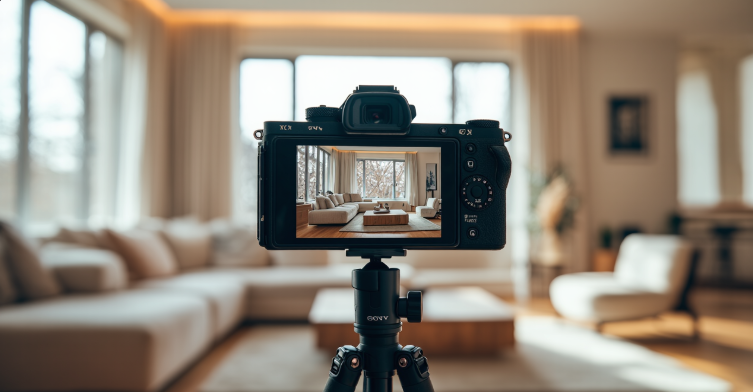

Starting a real estate photography business combines technical skill, strategic planning, and client-focused service. Below is a structured guide to launch and grow your venture, based on industry insights and expert advice.
Specialize in a niche: Focus on luxury homes, rental properties, or virtual staging to stand out in a competitive market.
Choose a business structure: Register as an LLC or sole proprietorship to protect personal assets and establish credibility. Obtain an EIN for tax compliance and open a dedicated business bank account.
Core tools:
Practice and refine: Shoot interiors/exterior of friends’ homes, public spaces, or Airbnb properties to hone skills.
Curate a portfolio: Highlight diverse properties (e.g., modern apartments, historic homes) and include before-and-after edits. Host it on a website with clear navigation and client testimonials.
Pricing models:
Insurance: Secure liability insurance and equipment coverage to mitigate risks.
Taxes: Register for state taxes and track expenses using accounting software (e.g., QuickBooks).
Contracts: Draft agreements outlining deliverables, payment terms, and copyright policies.
Online presence:
Efficiency tools: Use CRM software (e.g., ClickUp) to manage bookings, invoicing, and deadlines.
Communication: Provide same-day edits and transparent timelines to meet realtors’ urgent needs.
Feedback loops: Encourage reviews and adjust services based on client input.
Skill development: Attend workshops on lighting, composition, and editing trends.
Technology upgrades: Invest in HDR software or virtual staging tools to expand offerings.
Market expansion: Target commercial properties or luxury developments as your portfolio grows.
By combining technical expertise, strategic marketing, and client-centric service, you can establish a thriving real estate photography business. Prioritize adaptability and continuous learning to stay ahead in this dynamic industry.
To stand out in a competitive market, focus on targeted outreach, digital visibility, and client-centric strategies. Below are actionable tactics supported by industry insights and search results.
Platforms: Prioritize Instagram and Facebook for visual storytelling. Share before-and-after edits, twilight shots, or behind-the-scenes content to engage followers.
Hashtags: Use location-based tags (e.g., #RealEstatePhotographyNYC) and niche terms like #VirtualStaging or #LuxuryHomes.
Paid Ads: Run targeted ads on Facebook/Instagram or Google Ads with eye-catching visuals (e.g., drone footage) to reach realtors and homeowners.
Website: Showcase a portfolio with diverse properties (e.g., modern apartments, historic homes) and include pricing packages (e.g., basic shoots at $150–$300, premium bundles with virtual tours).
SEO Optimization: Use keywords like “real estate photography near me” to rank higher in local searches.
Google My Business: List your business, share photos, and encourage Google Reviews to boost credibility.
Attend Open Houses: Offer free photography sessions to agents during events and bring refreshments to build rapport.
Broker Office Visits: Present your services in person and offer discounts (e.g., 50% off first shoots) to secure referrals.
Collaborate on Content: Partner with agents to create virtual tours or property websites that highlight their listings.
Premium Add-Ons: Include virtual staging, floor plans, or twilight photography to differentiate your business.
Referral Discounts: Reward clients with 10% off their next shoot for referrals or gift cards to local restaurants.
Package Deals: Bundle services (e.g., aerial shots + virtual tours) at discounted rates to attract repeat clients.
Testimonials: Feature Google Reviews and video testimonials on your website and social media to build trust.
Case Studies: Share success stories (e.g., “How virtual staging sold a property in 3 days”) to showcase expertise.
Newsletters: Send monthly updates with tips (e.g., “How to Stage a Home for Photos”) or promotions to subscribers.
Blogs: Publish guides like “Why Professional Photography Sells Homes Faster” to position yourself as an industry authority.
Home Stagers/Contractors: Cross-promote services (e.g., “Book a photo shoot and get a staging discount”).
Real Estate Platforms: Become Zillow Certified or partner with PhotoUp for virtual staging tools to expand offerings.
By combining digital outreach, strategic partnerships, and client incentives, you can attract and retain clients in a competitive market. Focus on adaptability and continuous skill development (e.g., mastering HDR or drone photography) to stay ahead.
Crafting a pricing strategy for real estate photography requires balancing profitability, market competitiveness, and client value. Below are actionable steps and models to structure your rates effectively, based on industry insights and search results.
Analyze local rates: Compare pricing in your area. For example, photographers in high-cost cities like Los Angeles charge $318 on average, while smaller markets like Dallas average $212.
Identify gaps: Offer niche services (e.g., virtual staging, drone shots) or premium tiers to differentiate from competitors.
Factor in expenses:
Price=Labor Costs+Materials+Overhead+Profit Margin
Price=Labor Costs+Materials+Overhead+Profit Margin
Adjust margins based on property size (e.g., larger homes justify higher rates).
Package Pricing:
| Tier | Services | Price Range |
|---|---|---|
| Basic | 10–20 photos, standard editing | $150–$300 |
| Standard | 20–40 photos, virtual staging | $300–$600 |
| Premium | Full coverage + drone/aerial shots | $500–$1,000 |
Value-Based Pricing: Charge 10–20% above competitors if offering HDR editing, twilight photography, or luxury property expertise.
Track metrics: Use tools like Scheddio or Picsera to monitor client response to packages and adjust pricing quarterly.
Upsell strategically: Offer add-ons (e.g., floor plans, videography) to increase average revenue per client.
By aligning pricing with market demand, costs, and client value, you can build a sustainable and profitable real estate photography business. Focus on differentiation and flexibility to stand out in a competitive industry.
Real estate photography requires high-quality gear to capture professional-grade images that showcase properties effectively. Below are the core tools and equipment, based on industry standards and expert recommendations from search results.
Full-frame DSLR or mirrorless: Prioritize models like Canon EOS 5D Mark IV, Nikon Z6, or Sony a7 IV for high resolution, wide dynamic range, and low-light performance.
Budget options: Canon EOS SL3 or Sony a6400 for entry-level photographers6.
Key features:
Wide-angle lens: A 10–24mm (APS-C) or 16–35mm (full-frame) lens is critical for capturing spacious interiors and exteriors. Examples include Sony 16-35mm f/2.8 GM II or Canon EF-S 10-22mm.
Ultra-wide lenses: Use 10mm–14mm for tight spaces like bathrooms, but avoid distortion by aligning shots carefully.
Circular polarizer filter: Reduces reflections on floors and enhances sky tones.
Sturdy tripod: Essential for low-light shots and HDR bracketing. Look for adjustable height and a ballhead for smooth panning.
Gimbal: For smooth video footage, pair a DJI RS3 Mini with a camera like the Sony a7s III6.
Natural light: Prioritize shooting during golden hour or overcast days.
Artificial lighting: Use speedlites (e.g., Canon Speedlite 600EX II) or LED panels to fill shadows in poorly lit rooms.
Reflectors/diffusers: Soften harsh light and reduce glare.
Adobe Lightroom/Photoshop: Industry standards for batch editing, color correction, and HDR merging.
Virtual staging tools: Platforms like PhotoUp or BoxBrownie for adding furniture to empty spaces.
Drone: DJI Mini 4K or DJI Air 2S for aerial shots (requires FAA certification in the US).
Licensing: Ensure compliance with local drone regulations.
Remote trigger: Prevent camera shake during long exposures.
Memory cards: High-capacity cards for RAW files.
Carrying cases: Protect gear during transport.
| Category | Budget Option | Professional Option |
|---|---|---|
| Camera | Canon SL3 ($500) | Sony a7 IV ($2,500) |
| Lens | Canon EF-S 10-22mm ($250) | Sony 16-35mm f/2.8 GM II ($2,200) |
| Tripod | Basic ($50) | Pro-grade ($150) |
| Drone | DJI Mini 4K ($400) | DJI Air 2S ($1,000) |
By investing in these tools, you’ll deliver sharp, well-lit, and engaging visuals that attract clients and elevate property listings. Prioritize wide-angle lenses, stabilization, and editing software for foundational quality, and expand to drones or virtual staging as your business grows.
A compelling portfolio is critical for attracting clients and showcasing your expertise in real estate photography. Below are actionable strategies, supported by industry examples and search results, to craft a portfolio that stands out.
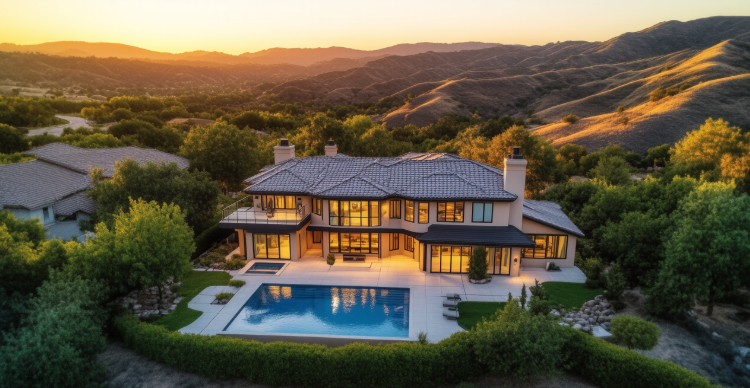
Prioritize variety: Include interiors, exteriors, twilight shots, and virtual staging to demonstrate versatility. For example, Relavix and London Property Photography feature grids showcasing diverse properties, from modern apartments to historic homes.
Highlight technical skills: Use HDR bracketing or drone shots (e.g., Clyde Digital) to emphasize expertise in lighting and composition.
Include before-and-after edits: Property Photos and Elevated Photos use comparisons to illustrate post-processing skills.
Use a clean, image-centric layout:
SEO keywords: Use terms like “real estate photography near me” or “luxury property photography” in page titles and meta descriptions.
Mobile-friendly design: Ensure galleries load quickly on smartphones (e.g., Zenfolio templates).
Sticky navigation: Keep menus visible while scrolling, as seen in NYC Property Photography.
Share behind-the-scenes content: Post Instagram Stories or Reels of shoots to engage followers (e.g., Toy Media).
Partner with realtors/stagers: Cross-promote services (e.g., Fortune Stagers) to expand your network.
Embed testimonials: Highlight client reviews (e.g., Relavix) to build credibility.
Add seasonal content: Include winter snow shots or holiday lighting to reflect market trends.
Track analytics: Use tools like Google Analytics to identify which galleries or services drive the most traffic.
Remove outdated work: Replace older images with fresh, high-quality shots to maintain consistency.
| Example | Key Features |
|---|---|
| Profoto Design | Hero slider, neutral color palette, base photo rates on inner pages. |
| Relavix | Booking wizard, FAQs, and Google Reviews embedded. |
| Matthew Heritage | Minimalist grids, focus on architectural details. |
| Flux Media | High-resolution exterior/interior shots, virtual staging samples. |
By combining visual storytelling, user-friendly design, and strategic updates, your portfolio will attract clients and position your business as a leader in real estate photography.
Networking is critical for building relationships and securing clients in real estate photography. Below are actionable strategies to connect effectively, based on industry insights and search results.
Social media groups: Engage in Facebook and LinkedIn groups for real estate professionals to share expertise and collaborate.
Local events: Attend open houses, real estate expos, and photography conferences to meet agents and showcase your work.
Follow up: Send personalized messages within 48 hours after events to nurture connections.
Post value-driven content: Share before-and-after edits, tips for staging homes, or market trends to position yourself as an authority.
Engage authentically: Comment on agents’ posts or share their listings to build rapport.
Use hashtags: Tag posts with #RealEstatePhotography or #LuxuryHomes to reach broader audiences.
Be helpful: Provide free consultations or discounted trial shoots to agents, emphasizing how your photos can sell properties faster.
Collaborate: Partner with home stagers or contractors to cross-promote services (e.g., “Book a shoot and get a staging discount”).
Share testimonials: Highlight client reviews (e.g., “Your photos helped us sell in 3 days”) to build trust.
Digital cards: Use apps like HiHello to share contact info seamlessly at events.
Note conversations: Jot details on cards (e.g., “Discussed virtual staging for luxury listings”) to personalize follow-ups.
Stay top of mind: Send occasional emails with market insights or portfolio updates.
Focus on their needs: Ask agents, “What challenges do you face with property listings?” to tailor your services.
Discuss trends: Engage in conversations about virtual staging or HDR photography to align with their goals.
Offer backup services: Reach out to established photographers and propose handling overflow work during peak seasons.
Learn from mentors: Join photography workshops or real estate expos to gain insights from industry leaders.
By combining targeted outreach, mutual value, and consistent follow-ups, you’ll build a network of loyal clients and partners in real estate photography.
Building a successful real estate photography business hinges on technical skill, strategic networking, and client-centric service. By investing in high-quality equipment, curating a strong portfolio, and leveraging partnerships with real estate agents, you can differentiate your brand and attract loyal clients.
Key takeaways:
With persistence and a focus on value-driven relationships, your business can thrive in this competitive yet rewarding industry.
Answer: Prioritize a full-frame DSLR/mirrorless camera, wide-angle lens (e.g., 10–24mm), tripod, and editing software like Adobe Lightroom. For premium services, add a drone (requires FAA certification in the US) or virtual staging tools.
Answer: Calculate costs (equipment, time, overhead) and research local competitors. Use packages (e.g., $150–$300 for basic shoots) or value-based pricing for niche services like twilight photography.
Answer: Attend open houses, share before-and-after edits on social media, and offer discounted trial shoots to build trust. Partner with home stagers or contractors for cross-promotion.
Answer: Curate diverse properties (interiors, exteriors, virtual staging) and showcase HDR shots or drone footage. Use a clean website with galleries and client testimonials.
Answer: No sector-specific license is required, but check local rules for drone permits (e.g., FAA Part 107 in the US) or business registration (e.g., LLC for tax compliance).
Answer: Lighting mastery—natural or artificial—to balance bright windows and dark interiors. Use HDR bracketing or LED panels to enhance results.
Answer: Attend industry events, engage in LinkedIn groups, and offer free consultations to highlight how your photos can sell properties faster.
Answer: Adobe Lightroom/Photoshop for HDR merging, color correction, and virtual staging. Use PhotoUp or BoxBrownie for furniture insertion in empty rooms.
Answer: Offer niche services (e.g., luxury property photography, virtual tours) or premium add-ons like twilight shots. Highlight certifications (e.g., Zillow Certified) or client testimonials.
Answer: Encourage reviews via Google My Business or email surveys. Adjust services based on input (e.g., faster turnaround times) to build loyalty.