Written byMerchant Alternatives | February 25, 2025
Merchant Alternatives is reader-supported. When you make purchases through links on our site, we may earn a commission. This is always at no additional cost to you and helps us continue to provide accurate, transparent and up-to-date information on the things that matter most to your business, for free.
Starting a pool cleaning business can be an exciting and rewarding venture, especially for those who enjoy working outdoors and providing essential services to their community. With the increasing demand for pool maintenance, this industry offers numerous opportunities for growth and profitability. Whether you're looking to serve residential homeowners or commercial establishments like hotels and resorts, understanding the steps involved in launching a successful pool cleaning business is crucial. In this guide, we will walk you through the essential steps required to start your own thriving pool cleaning business. From developing a comprehensive business plan to acquiring necessary equipment and marketing your services effectively, we'll cover everything you need to know.
How To Start A Pool Cleaning Business: Essential Steps
1. Research and Planning
Identify Your Target Market: Determine whether your focus will be on residential or commercial clients.
Conduct Market Research: Analyze local competition, pricing strategies, and service offerings.
Develop a Comprehensive Business Plan: Outline target market strategies, financial projections, pricing structures, and unique selling propositions.
2. Gain Experience and Training
Acquire knowledge of pool maintenance techniques.
Understand equipment usage (e.g., vacuums) and chemical balancing.
3. Legal Requirements
Choose a Business Name: Ensure it's unique by using tools like Wix’s name generator.
Register Your Business: Decide on a structure (sole proprietorship vs LLC) based on legal advice.
Obtain Licenses: Secure necessary permits specific to your area's regulations.
4. Invest in Equipment
Essential items include:
Pool nets
Brushes
Vacuums
Testing kits
Cleaning chemicals Purchase quality equipment from reputable suppliers for durability.
5. Establish Brand Identity
Develop Professional Branding: Create logos that reflect professionalism.
Build Marketing Strategies:
Utilize online platforms (social media).
Leverage local directories.
Foster word-of-mouth referrals through exceptional service delivery.
6. Set Up Operations
Implement Scheduling Systems: Use software like ServiceTitan or Jobber for efficient management of appointments.
Establish Accounting Procedures:
Open a dedicated business bank account.
Use CRM tools for customer data management.
7. Price Services Effectively
Conduct Market Pricing Research:
Compare rates with competitors while ensuring profitability margins are maintained.
Offer Competitive Pricing Models (hourly vs flat rate).
8. Secure Insurance Coverage
Ensure protection against liabilities by obtaining appropriate insurance policies tailored for businesses in the pool cleaning industry.
What are the key legal requirements to start a pool cleaning business
Starting a pool cleaning business involves several key legal requirements to ensure compliance with local and state regulations. Here are the essential steps:
Key Legal Requirements
1. Business License
Obtain a general business license from your local government, which is typically required by most states and municipalities.
This license allows you to operate legally within your area.
2. Tax Identification Numbers
Secure a Federal Tax ID Number (EIN) from the IRS for tax purposes.
Also, obtain a State Tax ID Number if required by your state.
3. Special Permits
Depending on services offered, you may need additional permits:
Zoning Permit: Ensures compliance with local zoning regulations.
Signage Permit: Required for displaying business signs.
County or Local Permits: Vary based on specific activities like handling chemicals or servicing commercial pools.
4. Pool Maintenance Licenses (If Applicable)
If you perform repairs or install equipment, consider obtaining:
Pool Contractor License: Required in many states for construction-related work.
Technician Certification: May be necessary for commercial operations in some areas.
5. Insurance Coverage
Acquire Commercial General Liability Insurance to protect against accidents and property damage claims during operations.
Additional Considerations
Registering as an LLC can provide liability protection but involves additional paperwork and fees depending on your state's requirements.
Ensure compliance with environmental regulations regarding chemical use and waste disposal if applicable.
How can I effectively market my pool cleaning services
Effectively marketing your pool cleaning services involves a combination of digital, traditional, and strategic approaches to reach potential customers and build brand awareness. Here are some effective strategies to consider:
Digital Marketing Strategies
Social Media Marketing:
Utilize platforms like Facebook, Instagram, and LinkedIn.
Create engaging content such as tips for pool maintenance, before-and-after photos, and client testimonials.
Run targeted ads to increase visibility.
SEO (Search Engine Optimization):
Optimize your website with local keywords like "pool services near me" to improve search engine rankings.
Use Google Local Services Ads for enhanced visibility with a "Google Guaranteed" badge.
Email Marketing:
Build an email list of subscribers.
Send regular newsletters with promotions or educational content about pool care.
Content Creation:
Produce instructional videos on YouTube showcasing your expertise in pool maintenance.
Host webinars on relevant topics to establish authority in the industry.
Traditional Marketing Strategies
Print Materials:
Distribute flyers or brochures in targeted areas highlighting your services and promotions.
Outdoor Advertising:
Use vehicle wraps or yard signs at serviced homes to create visual awareness of your business.
Community Involvement:
Sponsor local events or participate in community activities to increase visibility and build trust among potential clients.
Strategic Partnerships
Collaborate with Real Estate Agents: Offer services to new homeowners through partnerships with real estate agents in your area.
Partner with Local Businesses: Cross-promote services with other businesses like pool supply companies.
Referral Programs: Implement referral incentives for both customers and partners (e.g., real estate agents).
Promotional Offers
Offer seasonal packages (e.g., opening/closing services) at discounted rates.
Provide free consultations or inspections as introductory offers.
By combining these strategies effectively based on market feedback and performance metrics (like website traffic), you can enhance brand recognition, attract more customers, and grow your business sustainably.
Additional Tips
Develop a unique selling proposition (USP) that highlights what sets you apart from competitors.
Engage in user-generated content campaigns by encouraging customers to share their experiences on social media platforms.
What equipment do I need to get started with a pool cleaning business
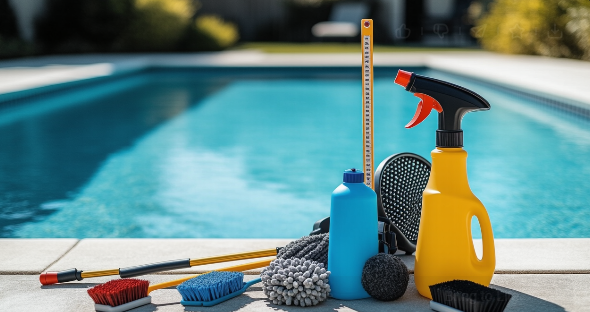
To get started with a pool cleaning business, you'll need a variety of essential equipment to ensure efficient and effective service delivery. Here's a list of the must-have tools:
Essential Pool Cleaning Equipment
Telescopic Pole:
A versatile tool that allows you to reach all areas of the pool.
Typically made from durable aluminum, it should be at least 16 feet long.
Skimmer Net (Leaf Skimmer):
Used for removing floating debris like leaves and insects from the surface.
Choose one with fine mesh for capturing small particles.
Pool Brush:
Essential for scrubbing walls, floors, and steps to prevent algae buildup.
For gunite pools, consider stainless steel brushes.
Pool Vacuum:
Removes dirt and debris from the bottom of the pool.
Available in manual or automatic versions depending on budget and preference.
pH Testing Kit:
Crucial for maintaining proper pH levels in pool water.
Helps ensure water clarity and safety by monitoring chemical balance.
Chemical Supplies:
Chlorine tablets or granules
Shock treatments
Algaecide
pH adjusters (acid/base)
Alkalinity adjusters These chemicals are necessary for regular maintenance tasks like sanitizing water and balancing chemical levels.
Safety Gear & Uniforms:
Branded uniforms
Non-slip waterproof shoes
Safety goggles (if handling chemicals)
Transportation & Storage Solutions: Consider investing in a vehicle suitable for transporting equipment safely.
Business Software: Utilize software like Jobber or ServiceTitan to manage scheduling, invoicing, and customer communication efficiently.
Additional Tips
Ensure all equipment is durable enough to withstand frequent use in various weather conditions.
Regularly inspect your tools to maintain efficiency and extend their lifespan.
Consider investing in robotic cleaners as an optional upgrade for more efficient cleaning services.
By acquiring these essential tools, you can provide comprehensive services that meet customer expectations while ensuring operational efficiency within your business model.
Budget Estimate
The initial investment can vary based on quality choices but typically ranges between $500-$1000+ depending on specific brands selected.
Conclusion
Starting a pool cleaning business requires careful planning, strategic execution, and ongoing commitment to quality service. By understanding the essential steps involved in launching your venture—such as developing a comprehensive business plan, acquiring necessary equipment, and implementing effective marketing strategies—you can set yourself up for success.
As you navigate the competitive landscape of pool maintenance services, remember that building strong relationships with clients through reliable service delivery is crucial for long-term growth. Continuously updating your skills to stay abreast of industry advancements will also help differentiate your business from competitors.
Whether you're targeting residential or commercial markets, focusing on customer satisfaction while maintaining high standards of professionalism will be key to establishing a reputable brand in the industry. With dedication and perseverance, your pool cleaning business can thrive and become an indispensable resource within your community.
FAQs
Q: What kind of licenses do I need to start a pool cleaning business? A: You typically need a general business license and possibly additional permits depending on your location and services offered.
Q: How much does it cost to start a pool cleaning business? A: Initial costs can range from $500-$1000+ for basic equipment, but may vary based on the quality of tools and marketing expenses.
Q: Do I need insurance for my pool cleaning business? A: Yes, liability insurance is important to protect against accidents or property damage during operations.
Q: What kind of equipment do I need for a pool cleaning business? A: Essential tools include telescopic poles, skimmer nets, brushes, vacuums, pH testing kits, and chemical supplies.
Q: How do I market my pool cleaning services effectively? A: Use digital platforms like social media and SEO optimization along with traditional methods such as flyers or community involvement.
Q: Can I operate a pool cleaning business as an individual or should it be registered as an LLC? A: Registering as an LLC provides liability protection but involves more paperwork; consult with legal advisors based on your specific situation.
Q: Do I need certifications or training in chemical handling for this type of work? A: While not always required by law, having knowledge about safe chemical handling practices is beneficial for maintaining customer safety and trust.
Q: How often should pools be cleaned professionally? A: Regular maintenance typically involves weekly cleanings during peak usage seasons (summer) but may vary depending on factors like weather conditions or heavy use scenarios.