Merchant Alternatives is reader-supported. When you make purchases through links on our site, we may earn a commission. This is always at no additional cost to you and helps us continue to provide accurate, transparent and up-to-date information on the things that matter most to your business, for free.
Starting a pet grooming business can be a rewarding venture for animal lovers who want to combine their passion for pets with entrepreneurial ambitions. The global pet grooming market is growing rapidly, making it an opportune time to enter this industry. Below is a comprehensive guide on how to get started.
The pet grooming industry offers a unique opportunity to turn your love for animals into a profitable business. With more people treating their pets as family members, the demand for professional grooming services continues to rise. Whether you choose to operate from a physical location, offer mobile services, or work from home, careful planning and preparation are key to success.
Steps to Start a Pet Grooming Business
Learn the Skills and Get Certified
Acquire essential grooming skills, such as understanding different breeds, providing trims, and recognizing skin conditions.
Consider enrolling in pet grooming courses or obtaining certification from recognized institutions to build credibility.
Create a Business Plan
Draft a detailed plan outlining your mission, target market, services offered, and financial projections.
Include your unique selling proposition (USP), such as mobile grooming services or specialty offerings like spa treatments for pets.
Choose Your Business Model
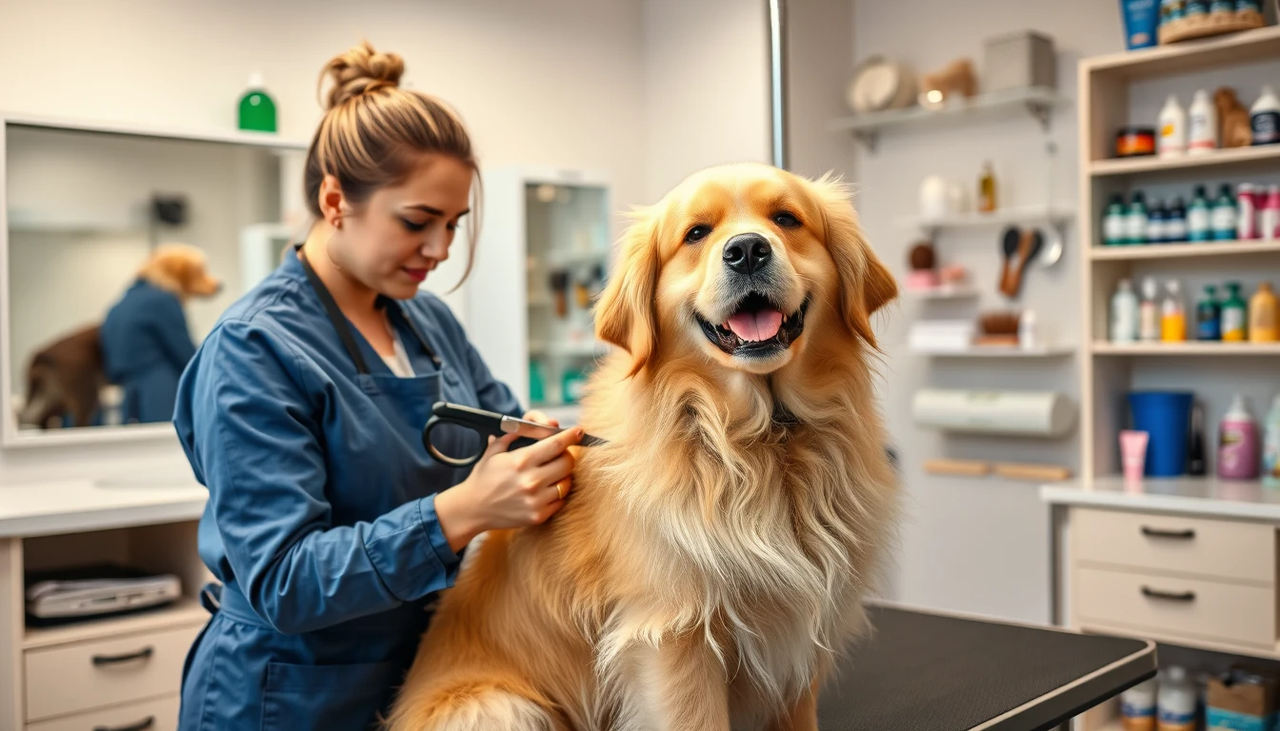
Decide whether to operate from a brick-and-mortar salon, provide mobile services, or work from home.
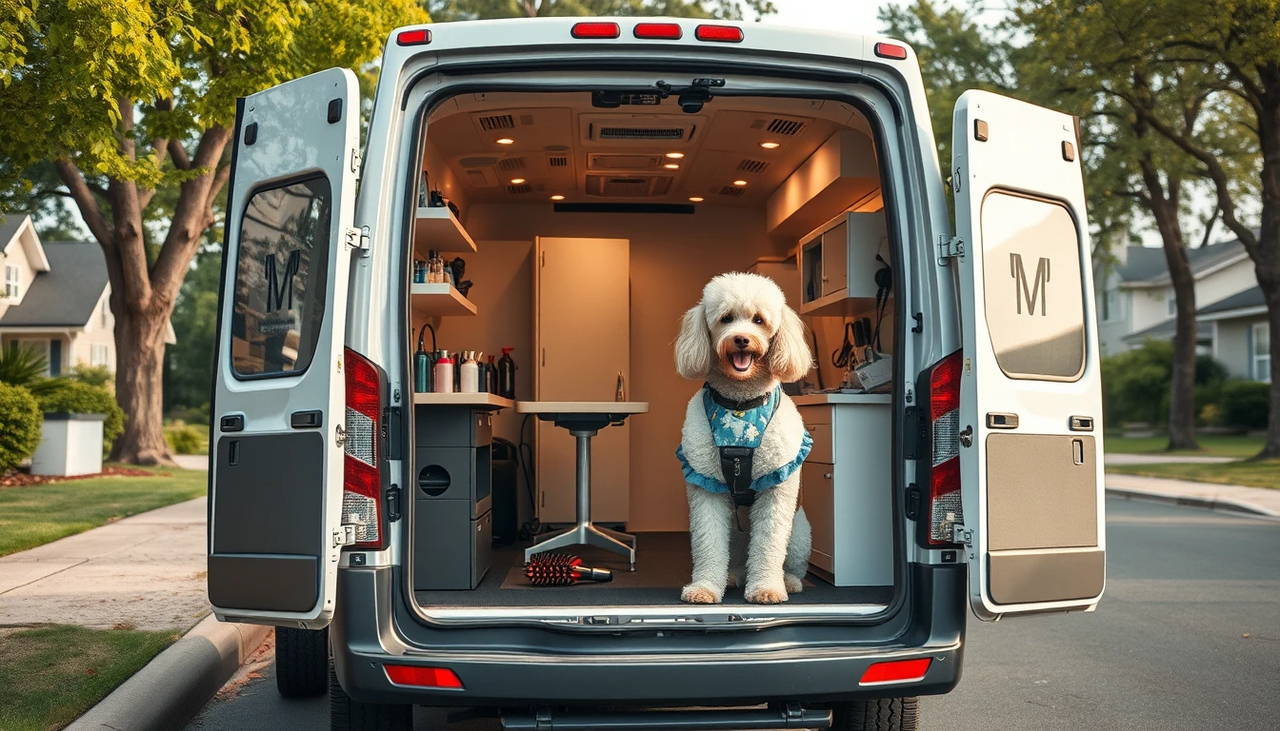
Each model has its pros and cons; for example, mobile grooming offers flexibility but requires investment in a van.
Register Your Business
Choose a business structure (e.g., sole proprietorship, LLC) that suits your needs.
Obtain necessary licenses and permits based on local regulations.
Purchase Equipment and Supplies
Invest in essential tools like grooming tables, clippers, dryers, brushes, and cleaning supplies.
Don’t forget accessories like bows or bandanas to add value to your services.
Set Up Your Space
If operating from a physical location, ensure it is pet-friendly with proper ventilation and safety measures.
For mobile businesses, equip your van with all necessary tools and ensure it meets hygiene standards.
Develop a Pricing Strategy
Research competitors in your area to set competitive yet profitable rates.
Offer packages or promotions to attract new clients.
Market Your Business
Use social media platforms, email campaigns, and local advertising to promote your services.
Build an online presence with a professional website showcasing your services and customer testimonials.
Provide Excellent Customer Service
Focus on creating a stress-free experience for pets and their owners.
Build strong relationships with clients by offering personalized care and follow-up services.
Track Finances and Operations
Use software tools to manage appointments, payments, and customer records efficiently.
Regularly review financial performance and adjust strategies as needed.
What are the initial startup costs for a pet grooming business
The initial startup costs for a pet grooming business can vary widely depending on the business model (mobile, home-based, or storefront), location, and scale of operations. Below is an overview of the typical expenses:
1. Equipment and Supplies
Grooming tools such as clippers, shears, dryers, grooming tables, and tubs: $5,000–$18,000.
Cleaning supplies and grooming products like shampoos, conditioners, and brushes: Included in the above range.
2. Business Setup Costs
Legal registration, permits, and licenses: $500–$2,000 depending on local requirements.
Insurance coverage: $1,000–$5,000 annually.
3. Location Costs
Home-based business: Minimal costs for space modifications.
Storefront: Rent can range from $2,500–$10,000 per month depending on size and location.
Mobile grooming: Vehicle outfitting and customization costs range from $10,000–$30,000.
4. Marketing and Branding
Website creation and online booking platforms: $1,000–$5,000.
Advertising campaigns (social media, local ads): $2,000–$10,000.
5. Training
Grooming courses or certifications: $500–$3,000 per person.
6. Employee Costs (if applicable)
Recruitment and training for staff: $2,000–$5,000 per employee.
7. Miscellaneous Costs
Inventory management software: $500–$2,000.
Utilities (electricity, water): Monthly costs vary based on location.
Estimated Total Startup Costs
Home-based business: $10,000–$20,000.
Mobile grooming business: $24,500–$92,000.
Storefront grooming business: Higher due to rent and utilities.
These figures are estimates and may vary based on your specific needs and location. Careful budgeting is essential to ensure a smooth launch of your pet grooming business.
How can I market my pet grooming business effectively
Effective marketing is essential for growing a pet grooming business and attracting loyal clients. Here are proven strategies to market your business successfully:
1. Build a Strong Online Presence
Professional Website: Create a user-friendly website with clear information about your services, pricing, and online booking options.
Search Engine Optimization (SEO): Optimize your website with keywords like "pet grooming services near me" to improve visibility on search engines.
Google My Business: Claim and update your Google My Business profile with accurate details, photos, and customer reviews to rank higher in local searches.
2. Utilize Social Media Platforms
Share before-and-after grooming photos, pet care tips, and behind-the-scenes content on Instagram, Facebook, and TikTok.
Use hashtags like #doggrooming or #petcare to reach a broader audience.
Engage followers through polls, Q&A sessions, live videos, and interactive posts.
3. Offer Promotions and Loyalty Programs
Provide discounts for first-time clients or seasonal promotions to attract new customers.
Implement loyalty programs where clients earn rewards after multiple visits.
Introduce referral programs that incentivize existing customers to recommend your services.
4. Leverage Client Testimonials and Reviews
Encourage happy clients to leave reviews on platforms like Google, Yelp, and social media.
Showcase positive testimonials on your website and marketing materials to build trust with potential customers.
5. Collaborate with Local Businesses
Partner with veterinarians, pet stores, or dog trainers for cross-promotions or package deals.
Participate in local pet events such as adoption drives or charity fundraisers to increase visibility in the community.
6. Invest in Email Marketing
Send newsletters featuring grooming tips, promotions, and updates on services.
Use automated reminders for upcoming appointments or follow-ups to reduce no-shows.
7. Focus on Exceptional Branding
Develop a memorable logo and cohesive branding across all platforms.
Offer branded merchandise like pet bandanas or grooming supplies to promote your business further.
8. Use Video Marketing
Post grooming tutorials, before-and-after videos, or live demonstrations of your services on YouTube or social media platforms.
Host live sessions to interact directly with pet owners and showcase expertise.
By combining these strategies—digital marketing, local collaborations, promotions, and exceptional customer service—you can effectively grow your pet grooming business while building lasting relationships with clients.
What are the most popular pet grooming services currently
The most popular pet grooming services in 2025 reflect evolving consumer preferences for convenience, sustainability, and personalized care. Below are the top trends shaping the industry:
1. Mobile & On-Demand Grooming Services
At-home grooming and app-based bookings dominate, offering convenience for busy pet owners and stress reduction for pets. Mobile vans equipped with advanced tools (e.g., AI-powered nail trimmers) cater to pets with mobility issues or anxiety.
2. Eco-Friendly & Sustainable Grooming
Organic shampoos, biodegradable wipes, and waterless grooming solutions are in high demand, aligning with pet owners’ environmental values. Recyclable packaging and cruelty-free products further enhance appeal.
3. Personalized & Luxury Spa Experiences
Breed-specific styling (e.g., Asian Fusion cuts) and customized skin/coat treatments address unique pet needs. Luxury spa services like aromatherapy baths, paw massages, and facials are rising, particularly in urban markets.
4. High-Tech Grooming Tools
AI-powered grooming machines and smart brushes with sensors for skin analysis are gaining traction, enhancing precision and safety. Automated nail trimmers reduce stress during grooming.
5. Subscription-Based & Package Services
Grooming packages (e.g., bundled baths, nail care, and brushing) and subscription models offer recurring revenue streams and customer loyalty incentives.
6. Advanced Grooming Techniques
Hand-stripping for wire-coated breeds and creative coloring with pet-safe dyes cater to owners seeking distinctive styles. Medicated baths and dental care address health-specific needs.
Market Growth Drivers
The global pet grooming services market is projected to grow at a 7.9% CAGR, reaching $11.47 billion by 2029. Key players like PetSmart, Petco, and Dogtopia are expanding mobile services and tech integration to meet demand. By focusing on these trends, businesses can differentiate themselves and capitalize on the industry’s upward trajectory.
How do I choose the right location for my pet grooming business
Choosing the right location for your pet grooming business is critical to its success. Here are the key factors to consider:
1. Target Market and Demographics
Select an area with a high density of pet owners, particularly neighborhoods with middle-to-high income levels, as these customers are more likely to invest in grooming services.
Conduct market research to identify areas with a growing pet population and limited competition.
2. Accessibility and Visibility
Choose a location that is easily accessible by car or public transport, with ample parking for clients.
High-visibility locations, such as those on busy streets or within shopping centers, can help attract walk-in customers.
3. Proximity to Complementary Businesses
Locate near pet-related businesses like veterinary clinics, pet stores, or dog parks to benefit from cross-promotion opportunities.
4. Space Requirements
Ensure the space is large enough to accommodate grooming stations, bathing areas, a reception area, and storage for supplies.
Consider the layout for efficiency and comfort for both pets and staff.
5. Zoning and Legal Compliance
Verify local zoning regulations to ensure the location is approved for operating a pet grooming business, especially for home-based or mobile setups.
6. Cost Considerations
Balance rental or purchase costs with potential profitability. Factor in utility expenses, renovation costs, and ongoing operational expenses.
Home-based businesses may reduce costs but can limit growth opportunities.
7. Competition Analysis
Avoid areas saturated with existing groomers unless you have a unique selling point or niche service to differentiate yourself.
By carefully evaluating these factors, you can select a location that aligns with your business goals and maximizes your chances of success.
What certifications are essential for a pet groomer
To become a professional pet groomer, obtaining certifications can enhance your skills, credibility, and career opportunities. Here are the most essential certifications for pet groomers:
1. National Certified Master Groomer (NCMG)
Offered by: National Dog Groomers Association of America (NDGAA)
Overview: This advanced certification is one of the most recognized in the industry. It requires passing written and practical exams covering breed-specific grooming techniques, safety protocols, and styling skills.
Eligibility: At least one year of grooming experience or completion of an approved training program.
Significance: Demonstrates mastery in grooming and increases employability and earning potential.
2. International Professional Groomers (IPG) Certification
Offered by: International Professional Groomers, Inc.
Overview: Includes various levels such as Certified Professional Groomer (CPG) and Certified Master Groomer (CMG). The program emphasizes safety, sanitation, breed identification, and advanced styling techniques.
Significance: Recognized globally, it validates your expertise in professional grooming practices.
3. National Cat Groomers Institute of America (NCGIA) Certification
Offered by: NCGIA
Overview: Focuses on feline grooming, covering topics like cat handling techniques, coat care, and breed-specific grooming.
Significance: Ideal for groomers specializing in cats or looking to expand their client base.
4. AKC S.A.F.E. Grooming Program
Offered by: American Kennel Club (AKC)
Overview: Emphasizes safe grooming practices through the “Safety in the Salon” course.
Significance: Highlights your commitment to safety and professionalism in grooming salons.
5. Certificate III in Animal Care Services (Pet Grooming)
Offered by: TAFE NSW (Australia)
Overview: A nationally accredited program that combines theory and practical skills in animal welfare, breed-specific grooming, and hygiene practices.
Significance: Provides a solid foundation for entering the pet grooming industry.
6. OSHA Safety Certificate
Offered by: Delaware Technical Community College and other institutions
Overview: Focuses on workplace safety standards relevant to pet grooming environments.
Significance: Ensures compliance with safety regulations and enhances workplace efficiency.
Additional Certifications:
Certified Pet Dog Trainer (CPDT) by CCPDT: Useful for groomers who also offer training services.
Professional Pet Stylists and Grooming Professionals (PPGP) Certificate: Focuses on advanced styling techniques.
These certifications not only demonstrate your expertise but also help you stay updated on industry trends and best practices, ensuring you provide high-quality services to pets and their owners.
Conclusion
Starting a pet grooming business requires careful planning, skill development, and strategic execution. By mastering grooming techniques, securing certifications, and selecting a prime location, you lay the groundwork for success. Effective marketing—through digital platforms, collaborations, and personalized services—helps attract and retain clients in a competitive market.
As the pet grooming industry continues to grow, driven by trends like eco-friendly practices, mobile services, and luxury spa experiences, businesses that adapt to evolving consumer demands will thrive. Whether you operate from a storefront, a mobile van, or a home-based setup, prioritizing pet safety, client satisfaction, and continuous learning ensures long-term profitability and a loyal customer base.
With dedication and the right strategies, your pet grooming business can become a trusted destination for pet owners, fostering a rewarding career that combines passion for animals with entrepreneurial success.
FAQs
1. What certifications are required to become a pet groomer?
While certifications aren’t legally mandatory, credentials like National Certified Master Groomer (NCMG) or Certified Professional Groomer (CPG) enhance credibility and skills. Check local regulations for licensing requirements.
2. How much does it cost to start a pet grooming business?
Startup costs vary by model:
Home-based: $10,000–$20,000
Mobile: $24,500–$92,000 (includes van customization)
Storefront: Higher due to rent and utilities.
3. What’s the most profitable pet grooming service?
Mobile grooming and luxury spa packages (e.g., aromatherapy baths, facials) are high-demand, high-margin services. Subscription models and bundled packages also boost profitability.
4. How do I market my pet grooming business effectively?
Focus on social media (before-and-after photos, tutorials), Google My Business for local SEO, and partnerships with veterinarians or pet stores. Offer discounts for first-time clients or referrals.
5. What’s the best location for a pet grooming business?
Prioritize areas with high pet ownership rates, proximity to pet-friendly businesses (e.g., dog parks, vet clinics), and easy accessibility. Avoid oversaturated markets unless you offer a niche service.
6. How do I handle difficult pets during grooming?
Use calm communication, reward-based training, and consult veterinarians for anxious or aggressive pets. Consider specialized certifications (e.g., NCGIA for cats) to improve handling skills.
7. What insurance do I need for a pet grooming business?
Liability insurance (covers accidents or injuries) and business insurance (protects equipment and property) are essential. Mobile groomers may need vehicle insurance.
8. How often should pets be groomed?
Frequency depends on breed and lifestyle:
Short-haired dogs: Every 6–8 weeks.
Long-haired breeds: Every 4–6 weeks.
Cats: Rarely need professional grooming unless matted or neglected.
9. Can I start a pet grooming business from home?
Yes, but check local zoning laws and ensure your space is safe, well-ventilated, and compliant with noise/odor regulations. Home-based setups reduce overhead costs.
10. How do I differentiate my business from competitors?
Offer unique services (e.g., eco-friendly grooming, AI-powered nail trimming), mobile convenience, or luxury add-ons like pet photography. Highlight certifications and client testimonials to build trust.