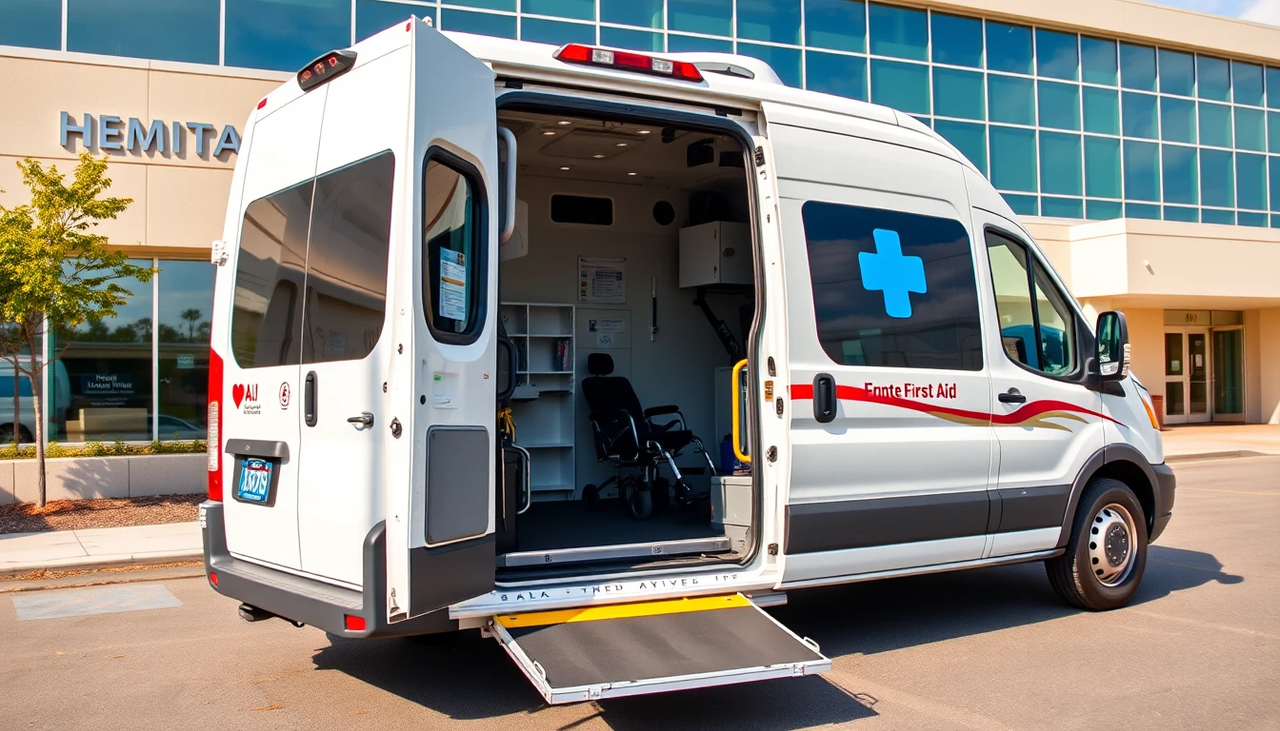
The demand for non-emergency medical transportation (NEMT) services has been steadily increasing due to factors such as an aging population and expanded healthcare access. Starting with one van offers a low-cost entry point, allowing entrepreneurs to test the waters before scaling. With proper planning, compliance, and marketing, a single-van business can grow into a profitable enterprise while making a meaningful impact on the community.
Steps to Start Your Medical Transportation Business
1. Conduct Market Research
- Analyze the demand for NEMT services in your area.
- Identify your target audience, such as elderly individuals or those with disabilities.
- Research competitors and their pricing models to find your unique selling proposition.
2. Develop a Business Plan
- Outline your goals, target market, and operational strategies.
- Include financial projections for expenses like vehicle costs, insurance, and marketing.
- Plan for scaling from one van to a larger fleet over time.
3. Obtain Licenses and Permits
- Register your business and obtain necessary permits.
- Ensure compliance with federal and state regulations for NEMT services.
- Acquire commercial driving licenses for yourself or your drivers.
4. Secure Funding
- Estimate startup costs, including vehicle purchase/modification, insurance, and marketing.
- Explore funding options like personal savings, small business loans, or grants.
5. Choose the Right Vehicle
- Select a van that meets safety standards and is wheelchair accessible if required.
- Equip it with necessary medical supplies like first aid kits or oxygen tanks.
6. Build Partnerships
- Network with healthcare providers, nursing homes, and social service agencies.
- Establish referral systems to ensure consistent client flow.
7. Create a Professional Image
- Develop a website showcasing your services and contact information.
- Use online booking systems for convenience.
- Invest in branding elements like logos and business cards.
8. Market Your Services
- Utilize local advertising channels such as social media or community boards.
- Offer promotions to attract initial clients.
- Highlight the reliability and safety of your services in all marketing efforts.
Advantages of Starting Small with One Van
- Low Initial Investment: Starting with one van reduces upfront costs compared to managing a fleet.
- Focus on Quality: A smaller operation allows you to refine processes and build strong customer relationships.
- Scalability: Once profitable, you can expand by adding more vehicles and staff.
By following these steps and maintaining high service standards, you can establish a successful medical transportation business that not only generates revenue but also provides essential support to your community.
What are the key legal requirements to start a medical transportation business
To start a medical transportation business, there are several key legal requirements you must meet to ensure compliance and operational legitimacy. Here’s a breakdown of the essential steps:
1. Obtain Necessary Licenses and Permits
- Business License: Register your business and obtain a general business license, which is required for all businesses, including NEMT services.
- Federal Tax Identification Number (FTIN): This is a unique identifier for your business and is essential for official documentation and tax filings.
- State-Specific Permits: Depending on your location, you may need additional permits. For example, Ohio requires licensing through the State Board of Emergency Medical Services, while San Diego mandates a County NEMT Permit.
2. Secure the Right Insurance
- Comprehensive Coverage: Obtain insurance to protect your business, vehicles, and passengers. This typically includes liability, vehicle, and workers' compensation insurance.
3. Comply with HIPAA Guidelines
- Patient Privacy: Ensure your business adheres to HIPAA regulations to protect the privacy and security of patient information.
4. Train Your Drivers
- Certifications: Drivers must have defensive driving certification, PASS (Passenger Assistance, Safety, and Sensitivity) training, and CPR/First Aid certification.
- Background Checks: Conduct background checks to ensure driver reliability and safety.
5. Maintain Vehicle Standards
- FMVSS Compliance: Ensure your vehicle meets the Federal Motor Vehicle Safety Standards (FMVSS), which cover brake efficiency, tire specifications, and lighting adequacy.
- Accessibility Features: If serving clients with disabilities, your vehicle may need modifications like wheelchair lifts or ramps.
6. Register Your Business
- Business Structure: Choose a legal structure (sole proprietorship, LLC, etc.) and register your business with the appropriate state and local authorities.
7. File a Medical Transportation Application
- State Health Department: Submit an application to your state’s health department to ensure compliance with medical transportation regulations.
By addressing these legal requirements, you can establish a compliant and professional medical transportation business, ready to serve your community effectively.
How can I effectively market my medical transportation services
To effectively market your medical transportation services, consider the following strategies:
Digital Marketing
- Website Development: Create a user-friendly, mobile-responsive website that includes essential information like services offered, service areas, and contact details. Optimize it for search engines (SEO) to improve visibility.
- Social Media: Use platforms like Facebook, Instagram, and LinkedIn to share engaging content, such as customer stories and service highlights. Regular interaction with followers helps build a community around your brand.
- Content Marketing: Publish valuable content like blog posts, videos, and infographics that address the needs of your audience. This establishes your business as a thought leader and improves search engine rankings.
Local Advertising
- Printed Materials: Distribute pamphlets and leaflets in clinics, hospitals, and other medical facilities. Leverage referral marketing by encouraging medical personnel to recommend your services.
- Community Events: Participate in local events, health fairs, and senior expos to raise awareness. Offer educational sessions on healthcare transportation to showcase your commitment to the community.
Relationship Building
- Healthcare Partnerships: Network with hospitals, clinics, nursing homes, and rehabilitation centers. Provide them with brochures or flyers to distribute to patients.
- Referral Programs: Create incentives for current clients to refer new customers, such as discounts or free rides. Word-of-mouth is a powerful tool in the healthcare industry.
Customer Service and Feedback
- Exceptional Service: Train your staff to be empathetic, professional, and attentive to patients' needs. Encourage positive online reviews and testimonials to build credibility.
- Feedback and Testimonials: Highlight stories where timely transportation made a significant difference in a patient's treatment outcome. Positive testimonials resonate with potential clients.
Promotional Offers
- Discounts and Packages: Offer seasonal discounts or package deals, such as discounted rates for advance scheduling. This can attract new clients and encourage repeat business.
- Loyalty Programs: Implement a points system that leads to discounts on future rides or services, encouraging repeat use and referrals.
By combining these strategies, you can effectively promote your medical transportation services, attract clients, and build a strong brand presence.
What are the best financing options for starting a medical transportation business
Here are the best financing options for starting a medical transportation business:
Bootstrapping
Using personal savings to cover initial costs like vehicle purchase, insurance, and staffing is a low-risk option, though it can be challenging to sustain without external funding.
Debt Financing
- Personal Loans from Family & Friends: A common option for covering startup costs, but clear repayment terms are essential to avoid relationship strain.
- Business Loans from SBA or Local Banks: The Small Business Administration (SBA) offers loans with low-interest rates for medical transportation businesses, including start-up loans, equipment financing, and working capital loans.
- Business Credit Cards: Useful for covering expenses like marketing and supplies, but balances should be paid monthly to avoid high interest.
Equity Financing
- Angel Investors: Individuals or groups who invest in early-stage businesses in exchange for equity. This can provide both funding and mentorship but requires giving up a share of your business.
Other Funding Options
- Crowdfunding: Platforms like Kickstarter or Indiegogo allow you to raise money from individual investors.
- Grants: Available from government or private foundations, though they can be competitive.
Conclusion
Starting a medical transportation business with one van is a practical and impactful way to enter the healthcare industry. By conducting thorough market research, developing a solid business plan, and ensuring compliance with legal and regulatory requirements, you can lay a strong foundation for your venture. Choosing the right vehicle, securing necessary certifications for drivers, and implementing effective marketing strategies will help you attract and retain clients. With careful planning and a focus on quality service, your business can grow from a single-van operation into a trusted provider of essential transportation services.
This journey not only offers financial rewards but also the satisfaction of making a meaningful difference in the lives of those who rely on your services. By staying committed to safety, professionalism, and customer care, you can build a successful medical transportation business that serves your community with excellence.
FAQs
1. What is a medical transportation business?
A medical transportation business provides non-emergency transport services for individuals who need assistance getting to and from medical appointments, such as seniors, disabled individuals, or patients with chronic conditions.
2. Do I need a special license to start a medical transportation business?
Yes, you’ll need a business license, permits, and possibly a Commercial Driver’s License (CDL) depending on your vehicle size. Additionally, drivers may require certifications like CPR, First Aid, and PASS training.
3. How much does it cost to start a medical transportation business?
Startup costs typically range from $10,000 to $50,000, depending on vehicle purchase or lease, insurance, permits, marketing, and operational expenses.
4. What type of vehicle is best for a medical transportation business?
The best vehicles are wheelchair-accessible vans or minivans like the Toyota Sienna, Ford Transit, or Mercedes-Benz Sprinter. Ensure the vehicle meets ADA and safety standards.
5. How do I get clients for my medical transportation business?
Build partnerships with hospitals, clinics, nursing homes, and social service agencies. Use digital marketing (website, social media) and local advertising (flyers, community events) to attract clients.
6. What insurance do I need for a medical transportation business?
You’ll need commercial auto insurance, liability insurance, and workers’ compensation insurance to protect your business, vehicles, drivers, and passengers.
7. How do I ensure compliance with HIPAA regulations?
Train your staff on HIPAA guidelines, secure patient information, and implement privacy policies to protect sensitive data.
8. What certifications do my drivers need?
Drivers should have:
- Certified Transport Specialist (CTS)
- PASS Certification
- CPR and First Aid Certification
- DOT medical certificate (if required)
- State-specific licenses or endorsements
9. Can I start with one van?
Yes, starting with one van is a cost-effective way to enter the market. Focus on providing exceptional service and gradually expand your fleet as your business grows.
10. How can I make my medical transportation business stand out?
Offer reliable, compassionate service, invest in accessible and comfortable vehicles, and build strong relationships with healthcare providers and clients. Use technology like online booking systems and GPS tracking to enhance efficiency.
Reference