
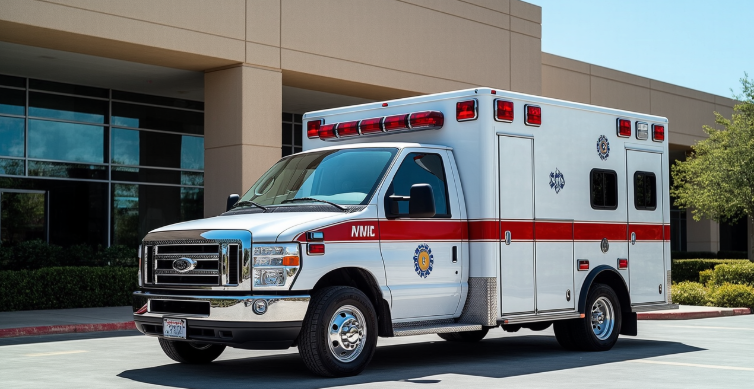

Starting a non-emergency medical transportation (NEMT) business in Texas requires careful planning, compliance with state regulations, and strategic execution. With an aging population and growing healthcare needs, NEMT services are increasingly vital for individuals requiring safe, reliable transportation to medical appointments. Below is a structured guide to help entrepreneurs navigate this process effectively.
Business Structure: Register your business as an LLC, corporation, or partnership to protect personal assets. Obtain a Federal Employer Identification Number (EIN) for tax purposes.
Licensing: Secure a Texas NEMT license through the Texas Department of Transportation (TxDOT) and submit the Medical Transport Provider application, which includes ownership disclosures and vehicle capacity details. Additional requirements may apply in cities like Dallas.
Insurance Coverage: Purchase general liability, commercial auto, workers’ compensation, and professional liability insurance to mitigate risks.
Regulatory Compliance: Adhere to the NEMT Services Handbook, maintaining records like vehicle maintenance logs and driver certifications.
Fleet Selection: Invest in wheelchair-accessible vans, stretcher vans, or minibuses that meet TxDMV and TxDOT safety standards.
Registration: Obtain livery plates and ensure vehicles undergo regular inspections.
Staff Recruitment: Hire drivers with clean records and certifications. Train employees in passenger safety, defensive driving, and assistance techniques.
Collaborate with Healthcare Providers: Partner with hospitals, nursing homes, or Medicaid agencies to secure referrals.
Online Presence: Build a professional website with service details and an online booking system to attract clients.
By prioritizing compliance, quality service, and strategic partnerships, your NEMT business can thrive in Texas’s growing healthcare landscape.
Starting a non-emergency medical transportation (NEMT) business in Texas involves navigating several key challenges, from regulatory compliance to operational logistics. Below are the primary hurdles entrepreneurs face:
State and Local Requirements: Texas mandates TxDOT licensing for NEMT providers, requiring detailed applications and adherence to the NEMT Services Handbook. Municipalities like Dallas impose additional registration steps, complicating compliance.
Medicare Enrollment: Completing Medicare enrollment is critical for reimbursement eligibility, but delays or incomplete applications can stall operations.
Startup Costs: Initial investments range from $30,000–$100,000 for vehicles, licensing, and insurance.
Insurance Requirements: Businesses must secure general liability, commercial auto, workers’ compensation, and professional liability coverage to mitigate risks.
Vehicle Maintenance: Fleets must meet TxDMV and TxDOT safety standards, requiring regular inspections and wheelchair-accessible vehicles.
Driver Recruitment and Training: Hiring drivers with clean records and certifying them in passenger safety, defensive driving, and assistance techniques is time-intensive.
Logistical Hurdles: Managing traffic disruptions, vehicle breakdowns, and last-minute cancellations demands robust contingency planning.
Broker Dependency: Relying on NEMT brokers for referrals can limit direct client relationships and revenue control.
Marketing Efforts: Building a professional website and securing partnerships with hospitals or Medicaid agencies is essential but resource-intensive.
Low Medicaid Reimbursement Rates: Texas’s Medicaid program faces structural inefficiencies, including delayed payments and administrative bottlenecks.
Quality Assurance Pressures: Maintaining compliance with state reporting requirements and preventing fraud adds administrative burdens.
By addressing these challenges through meticulous planning, strategic partnerships, and adherence to Texas-specific regulations, NEMT businesses can overcome obstacles and thrive in the state’s growing healthcare landscape.
To identify potential clients for your NEMT business in Texas, focus on strategic targeting and relationship-building across key sectors. Below are actionable strategies informed by industry best practices:
Hospitals and Managed Care Organizations (MCOs): Approach hospitals, rehabilitation centers, and dialysis clinics to secure contracts for patient transportation. These facilities often prioritize reliable providers for post-discharge or recurring appointments.
Nursing Homes and Senior Care Facilities: Partner with assisted living communities and senior care homes, which frequently require transportation for residents.
Medicaid and Medicare: Register with Texas Medicaid and Medicare to qualify for reimbursements, as these programs are primary payers for NEMT services.
Local Procurement Offices: Register with county or city procurement offices to bid on government contracts for state-funded transportation needs.
Social Workers and Case Managers: Build relationships with social workers and case managers at healthcare facilities to secure referrals.
Community Events: Attend local health fairs, senior expos, or disability advocacy events to connect with potential clients and promote your services.
Google My Business: Optimize your Google My Business listing to appear in “NEMT near me” searches and improve visibility.
Social Media: Use Facebook Ads and local community groups to target families, caregivers, and individuals with mobility challenges.
Testimonials and Reviews: Highlight client testimonials on your website and social media to build trust.
Beyond Medicaid: Target private-pay clients, such as individuals with disabilities or those needing non-medical trips (e.g., grocery runs).
Broker Relationships: Partner with NEMT brokers to access their client networks, though prioritize direct partnerships for long-term stability.
By combining targeted outreach, digital marketing, and strategic partnerships, you can systematically identify and engage potential clients in Texas’s growing NEMT market.
To operate a non-emergency medical transportation (NEMT) business in Texas, specific insurance coverage is mandated by state regulations and contractual requirements. Below are the key policies and considerations:
Hired and Non-Owned Auto Insurance
Property Insurance
Specialized Equipment Coverage
| Factor | Impact on Premiums |
|---|---|
| Vehicle Type/Year | Older vehicles or those with specialized equipment may increase rates. |
| Driver Experience | Inexperienced drivers or poor driving records raise premiums. |
| Service Area | Urban vs. rural locations influence liability risks. |
By securing these policies and aligning with Texas-specific regulations, NEMT businesses can mitigate risks and ensure compliance. Always consult specialized insurance agents familiar with NEMT requirements.
To ensure your NEMT vehicles meet Texas safety and maintenance standards, implement these compliance strategies based on state regulations and industry best practices:
By integrating these measures, your NEMT fleet will align with Texas’s rigorous safety standards while minimizing risks and penalties.
To ensure compliance and operational excellence, NEMT drivers in Texas must undergo mandatory and recommended training aligned with state regulations and industry standards. Below are the key requirements and best practices:

While not legally mandated, certifications like Passenger Assistance Safety and Sensitivity (PASS) or NEMT Driver Certification enhance credibility and operational quality. These programs cover:
By combining mandatory compliance with recommended training, Texas NEMT drivers can ensure safe, reliable service while meeting state and contractual obligations.
Starting and operating a non-emergency medical transportation (NEMT) business in Texas requires meticulous planning, compliance with state regulations, and a commitment to safety and service quality. By addressing legal setup, insurance requirements, vehicle maintenance, driver training, and client acquisition, entrepreneurs can navigate challenges while capitalizing on Texas’s growing demand for reliable healthcare transportation.
Key success factors include strategic partnerships with healthcare providers, adherence to TxDOT and Medicaid guidelines, and ongoing investment in driver expertise and vehicle safety. As the healthcare landscape evolves, businesses that prioritize compliance, innovation, and patient-centric care will thrive in this vital sector.
For Devin Schumacher and SERP AI, leveraging data-driven insights to optimize routes, client outreach, and operational efficiency could further differentiate your NEMT venture in Texas’s competitive market.
Answer:
You must obtain a Texas NEMT license from the Texas Department of Transportation (TxDOT) and register your business as an LLC or corporation. Additional municipal licenses (e.g., Dallas) may apply.
Answer:
Commercial auto insurance (liability, physical damage, uninsured motorists), workers’ compensation, and general liability insurance are required. Specialized coverage for ADA-compliant equipment is also recommended.
Answer:
Adhere to TxDMV and TxDOT guidelines, including ADA compliance (e.g., wheelchair lifts), annual inspections, and pre-trip checks. Maintain detailed maintenance logs and secure livery plates.
Answer:
Drivers must pass background checks, hold valid licenses, and undergo defensive driving, first aid/CPR, and HIPAA compliance training. Certifications like PASS enhance credibility.
Answer:
Enroll with Texas Medicaid and complete Medicare enrollment to qualify for reimbursements. Ensure compliance with state reporting requirements to avoid delays.
Answer:
Initial costs range from $30,000–$100,000, covering vehicles, licensing, insurance, and staffing. Factor in ongoing expenses like fuel, maintenance, and driver training.
Answer:
Partner with hospitals, nursing homes, and Medicaid agencies. Use Google My Business, social media ads, and community events to reach families and caregivers.
Answer:
Regulatory complexity, high startup costs, driver recruitment, and Medicaid reimbursement delays are key hurdles. Mitigate risks with contingency planning and compliance audits.
Answer:
No. Commercial vehicles with livery plates and ADA-compliant features are required. Personal vehicles may only be used if covered by hired/non-owned auto insurance.
Answer:
Expand partnerships with healthcare providers, invest in GPS tracking for efficiency, and diversify services (e.g., non-medical trips). Use data analytics to optimize routes and client retention.