
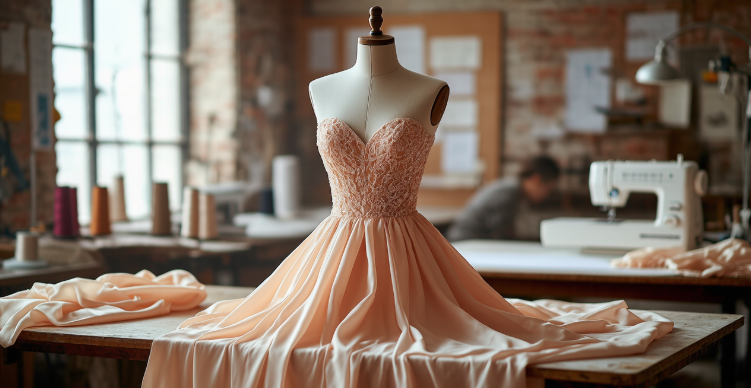

Starting a luxury clothing brand is an exciting venture that merges creativity with business acumen. It involves not only designing exquisite garments but also establishing a unique identity that resonates with a discerning clientele. As the luxury fashion market continues to evolve, aspiring designers must navigate the complexities of exclusivity, quality, and brand storytelling to carve out their niche.
Luxury clothing brands are characterized by their commitment to superior craftsmanship, premium materials, and an aura of exclusivity. This sector is not merely about high price points; it encompasses a lifestyle and an emotional connection with consumers who seek unique and high-quality products. To succeed, one must understand the specific demands and preferences of luxury consumers, which often include a desire for personalized experiences and sustainable practices.
Before diving into design and production, it's crucial to understand the landscape of the luxury fashion market. This includes:
A strong brand identity is essential for differentiation in the competitive luxury market. Key elements include:
The quality of materials used in your clothing will significantly impact your brand's reputation. Focus on:
Quality control is paramount in luxury fashion. Ensure that:
Luxury brands thrive on storytelling. Craft a narrative that connects emotionally with your audience, highlighting your brand’s heritage, values, and vision.
Marketing for luxury brands requires finesse. Strategies may include:
Luxury consumers expect personalized service and attention to detail. Consider offering bespoke services such as custom fittings or personalized shopping experiences to enhance customer loyalty.
Starting a luxury clothing brand is not just about creating beautiful garments; it’s about building an empire that embodies elegance, quality, and exclusivity. By following these steps and focusing on what makes your brand unique, you can successfully navigate the challenges of launching in this prestigious sector.
A successful luxury clothing brand is built on a foundation of key elements that distinguish it from mainstream fashion. These elements not only define the brand's identity but also create an emotional connection with consumers, fostering loyalty and aspirational value. Here are the essential components:
Exclusivity is at the heart of luxury branding. By offering limited editions or bespoke items, brands create a sense of rarity that appeals to affluent consumers. This exclusivity can manifest through waiting lists, limited production runs, or private shopping experiences, making customers feel special and part of an elite group.
Luxury brands are synonymous with exceptional quality. They utilize the finest materials and showcase superior craftsmanship, ensuring that every product reflects meticulous attention to detail. This commitment to quality not only enhances the product's durability but also elevates its perceived value in the eyes of consumers.
A cohesive and recognizable brand identity is crucial. This includes a distinctive logo, consistent design elements, and a narrative that resonates with the target audience. A strong brand identity helps establish a deep emotional connection with consumers, making them more likely to choose the brand over competitors.
Luxury clothing brands often balance tradition with innovation in their designs. While they may draw inspiration from heritage and classic styles, they also push boundaries to create contemporary pieces that appeal to modern consumers. This blend of timelessness and trendiness helps maintain relevance in a fast-paced fashion industry.
Providing an exceptional customer experience is vital for luxury brands. This includes personalized services such as custom fittings, exclusive previews of new collections, and attentive customer service that goes above and beyond expectations. Such experiences reinforce the brand's commitment to its customers and enhance loyalty.
A rich heritage adds depth to a luxury brand's identity. Many successful luxury brands emphasize their history, craftsmanship traditions, and the stories behind their products. This narrative not only enhances desirability but also connects with consumers on an emotional level, making them feel part of a legacy.
Luxury brands typically employ a premium pricing strategy that reflects their high-quality offerings and exclusivity. While this approach may limit accessibility, it reinforces the perception of luxury as something aspirational and desirable.
In summary, a successful luxury clothing brand integrates these key elements—exclusivity, superior quality, strong identity, timeless design, personalized experiences, heritage storytelling, and premium pricing—to create an appealing and aspirational brand that resonates deeply with its target audience.
Differentiating your luxury clothing brand from competitors requires a strategic approach that emphasizes uniqueness, quality, and emotional connection with consumers. Here are several effective strategies to help you stand out in the crowded luxury market:
Exclusivity is a fundamental aspect of luxury branding. You can achieve this by:
Showcasing the craftsmanship and heritage behind your products can create a strong differentiation:
Allowing customers to personalize or customize their purchases enhances their emotional investment in your brand:
Consider specializing in a specific product category or customer segment:
Transform the shopping experience into something memorable:
Position your brand alongside relevant cultural movements or causes:
Ensure that your brand identity is cohesive and memorable:
By implementing these strategies, you can effectively differentiate your luxury clothing brand from competitors, enhancing its appeal and fostering long-term loyalty among discerning consumers.
When creating high-quality luxury clothing, the choice of materials is crucial, as it directly influences the garment's aesthetic, comfort, and durability. Here are some of the best materials commonly used in luxury fashion:
Silk is often regarded as the epitome of luxury fabric. Known for its softness, sheen, and lightweight properties, silk drapes beautifully and feels exquisite against the skin. It is versatile enough for a range of garments, including dresses, blouses, and scarves. Authentic silk is durable and can last significantly longer than synthetic alternatives, making it a worthwhile investment in luxury clothing.
Cashmere is celebrated for its unparalleled softness and warmth. Sourced from the undercoat of cashmere goats, this material is lightweight yet insulating, perfect for sweaters and scarves. High-quality cashmere can be quite expensive but offers exceptional comfort and longevity, making it a staple in luxury collections.
Satin is a luxurious fabric that can be made from silk or synthetic fibers. It features a glossy surface that adds elegance to evening wear and lingerie. Satin's smooth texture and fluid drape make it ideal for garments that require a touch of glamour.
Velvet is known for its rich texture and depth, often associated with opulence. This fabric has a soft pile that provides warmth and a luxurious feel. Velvet is commonly used in evening gowns, blazers, and accessories, making it a popular choice for high-end fashion.
TENCEL™, derived from sustainably sourced wood pulp, offers a silky smooth texture and excellent moisture-wicking properties. This biodegradable material is not only comfortable but also environmentally friendly, appealing to modern consumers who prioritize sustainability in luxury fashion.
High-quality leather is synonymous with luxury due to its durability and timeless appeal. It can be used in various forms—from jackets to handbags—providing both style and functionality. The quality of leather varies significantly; full-grain leather is considered the best due to its natural grain and durability.
Alpaca wool is softer than sheep's wool and has excellent insulating properties while being lightweight. It is hypoallergenic and resistant to water, making it a luxurious choice for outerwear and knitwear.
Organza is a thin, plain weave fabric made from silk or nylon that has a crisp finish. Often used in evening gowns and overlays, this fabric adds structure and elegance to designs while maintaining a lightweight feel.
In summary, selecting the right materials—such as silk, cashmere, satin, velvet, TENCEL™, leather, alpaca wool, and organza—can significantly enhance the quality and appeal of luxury clothing. Each material brings unique characteristics that contribute to the overall luxurious experience of wearing high-end fashion pieces.
Creating an effective marketing strategy for a luxury clothing brand involves a multifaceted approach that emphasizes exclusivity, storytelling, and high-quality customer experiences. Here are key strategies to consider:
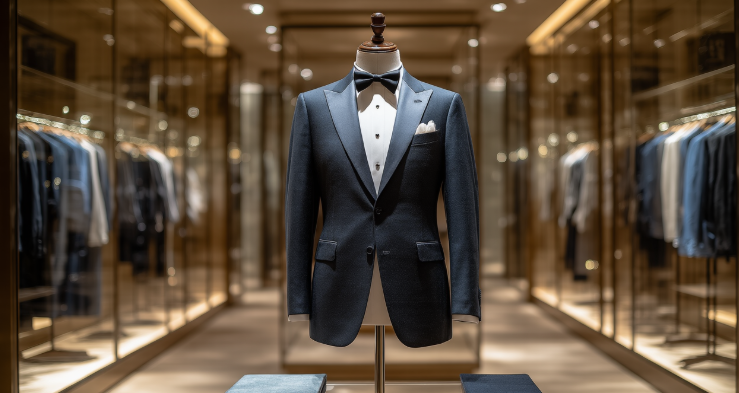
By integrating these strategies into your marketing plan, you can effectively position your luxury clothing brand in a competitive market, attracting discerning consumers while building lasting relationships that drive loyalty and sales.
Here are some unique brand concepts that could work for a luxury clothing line, each designed to resonate with the high-end market while offering distinctiveness and appeal:
Create a brand that focuses on eco-friendly materials and ethical production practices. This concept could emphasize:
Develop a brand that draws inspiration from traditional craftsmanship while incorporating modern aesthetics:
Offer a bespoke experience where customers can customize their garments:
Combine fashion with technology to create innovative clothing solutions:
Launch limited-edition capsule collections that celebrate art and fashion:
Focus on creating high-quality, timeless wardrobe staples that emphasize longevity over fast fashion:
Cater to the wanderlust spirit by creating a brand inspired by travel:
Merge luxury with comfort by creating high-end athleisure wear:
Embrace a minimalist approach with clean lines and simple designs:
Develop a brand narrative that connects emotionally with consumers:
These concepts can help position your luxury clothing brand uniquely in the market, attracting discerning consumers who appreciate quality, exclusivity, and innovative design.
In conclusion, launching and establishing a successful luxury clothing brand requires a thoughtful approach that emphasizes quality, exclusivity, and a strong brand identity. By choosing high-quality materials, implementing effective marketing strategies, and embracing unique concepts that resonate with your target audience, you can differentiate your brand in a competitive market.
Whether you focus on sustainability, personalization, or storytelling, the key is to create an emotional connection with consumers who value craftsmanship and luxury experiences. By continuously evolving and adapting to market trends while staying true to your brand's core values, you can build a lasting legacy in the luxury fashion industry. Embrace creativity, innovation, and authenticity as you embark on this exciting journey, and watch your brand flourish in the world of high-end fashion.
A luxury clothing brand is characterized by its commitment to high-quality materials, exceptional craftsmanship, exclusivity, and a strong brand identity. These brands often offer unique designs and personalized customer experiences that set them apart from mainstream fashion.
Selecting the right materials involves considering factors such as quality, durability, and sustainability. Common luxury fabrics include silk, cashmere, high-quality leather, and organic cotton. It's essential to source materials that align with your brand's values and aesthetic.
Effective marketing strategies for a luxury brand include emphasizing exclusivity, leveraging visual storytelling, collaborating with influencers, hosting exclusive events, and creating personalized customer experiences. Building a strong online presence through social media and a visually appealing website is also crucial.
Sustainability is becoming increasingly important in luxury fashion as consumers seek brands that prioritize ethical practices and eco-friendly materials. Incorporating sustainable practices can enhance your brand's appeal and resonate with environmentally conscious consumers.
To create a unique brand identity, define your brand's mission, values, and aesthetic. Develop a compelling narrative that reflects your brand's essence and resonates with your target audience. Consistency in visual elements—such as logos, colors, and typography—is also key.
Building customer loyalty can be achieved through personalized experiences, exceptional customer service, exclusive membership programs, and engaging with customers through feedback and follow-ups. Creating a community around your brand can also foster loyalty.
Storytelling is vital in luxury branding as it helps create an emotional connection with consumers. Sharing the story behind your brand—its heritage, craftsmanship, and design inspiration—can enhance its appeal and differentiate it from competitors.
When pricing your luxury clothing, consider factors such as production costs, material quality, market positioning, and competitor pricing. Luxury brands often employ premium pricing strategies to reflect exclusivity and quality while ensuring profitability.
Staying relevant requires continuous innovation and adaptation to changing consumer preferences and market trends. Regularly engaging with your audience through social media, conducting market research, and being open to feedback can help you remain competitive.
Common challenges include maintaining quality control during production, navigating economic fluctuations that impact consumer spending, managing inventory effectively to ensure exclusivity, and staying ahead of fast fashion trends while remaining true to your brand identity.