How To Start A Landscaping Business With No Experience
Written byMerchant Alternatives | March 20, 2025
Merchant Alternatives is reader-supported. When you make purchases through links on our site, we may earn a commission. This is always at no additional cost to you and helps us continue to provide accurate, transparent and up-to-date information on the things that matter most to your business, for free.
Landscaping businesses offer services that enhance outdoor spaces, making them functional and aesthetically pleasing. Whether you’re passionate about working outdoors or looking for a profitable business idea, landscaping can be a rewarding choice. Even without experience, you can start small, learn the necessary skills, and grow your business over time. By following structured steps and leveraging resources, you can turn your dream into reality.
Steps to Start Your Landscaping Business
1. Research and Understand the Industry
Learn about the landscaping market in your area, including customer needs and competitors.
Familiarize yourself with planting zones, soil types, seasonal care, and basic landscaping techniques.
2. Choose Your Niche
Decide whether you want to specialize in residential lawn care, garden design, tree services, or commercial landscaping.
Offering specialized services can help differentiate your business from competitors.
3. Gain Basic Skills
Work under an experienced landscaper or take entry-level positions as a laborer or assistant to learn the trade.
Focus on essential skills like plant care, equipment handling, and landscape design basics.
4. Create a Business Plan
Outline your mission statement, target market, pricing structure, equipment needs, and marketing strategy.
Include financial projections and operational plans to guide your growth.
5. Register Your Business
Choose a business name and structure (e.g., sole proprietorship or LLC).
Obtain necessary licenses and permits based on local regulations.
6. Purchase Equipment
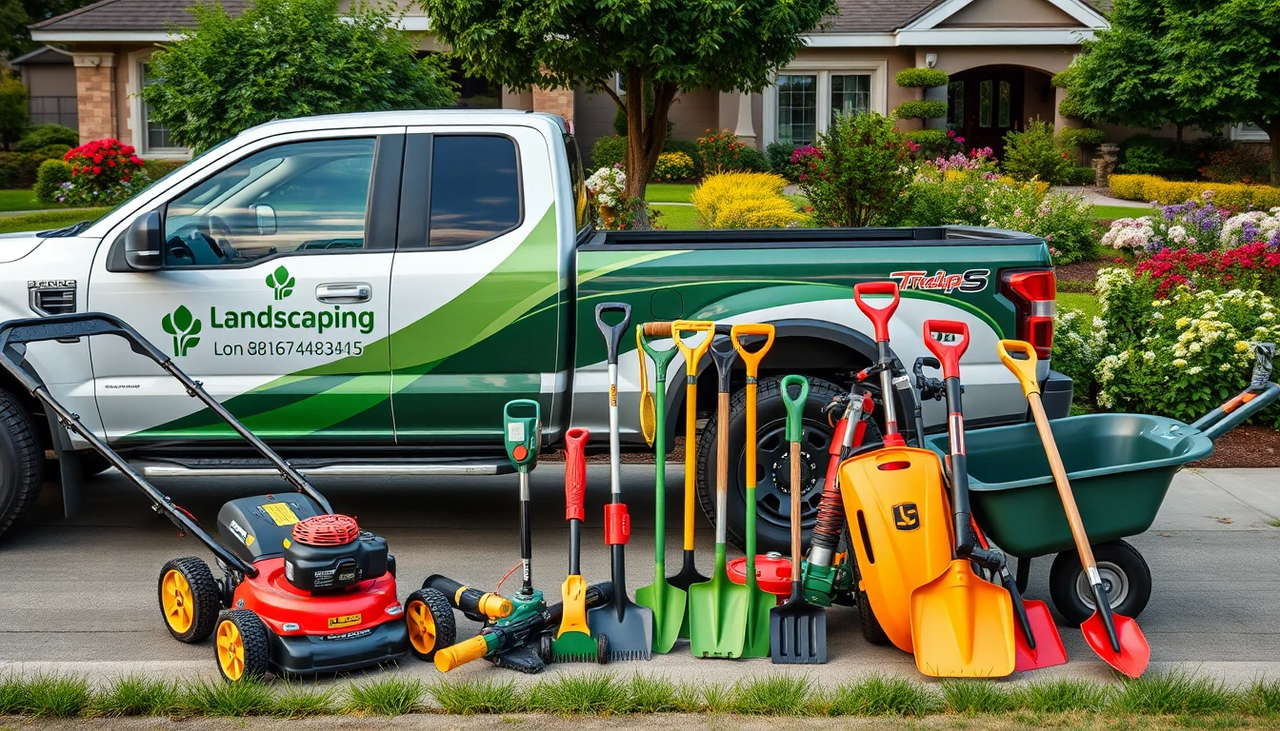
Start with basic tools like lawnmowers, trimmers, rakes, and shovels.
Consider renting equipment initially to reduce costs.
7. Market Your Services
Build an online presence through a website and social media platforms.
Use local advertising methods like flyers or word-of-mouth referrals to attract customers.
8. Offer Year-Round Services
To keep your business profitable during off-seasons, consider offering additional services such as snow removal or holiday decorations.
What are the first steps to take when starting a landscaping business with no experience
Starting a landscaping business with no experience requires strategic planning and incremental steps to build credibility and operational capacity. Here are the foundational actions to take:
1. Research the Market and Industry
Begin by analyzing local demand, competitors, and seasonal trends. Identify underserved niches (e.g., residential lawn care, sustainable landscaping, or hardscaping) to differentiate your services. Study planting zones, soil types, and basic techniques through online resources or local workshops.
2. Gain Practical Experience
Work under an experienced landscaper or take entry-level positions to learn hands-on skills like equipment handling, plant care, and design basics. This builds confidence and helps you refine your service offerings.
3. Develop a Business Plan
Outline your mission, target market, pricing structure, and financial projections. Include startup costs for equipment, insurance, and marketing. Prioritize lean operations initially to minimize overhead.
4. Secure Legal and Financial Foundations
Register your business: Choose a structure (e.g., sole proprietorship, LLC) and obtain necessary licenses/permits.
Insurance: Acquire liability and workers’ compensation coverage to protect against risks.
Bank account: Separate personal and business finances for tax and operational clarity.
5. Start with Essential Equipment
Begin with basic tools like a lawnmower, trimmer, leaf blower, and safety gear. Consider renting equipment or buying used items to reduce upfront costs. A reliable vehicle or trailer for transport is also critical.
6. Build a Client Base
Leverage local networks (e.g., realtors, property managers) and low-cost marketing like flyers or social media to attract early customers. Offer discounts or free consultations to build trust.
7. Plan for Growth and Off-Seasons
Expand services gradually (e.g., snow removal, holiday decorations) to maintain revenue year-round. Continuously improve skills and adapt to client feedback to scale sustainably.
By focusing on foundational steps and incremental growth, you can establish a viable landscaping business despite lacking initial experience.
How can I determine the best niche for my landscaping business
To determine the best niche for your landscaping business, follow these steps:
1. Evaluate Local Market Needs
Conduct market research to identify gaps in services or high-demand areas in your region. For example, some neighborhoods may prioritize eco-friendly landscaping, while others may need frequent lawn maintenance.
Speak with potential customers, run surveys, or analyze competitors to understand what services are underserved.
2. Assess Your Skills and Interests
Consider your strengths and passions. If you excel at creative design, you might focus on landscape design. If you prefer hands-on work, lawn care or irrigation system maintenance could be a better fit.
Choose a niche that aligns with your expertise to ensure high-quality service delivery.
3. Analyze Competition
Study competitors in your area to identify niches they are not covering. For example, if most businesses offer general lawn care, you could specialize in drought-resistant landscaping or organic lawn treatments.
4. Focus on Specific Demographics
Tailor your services to a particular customer group, such as young homeowners, eco-conscious clients, or commercial property managers. Understanding their needs and preferences can help you create targeted offerings.
5. Test Potential Niches
Start by offering a limited set of niche services and gauge customer interest through feedback and demand. This allows you to refine your offerings before fully committing.
6. Consider Popular Landscaping Niches
Some trending niches include:
Sustainable/eco-friendly landscaping
Smart irrigation systems
Hardscaping (e.g., patios, retaining walls)
Landscape lighting
Holiday decoration services
By combining market research, personal strengths, and customer feedback, you can identify a profitable niche that sets your landscaping business apart from competitors.
What are the most important equipment purchases for a new landscaping business
When starting a landscaping business, prioritizing essential equipment ensures efficiency, quality, and scalability. Below are the most critical purchases based on industry standards and operational needs:
Core Equipment for All Landscaping Businesses
Lawn Mower A commercial-grade mower (walk-behind or ride-on) is foundational for lawn care. Opt for models with high horsepower and durability for frequent use. Cost: $1,000–$5,000
Trimmers and Edgers
String Trimmers: For cutting grass near obstacles (e.g., trees, gardens).
Edgers: Create clean borders around sidewalks and flower beds. Cost: $100–$300
Leaf Blower Essential for debris cleanup and maintaining a professional finish. Cost: $100–$500
Hand Tools
Shovels/Spades: For digging, planting, and edging.
Rakes: Leaf rakes for debris removal; garden rakes for soil prep.
Pruners/Hedge Shears: Trim shrubs and hedges. Cost: $10–$50 per tool
Safety Gear
Gloves, Eye Protection, Hearing Muffs: Protect against hazards like flying debris or loud machinery. Cost: $20–$100
Transportation and Heavy-Duty Tools
Reliable Vehicle A ½- or ¾-ton truck or trailer is vital for hauling equipment, mulch, and supplies. Cost: $10,000–$30,000+ (used/new)
Wheelbarrow Transport soil, plants, or debris efficiently. Cost: $50–$100
Tamper or Plate Compactor Compact soil for patios, driveways, or hardscaping projects. Cost: $40–$1,500+ (manual vs. gas-powered)
Specialized Tools for Niche Services
Post Hole Digger/Auger For fence installation or tree planting. Cost: $50–$150
Spreaders/Sprayers
Spreaders: Apply seed or fertilizer evenly.
Sprayers: Apply pesticides or fertilizers. Cost: $40–$300
Budget-Friendly Tips
Rent Heavy Equipment: Skid-steer loaders or aerators for occasional use.
Buy Used Tools: Save on mowers, trucks, or trailers.
Prioritize Quality: Invest in durable brands (e.g., Echo, Kawasaki) for long-term reliability.
By focusing on these essentials, you’ll build a solid foundation for delivering consistent results while scaling your business sustainably.
How do I create a business plan for a landscaping company
Creating a business plan for a landscaping company involves organizing your ideas, defining goals, and outlining strategies for success. Below is a step-by-step guide based on industry best practices:
1. Executive Summary
This section provides an overview of your business plan and should include:
Mission Statement: Define the purpose of your landscaping company.
Business Description: Summarize your services, target market, and competitive advantage.
Leadership Team: Highlight key personnel and their roles.
Financial Goals: Include revenue projections and funding requirements. Write this section last to ensure it reflects all details of your plan.
2. Business Description
Provide detailed information about your company:
Type of Business: Specify whether you focus on residential landscaping, commercial properties, or landscape design.
Competitive Advantage: Explain what sets you apart (e.g., unique services or eco-friendly practices).
Target Market: Identify the demographics you aim to serve, such as homeowners or businesses.
3. Market Analysis
Research the landscaping industry and local competition:
Industry Overview: Highlight trends like increased demand for sustainable landscaping.
Competitor Analysis: Study competitors’ strengths and weaknesses using tools like Yelp reviews.
Market Opportunity: Identify gaps in services or underserved niches in your area.
4. Services Offered
List the specific services you will provide, such as:
Lawn care (mowing, edging)
Landscape design
Sod installation
Pest control Specify service frequency (e.g., weekly or bi-weekly) and pricing strategies.
5. Operations and Management
Outline how your business will function:
Business Structure: Choose a legal entity (e.g., sole proprietorship or LLC).
Organizational Chart: Detail leadership roles and responsibilities. If you’re operating solo, provide a professional overview of yourself.
6. Marketing Strategy
Explain how you’ll attract and retain customers:
Build an online presence through a website and social media.
Use strategies like SEO, email marketing, referral programs, and pay-per-click ads. Highlight how you’ll differentiate your brand from competitors.
7. Financial Plan
Provide detailed financial projections:
Include startup costs (equipment, licenses), expected revenue, and operational expenses.
If seeking funding, specify the amount needed and how it will be used to grow your business.
Additional Tips
Regularly update your business plan as your company grows or market conditions change.
Use templates or guides to simplify the process.
By following these steps, you can create a comprehensive roadmap for launching and scaling a successful landscaping company.
What marketing strategies are most effective for new landscaping businesses
Here are the most effective marketing strategies for new landscaping businesses, based on industry insights and proven tactics:
1. Digital Marketing Essentials
Social Media & Content Marketing
Platforms: Focus on Instagram, Facebook, and YouTube for visual storytelling. Share before/after photos, tutorials, and seasonal tips to engage audiences.
Blogging: Create SEO-optimized articles addressing common landscaping questions (e.g., "How to care for drought-resistant plants") to build authority and improve search rankings.
SEO & Local Search
Optimize your website with keywords like "landscaping services near me" or "lawn care [your city]" to attract local searches.
Claim and optimize your Google Business Profile with accurate hours, photos, and customer reviews.
Paid Advertising
Google Ads: Use geo-targeted PPC campaigns to reach customers actively searching for landscaping services.
Social Media Ads: Run targeted ads on Facebook/Instagram to promote seasonal offers or new services.
2. Local & Offline Tactics
Direct Mail & Flyers
Distribute eye-catching flyers or postcards in high-traffic areas (e.g., community boards, mailboxes) with discounts for first-time clients.
Vehicle Branding: Wrap your trucks with logos and contact info to boost visibility while on the job.
Community Involvement
Sponsor local events (e.g., farmers’ markets, home shows) to build trust and showcase expertise.
Partner with real estate agents, garden centers, or home improvement stores for cross-promotions.
3. Customer Retention & Referrals
Referral Programs
Offer discounts for referrals (e.g., "Refer a friend, get 10% off your next service").
Loyalty Programs: Reward repeat customers with free services after a set number of bookings (e.g., "Buy 10, get 1 free").
Customer Reviews
Encourage satisfied clients to leave reviews on Google, Yelp, or your website to boost credibility.
4. Branding & Positioning
Unique Selling Proposition (USP)
Highlight what sets you apart (e.g., eco-friendly practices, award-winning designs) in all marketing materials.
Professional Branding: Use consistent logos, slogans, and color schemes across your website, vehicles, and collateral.
5. Advanced Strategies
Email Marketing
Build an email list and send newsletters with seasonal tips, promotions, or service reminders.
Trade Shows: Attend local home and garden expos to network and showcase portfolios.
Budget-Friendly Tips
Free Tools: Use Canva for flyers/social posts and Google Analytics for tracking website traffic.
Collaborate: Partner with local businesses to split costs on joint marketing campaigns.
By combining digital reach with local engagement, new landscaping businesses can quickly build visibility and attract loyal customers.
Conclusion
Starting a landscaping business with no experience requires strategic planning, adaptability, and a focus on building trust with customers. By prioritizing foundational steps—such as researching your market, gaining practical skills, securing essential equipment, and crafting a tailored business plan—you can establish a strong foundation for growth. Effective marketing strategies like leveraging digital platforms, community engagement, and customer retention programs will help differentiate your business and attract a loyal client base.
While challenges like competition and seasonal fluctuations exist, a well-structured approach ensures long-term success. Stay agile, continuously refine your services based on feedback, and prioritize quality to build a reputation that drives referrals and repeat business. With persistence and a commitment to excellence, your landscaping business can thrive even without prior experience.
FAQs
Q: What licenses do I need to start a landscaping business? A: Licenses vary by state and locality. Common requirements include a business license, contractor’s license (for projects over a certain cost), and certifications for pesticide use or irrigation systems. Check with your local government for specifics.
Q: How much does it cost to start a landscaping business? A: Startup costs range from $5,000 to $50,000+, depending on equipment, insurance, and marketing. Prioritize essentials like a mower, trimmer, and vehicle, and consider renting heavy machinery initially.
Q: What’s the best way to market my landscaping business? A: Use local SEO, social media, and community outreach. Create a Google Business Profile, share before/after photos on Instagram, and partner with real estate agents or garden centers for referrals.
Q: How do I handle seasonal fluctuations in demand? A: Offer year-round services like snow removal, holiday lighting, or garden cleanup to maintain revenue. Adjust pricing or expand into niche markets (e.g., eco-friendly landscaping).
Q: What insurance do I need? A: Liability insurance and workers’ compensation (if hiring employees) are critical. Liability coverage protects against property damage or injuries, while workers’ comp ensures employee safety.
Q: How do I price my services? A: Calculate costs (equipment, labor, materials) and compare competitors’ rates. Start with competitive pricing, then adjust based on demand and service quality.
Q: What equipment should I buy first? A: Prioritize a lawn mower, trimmer, leaf blower, and safety gear. Rent heavy machinery (e.g., skid-steer loaders) until your business grows.
Q: How do I build trust with customers? A: Encourage reviews on Google/Yelp, offer free consultations, and showcase portfolios on social media. Highlight certifications or eco-friendly practices to stand out.
Q: Can I start a landscaping business solo? A: Yes! Begin by handling small jobs (e.g., lawn care) and scale as demand grows. Hire subcontractors or employees later to expand services.
Q: How do I differentiate my business from competitors? A: Focus on a niche (e.g., sustainable landscaping, hardscaping) or offer premium services like organic fertilizers. Use unique branding and customer-centric marketing to build loyalty.