Merchant Alternatives is reader-supported. When you make purchases through links on our site, we may earn a commission. This is always at no additional cost to you and helps us continue to provide accurate, transparent and up-to-date information on the things that matter most to your business, for free.
Starting a landscaping business can be an exciting venture for those who enjoy working outdoors and have a passion for creating beautiful outdoor spaces. The landscaping industry is thriving, with increasing demand for various services ranging from garden design to maintenance, making it a potentially lucrative opportunity. However, launching your own business requires careful planning and execution. This guide outlines the essential steps to help you successfully start your landscaping business.
Steps to Start a Landscaping Business
Develop a Business Plan Creating a comprehensive business plan is crucial as it outlines your goals, strategies, and financial projections. A well-structured plan will not only guide your operations but also help in securing funding if needed. It should detail the services you plan to offer, your target market, and how you intend to differentiate yourself from competitors.
Choose Your Niche Decide on the specific services you want to provide. Landscaping encompasses a wide range of activities including lawn care, garden design, hardscaping, and seasonal maintenance. Specializing in a niche can help you stand out in the market and attract specific clientele.
Register Your Business Choose a suitable name for your business and register it according to local regulations. Determine the legal structure of your business—options include sole proprietorship, partnership, or limited liability company (LLC). This step is essential for establishing your brand and ensuring compliance with tax obligations.
Obtain Necessary Licenses and Insurance Check local requirements for any licenses or permits needed to operate legally. Additionally, obtaining insurance is vital to protect yourself from potential liabilities. Common types of insurance for landscaping businesses include public liability insurance and equipment coverage.
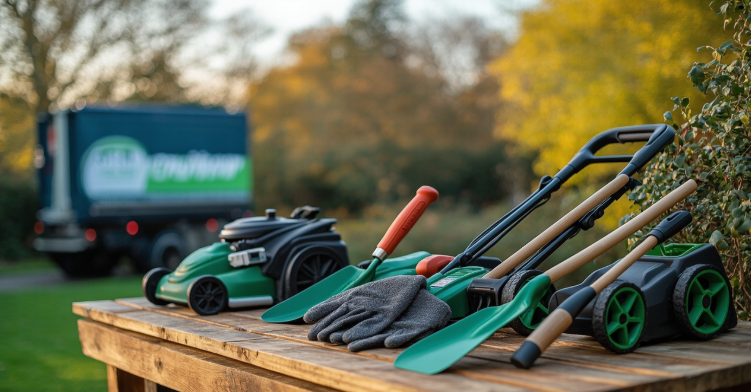
Invest in Equipment Acquiring the right tools and equipment is critical for delivering quality services. Depending on your budget, you may choose to buy or rent equipment such as mowers, trimmers, and safety gear. Investing in high-quality tools can enhance efficiency and reduce long-term costs.
Set Up Your Finances Establishing a separate business bank account will help you manage finances effectively. Keep track of income and expenses to ensure profitability. Consider hiring an accountant if managing finances is not your strong suit.
Market Your Services Develop a marketing strategy to promote your landscaping business. Utilize online platforms, social media, and local advertising to reach potential customers. Building a strong brand presence will help attract clients and establish credibility in the industry. By following these steps, you can lay a strong foundation for your landscaping business and position yourself for success in this growing market. With dedication and strategic planning, you can turn your passion for landscaping into a profitable enterprise.
What are the first steps to take when starting a landscape business
To start a landscaping business, follow these essential first steps:
Research and Plan Begin by researching the local market, identifying your target audience, and analyzing competitors. Define your niche, such as residential landscaping, commercial services, or sustainable landscaping. Develop a detailed business plan that outlines your goals, service offerings, pricing strategy, and financial projections.
Register Your Business Choose a unique name for your business and register it with the appropriate local authorities. Decide on a legal structure, such as sole proprietorship or LLC, and obtain any necessary licenses or permits required to operate in your area.
Obtain Insurance Secure liability insurance to protect against potential risks and workers' compensation insurance if you plan to hire employees. This ensures compliance with regulations and safeguards your business.
Invest in Equipment Purchase or rent the necessary tools and equipment for your services. Basic items include lawn mowers, trimmers, shovels, wheelbarrows, and safety gear. For larger projects, consider investing in trucks or trailers as your business grows.
Set Up Finances Open a business bank account to manage income and expenses separately from personal finances. Track all costs carefully to maintain profitability.
Market Your Business Create a marketing plan to attract customers. Use online platforms, social media, and local advertising to promote your services. Building a strong brand reputation is key to gaining clients.
By following these steps, you can establish a solid foundation for your landscaping business and position it for long-term success.
How do I create a business plan for my landscaping company
Creating a business plan for your landscaping company is a critical step that lays the foundation for your business's success. Here’s a structured approach to help you develop a comprehensive business plan:
1. Executive Summary
This section should encapsulate your business idea, including your mission statement and vision. Summarize what your landscaping company will do and the market need it addresses. Highlight key factors that will contribute to your success, such as unique services or customer relationships.
2. Company Overview
Provide detailed information about your landscaping company, including:
Business Structure: Specify whether it's a sole proprietorship, LLC, or corporation.
Location: Describe where your business operates.
History: If applicable, share any relevant background information about how and why you started the business.
3. Market Analysis
Conduct thorough research on the landscaping industry, focusing on:
Market Trends: Identify current trends affecting the landscaping market.
Target Market: Define your ideal customers, including demographics and geographic areas.
Market Needs: Discuss what needs your services fulfill for these customers.
4. Competitive Analysis
Analyze your competitors by identifying both direct and indirect competitors. Evaluate their strengths and weaknesses and determine your competitive advantage. This could be based on pricing, service quality, or unique offerings.
5. Services Offered
Detail the specific landscaping services you will provide, such as:
Lawn care (mowing, fertilizing)
Landscape design
Hardscaping (patios, walkways)
Seasonal services (snow removal)
6. Marketing Plan
Outline how you plan to attract and retain customers. Consider strategies such as:
Online marketing (website, social media)
Local advertising (flyers, community events)
Referral programs
7. Management Summary
Introduce the key members of your team and their roles. This section should also cover any plans for hiring additional staff as the business grows.
8. Financial Plan
Develop a financial strategy that includes:
Startup costs
Pricing strategy for services
Projected revenue and expenses
Break-even analysis
9. Funding Requirements
If you are seeking funding, specify how much capital you need and how it will be used to support your business operations.
10. Appendices
Include any additional documents that support your business plan, such as resumes of key team members or detailed financial projections. By following this structured outline, you can create a robust business plan that not only guides the launch of your landscaping company but also serves as a tool for securing funding and measuring progress over time.
What types of insurance should I consider for my landscape business
When starting a landscaping business, it's essential to consider various types of insurance to protect your company from potential risks. Here are the key types of insurance you should consider:
1. General Liability Insurance
This is a fundamental coverage that protects your business from claims related to bodily injury and property damage. For example, if a client or a visitor is injured on a job site or if you accidentally damage their property, this insurance can cover legal fees, settlements, and medical expenses.
2. Commercial Auto Insurance
If you use vehicles for your landscaping business, commercial auto insurance is necessary. This coverage protects your business vehicles against accidents and damages while in use for work purposes, unlike personal auto insurance which typically does not cover commercial activities.
3. Workers' Compensation Insurance
If you have employees, workers' compensation insurance is often legally required. It provides benefits for employees who get injured or ill on the job, covering medical expenses and lost wages while protecting your business from lawsuits related to workplace injuries.
4. Commercial Property Insurance
This insurance covers physical assets such as tools, equipment, and any office or storage space you may own or lease. It protects against losses due to events like fire, theft, or vandalism.
5. Professional Liability Insurance
Also known as errors and omissions insurance, this coverage protects against claims of negligence related to your professional services. For instance, if a client claims that your landscaping design was faulty and resulted in financial loss, this insurance can help cover legal costs.
6. Tools and Equipment Insurance
This specific coverage protects your landscaping tools and equipment from damage or theft. Given the high value of landscaping equipment, having this insurance can help ensure that you can quickly replace any lost or damaged items.
7. Pollution Liability Insurance
If your work involves using chemicals like fertilizers and pesticides, pollution liability insurance can protect against claims related to environmental damage caused by these substances1.
8. Business Owner's Policy (BOP)
A BOP combines general liability and commercial property insurance into one package, often at a lower rate than purchasing each policy separately. This can be a cost-effective way to secure essential coverages for your business.
9. Commercial Umbrella Insurance
This type of insurance provides additional liability coverage that kicks in when the limits of your general liability or commercial auto policies are exhausted. It acts as an extra safety net for large claims. By investing in these types of insurance, you can safeguard your landscaping business against various risks and ensure its long-term viability.
How much money do I need to start a landscape business
Starting a landscaping business requires careful financial planning, as the initial investment can vary widely based on several factors such as the scale of operations, location, and services offered. Here’s a breakdown of the estimated costs:
Estimated Startup Costs
Basic Costs:
For a small landscaping business, startup costs can range from $15,000 to $50,000. This typically covers essential equipment, basic marketing efforts, and necessary permits and licenses.
Mid-Range Costs:
A more comprehensive setup for a small to medium-sized business may require around $42,000 to $100,000. This includes better quality equipment, a used vehicle, and more extensive marketing strategies.
Higher-End Costs:
For larger landscaping operations or those offering specialized services, costs can escalate to between $100,000 and $250,000 or more. This figure accounts for high-end equipment, new vehicles, extensive staffing, and comprehensive marketing plans.
Breakdown of Expenses
Equipment Costs: Depending on the services you plan to offer, equipment can range from $2,000 to $30,000 for basic tools and vehicles.
Vehicle Costs: A work truck can cost between $10,000 and $75,000, depending on whether you buy new or used.
Licensing and Legal Fees: Budget approximately $150 to $600 for business registration and legal consultations. Additional licensing costs may vary based on your location.
Marketing Expenses: Initial marketing efforts can range from a few hundred dollars for basic advertising to several thousand for comprehensive digital marketing campaigns.
Operational Funds: It’s advisable to have enough funds to cover three months of operational expenses including salaries, rent, utilities, and other recurring costs.
What tools and equipment are essential for a new landscaping business
Starting a landscaping business requires a range of essential tools and equipment to ensure efficient and high-quality service delivery. Here’s a list of must-have tools for a new landscaping business:
Basic Hand Tools
Shovels and Spades: Essential for digging, planting, and moving soil. A flat-bladed spade is great for edging, while a round shovel is ideal for digging.
Rakes: Necessary for gathering leaves, leveling soil, and spreading mulch. Leaf rakes are lightweight, while garden rakes are used for more heavy-duty tasks.
Trowels: Useful for small digging tasks, planting flowers, and edging. A sturdy trowel with a comfortable handle is recommended.
Pruning Shears and Loppers: Important for trimming plants and small branches. Invest in high-quality shears for precise cuts.
Power Tools
String Trimmer: Also known as a weed whacker, it helps maintain clean edges along paths and flower beds. Choose between gas or electric models based on your needs.
Hedge Trimmer: Used to shape bushes and trim hedges. Look for lightweight models that are easy to handle.
Leaf Blower: Ideal for quickly clearing leaves and debris from lawns and driveways. Battery-powered blowers are suitable for residential areas, while gas-powered models are better for larger jobs.
Heavy Equipment
Lawn Mower: A crucial investment, especially if you plan to offer lawn care services. Options include push mowers, riding mowers, or zero-turn mowers depending on the size of the lawns you will service.
Wheelbarrow: Essential for transporting materials like soil, plants, and debris across job sites. A sturdy wheelbarrow with sufficient capacity (6–10 cubic feet) is recommended.
Specialty Tools
Edger: Creates clean lines between lawns and garden beds. This tool helps achieve a professional look in landscaping projects.
Sprayers: Used for applying fertilizers and pesticides. Handheld or backpack sprayers are good starting points; larger tow-behind models can be added later as your business grows.
Post Hole Digger or Auger: Useful for digging holes for fence posts or planting trees. Manual post hole diggers are cost-effective, while powered augers save time on larger projects.
Miscellaneous Tools
Garden Hose with Nozzle: Necessary for watering plants and cleaning equipment. Having various lengths can be beneficial depending on job site size.
Buckets: Handy for transporting small items like soil or plants around the job site.
Investing in these essential tools will help you effectively manage your landscaping projects and provide quality service to your clients. As your business grows, you can expand your equipment inventory based on specific needs and project demands.
Conclusion
Starting a landscaping business can be a rewarding venture, combining your passion for nature with the opportunity to create beautiful outdoor spaces. By understanding the essential steps involved—such as developing a solid business plan, obtaining the necessary licenses and insurance, and investing in the right tools and equipment—you can lay a strong foundation for your company's success.
As you embark on this journey, remember that building a reputable brand and establishing strong relationships with clients are just as important as the physical work you perform. With dedication, strategic planning, and a commitment to quality service, you can cultivate a thriving landscaping business that not only meets the needs of your customers but also brings you personal satisfaction and financial success. Embrace the challenges ahead, stay adaptable, and watch your landscaping dream flourish!
FAQs
1. What services can I offer as a landscaping business?
You can offer a variety of services, including lawn care (mowing, fertilizing), landscape design, garden installation, hardscaping (patios, walkways), seasonal clean-up, irrigation system installation, and tree trimming. Specializing in a niche can help differentiate your business.
2. How much money do I need to start a landscaping business?
Startup costs can vary widely based on the scale of your operation and the services you offer. A small business may require between $15,000 and $50,000, while larger operations could need upwards of $100,000 or more. It's essential to create a detailed budget based on your specific needs.
3. Do I need a license to operate a landscaping business?
Yes, most states require you to obtain a business license to operate legally. Additionally, some areas may require specific permits for landscaping work or the use of certain chemicals. Check local regulations for compliance.
4. What type of insurance do I need for my landscaping business?
Essential insurance types include general liability insurance, commercial auto insurance (if using vehicles), workers' compensation insurance (if you have employees), and equipment insurance. These cover various risks associated with operating your business.
5. How can I market my landscaping services?
You can market your services through various channels such as social media platforms, local advertising (flyers, newspapers), creating a professional website, and utilizing online directories. Networking within your community and offering referral discounts can also help attract new clients.
6. What tools and equipment do I need to start?
Essential tools include hand tools (shovels, rakes, trowels), power tools (string trimmers, hedge trimmers), heavy equipment (lawn mowers), and specialty tools (edgers, sprayers). Investing in quality equipment will enhance efficiency and service quality.
7. How do I price my landscaping services?
Pricing can depend on various factors such as labor costs, material expenses, project complexity, and market rates in your area. Research competitors' pricing and consider offering package deals or hourly rates based on the services provided.
8. How do I manage my finances effectively?
Establish a separate business bank account to track income and expenses clearly. Use accounting software or hire an accountant to help manage finances efficiently. Keep detailed records of all transactions for tax purposes.
9. Should I hire employees or work solo initially?
Starting solo can help minimize costs while you build your client base. As demand grows, consider hiring employees to manage larger projects or provide additional services. Ensure you comply with labor laws when hiring.
10. How can I ensure customer satisfaction?
Delivering high-quality work is key to customer satisfaction. Communicate effectively with clients about their expectations and project progress. Follow up after completing jobs to gather feedback and address any concerns promptly.