Merchant Alternatives is reader-supported. When you make purchases through links on our site, we may earn a commission. This is always at no additional cost to you and helps us continue to provide accurate, transparent and up-to-date information on the things that matter most to your business, for free.
Starting a housekeeping business can be a rewarding venture, tapping into a consistent demand for cleaning services in residential areas. As busy lifestyles continue to leave many individuals and families seeking help with household chores, this industry presents a significant opportunity for aspiring entrepreneurs. This guide outlines the essential steps to establish a successful housekeeping business, ensuring you are well-prepared to meet client needs while managing your operations effectively.
Understanding the Housekeeping Business Landscape
The housekeeping industry encompasses a wide range of services, from basic cleaning to specialized tasks such as deep cleaning and organization. With minimal startup costs and the ability to operate from home, starting a housekeeping business is accessible to many. However, success requires careful planning, market research, and a solid understanding of client expectations.
Steps to Start Your Housekeeping Business
Conduct Market Research
Identify your target market by analyzing demographics and local competition.
Determine the types of services in demand, such as standard cleaning, deep cleaning, or eco-friendly options.
Create a Business Plan
Outline your business goals, services offered, pricing structure, and marketing strategies.
Include financial projections and a budget for initial expenses.
Choose Your Services
Decide on the specific housekeeping services you will provide. Options may include:
Regular cleaning
Deep cleaning
Move-in/move-out cleaning
Post-construction cleaning
Specialized services like carpet or window cleaning
Register Your Business
Choose a business name and register it with the appropriate local authorities.
Obtain any necessary licenses or permits required in your area.
Get Insured
Invest in liability insurance to protect yourself against potential claims arising from accidents or damages during cleaning jobs.
Purchase Equipment and Supplies
Acquire essential cleaning supplies such as vacuums, mops, brooms, and various cleaning agents.
Consider whether you will provide your own supplies or use those provided by clients.
Set Your Pricing Structure
Research competitors’ pricing to establish competitive rates while ensuring profitability.
Consider offering package deals or discounts for recurring clients to encourage loyalty.
Market Your Business
Utilize social media platforms, local advertising, and word-of-mouth referrals to promote your services.
Create an online presence through a website or social media pages that showcase your offerings and customer testimonials.
Build Client Relationships
Focus on delivering high-quality service to build a positive reputation.
Encourage satisfied clients to leave reviews and refer your services to others.
Expand Your Team (if necessary)
As your business grows, consider hiring additional staff to manage increased demand.
Ensure proper training for new hires to maintain service quality.
By following these steps and remaining adaptable to market changes, you can successfully launch and grow your housekeeping business. With dedication and effective management, this venture can lead to financial independence and personal satisfaction in helping others maintain their homes.
What are the first steps to take when starting a housekeeping business
The first steps to take when starting a housekeeping business are as follows:
Decide on Services Offered Determine the types of cleaning services you want to provide, such as basic home cleaning, deep cleaning, move-out cleaning, or specialized services like window or carpet cleaning. Research gaps in the local market to identify unique opportunities.
Identify Your Target Market and Service Area Define your ideal customers (e.g., families, professionals, or high-income households) and the geographical area you will serve. This helps tailor your services to client needs and avoid oversaturated markets.
Create a Business Plan Develop a plan that outlines your business goals, services, pricing structure, marketing strategy, and financial projections. A clear plan helps guide your decisions and attract potential investors if needed.
Register Your Business Choose a name for your business and register it with local authorities. Obtain any required licenses or permits to ensure compliance with regional regulations.
Purchase Essential Supplies Start with basic cleaning tools such as brooms, mops, vacuums, and cleaning agents. As your business grows, you can invest in more advanced equipment like steam cleaners or pressure washers.
Market Your Business Build an online presence through social media and a website. Leverage word-of-mouth referrals by offering initial services to friends or family and encouraging reviews from satisfied clients.
Start Small and Gain Experience Begin by providing services yourself to learn the business firsthand while keeping costs low. This allows you to refine your processes before hiring additional staff.
These foundational steps will help you establish a strong start for your housekeeping business while minimizing risks and costs.
How can I market my housekeeping business effectively
To effectively market your housekeeping business, consider implementing the following strategies:
Understand Your Target Market Identify the demographics, needs, and preferences of your ideal customers. This will allow you to tailor your marketing efforts to resonate with potential clients and address their specific pain points.
Build a Strong Online Presence Create a professional website that showcases your services, pricing, and customer testimonials. Optimize it for search engines (SEO) to improve visibility. Utilize social media platforms like Facebook and Instagram to engage with potential clients and share high-quality images of your work.
Content Marketing Start a blog or create video content that provides cleaning tips, showcases your expertise, and highlights the benefits of professional cleaning services. This positions you as an authority in the industry and can attract potential clients.
Leverage Social Media Advertising Invest in targeted ads on platforms like Google Ads and Facebook to reach a broader audience. Tailor your ads based on demographics and interests to connect with those most likely to need your services.
Implement a Referral Program Encourage satisfied customers to refer friends and family by offering incentives such as discounts on future services. Word-of-mouth referrals can be a powerful marketing tool in the housekeeping industry.
Utilize Email Marketing Develop email campaigns that keep your clients informed about new services, promotions, and cleaning tips. Personalized emails can enhance customer engagement and loyalty.
Engage in Local Networking Attend community events, trade shows, or local business expos to promote your services directly to potential clients. Bring business cards and promotional materials to distribute.
Monitor Reviews and Listings Actively manage your online reputation by responding to reviews on platforms like Google Business Profile and Yelp. Positive reviews can significantly influence potential clients' decisions.
Offer Seasonal Promotions Create special offers during peak times (like spring cleaning or holiday preparations) to attract new clients and encourage repeat business.
Collaborate with Local Businesses Partner with real estate agents, property managers, or local businesses for mutual referrals or joint promotions, expanding your reach within the community.
By employing these strategies, you can effectively market your housekeeping business, attract new clients, and build a loyal customer base.
What types of cleaning services should I offer to attract more clients
To attract more clients to your housekeeping business, consider offering a diverse range of cleaning services that cater to various needs. Here are some effective service types to include:
Residential Cleaning Basic house cleaning services, including dusting, vacuuming, mopping, and sanitizing kitchens and bathrooms, are essential. This service is in high demand and can be tailored to fit different client preferences.
Deep Cleaning Offer deep cleaning sessions that go beyond regular maintenance. This includes scrubbing floors, cleaning behind appliances, and addressing areas often overlooked. Deep cleaning is particularly appealing for clients preparing for events or moving in/out.
Short-Term Rental Cleaning With the rise of platforms like Airbnb, many property owners need quick and thorough cleaning between guests. This service typically involves laundry, sanitizing surfaces, and ensuring the property is guest-ready.
Carpet and Upholstery Cleaning Specialized cleaning for carpets and upholstery can attract clients looking for deep cleaning solutions for high-traffic areas or pet-related stains. Offering this service can set you apart from competitors.
Eco-Friendly Cleaning Many clients are increasingly concerned about the environment. Providing eco-friendly cleaning options using non-toxic products can appeal to health-conscious consumers and those with allergies.
Post-Construction Cleaning After renovations or new builds, properties often require extensive cleaning to remove dust and debris. This service can be lucrative, especially in areas with ongoing construction.
Window Cleaning Offering window cleaning as a standalone or add-on service can attract clients who want their homes to look pristine without tackling this often-dreaded task themselves.
Move-In/Move-Out Cleaning Tailored services for individuals moving into or out of a home can include thorough cleaning of all surfaces, cabinets, and appliances, ensuring the space is spotless for new occupants.
Disaster Relief Cleaning Providing cleanup services after disasters like floods or fires can be a niche market that requires specialized skills but offers significant opportunities.
Customized Cleaning Plans Offering personalized plans based on individual client needs—such as frequency of service, specific areas of focus (like kitchens or bathrooms), or special requests—can enhance customer satisfaction and retention.
By diversifying your offerings and focusing on these in-demand services, you can effectively attract a broader client base to your housekeeping business.
How do I set a reasonable budget for starting a housekeeping business
Setting a reasonable budget for starting a housekeeping business involves careful planning and consideration of various costs. Here’s a step-by-step guide to help you establish a comprehensive budget:
Estimate Startup Costs Determine the initial expenses required to launch your business. Typical startup costs include:
Licenses and Permits: Expect to spend between $100 and $500 for registration and necessary permits
Cleaning Equipment and Supplies: Initial investment in cleaning tools and products can range from $300 to $600, depending on the quality and quantity needed.
Transportation: If you need a vehicle for transporting staff and equipment, consider costs for a reliable vehicle, which can average around $12,200.
Insurance: Liability insurance typically costs between $300 and $1,000 annually, protecting your business against potential claims.
Marketing: Allocate around $100 to $500 for initial marketing efforts to attract clients.
Calculate Monthly Operating Costs Once your business is up and running, ongoing expenses will include:
Labor Costs: This is often the largest expense, accounting for 30-70% of total costs. Consider wages, benefits, and payroll taxes for your employees.
Cleaning Supplies: Monthly replenishment of cleaning supplies can cost between $200 and $500.
Transportation Costs: Budget around $100 to $300 monthly for fuel and maintenance if using a vehicle.
Marketing and Advertising: Ongoing marketing efforts may require an additional budget of about $200 to $1,000 per month.
Administrative Costs: Include expenses for office supplies, software subscriptions, and other overheads, which can range from $100 to $400 monthly.
Create a Financial Forecast Estimate your expected income based on market research. Analyze competitor pricing to set competitive rates for your services. Ensure your projected income exceeds your estimated expenses to maintain profitability.
Track Expenses Regularly Implement a system for tracking all business expenses meticulously. Categorize them into fixed (e.g., rent) and variable (e.g., cleaning supplies) costs. Regularly review these expenses to identify areas where you can cut costs or need to adjust your budget.
Set Aside Emergency Funds It’s essential to have an emergency fund for unexpected expenses such as equipment repairs or temporary drops in income. Aim to save at least 10-20% of your monthly income for this purpose.
By following these steps, you can create a reasonable budget that not only covers the necessary costs of starting your housekeeping business but also positions you for long-term success.
What equipment do I need to purchase initially for my housekeeping business
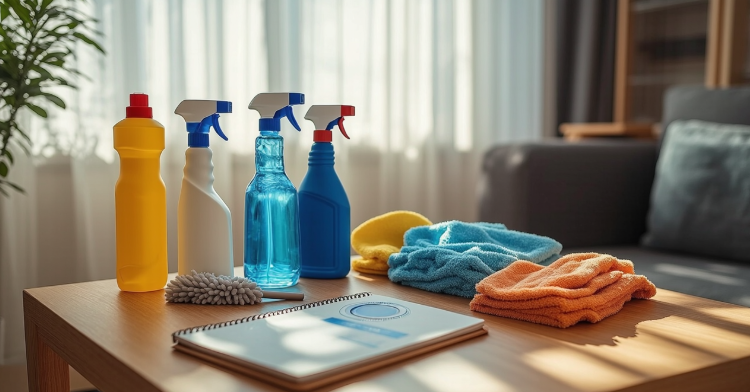
When starting a housekeeping business, it's essential to invest in the right equipment to ensure efficient and effective cleaning. Here’s a list of the initial equipment you should consider purchasing:
Basic Cleaning Tools
Vacuum Cleaner: A high-quality vacuum with attachments for different surfaces (carpet, hardwood, upholstery) is crucial for thorough cleaning.
Broom and Dustpan: Essential for sweeping up debris and dirt from floors.
Mop and Bucket: Necessary for cleaning hard floors; consider both wet and dry mops.
Microfiber Cloths: Versatile and effective for dusting and wiping surfaces; use color-coded cloths for different areas (e.g., kitchen vs. bathroom).
Sponges and Scrubbers: For scrubbing surfaces and tackling tough stains.
Dusters: Long and short dusters to reach various surfaces, including high or delicate areas.
Cleaning Supplies
All-Purpose Cleaners: Basic multipurpose cleaners for general cleaning tasks.
Glass Cleaner: For streak-free cleaning of windows and mirrors.
Disinfectant Cleaner: Important for sanitizing surfaces, especially in kitchens and bathrooms.
Trash Bags: Various sizes for disposing of waste during cleaning jobs.
Paper Towels: Handy for quick cleanups and drying surfaces.
Personal Protective Equipment
Rubber Gloves: Protect your hands from harsh chemicals and dirt.
Masks: Useful when using strong cleaning products or when dusting.
Shoe Covers: To keep clients' homes clean while working.
Organizational Tools
Janitorial Cart or Caddy: To transport your supplies efficiently from one job to another.
Laundry Bag: For storing used cloths or rags that need to be washed.
Optional Specialized Equipment
Depending on the services you plan to offer, you may also consider investing in:
Carpet Cleaning Machine: For deep cleaning carpets, if you plan to include this service.
Steam Cleaner: Effective for sanitizing various surfaces without chemicals.
Pressure Washer: Useful if you plan to offer outdoor cleaning services.
By equipping yourself with these essential tools and supplies, you'll be well-prepared to start your housekeeping business effectively and professionally.
Conclusion
Starting a housekeeping business can be a fulfilling and profitable venture, especially in today’s fast-paced world where many individuals and families seek assistance with maintaining their homes. By carefully planning your approach, from identifying the services you will offer to setting a reasonable budget and investing in the right equipment, you can establish a strong foundation for your business.
As you embark on this journey, remember the importance of delivering high-quality service and building lasting relationships with your clients. Effective marketing strategies, a diverse range of services, and a commitment to customer satisfaction will help you stand out in a competitive market.
With dedication, hard work, and a proactive approach to managing your business, you can turn your housekeeping venture into a successful enterprise that not only meets the needs of your clients but also provides you with personal and financial rewards. Embrace the challenges ahead, stay adaptable, and watch your business thrive!
FAQs
1. What services should I offer in my housekeeping business?
You should consider offering a range of services, including regular cleaning, deep cleaning, move-in/move-out cleaning, carpet and upholstery cleaning, window cleaning, and eco-friendly cleaning options. Tailoring your services to meet client needs can help attract a broader customer base.
2. How much should I charge for my cleaning services?
Pricing can vary based on your location, the services offered, and market demand. Research competitor rates to establish competitive pricing. Consider charging by the hour or offering flat rates for specific services.
3. Do I need a business license to operate a housekeeping business?
Yes, most areas require you to register your business and obtain any necessary licenses or permits. Check with local regulations to ensure compliance before starting operations.
4. What equipment do I need to start my housekeeping business?
Essential equipment includes a vacuum cleaner, mop and bucket, broom and dustpan, microfiber cloths, sponges, all-purpose cleaners, disinfectants, and personal protective equipment like gloves and masks.
5. How can I find clients for my housekeeping business?
Market your services through social media, local advertising, word-of-mouth referrals, and online platforms like Google Business Profile or Yelp. Building a professional website can also help attract clients.
6. Should I hire employees or work alone?
Starting as a solo cleaner allows you to minimize costs while gaining experience. As your business grows and demand increases, you may consider hiring additional staff to manage larger workloads.
7. How do I ensure customer satisfaction?
Deliver high-quality service consistently, communicate clearly with clients about their needs, and seek feedback after each job. Building strong relationships with clients can lead to repeat business and referrals.
8. What insurance do I need for my housekeeping business?
Liability insurance is essential to protect your business against potential claims for damages or accidents that may occur during cleaning jobs. Consider additional coverage based on your specific services.
9. How can I manage my finances effectively?
Create a detailed budget that includes startup costs, monthly operating expenses, and projected income. Use accounting software or hire an accountant to track expenses and manage cash flow effectively.
10. What should I do if I encounter difficult clients?
Maintain professionalism when dealing with challenging clients. Listen to their concerns, address issues promptly, and strive for solutions that satisfy both parties. If necessary, set clear boundaries regarding expectations and service limits.