
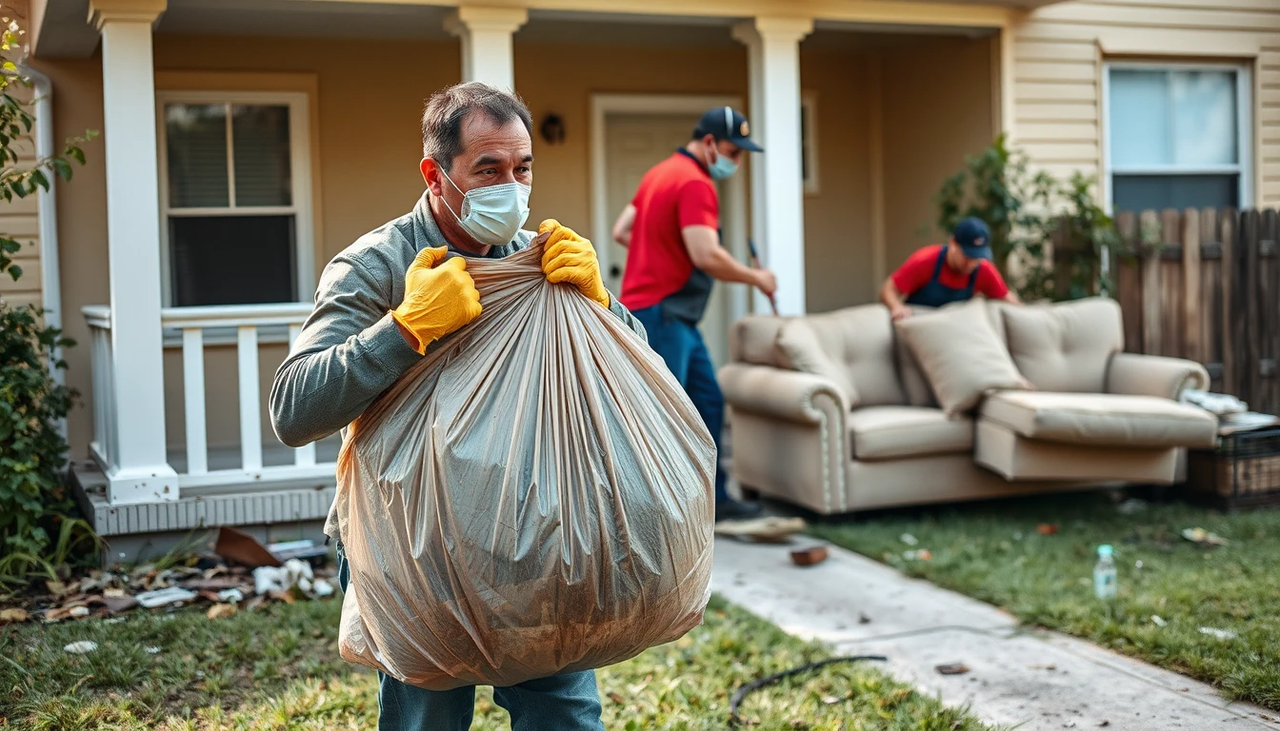

The foreclosure cleaning business emerged as a response to the 2008 financial crisis when foreclosures surged. Even though the housing market has since stabilized, there remains a steady demand for specialized services to clean and restore foreclosed properties for sale. Banks, lenders, and government agencies like HUD (Housing and Urban Development) often hire contractors to handle this work.
Foreclosed properties are typically left in poor condition, with previous occupants often leaving behind furniture, trash, or even damaging the property. As a foreclosure cleaning business owner, your role goes beyond basic cleaning—it may include tasks like trash removal, minor repairs, landscaping, and ensuring the property is presentable for potential buyers.
This business offers low startup costs and high-profit margins but demands meticulous planning, strong organizational skills, and compliance with legal guidelines.
By following these steps and maintaining professionalism in all dealings, you can establish a successful foreclosure cleaning business that meets the needs of lenders while generating steady revenue.
Starting a foreclosure cleaning business involves several key steps to ensure you establish a strong foundation and meet the specific demands of this niche market. Here are the essential steps:
By following these steps, you can establish a successful foreclosure cleaning business that meets the needs of lenders while ensuring profitability.
Finding potential clients for your foreclosure cleaning business requires a strategic approach to target key stakeholders in the real estate and property management sectors. Here are the most effective methods:
Banks and lending institutions are primary clients for foreclosure cleanup services, as they need properties restored to marketable condition. Establish connections with local banks and lenders to secure recurring contracts.
Real estate agents often require cleanup services to enhance the appeal of foreclosed properties. Building relationships with agents can lead to a steady stream of clients.
Property management companies handle foreclosed homes and may need cleanup services for rental or sale preparation. Partnering with these companies can provide reliable business opportunities.
Investors and property flippers frequently purchase distressed properties and require cleanup services for debris removal and minor repairs. Focus on this market to secure substantial projects.
Government agencies, such as housing authorities or local municipalities, often acquire foreclosed properties and need cleanup assistance. Establishing relationships with these agencies can lead to long-term contracts.
HOAs may need cleanup services for neglected properties within their communities. Targeting HOAs in areas with high foreclosure rates can provide consistent work.
Use online platforms that connect property owners and investors with service providers. These platforms can help generate leads but also increase competition, so ensure your business stands out.
Promote your business on platforms like Instagram and Facebook through posts, videos, and CTAs. Short, engaging content can effectively attract potential clients.
Send newsletters, offers, and tutorials to prospects and clients. Email marketing helps maintain brand awareness and engagement.
Ensure your business ranks high in local search results by optimizing your website for relevant keywords. Local SEO is crucial for attracting clients in your area.
By targeting these key groups and utilizing diverse marketing strategies, you can effectively find and secure clients for your foreclosure cleaning business.
To efficiently run a foreclosure cleaning business, you’ll need a variety of equipment and supplies tailored to the specific tasks involved. Here’s a breakdown of the essential items:
The specific equipment you need will depend on the services you offer, such as focusing solely on debris removal or expanding to include interior cleaning and yard maintenance.
To market your foreclosure cleaning business effectively, you need a comprehensive strategy that combines relationship building, digital presence, and targeted outreach. Here are the key approaches:
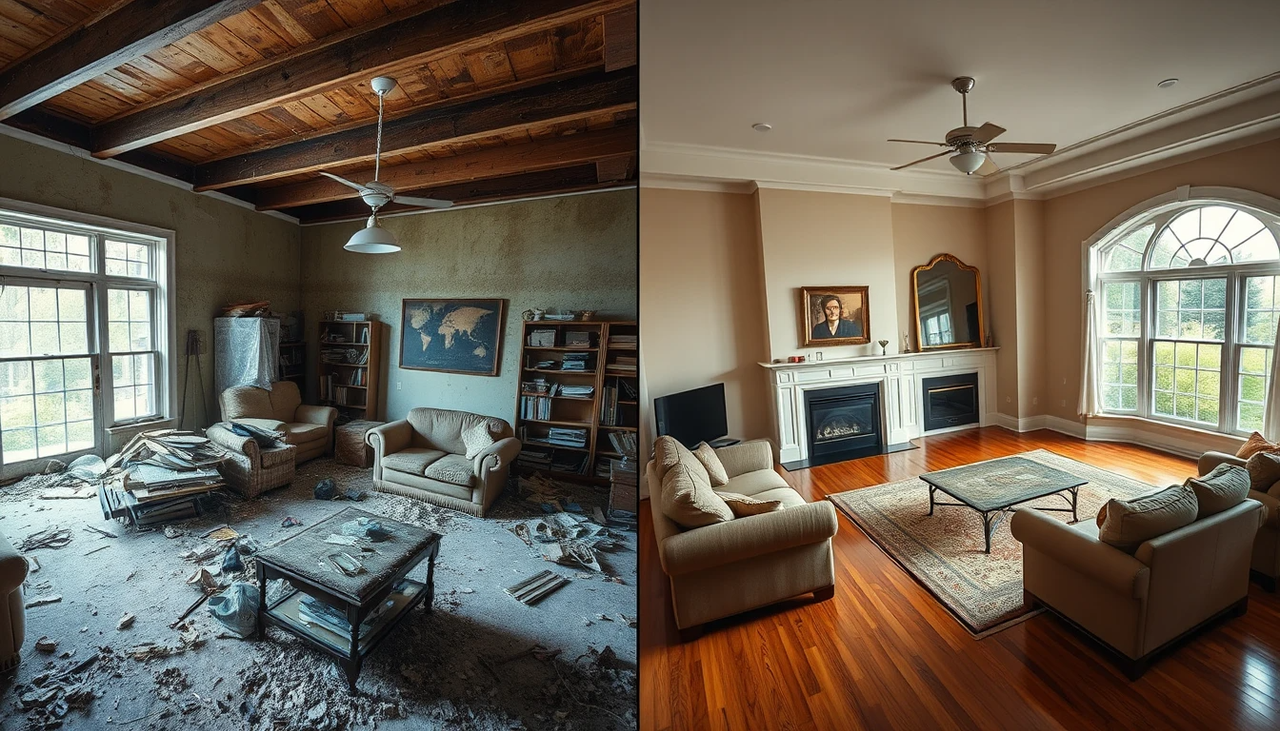
By combining these strategies—relationship building, digital marketing, direct outreach, local advertising, and trust-building—you can effectively market your foreclosure cleaning business and attract long-term clients.
Starting a foreclosure cleaning business involves adhering to several legal and regulatory requirements to ensure compliance and protect your business. Here are the key considerations:
Register your business with the appropriate government agencies, which typically involves choosing a business name and filing with the Secretary of State or a similar entity. Check local government offices or the Small Business Administration for specific requirements in your area.
Obtain necessary licenses and permits, which may include general business licenses, contractor licenses, and waste management permits. Requirements vary by jurisdiction, so research local regulations thoroughly.
Secure appropriate insurance coverage, including general liability, workers' compensation, and professional liability insurance. This protects both you and your clients from potential liabilities.
Comply with environmental laws, especially when handling hazardous materials like asbestos, lead-based paint, or mold. You may need certifications or accreditations from relevant environmental agencies to legally manage and dispose of such materials.
Draft clear and legally binding contracts with clients that outline the scope of work, pricing, and terms. Consult a legal professional to ensure your contracts are comprehensive and compliant with local laws.
Understand and adhere to local laws, including zoning restrictions, noise ordinances, and waste disposal regulations. Non-compliance can result in fines or penalties.
If hiring employees, comply with labor laws such as minimum wage requirements, safe working conditions, and proper payroll procedures. This includes maintaining accurate records and adhering to employment regulations.
Most banks and lenders require bonding for foreclosure cleanup businesses. This protects them from potential losses due to theft or damage during the cleanup process.
In some jurisdictions, foreclosure cleanup services may be subject to retail sales tax. Ensure you understand and comply with tax reporting requirements, especially if acting as a subcontractor.
By addressing these legal considerations, you can establish a compliant and professional foreclosure cleaning business while minimizing risks.
Starting a foreclosure cleaning business is a promising entrepreneurial opportunity with low startup costs and high-profit potential. By understanding the market, registering your business, acquiring essential equipment, and building strong relationships with key stakeholders like banks, real estate agents, and government agencies, you can establish a solid foundation for success. Effective marketing strategies—such as digital outreach, direct advertising, and leveraging testimonials—will help you attract and retain clients. Additionally, ensuring compliance with legal and regulatory requirements, such as licenses, insurance, and environmental laws, is crucial to protect your business and maintain professionalism.
With careful planning, dedication, and a focus on delivering high-quality services, your foreclosure cleaning business can thrive in this niche market, providing a valuable service to clients while generating steady revenue. Stay adaptable, continuously refine your operations, and seize opportunities to scale your business as you grow.
A foreclosure cleaning business specializes in cleaning, trash removal, and minor repairs for foreclosed properties to prepare them for sale or rental. Services often include debris removal, interior cleaning, landscaping, and property preservation.
Startup costs typically range from $5,000 to $10,000, covering equipment, insurance, marketing, and business registration. Costs can vary based on the scale of your operations and whether you hire employees.
Yes, most jurisdictions require a general business license. Depending on your location, you may also need specific permits for waste disposal or hazardous material handling.
Essential equipment includes dumpsters or trailers for trash removal, cleaning supplies, gloves, masks, shovels, rakes, and basic tools. Optional items include pressure washers and lawn care equipment.
Target banks, real estate agents, government agencies, and property investors. Use networking, direct outreach, and digital marketing strategies like social media, email campaigns, and SEO-optimized websites.
Yes, general liability insurance and workers' compensation insurance are essential to protect your business from potential liabilities. Some clients may also require bonding.
Pricing depends on the scope of work, property size, and local market rates. Many businesses charge per job or by the square footage of the property. Always provide detailed estimates.
Ensure compliance with business registration, licensing, environmental regulations, and labor laws. Draft clear contracts with clients and adhere to local zoning and waste disposal regulations.
Yes, many entrepreneurs start part-time while maintaining another job. This allows you to build your client base and gain experience before transitioning to full-time.
Expand your services to include repairs, landscaping, or corporate cleanouts. Invest in marketing, hire employees, and establish partnerships with subcontractors to handle larger projects. Regularly update your business plan to reflect growth goals.