
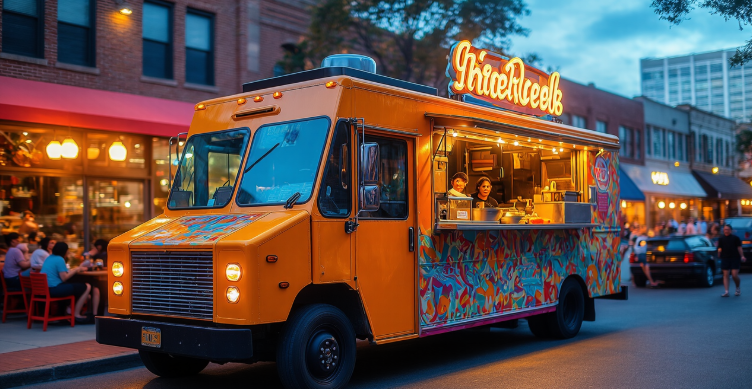

Starting a food truck business in Texas can be an exciting and rewarding venture, especially given the state's vibrant food culture and growing demand for mobile dining options. However, launching such a business requires careful planning, adherence to regulations, and a clear understanding of the operational landscape. This guide outlines the essential steps to successfully start a food truck business in Texas.
Before diving into the logistics of permits and licenses, it's crucial to research the local food truck scene. Understanding your competition and identifying your target audience will help you develop a unique food truck concept that stands out. Consider the following aspects:
A comprehensive business plan is vital for outlining your vision and strategy. Key components should include:
This plan will serve as a roadmap for your business and is often required when seeking financing or permits.
Navigating the regulatory landscape is one of the most critical steps in starting your food truck business. In Texas, you will need various licenses and permits:
Research local regulations as they can vary significantly by city or county.
Once you have secured the necessary permits, it's time to purchase a food truck. Considerations include:
Investing in quality equipment will enhance efficiency and customer satisfaction.
Crafting a menu that resonates with your target audience is vital. Focus on:
Incorporating local flavors or trending dishes can also give you an edge in a competitive market.
Effective marketing strategies are essential for attracting customers. Utilize social media platforms to promote your location, menu specials, and events. Engaging with local communities through festivals or partnerships can also enhance visibility.
By following these steps—researching the market, planning meticulously, securing permits, equipping your truck properly, and marketing effectively—you can set yourself up for success in the thriving Texas food truck industry.
New food truck owners in Texas encounter several common challenges that can significantly impact their success. Understanding these obstacles is crucial for navigating the complexities of running a mobile food business. Here are some of the most prevalent issues faced by new food truck entrepreneurs:
One of the primary challenges is navigating the intricate web of licenses and permits required to operate legally. Texas has specific regulations that vary by city, including health permits, business licenses, and parking permits. Many new owners underestimate the time and effort needed to secure these documents, which can lead to delays in launching their business.
New food truck owners often underestimate the startup costs involved in launching their business. Beyond purchasing the truck, expenses for equipment, permits, insurance, and initial inventory can accumulate quickly. Without a comprehensive budget that includes these hidden costs, owners may find themselves financially strained within the first few months of operation.
Choosing the right location is critical for attracting customers. Many new food truck operators make the mistake of parking in low-traffic areas or locations that do not align with their target demographic. A poor location can lead to disappointing sales and wasted resources. Understanding local foot traffic patterns and securing prime spots is essential for maximizing revenue.
Creating a menu that appeals to customers while being cost-effective to produce can be challenging. New owners must balance popular items with those that are feasible to prepare in a limited space. Additionally, adapting the menu to seasonal preferences or local trends is vital for maintaining customer interest.
Effective marketing strategies are crucial for drawing customers to a food truck. New owners often struggle with finding the best ways to promote their business, whether through social media, local events, or partnerships with other businesses. Building a loyal customer base requires consistent engagement and creative marketing efforts.
Maintaining the food truck and ensuring all equipment is in good working order is another significant challenge. Mechanical issues can disrupt service and lead to lost sales if not addressed promptly. Establishing a regular maintenance schedule is essential for minimizing downtime and operational disruptions.
By being aware of these challenges and preparing accordingly, new food truck owners in Texas can increase their chances of building a successful and sustainable business in this competitive industry.
Effectively marketing your food truck business in Texas requires a strategic approach to reach your target audience and build a loyal customer base. Here are several effective strategies to consider:
Utilizing platforms like Instagram, Facebook, and TikTok is essential for promoting your food truck. Share high-quality images of your dishes, engage with followers through contests and polls, and provide real-time updates about your location and specials. Regularly posting content that highlights your menu can attract new customers and keep existing ones informed about your offerings.
Your food truck serves as a mobile billboard. Invest in vibrant branding that showcases your menu and contact information. A well-designed truck can grab attention and entice passersby to stop and try your food.
Attending local festivals, farmers' markets, and community events can significantly increase your visibility. These venues allow you to showcase your food to a larger audience, making it easier to attract new customers who may not have encountered your truck otherwise.
Collaborating with nearby businesses can enhance your marketing efforts. Consider partnering with breweries or coffee shops to offer joint promotions or serve food at their events. This cross-promotion can help you reach new audiences while supporting local enterprises.
Encouraging repeat business is vital for long-term success. Consider creating a loyalty program where customers earn rewards for frequent purchases, such as discounts or free items after a certain number of visits. This not only incentivizes return visits but also fosters customer loyalty.
Collect customer emails to send newsletters featuring menu updates, special promotions, and location schedules. Email marketing helps maintain engagement with your customer base and keeps them informed about exclusive offers.
Creating urgency through limited-time offers can drive immediate traffic to your truck. Promote special deals or new menu items that are available for a short period to encourage customers to visit sooner rather than later.
Identify local food bloggers or social media influencers who align with your brand and invite them to try your food in exchange for promotion on their platforms. This word-of-mouth advertising can significantly boost your visibility among potential customers.
Ensure you have an informative website that includes menus, locations, and an option for online ordering if possible. Additionally, focus on local SEO practices so that your food truck appears in searches related to nearby dining options.
By implementing these strategies, you can effectively market your food truck business in Texas, attract more customers, and build a strong community presence within the competitive food truck landscape.
When considering the best locations to park a food truck in Texas, it's essential to identify areas with high foot traffic, community engagement, and favorable regulations. Here are some prime spots across major cities:
Participating in local festivals, farmers' markets, or community events can provide excellent exposure. Events like the Austin City Limits Music Festival or Houston's Art Car Parade attract large crowds and present opportunities for food trucks to showcase their offerings.
Parking near universities such as the University of Texas at Austin or Texas A&M University can yield consistent business from students seeking affordable meal options.
Setting up in business districts during lunch hours can attract office workers looking for convenient dining options. Researching local regulations regarding parking in these areas is crucial to ensure compliance.
By strategically selecting locations with high visibility and foot traffic, food truck owners in Texas can maximize their customer reach and enhance their chances of success in this competitive market.
Starting a food truck business in Texas requires careful financial planning, as initial capital needs can vary widely based on several factors. Here’s a breakdown of the estimated costs involved:

Licensing is a crucial component of startup costs in Texas:
Effective marketing is essential for attracting customers:
Insurance is necessary for protecting your business:
Considering all these factors, the total initial capital required to start a food truck business in Texas generally falls within the range of:
Planning for unexpected expenses is also advisable; setting aside an additional 5-10% of your total budget for contingencies can provide a safety net as you establish your business
To operate a food truck in Texas, you must adhere to various health and safety regulations designed to ensure food safety and protect public health. Here are the key regulations you need to follow:
Some cities require food trucks to operate from a registered Central Preparation Facility (CPF) or commissary kitchen. This facility serves as a base for food preparation, storage, and cleaning.
Follow local regulations for waste disposal, including proper management of grease and cooking oil. Ensure that trash receptacles are available and emptied regularly.
Food trucks must provide access to restrooms for employees during operating hours, which may require agreements with nearby businesses.
Your food truck must comply with fire safety protocols, which may include having a fire extinguisher on board and ensuring proper ventilation systems are in place to manage cooking fumes.
By adhering to these regulations, you can operate your food truck legally and safely in Texas while protecting both your customers and your business from potential liabilities. Always check with your local health department for specific requirements in your area, as they can vary significantly across the state.
Starting a food truck business in Texas can be a thrilling and rewarding endeavor, especially given the state's rich culinary landscape and vibrant food culture. However, navigating the complexities of licensing, health regulations, and operational challenges is essential for success. By understanding the initial capital requirements, identifying prime locations, and adhering to health and safety standards, you can lay a solid foundation for your food truck venture.
Moreover, effective marketing strategies will help you attract and retain customers in a competitive environment. As you embark on this journey, remember that preparation, adaptability, and a passion for food are key ingredients to thriving in the dynamic world of food trucks. With careful planning and dedication, your food truck can become a beloved fixture in your community, delighting customers with delicious offerings and creating lasting memories. Embrace the adventure ahead, and best of luck as you turn your culinary dreams into reality!
You will need a public health permit, a mobile food facility permit, and potentially a Central Preparation Facility (CPF) permit, depending on your location. Additionally, ensure all employees have valid Food Handler's Licenses.
Startup costs can vary widely but typically range from $50,000 to $200,000. This includes the cost of the truck, equipment, permits, initial inventory, and marketing expenses.
Many cities in Texas require food trucks to operate from a registered commissary kitchen or Central Preparation Facility (CPF) for food preparation, storage, and cleaning.
Look for areas with high foot traffic, such as business districts, college campuses, local events, and food truck parks. Research local regulations regarding parking and permits for your chosen locations.
You should consider obtaining general liability insurance, vehicle insurance, and workers' compensation insurance if you have employees. This will help protect your business from potential liabilities.
Utilize social media platforms to promote your menu and location, participate in local events, build partnerships with other businesses, and create loyalty programs to engage customers.
You must comply with local health department regulations regarding food safety practices, equipment standards, employee training, waste management, and fire safety protocols.
Yes, but you will need to obtain the appropriate permits and licenses for selling alcohol in Texas. Regulations vary by city and county, so check with local authorities for specific requirements.
Follow local regulations for waste disposal and ensure you have proper trash receptacles on-site. Many areas require you to dispose of grease and cooking oil responsibly; consider partnering with a waste disposal service.
Your menu should reflect your target audience's preferences while being feasible to prepare in your food truck's limited space. Consider seasonal ingredients and popular trends to keep offerings fresh and appealing.