
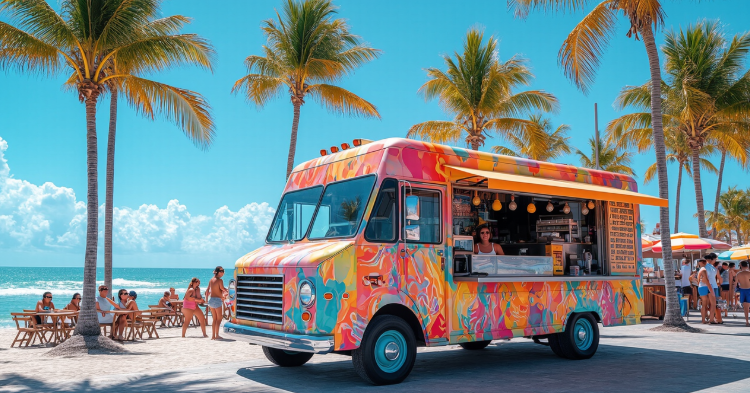

Starting a food truck business in Florida can be an exciting and rewarding venture, especially given the state's vibrant culinary scene and favorable climate. With a diverse population and a thriving tourism industry, Florida offers numerous opportunities for food truck entrepreneurs to showcase their culinary talents. However, launching a food truck requires careful planning, compliance with local regulations, and a solid understanding of the market. This guide will walk you through the essential steps to successfully start your food truck business in Florida.
Creating a comprehensive business plan is crucial for outlining your concept, target market, and financial projections. Consider factors such as your menu offerings, pricing strategy, and potential locations where your food truck will operate. Conduct market research to identify competitors and understand customer preferences in your area.
Decide on the legal structure of your business, such as a sole proprietorship or LLC. Register your business with the Florida Department of State to obtain a business license, which is necessary for operating legally.
Florida has specific requirements for food truck operators, including:
Food trucks must have an agreement with an approved commissary where they can prepare food, store supplies, and maintain their vehicles. This is essential for meeting health standards if your truck lacks adequate facilities.
Invest in a suitable vehicle that meets your operational needs. Ensure it is equipped with the necessary cooking equipment and complies with local health regulations.
Design a menu that reflects your culinary style while considering ingredient availability and cost. Establish relationships with reliable suppliers to ensure consistent quality and timely deliveries.
Develop a marketing plan that includes branding, social media presence, and local advertising to attract customers. Engaging with the community through events or partnerships can also enhance visibility.
Once all preparations are complete, plan a grand opening event to generate buzz around your new business. Ensure that you maintain high standards of service and product quality to build a loyal customer base.
By following these steps and staying informed about local regulations, you can successfully navigate the process of starting a food truck business in Florida. With dedication and creativity, your food truck can become a beloved fixture in the local culinary landscape.
Florida's food truck scene is vibrant and diverse, reflecting the state's rich culinary culture and the preferences of its residents and tourists. Here are some of the most popular food truck concepts that have gained traction across the state:
Food trucks specializing in gourmet burgers are a staple in Florida. Trucks like The Burger Bus serve a variety of mouthwatering burgers, often incorporating unique ingredients and flavors to elevate the classic burger experience.
Taco trucks are immensely popular, offering everything from traditional tacos to innovative fusions. Trucks like The Walking Taco cater to a wide audience with their flavorful taco offerings, making them a favorite at events and gatherings.
Given Florida's coastal location, seafood food trucks are a natural fit. Concepts like Fresh Catch Seafood Shack provide fresh, local seafood options, including fried and grilled selections that appeal to both locals and tourists.
Barbecue food trucks have carved out a significant niche in Florida. These trucks often feature smoked meats, ribs, and sides that attract barbecue lovers. Oink & Moo BBQ is an example of a food truck that has gained recognition for its quality BBQ offerings.
Fusion food trucks that blend different culinary traditions are increasingly popular. For instance, trucks offering Korean BBQ tacos or gourmet grilled cheese with unique flavor combinations attract adventurous eaters looking for something different.
Dessert-focused food trucks, such as those serving gourmet donuts or specialty ice creams, also thrive in Florida's warm climate. These trucks often draw crowds at festivals and events, providing sweet treats to complement savory meals.
With a growing emphasis on health and wellness, food trucks offering healthy options such as salads, wraps, and vegan dishes are becoming more prevalent. Many of these trucks focus on using fresh, local ingredients to create nutritious meals on the go.
Food trucks specializing in sweet and savory crepes or Belgian waffles have found success by offering customizable options that cater to various tastes. These items are particularly appealing at outdoor markets and festivals.
The diversity of food truck concepts in Florida reflects the state's eclectic culinary landscape, making it an exciting destination for food lovers seeking unique dining experiences on wheels.
Choosing the best location for your food truck in Florida is critical for attracting customers and ensuring the success of your business. Here are key factors to consider when selecting a location:
Identify who your ideal customers are based on demographics such as age, lifestyle, and dining preferences. For instance, if you offer vegan options, consider locations near fitness centers or health-conscious communities. Understanding your audience will help you choose a spot where they frequently gather.
Look for locations with significant foot traffic, such as:
Select locations that are easy to access and highly visible. Ensure there is ample parking for both your food truck and customers. A spot where pedestrians can easily see and reach your truck will enhance spontaneous visits.
Research nearby food trucks and restaurants to understand the competitive landscape. While some competition can be beneficial, too many similar offerings in one area may dilute your customer base. Aim for a location with a balanced mix of food options.
Participating in local farmer's markets or community events can provide consistent opportunities to engage with customers. These venues often attract large crowds looking for diverse food options, making them ideal spots for food trucks.
Florida's climate can influence foot traffic patterns. Consider how seasonal changes might affect customer behavior; for example, beaches are busier during the summer months, while office parks may see higher traffic during weekdays.
Establishing a presence in community-centric areas can foster loyalty among local patrons. Look for neighborhoods that value supporting local businesses and where families feel comfortable dining out.
By carefully evaluating these factors, you can select a location that maximizes visibility, accessibility, and customer engagement, setting your food truck up for success in Florida's competitive culinary landscape.
New food truck owners in Florida face several challenges as they navigate the complexities of launching and operating their businesses. Here are the main challenges identified:
One of the most significant hurdles for food truck operators is the escalating costs associated with running the business. This includes increases in fuel prices, food supplies, vehicle maintenance, and labor costs. Many new owners may not fully anticipate these expenses, which can strain their budgets and affect profitability.
Florida has specific regulations governing food trucks, including obtaining various permits and licenses. The process can be complicated, with requirements varying significantly from one municipality to another. New owners must be diligent in understanding local health codes, zoning restrictions, and other legalities to avoid fines or shutdowns.
Selecting an optimal location is crucial for attracting customers. Many new food truck owners make the mistake of parking in low-traffic areas or locations that do not align with their target audience. A poor location can lead to disappointing sales and wasted resources.
The food truck market in Florida is competitive, with many operators offering similar cuisines. New owners must find ways to differentiate their offerings and establish a unique brand identity to stand out amidst the competition.
Food trucks often face challenges related to inventory management, especially during peak tourist seasons when demand can spike unexpectedly. New owners need to develop effective strategies for sourcing ingredients and managing stock levels to avoid shortages or waste.
Many new food truck operators underestimate the importance of marketing and branding. Without a strong presence on social media or effective promotional strategies, even high-quality food may go unnoticed by potential customers. Building a recognizable brand is essential for attracting and retaining a loyal customer base.
Food trends can change rapidly, and new food truck owners must be flexible in adapting their menus to meet customer preferences. Failing to respond to shifts in consumer demand can hinder growth and profitability.
By being aware of these challenges and preparing accordingly, new food truck owners in Florida can increase their chances of success in this dynamic industry.
Effectively marketing your food truck in Florida requires a strategic approach that leverages both online and offline tactics to attract customers and build brand loyalty. Here are several key strategies to consider:

Social media platforms like Instagram, Facebook, and TikTok are essential for food truck marketing. Share high-quality images of your food, daily locations, and special promotions. Engage with followers by responding to comments and encouraging them to share their experiences. Regular updates can keep your audience informed and excited about your offerings.
Engaging in local events, farmers' markets, and food festivals can significantly boost your visibility. These gatherings attract large crowds, providing an excellent opportunity to showcase your food and connect with potential customers. Apply as a vendor at events that align with your food truck's concept to maximize exposure.
Encouraging repeat business through loyalty programs can be highly effective. Offer rewards such as a free meal after a certain number of purchases or discounts for returning customers. This strategy not only fosters loyalty but also encourages customers to choose your food truck over competitors.
Invest in attractive signage and branding that reflects your food truck's identity. A visually appealing design can draw attention from passersby and make your truck memorable. Consider using vibrant colors and creative displays to showcase your menu items effectively.
Partnering with local food bloggers or social media influencers can expand your reach significantly. Invite them to try your food in exchange for promoting your truck on their platforms. This word-of-mouth advertising can attract their followers, increasing foot traffic to your location.
Implement geo-targeted ads on platforms like Facebook and Google to reach potential customers nearby. When individuals search for food options in their vicinity, targeted ads can direct them to your food truck, driving immediate traffic.
Organize themed days or special events, such as "Taco Tuesdays" or live music nights, to create excitement around your food truck. These events can draw crowds and encourage customers to return regularly for unique experiences.
Encourage customer feedback through surveys or social media interactions to understand their preferences better. Use this information to improve your offerings and service quality, demonstrating that you value their opinions.
Traditional marketing methods still hold value; distribute flyers and business cards at local businesses, community centers, and events. This can help spread awareness about your food truck and provide potential customers with easy access to your contact information.
By implementing these strategies, you can effectively market your food truck in Florida, attract new customers, and build a loyal following in this competitive industry.
When considering the financial implications of starting a food truck business in Florida, prospective owners often weigh the costs of purchasing versus leasing a food truck. Each option has its advantages and disadvantages, which can significantly impact your budget and operational flexibility.
| Aspect | Purchasing a Food Truck | Leasing a Food Truck |
|---|---|---|
| Upfront Costs | Higher initial investment | Lower initial investment |
| Monthly Costs | Ongoing maintenance and insurance expenses | Monthly rental fees (approx. $2,000-$3,000) |
| Customization Control | Complete control over branding | Limited control over customization |
| Flexibility | Less flexibility in operations | Greater flexibility in testing locations |
| Long-Term Investment Potential | Higher potential for long-term growth | Practical for short-term needs |
In summary, purchasing a food truck requires a significant upfront investment but offers long-term benefits such as customization and potential growth. Conversely, leasing provides lower initial costs and flexibility but may lead to higher overall expenses if used long-term. Evaluating your business goals and financial situation will help determine the best option for your food truck venture in Florida.
Starting a food truck business in Florida can be an exciting and lucrative venture, but it requires careful consideration of various factors, including the decision to purchase or lease your vehicle. Each option presents its own set of financial implications, operational flexibility, and long-term benefits. By understanding the costs associated with both purchasing and leasing, as well as the unique challenges and opportunities within the food truck industry, you can make informed decisions that align with your business goals.
Moreover, effective marketing strategies, choosing the right location, and navigating regulatory requirements will play pivotal roles in your success. As you embark on this culinary journey, remain adaptable and responsive to customer preferences while maintaining a strong brand identity. With dedication and creativity, your food truck can thrive in Florida’s vibrant food scene, attracting loyal customers and making a lasting impact in the community. Embrace the adventure ahead, and may your food truck dreams become a delicious reality!
To operate a food truck in Florida, you typically need a mobile food vendor permit, a business license, and a health department permit. Requirements may vary by county or city, so it's essential to check local regulations.
The total cost can vary widely based on factors such as whether you purchase or lease your truck, equipment needs, permits, and initial inventory. On average, starting a food truck can range from $50,000 to $175,000.
No, food trucks cannot park just anywhere. You must adhere to local zoning laws and regulations regarding where food trucks are allowed to operate. Popular spots include busy streets, events, and designated food truck parks.
Consider high-traffic areas with good visibility, proximity to your target audience, and local events. Research competitors and assess foot traffic patterns to identify the best spots for your food truck.
Popular cuisines include gourmet burgers, tacos, seafood, barbecue, fusion dishes, desserts, and healthy options. Trends may vary by region and season, so it's essential to stay updated on local preferences.
Utilize social media platforms to showcase your menu and daily locations, participate in local events and festivals, collaborate with influencers, and implement loyalty programs to attract and retain customers.
Yes, Florida law requires food trucks to operate from an approved commissary where they can prepare food, store supplies, and maintain their vehicles. This is essential for meeting health regulations.
Ongoing costs include fuel, maintenance and repairs, insurance (typically between $2,000 to $5,000 annually), permits and licenses, inventory supplies, and labor costs if you hire employees.
The decision depends on your financial situation and business goals. Purchasing requires a higher upfront investment but offers long-term benefits and customization control. Leasing has lower initial costs but may lead to higher overall expenses over time.
Focus on creating a unique menu that reflects your culinary style while incorporating quality ingredients. Invest in eye-catching branding and marketing strategies that engage customers both online and offline to build a loyal following.