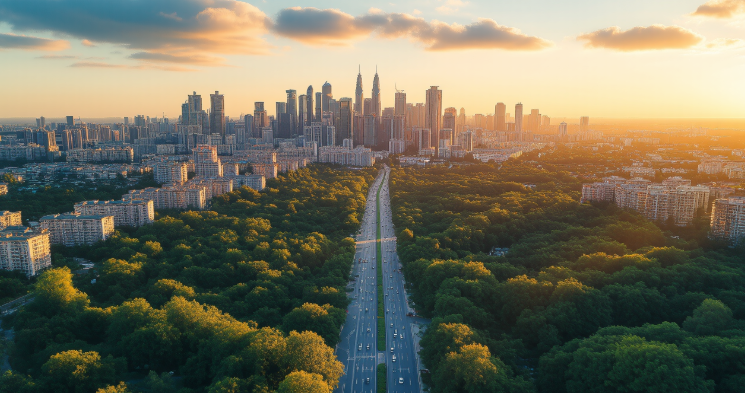
Drone photography has revolutionized the way we capture the world, offering breathtaking aerial perspectives that were once only possible with helicopters or planes. From real estate marketing to wedding photography, drones have opened up a world of creative and commercial opportunities. With the global drone service market expected to reach $42.8 billion by 2025, starting a drone photography business can be a lucrative and exciting venture. This guide will walk you through the essential steps to launch your business and turn your passion into profit.
Steps to Start Your Drone Photography Business
- Obtain Necessary Certifications and Licenses
To operate drones commercially, you need proper certifications. In the U.S., this includes obtaining an FAA Part 107 certification, which involves passing a written exam covering airspace regulations, weather, and drone operations. Certification ensures legal compliance and builds client trust.
- Invest in Equipment and Insurance
Start with a basic but reliable drone equipped with a high-resolution camera. Popular models like the DJI Phantom 4 Pro are great for beginners. Additionally, drone insurance is crucial to protect against accidents and liability risks, enhancing your credibility as a professional.
- Create a Portfolio
Build an impressive portfolio showcasing your skills in different niches such as real estate, events, or landscapes. A strong portfolio helps attract clients and demonstrates your expertise. Use platforms like Instagram or create a dedicated website to display your work.
- Develop a Business Plan
Outline your target market, pricing strategy, and initial investment requirements. A lean startup cost for a drone photography business typically ranges from $2,350 to $5,000, including equipment, certification, insurance, and marketing.
- Market Your Services
Leverage social media platforms and online advertising to reach potential clients. Networking at industry events and collaborating with local businesses can also help you establish connections and grow your customer base.
- Expand Your Skills and Services
As you gain experience, consider investing in advanced drones and software for specialized services like 3D mapping or thermal imaging. Expanding your skill set allows you to tap into additional markets such as construction or agriculture.
What are the best drones for beginners in drone photography?
Top Recommendations
- DJI Mini 4 Pro
- Weight: 249g (FAA registration-free in standard configuration)
- Camera: 4K60 video (HDR/D-Log M), 48MP/12MP photos, vertical video support
- Features: 360° obstacle avoidance, 34-minute flight time, dual remote options
- Best for: Creators prioritizing safety and advanced video profiles.
- DJI Mini 3
- Weight: 249g (registration-free)
- Camera: 4K30 video, 12MP Raw/DNG photos, upward gimbal tilt
- Features: Budget-friendly ($339–$549), 38–51-minute flight time, FlySafe safety
- Best for: Beginners seeking quality without obstacle avoidance.
- DJI Flip
- Weight: Under 250g (registration-free)
- Camera: 4K HDR60 video, 48MP Raw images, palm launch/land
- Features: Voice commands, automated selfies, Level 5 wind resistance
- Best for: Social media creators and travel photographers.
- Autel Robotics Evo Nano+
- Weight: 249g
- Camera: 4K30 video, 50MP photos, Hyperlapse
- Features: Three-way obstacle sensors, no geofencing restrictions
- Best for: Pilots needing flexibility near controlled airspace.
- DJI Neo
- Weight: 135g (registration-free)
- Camera: 4K stabilized video, 22GB internal storage
- Features: Palm launch/land, automated flight modes
- Best for: Casual users prioritizing portability and ease.
Key Considerations
- Regulation Compliance: All listed drones weigh ≤250g, avoiding FAA registration requirements in standard configurations.
- Obstacle Avoidance: Critical for beginners; the Mini 4 Pro and Evo Nano+ include sensors, while the Mini 3 and Neo lack them.
- Camera Quality: The Mini 4 Pro and Flip excel with HDR/Log profiles, while the Neo suits social media clips.
- Budget: Entry-level options like the Mini 3 ($339) or Neo ($129–$258) balance cost and performance.
For travel photography, the DJI Flip or Mini 4 Pro are ideal, offering portability and pro-grade imaging. Casual users should consider the Neo or Mini 3.
How can I create an effective drone photography portfolio?
Step 1: Plan Your Portfolio
Begin by identifying your niche. Drone photography spans multiple genres, such as real estate, landscapes, events, and wildlife. Focus on the type of photography that aligns with your skills and interests to create a cohesive portfolio that appeals to your target audience.
Step 2: Capture High-Quality Images
- Shoot in RAW Format: This allows for greater flexibility during post-processing, enabling precise adjustments in exposure and color.
- Optimize Composition: Use techniques like the Rule of Thirds, leading lines, patterns, and symmetry to create visually compelling images.
- Experiment with Height and Angles: Capture shots from varying altitudes and perspectives to add depth and uniqueness to your portfolio.
- Leverage Lighting: Schedule flights during golden hours (early morning or late evening) for softer, atmospheric lighting that enhances image quality.
Step 3: Enhance Images Through Post-Processing
Edit your photos using software like Adobe Lightroom or Photoshop. Adjust exposure, colors, and sharpness to refine your images. Consider creating panoramic shots by stitching multiple images together for higher resolution and broader perspectives.
Step 4: Showcase Your Work Online
- Build a Website: Platforms like Portfoliobox or Format offer customizable templates tailored for photographers. These tools allow you to display your work professionally without requiring coding skills.
- Highlight Variety: Include a mix of top-down shots, cinematic techniques (e.g., pull-away or tilt-up shots), and dynamic compositions to demonstrate versatility.
- Engage Your Audience: Integrate social media links or embed multimedia content to promote your work and connect with potential clients.
Step 5: Update Regularly and Seek Feedback
Continuously update your portfolio with fresh content showcasing your growth. Share it on platforms like Instagram to gain feedback from the community and attract new clients.
By following these steps, you can craft a compelling drone photography portfolio that highlights your skills and creativity while appealing to prospective clients.
What are the most common challenges faced by new drone photographers
- Navigating Regulations and Legal Compliance
- Beginners often struggle with understanding drone laws, which vary by country and region. These include restrictions on flight zones, altitude limits, and privacy considerations.
- Acquiring certifications like the FAA Part 107 license (in the U.S.) can be time-consuming and costly.
- Technical Skills and Equipment Mastery
- Operating drones requires specialized skills, including piloting, camera operation, and understanding settings like ISO, shutter speed, and aperture.
- Signal interference, GPS loss, and obstacle avoidance failures are common technical challenges that can lead to crashes or flyaways.
- Environmental Challenges
- Weather conditions such as high winds, rain, or mist can disrupt flights and degrade image quality.
- Low-light conditions require advanced techniques to stabilize shots and avoid noise or blur.
- Cost of Equipment and Maintenance
- High-quality drones with advanced cameras are expensive, often costing several hundred to thousands of dollars. Maintenance and repairs add to the financial burden.
- Carrying spare batteries and ensuring regular maintenance is essential for uninterrupted sessions.
- Competition in the Industry
- The growing popularity of drone photography has led to a saturated market. Standing out requires creativity, niche specialization, and effective marketing strategies.
- Safety Risks and Privacy Concerns
- Drones can pose safety risks to people and property if not handled properly. Beginners may also face challenges with privacy concerns when flying near residential or corporate areas.
By addressing these challenges through proper training, planning, and adherence to regulations, new drone photographers can navigate the complexities of the field and focus on creating stunning aerial imagery.
How do I market my drone photography services on social media
- Create Captivating Visual Content
- Use drones to capture stunning aerial shots, sweeping landscapes, and dynamic angles that stand out in crowded social media feeds.
- Experiment with formats like Instagram Reels, TikTok videos, or YouTube Shorts to showcase your work creatively.
- Incorporate storytelling into your visuals, such as behind-the-scenes footage or showcasing your process, to engage viewers.
- Optimize Posts with Hashtags and Captions
- Use niche-specific hashtags like #DronePhotography, #AerialViews, or #DroneShots to increase discoverability.
- Craft compelling captions that highlight the unique aspects of your services and include calls-to-action (e.g., “Contact us for breathtaking aerial views!”).
- Leverage Social Media Features
- Live Streaming: Use drones to stream live events or projects on platforms like Facebook or Instagram to engage audiences in real-time.
- Carousel Posts: Share a series of drone shots or videos to tell a visual story about a property, event, or landscape.
- Collaborate and Network
- Partner with local businesses (e.g., real estate agencies or event planners) and showcase their properties or events using drone footage.
- Tag collaborators in your posts to expand reach and build credibility within your niche.
- Run Paid Ads and Promotions
- Boost posts featuring your best drone photography on platforms like Instagram and Facebook to target specific demographics based on location, interests, or industry.
- Offer discounts or package deals for first-time clients and promote them through social media campaigns.
- Build Brand Awareness Through Consistency
- Post regularly to maintain visibility and establish a unique visual style using drone imagery.
- Share testimonials or client success stories alongside drone shots to build trust and credibility.
By combining visually stunning content with strategic social media practices, you can effectively market your drone photography services and attract a wider audience.
What are the legal requirements for flying drones commercially
Bangladesh
- Licensing and Certification
- Remote Pilot Certificate: Required for Class A (recreational), B (non-commercial), and C (commercial) drones. Pilots must hold a valid Class 3 medical certification approved by CAAB or an ICAO-member state.
- Registration: Mandatory for drones weighing over 248 grams or with a controller range exceeding 100 meters.
- Permissions
- Flight Authorization: Submit applications to CAAB 45 days in advance, including pilot details, flight purpose, drone specifications, coordinates, and insurance proof.
- Insurance: Liability insurance is mandatory for all operations.
- Operational Restrictions
- Height: Maximum 200 feet above ground level (AGL).
- Airports: Special authorization required within 10 nautical miles of aerodromes.
- Property Rights: Permission from landowners for launch/landing.
United States
- FAA Part 107 Certification
- Remote Pilot Certificate: Required for commercial operations. Pilots must pass a written exam on airspace, weather, and drone safety.
- Waivers: Required for operations beyond visual line of sight, above 400 feet, or over people (unless exempted under amended rules).
- Registration
- Drone Weight: Registration mandatory for drones over 250 grams.
- Remote ID: Required for all drones to enable real-time identification.
- Operational Limits
- Height: Below 400 feet AGL.
- Airspace: Avoid restricted zones (e.g., airports, critical infrastructure).
United Kingdom
- Insurance
- Liability Coverage: Mandatory for commercial operations.
- No Separate License: Commercial flights do not require explicit approval but must adhere to general drone rules.
General Considerations
- Documentation: Carry proof of insurance, pilot details, and manufacturer guidelines during flights.
- Privacy: Avoid sensitive areas (e.g., residential zones) without consent.
- Global Variations: Regulations differ by country (e.g., India’s DGCA mandates UINs and anti-collision lights).
For compliance, consult local aviation authorities (e.g., CAAB in Bangladesh, FAA in the U.S.) and stay updated on policy changes.
Conclusion
Starting a drone photography business requires careful planning, compliance with regulations, and a focus on quality and innovation. By mastering drone operations, building a strong portfolio, and leveraging social media effectively, you can carve a niche in this rapidly growing industry. Whether you specialize in real estate, events, or creative projects, the key lies in balancing technical expertise with creative vision.
Key Takeaways:
- Regulatory Compliance: Certifications like FAA Part 107 or CAAB approvals are non-negotiable for commercial operations.
- Invest in Quality: Prioritize drones with advanced cameras and obstacle avoidance for professional-grade results.
- Market Strategically: Use social media to showcase your work, collaborate with local businesses, and highlight unique perspectives.
- Adapt and Grow: Stay updated on industry trends, expand your skill set (e.g., thermal imaging or 3D mapping), and diversify your services to stay competitive.
With dedication and a willingness to innovate, your drone photography venture can soar to new heights, offering clients unparalleled aerial insights while turning your passion into a thriving career.
FAQs
- Do I need a license to fly drones commercially?
Yes. In most countries, commercial drone operations require certifications (e.g., FAA Part 107 in the U.S., CAAB approval in Bangladesh) and insurance. Check local aviation authority guidelines for specifics.
- What’s the best drone for beginners in photography?
Start with lightweight, user-friendly models like the DJI Mini 3 or Autel Evo Nano+, which balance affordability and quality. Prioritize obstacle avoidance and 4K resolution.
- How do I build a drone photography portfolio?
Focus on niche-specific shots (e.g., real estate, landscapes), edit images in RAW format, and showcase them on a professional website or social media. Include testimonials and behind-the-scenes content.
- What are common challenges for new drone photographers?
Regulatory hurdles, technical skill gaps, equipment costs, and competition are frequent obstacles. Mitigate these with training, insurance, and targeted marketing.
- How do I market my services on social media?
Post high-quality aerial visuals, use hashtags like #DronePhotography, collaborate with local businesses, and run targeted ads. Highlight unique angles and client success stories.
- Can I fly drones near airports or restricted areas?
No. Most regulations prohibit flights within a certain radius of airports or sensitive zones. Always check airspace restrictions via apps like B4UFLY (U.S.) or Drone Assist (UK).
- Do I need liability insurance for commercial drone operations?
Yes. Insurance protects against accidents, property damage, or injuries. It’s often mandatory for commercial permits (e.g., FAA requires coverage for Part 107 flights).
- How do I handle bad weather during a drone shoot?
Avoid flying in rain, high winds, or extreme temperatures. Use weather apps to plan flights during optimal conditions (e.g., golden hour for soft lighting).
- Can I use drone footage for both personal and commercial projects?
Yes, but ensure you have the necessary permits for commercial use. Recreational flights often have fewer restrictions, but commercial operations require compliance with aviation laws.
- How do I stay updated on drone regulations?
Subscribe to newsletters from aviation authorities (e.g., FAA, CAAB), join drone communities, and follow industry blogs to track policy changes and best practices.
Reference