Merchant Alternatives is reader-supported. When you make purchases through links on our site, we may earn a commission. This is always at no additional cost to you and helps us continue to provide accurate, transparent and up-to-date information on the things that matter most to your business, for free.
The drain cleaning industry is a vital part of the broader plumbing sector, offering services to residential, commercial, and industrial clients. With drains inevitably clogging over time, there is a steady need for skilled professionals to resolve these issues. This business not only provides financial opportunities but also allows entrepreneurs to establish themselves in a stable and growing market.
Steps to Start a Drain Cleaning Business
1. Research the Market
Assess local demand for drain cleaning services by speaking with residents, businesses, and property managers.
Analyze competitors to understand their service offerings, pricing strategies, and target demographics.
Identify your niche, such as residential drain cleaning, commercial services, or specialized offerings like CCTV drain inspections or hydro jetting.
2. Develop a Business Plan
A solid business plan acts as your roadmap. Key components should include:
Business structure (e.g., sole proprietorship or LLC).
Growth strategies like expanding services or hiring staff.
3. Obtain Licenses and Insurance
Check local regulations for necessary licenses and permits.
Secure insurance policies such as public liability insurance, vehicle insurance, and equipment coverage to protect your business from potential risks.
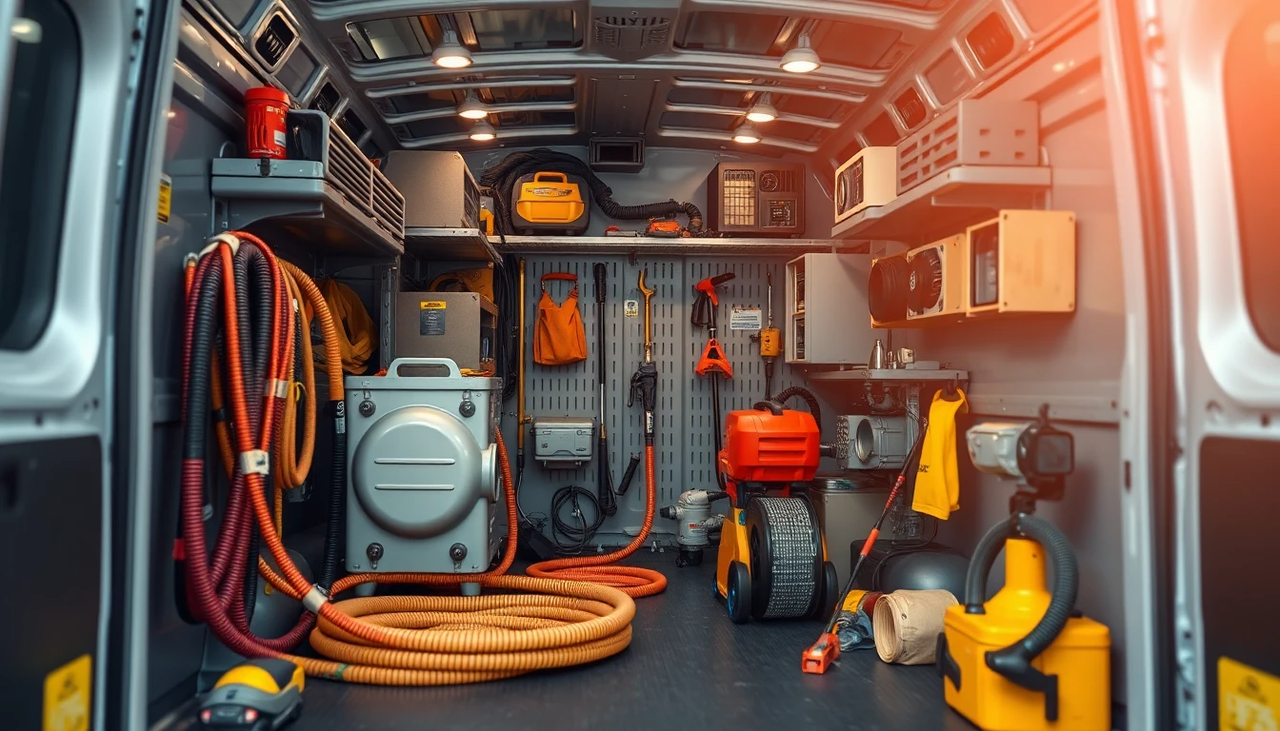
4. Invest in Equipment
Essential tools include:
Drain snakes or augers.
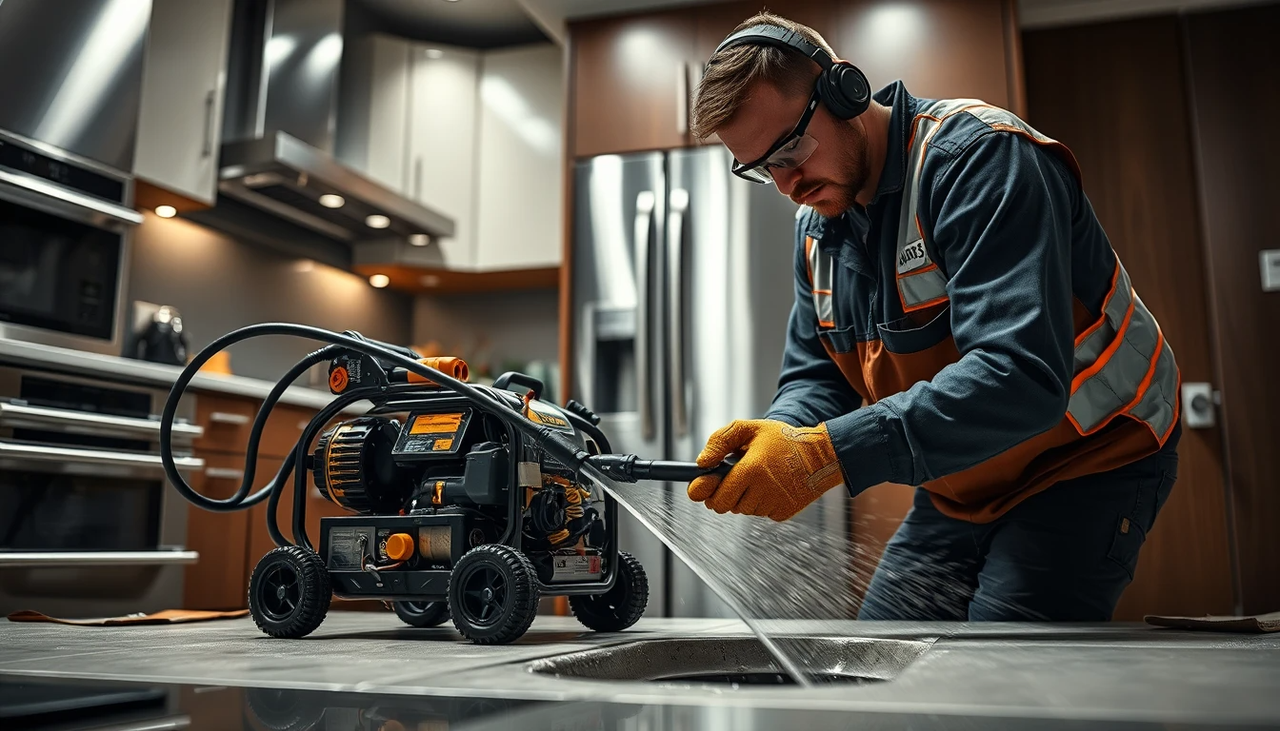
High-pressure jetting machines.
Camera inspection systems.
Wet/dry vacuums and safety gear. Start with basic equipment and upgrade as your business grows.
5. Establish Pricing
Set competitive rates by considering:
Competitor pricing in your area.
Operating costs such as equipment maintenance and travel expenses.
Flexible options like hourly rates, call-out fees, or service plans for regular customers.
6. Market Your Business
Promote your services through:
A professional website showcasing your expertise and customer testimonials.
Social media platforms to reach local audiences.
Networking with plumbers or property managers for referrals.
Traditional methods like flyers and vehicle branding.
7. Provide Excellent Service
Customer satisfaction is crucial for building a strong reputation. Be reliable, transparent about costs, and responsive to emergencies. Offering eco-friendly solutions can also set you apart from competitors.
What are the most common challenges when starting a drain cleaning business
Starting a drain cleaning business can be a profitable endeavor, but it comes with several challenges that entrepreneurs should be prepared to face. Here are the most common challenges:
1. High Initial Investment
Purchasing essential equipment like drain snakes, hydro-jetting machines, and inspection cameras can be expensive. Additionally, acquiring a reliable service vehicle adds to the upfront costs.
Financing options such as loans or leasing may be necessary, but they can add financial pressure in the early stages.
2. Competitive Market
The drain cleaning industry often has established competitors offering similar services. Differentiating your business through pricing, customer service, or niche services is crucial but challenging.
Building a reputation and gaining trust in a crowded market takes time and effort.
3. Regulatory and Licensing Requirements
While drain cleaning itself may not always require licensing, offering additional plumbing services often does. Meeting these legal requirements can be complex and time-consuming.
Entrepreneurs must also comply with local regulations and secure appropriate business insurance.
4. Pricing Challenges
Setting competitive yet profitable rates is difficult. Pricing too low may devalue your services, while pricing too high could deter potential customers.
Balancing costs such as equipment maintenance, labor, and marketing while remaining affordable is an ongoing challenge.
5. Physical Demands and Unusual Hours
Drain cleaning is physically demanding and often involves working in unpleasant conditions like sewage or confined spaces.
Offering emergency services, which are crucial for standing out, can lead to long or irregular hours that may strain work-life balance.
6. Marketing and Customer Acquisition
Effectively promoting your business requires investment in a website, social media presence, and local advertising. For new businesses, gaining visibility and attracting customers can be slow.
Building a network of referrals from plumbers or property managers takes time but is essential for growth.
7. Managing Customer Expectations
Customers expect quick resolutions to urgent issues like clogged drains or leaks. Failing to meet these expectations can harm your reputation.
Providing consistent, high-quality service is critical for retaining clients and generating positive reviews.
8. Equipment Limitations
Starting with basic equipment might limit the types of jobs you can handle, forcing you to turn down larger projects until you can invest in advanced tools like hydro-jets or longer cable machines.
By anticipating these challenges and planning accordingly—through proper financial management, strategic marketing, and excellent customer service—you can increase your chances of building a successful drain cleaning business.
How can I effectively market my drain cleaning services to attract more customers
Effectively marketing your drain cleaning services requires a combination of online and offline strategies tailored to your target audience. Here are proven approaches to attract more customers:
1. Optimize Your Online Presence
Website and Local SEO: Build a professional website optimized for local search terms like "drain cleaning services [city name]." Include clear service descriptions, contact details, and customer testimonials.
Google Business Profile: Claim and optimize your Google Business Profile with accurate business information, photos, and customer reviews. This enhances visibility in local searches.
Social Media Marketing: Use platforms like Facebook and Instagram to share helpful tips, behind-the-scenes content, promotions, and customer success stories. Engage actively with followers to build trust.
2. Leverage Paid Advertising
Google Ads: Run targeted pay-per-click (PPC) campaigns focusing on high-intent keywords such as "emergency drain cleaning near me." Optimize ads with compelling headlines and calls-to-action.
Social Media Ads: Use Facebook Ads to target specific demographics based on location, interests, or behaviors related to home maintenance.
3. Utilize Content Marketing
Blog Posts: Publish articles on topics like "How to Prevent Drain Clogs" or "Signs You Need Professional Drain Cleaning." This positions your business as an expert while driving organic traffic.
Videos: Create short video tutorials or demonstrations showcasing your expertise in drain cleaning techniques.
4. Engage in Offline Marketing
Flyers and Door Hangers: Distribute eye-catching promotional materials in neighborhoods or areas with high demand for drain cleaning services.
Sponsorships: Sponsor local events or sports teams to boost community visibility and goodwill.
5. Build Referral Networks
Collaborate with plumbers, property managers, and contractors for mutual referrals. Offer incentives for referrals to encourage partnerships.
6. Offer Promotions and Loyalty Programs
Run seasonal discounts or bundle deals (e.g., "Book now and get 10% off"). Introduce loyalty programs for repeat customers to increase retention.
7. Monitor Reviews and Reputation
Actively manage online reviews on platforms like Google and Yelp. Respond promptly to feedback—positive or negative—to show professionalism and care for customer satisfaction.
By combining these strategies, you can effectively increase visibility, attract new customers, and grow your drain cleaning business in a competitive market.
What are the best practices for maintaining and cleaning drain cleaning equipment
Maintaining and cleaning your drain cleaning equipment is essential for ensuring its longevity, peak performance, and safety during use. Here are the best practices to follow:
1. Clean Equipment After Every Use
Remove Debris: Thoroughly clean cables, drums, and other components to remove dirt, grease, and debris that accumulate during use.
Wipe Dry: Dry all parts to prevent moisture-related issues like rust or corrosion.
Flush Jetters: If using water jetters, flush out hoses and pumps to remove residue and prevent clogs.
2. Lubricate Cables and Moving Parts
Apply a rust inhibitor or specialized cable lubricant (e.g., Snake Oil) after each use to protect cables from moisture, rust, and chemical exposure.
Regularly grease moving parts such as clutch jaws and bearings to ensure smooth operation.
3. Inspect Equipment Regularly
Check cables for kinks, wear, or damage. Replace them if they show signs of excessive wear or fluctuations in operation.
Inspect belts, hoses, electric cords, and safety features for wear or damage. Replace worn components promptly to prevent breakdowns during use.
4. Perform Routine Maintenance
Schedule preventive maintenance every 200 hours of use or as recommended by the manufacturer. This includes checking oil levels, seals, and pumps for jetters.
Clean retriever devices semi-annually by disassembling them and removing grime from wheels and bearings. Reapply grease after cleaning.
5. Store Equipment Properly
Store tools in a dry location away from moisture and extreme temperatures to prevent rust and motor burnout.
For cold weather storage, run motorized equipment without load to warm up grease and avoid seized bearings.
6. Use Equipment Correctly
Match the tool size to the job (e.g., the right cable for the pipe diameter) to avoid over-torquing or damaging components.
Avoid sharp edges or abrasive surfaces when using jetter hoses to extend their lifespan.
7. Follow Manufacturer Guidelines
Refer to operation manuals for specific maintenance instructions tailored to your equipment. If manuals are unavailable, contact the vendor for guidance.
By implementing these best practices consistently, you can maximize the lifespan of your drain cleaning equipment while minimizing costly repairs or downtime.
How do I determine the right pricing for my drain cleaning services
Determining the right pricing for your drain cleaning services involves a strategic approach that balances profitability with customer satisfaction. Here are key steps to guide you:
1. Analyze Costs
Start by calculating all operational costs, including equipment, labor, vehicle maintenance, insurance, and marketing. This ensures your pricing covers expenses while leaving room for profit.
2. Research Competitors
Investigate local competitors to understand their pricing structures. This helps you position your services competitively without undervaluing or overpricing.
3. Assess Service Complexity
Factor in the severity and location of clogs. Simple blockages (e.g., hair or grease) cost less, while complex issues (e.g., tree roots or deep blockages) require advanced tools and higher pricing.
4. Choose a Pricing Strategy
Economy Pricing: Offer lower rates to attract price-sensitive customers, but ensure profitability.
Premium Pricing: Charge higher rates for superior service, advanced equipment, and exceptional customer support.
Value Pricing: Base prices on the perceived value to customers, focusing on quality and reliability rather than competing solely on price.
5. Consider Seasonal and Regional Factors
Prices may vary by season (e.g., higher demand in winter) and location (e.g., urban vs. rural areas). Adjust rates accordingly to reflect these dynamics.
6. Offer Transparent Estimates
Provide clear, upfront quotes based on job specifics. This builds trust and avoids customer dissatisfaction due to unexpected costs.
7. Highlight Value-Added Services
Differentiate your business by offering guarantees, eco-friendly solutions, or emergency services. These can justify higher pricing and attract loyal customers.
8. Monitor and Adjust
Regularly review your pricing strategy to ensure it aligns with market trends, customer feedback, and business goals. Flexibility is key to long-term success.
By following these steps, you can establish a pricing structure that ensures profitability while meeting customer expectations and staying competitive in the market.
What legal requirements do I need to be aware of when starting a drain cleaning business
When starting a drain cleaning business, understanding and adhering to legal requirements is crucial for lawful operation. Here’s a breakdown of key legal considerations:
1. Business Registration
Register your business with the appropriate local or national authority. For example, in the UAE, register with the Department of Economic Development (DED) or a free zone authority. In the UK, register with HMRC and, if applicable, Companies House.
2. Licenses and Permits
Specific Licenses: Depending on your location, you may need a general business license, a plumber’s license, or a specific drain cleaning license. For instance, in the UAE, obtaining a business license from the DED or free zone authority is mandatory.
Local Approvals: Some areas require additional permits or approvals from local councils, especially for handling hazardous waste or operating in specific zones.
3. Insurance
General Liability Insurance: Protects against property damage or bodily injury claims during service calls.
Workers’ Compensation Insurance: Covers employees in case of job-related injuries.
Vehicle and Equipment Insurance: Ensures protection for your business assets.
4. Compliance with Health and Safety Regulations
Adhere to local health, safety, and environmental standards. This includes proper waste disposal and safe handling of chemicals and equipment.
5. Employment Laws
If hiring staff, comply with employment laws, including payroll requirements and workplace safety standards.
6. Tax and VAT Registration
Register for taxes and, if applicable, VAT. In the UK, for example, businesses with an annual turnover exceeding £85,000 must register for VAT.
By ensuring compliance with these legal requirements, you can establish a legitimate and secure drain cleaning business. Always verify local regulations, as they may vary by region.
Conclusion
Starting a drain cleaning business is a promising venture with steady demand and growth potential. However, success requires careful planning, adherence to legal requirements, and strategic execution. From conducting market research and investing in quality equipment to setting competitive pricing and implementing effective marketing strategies, each step plays a vital role in building a sustainable business.
Additionally, maintaining your equipment, staying compliant with local regulations, and prioritizing customer satisfaction will help you stand out in a competitive industry. By anticipating challenges, staying adaptable, and focusing on delivering exceptional service, you can establish a reputable and profitable drain cleaning business. With dedication and the right approach, this essential service can become a thriving cornerstone of your entrepreneurial journey.
FAQs
1. Do I need a license to start a drain cleaning business?
Yes, most locations require a business license. Depending on your area, you may also need a plumbing or specialized drain cleaning license. Check local regulations for specific requirements.
2. How much does it cost to start a drain cleaning business?
Startup costs typically range from $10,000 to $50,000, depending on equipment, vehicle, licensing, and marketing expenses. Initial investments include tools like drain snakes, hydro-jetting machines, and a service vehicle.
3. What equipment do I need to start a drain cleaning business?
Essential equipment includes:
Drain snakes or augers
Hydro-jetting machines
Inspection cameras
Safety gear (gloves, goggles, etc.)
Wet/dry vacuums
4. How do I price my drain cleaning services?
Base pricing on factors like job complexity, location, and competitor rates. Common pricing models include:
Flat fees for standard jobs
Hourly rates for complex tasks
Emergency service premiums
5. How can I market my drain cleaning business?
Effective marketing strategies include:
Building a professional website with local SEO
Using social media and Google Ads
Distributing flyers and door hangers
Networking with plumbers and property managers
6. What are the biggest challenges in this industry?
Common challenges include:
High initial equipment costs
Competition from established businesses
Managing irregular work hours
Maintaining and repairing equipment
7. How do I maintain my drain cleaning equipment?
Regularly clean and inspect tools, lubricate cables, and replace worn parts. Follow manufacturer guidelines for maintenance schedules to ensure longevity and performance.
8. Do I need insurance for my drain cleaning business?
9. Can I start a drain cleaning business part-time?
Yes, many entrepreneurs start part-time while maintaining another job. This allows you to build a client base and test the market before going full-time.