Merchant Alternatives is reader-supported. When you make purchases through links on our site, we may earn a commission. This is always at no additional cost to you and helps us continue to provide accurate, transparent and up-to-date information on the things that matter most to your business, for free.
Starting a clothing line business can be an exciting and rewarding venture, but it requires careful planning and execution. The fashion industry is highly competitive, with numerous brands vying for consumer attention. However, with a well-defined niche, a solid business plan, and effective marketing strategies, it's possible to establish a successful clothing line that resonates with your target audience. Whether you're interested in creating a sustainable fashion brand, a print-on-demand t-shirt business, or a full-scale manufacturing operation, understanding the key steps involved is crucial. From developing your brand identity and designing your products to sourcing materials and setting up production, each stage plays a vital role in the success of your clothing line. In this guide, we'll explore the essential steps to start a clothing line business, including creating a business plan, choosing a business model, designing and manufacturing your products, and marketing your brand effectively.
Key Considerations for Starting a Clothing Line
Business Plan: A comprehensive plan outlines your brand's mission, target audience, marketing strategies, and financial projections. It helps secure funding and guides your business's growth.
Business Model: Decide whether you'll use hand production, partner with a manufacturer, or adopt a print-on-demand model. Each has different costs and operational requirements.
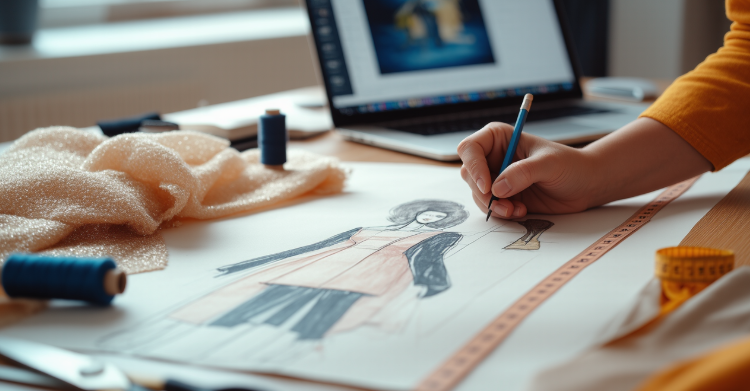
Design and Manufacturing: Develop a unique aesthetic and ensure high-quality production. This can involve sourcing fabrics, designing prototypes, and setting up manufacturing processes.
Marketing and Sales: Build a strong brand identity and use various channels to reach your target audience. This includes social media, online stores, and possibly physical retail spaces.
By focusing on these critical areas, you can navigate the complexities of the fashion industry and build a clothing line that stands out in the market.
Steps to Launch Your Clothing Line
Develop Your Brand Identity: Define your niche and target audience to create a unique brand identity.
Create a Business Plan: Outline your mission, financial projections, and marketing strategies.
Design Your Products: Develop prototypes and source materials.
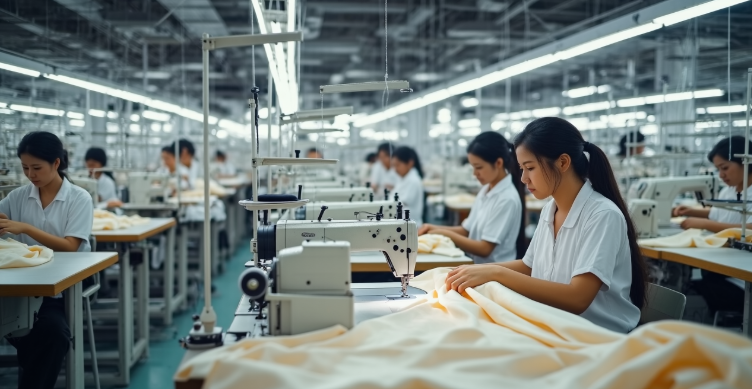
Set Up Production: Choose a manufacturing model that fits your business plan.
Market Your Brand: Use digital marketing and sales channels to reach your audience.
With these steps, you can successfully launch and grow your clothing line business in today's competitive fashion market.
What are the first steps to take when starting a clothing line
When starting a clothing line, the initial steps are crucial for setting up a successful business. Here are the key first steps to consider:
1. Research and Define Your Niche
Market Research: Understand current fashion trends, identify gaps in the market, and analyze competitors.
Target Audience: Determine who your target audience is, including demographics and preferences.
2. Create a Business Plan
Executive Summary: Outline your business mission, goals, and values.
Company Overview: Provide a brief history and description of your clothing line.
Product/Services: Detail the types of clothing you will offer and how you plan to make a profit.
Marketing Strategies: Identify your target customers and outline sales channels.
Financial Projections: Estimate initial investments and revenue timelines.
3. Develop Your Brand Identity
Brand Concept: Define your brand's vision, values, and aesthetic.
Logo and Visuals: Create a recognizable logo and visual identity for your brand.
4. Choose a Business Model
Decide whether you will use hand production, partner with a manufacturer, or adopt a print-on-demand model.
5. Design Your Clothing Line
Inspiration and Design: Develop initial designs based on your brand identity and market research.
Prototyping: Create prototypes to test quality and fit.
By focusing on these initial steps, you can lay a solid foundation for your clothing line and ensure a successful launch.
How do I choose a niche for my clothing line
Choosing a niche for your clothing line is a crucial step in establishing a successful brand. Here are some strategies to help you select the right niche:
1. Identify Your Interests and Expertise
Passion: Choose a niche you're passionate about, as this will make your brand more authentic and engaging.
Expertise: Select a niche where you have deep knowledge or experience, allowing you to make informed decisions about product designs and marketing strategies.
2. Conduct Market Research
Trends and Demand: Use tools like Google Trends and Keyword Planner to analyze current trends and demand in potential niches.
Competitor Analysis: Study successful brands in your chosen niche to identify gaps and opportunities for differentiation.
Customer Feedback: Collect feedback through surveys or interviews to understand consumer preferences and needs.
3. Define Your Target Audience
Demographics: Identify the age, gender, location, and income level of your ideal customers.
Psychographics: Understand their lifestyle, values, interests, and behaviors to create products that resonate with them.
4. Evaluate Revenue Potential and Competition
Revenue Potential: Assess the financial viability of your niche by analyzing market size and potential revenue.
Competition: Opt for niches with lower competition to increase your chances of standing out.
5. Align with Current Trends and Needs
Nostalgia and Emotional Connections: Consider leveraging nostalgic themes or emotional connections to foster brand loyalty.
Solving Pain Points: Identify specific needs or pain points in your niche and design products that address them.
Examples of Profitable Niches
Sustainable Fashion: Target environmentally conscious consumers with eco-friendly clothing.
Athleisure: Design comfortable, stylish activewear for fitness enthusiasts.
Vintage and Retro: Cater to nostalgia with clothing inspired by past decades.
Streetwear: Create urban-inspired fashion for a younger audience.
By following these steps and considering these niche examples, you can choose a niche that aligns with your brand vision and resonates with your target audience.
What are the key elements of a successful business plan for a clothing line
A successful business plan for a clothing line includes several key elements that guide the development and growth of your brand. Here are the essential components to consider:
1. Executive Summary
Company Overview: Introduce your clothing line, highlighting its mission, unique value proposition, and key goals.
Target Audience: Briefly outline your target market and how your brand addresses their needs.
Financial Outlook: Provide a concise overview of your financial projections and funding requirements.
2. Company Description
Legal Structure: Define your business structure (e.g., sole proprietorship, partnership, corporation) and its implications on liability and taxes.
Brand Identity: Outline your brand's vision, values, and aesthetic to establish a strong identity.
Location and Operations: Detail the location of your business and operational setup.
3. Market Analysis
Industry Trends: Analyze current fashion trends and market conditions to identify opportunities and challenges.
Competitor Analysis: Assess your competitors to understand market gaps and how to differentiate your brand.
Target Market: Describe your target audience, including demographics and psychographics.
4. Product Line
Product Description: Detail the types of clothing you will offer, including designs, fabrics, and special features.
Product Sourcing and Manufacturing: Explain how you will source materials and manufacture your products.
Pricing Strategy: Outline your pricing approach and how it aligns with your brand positioning and target audience.
5. Marketing Plan
Marketing Strategies: Discuss how you will engage your target audience, including social media, advertising, and email marketing.
Competitive Advantage: Highlight what sets your brand apart from competitors.
Annual Marketing Budget: Estimate the costs associated with your marketing efforts.
6. Operations Plan
Production Process: Describe the entire production cycle, from design to delivery.
Supply Chain Management: Outline how you will manage inventory and logistics.
Customer Service: Detail your approach to handling customer inquiries and returns.
7. Financial Plan
Startup Costs: List initial expenses, including design, production, marketing, and operational costs.
Revenue Streams: Identify how you will generate income (e.g., online sales, wholesale, retail partnerships).
Financial Projections: Provide detailed projections of revenue, expenses, and cash flow.
8. Management and Organization
Leadership Team: Introduce key personnel, highlighting their experience and roles.
Organizational Structure: Describe how your business will be managed and operated.
9. Growth Strategy
Future Plans: Outline your plans for expansion, innovation, and adapting to market changes.
By incorporating these elements into your business plan, you can create a comprehensive roadmap for your clothing line's success.
How can I design and manufacture my clothing line efficiently
Designing and manufacturing a clothing line efficiently involves several strategies that can streamline your process, reduce costs, and ensure high-quality products. Here are some key steps and tips to achieve efficient design and manufacturing:
Efficient Design Process
Inspiration and Research:
Gather ideas from current trends, history, or personal experiences. Create a mood board to visualize your concepts.
Define your style and aesthetic to ensure consistency across your designs.
Digital Design Tools:
Use digital tools like Audaces Fashion Studio to create virtual garments. This allows you to simulate textures, drapes, and colors in a 3D environment, reducing the need for physical prototypes and minimizing material waste.
Technical Drawings and Prototyping:
Create detailed technical drawings (fashion flats) with precise measurements.
Develop prototypes to test fit, style, and functionality. Use inexpensive materials for initial prototypes to save costs.
Sustainable Practices:
Consider using eco-friendly fabrics and sustainable design principles to reduce waste and appeal to environmentally conscious consumers.
Efficient Manufacturing Process
Streamline Production Workflows:
Implement automation where possible, such as automated cutting processes, to reduce labor costs and enhance efficiency.
Use digital solutions to optimize fabric usage and minimize waste during pattern-making and cutting stages.
Fabric Sourcing and Quality Control:
Choose high-quality fabrics to reduce defects and rework.
Ensure thorough quality checks during the cutting and sewing stages to maintain consistency.
Tech Packs and Communication:
Develop comprehensive tech packs that include detailed specifications for manufacturers. This helps ensure accurate production and reduces errors.
Use technology to facilitate seamless communication between departments and suppliers, enabling real-time adjustments and improving overall efficiency.
Production Planning and Management:
Utilize tools like Audaces ICF to manage production remotely, allowing for real-time visibility and adjustments as needed.
Plan production levels carefully to avoid overstocking and minimize waste.
Additional Tips
Versatility in Design: Design pieces that can be styled in multiple ways or worn on various occasions to appeal to a broader market.
Leverage Technology: Use CAD software for precision in design and explore digital printing for custom fabrics.
Feedback and Iteration: Seek feedback from prototypes and iterate designs based on customer feedback to ensure market relevance.
By integrating these strategies into your design and manufacturing processes, you can optimize efficiency, reduce costs, and produce high-quality clothing that meets your brand's standards.
What are the main costs involved in starting a clothing line
Starting a clothing line involves several key costs that can vary widely depending on the scale and business model. Here are the main expenses to consider:
1. Design Costs
Initial Design: Costs can range from free (if you design yourself) to $7,000, depending on the complexity of designs and whether you hire a professional designer.
Pattern Making: This can cost between $300 and $8,000 per style, depending on intricacy.
2. Production Costs
Raw Materials: Fabric, zippers, buttons, etc., can vary significantly in cost based on quality and quantity.
Labor Expenses: Costs for cutting and sewing garments depend on the manufacturing location and scale.
Packaging: Additional costs for shipping and selling finished products.
3. Business Setup Costs
Registration and Licenses: Typically between $50 and $200 for business registration, and $500 to $1,500 for additional permits.
Website and Marketing: Costs for website design, product photography, and marketing materials can add up quickly.
4. Inventory and Supplies
Initial Inventory: Costs vary from $500 to $5,000 for small to medium-sized businesses.
Sample Making: Additional costs for creating samples in different sizes.
5. Manufacturing Model
Print-on-Demand (POD): Low upfront costs, as you only pay for products sold.
Self-Managed Manufacturing: Higher upfront costs for raw materials, equipment, and labor.
6. Operational Costs
Office Space and Equipment: Varying costs depending on location and scale.
Legal and Accounting Fees: Additional expenses for legal and financial services.
Cost Ranges
Small-Scale: $1,000 to $2,000.
Medium-Scale: $1,500 to $5,000.
Large-Scale: $20,000 to $131,300 or more.
By understanding these costs, you can better plan and manage your budget when starting a clothing line.
Conclusion
Starting a clothing line is a multifaceted endeavor that requires careful planning, strategic decision-making, and a deep understanding of the fashion industry. From defining your niche and creating a comprehensive business plan to designing and manufacturing your products efficiently, each step plays a crucial role in the success of your brand.
By focusing on key elements such as market research, brand identity, efficient production processes, and effective marketing strategies, you can navigate the challenges of the competitive fashion landscape. Additionally, understanding the main costs involved in launching a clothing line helps you budget effectively and make informed financial decisions.
Ultimately, building a successful clothing line involves a combination of creativity, business acumen, and adaptability. By staying attuned to consumer trends, leveraging technology to streamline operations, and continuously improving your products and services, you can establish a strong brand presence and achieve long-term success in the fashion industry.
FAQs
Q: What is the first step in starting a clothing line? A: The first step is to define your niche and conduct market research to understand your target audience and competitors.
Q: How do I create a business plan for my clothing line? A: Start by outlining your mission, target market, marketing strategies, financial projections, and operational plan. Ensure your plan is comprehensive and regularly updated.
Q: What are the key costs involved in starting a clothing line? A: Key costs include design expenses, production costs (materials and labor), business setup fees, marketing expenses, and operational costs.
Q: How do I choose a manufacturing model for my clothing line? A: Consider factors like budget, scale, and control. Options include self-managed manufacturing, partnering with a manufacturer, or using a print-on-demand service.
Q: What are the benefits of using digital design tools? A: Digital tools allow for efficient design, reduce the need for physical prototypes, and help minimize material waste, making the design process more sustainable.
Q: How important is branding for a clothing line? A: Branding is crucial as it helps differentiate your clothing line from competitors and builds customer loyalty. Develop a strong brand identity that resonates with your target audience.
Q: What marketing strategies are effective for a new clothing line? A: Effective strategies include social media marketing, influencer partnerships, email marketing, and targeted advertising to reach your niche audience.
Q: How do I ensure quality control in manufacturing? A: Implement thorough quality checks at each stage of production, use high-quality materials, and maintain open communication with your manufacturers.
Q: Can I start a clothing line with little to no experience? A: Yes, but it's beneficial to gain some experience or seek advice from industry professionals. Consider taking courses or attending workshops to learn about design, manufacturing, and marketing.
Q: How long does it typically take to launch a clothing line? A: The time to launch can vary significantly based on the scale and complexity of your business. Small-scale operations might take a few months, while larger ventures could take a year or more to fully establish.