
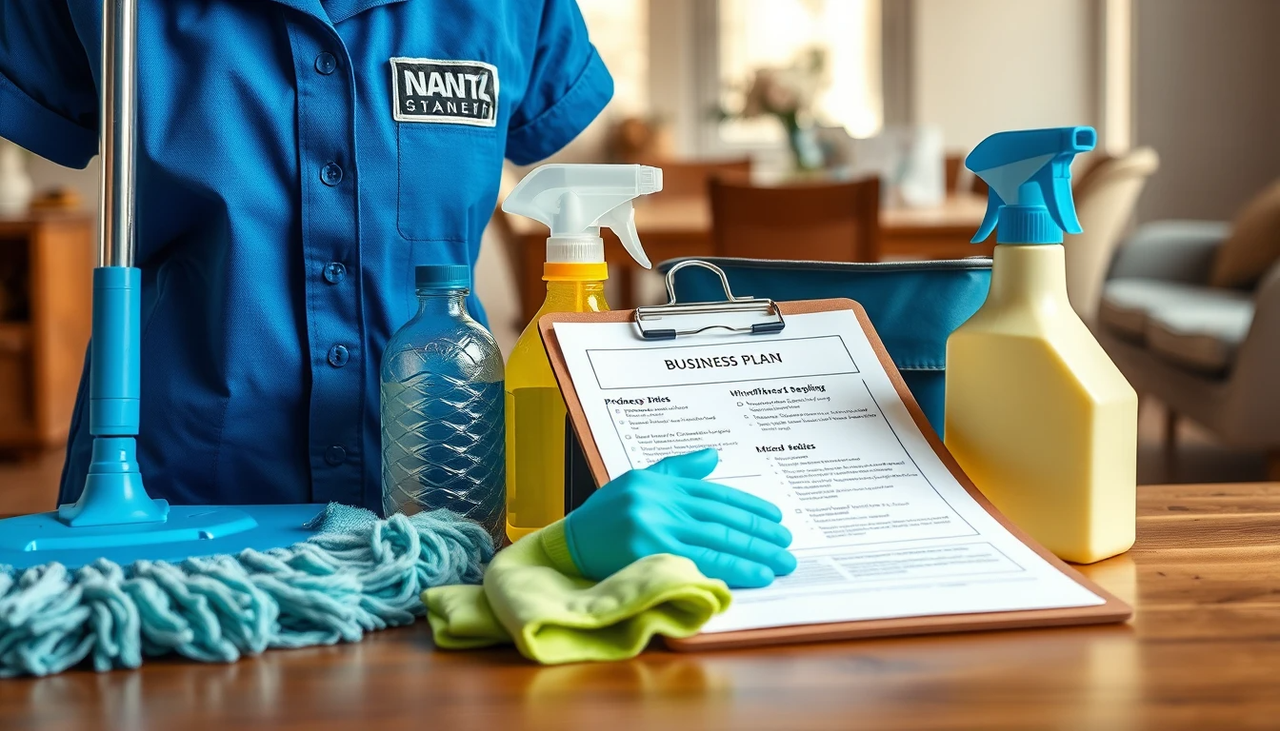

The cleaning industry is thriving due to its necessity in both residential and commercial spaces. With minimal startup costs and no formal certifications required for basic cleaning services, this business is accessible to many aspiring entrepreneurs. However, success requires more than just cleaning skills—it demands strategic planning, effective marketing, and excellent customer service.
Decide whether you want to focus on residential cleaning, commercial cleaning, or specialized services like eco-friendly or deep cleaning. Understanding your target audience helps tailor your services and pricing to meet their needs.
Create a list of services you’ll offer, such as basic house cleaning, deep cleaning, move-in/move-out services, or specialty options like carpet or window cleaning. Start with a few core services and expand as your business grows.
A solid business plan outlines your goals, target market, pricing strategy, marketing approach, and financial projections. This will serve as your roadmap and help secure funding if needed.
Choose a name for your business and register it with your local authorities. Decide on a legal structure (e.g., sole proprietorship or LLC) and obtain necessary licenses and permits for operating in your area.
Cleaning businesses should have liability insurance to protect against potential damages or accidents during service. This builds trust with clients while safeguarding your business.
Invest in essential tools like mops, vacuums, gloves, and cleaning agents. Some clients may prefer eco-friendly products or provide their own supplies—be prepared for flexibility.
Research competitors’ rates in your area to establish competitive pricing. Consider factors like the size of the property, type of service, and frequency of visits when setting your fees.
Use online platforms like social media and local directories to promote your services. Create a professional website showcasing your offerings, testimonials, and contact information. Word-of-mouth referrals can also be highly effective.
Begin by serving friends or family to gain experience and build testimonials. As you grow, consider hiring staff or expanding into new service areas.
Customer satisfaction is critical in this industry. Deliver consistent quality service to retain clients and build a strong reputation.
To start a cleaning business, follow these essential steps:
Begin by researching the local cleaning market to understand demand, competition, and pricing. Identify your target market, whether residential or commercial, and outline your services, pricing strategy, and financial projections in a business plan.
Choose a business name and register it with local authorities. Ensure you obtain any necessary licenses or permits required to operate legally in your area.
Invest in liability insurance to protect your business from potential damages or accidents during cleaning jobs. This also builds trust with clients.
Start with essential items like mops, vacuums, gloves, and cleaning agents. You can expand your inventory as your business grows. Consider buying in bulk or from affordable retailers to minimize costs.
Decide on the types of cleaning services you’ll offer, such as general cleaning, deep cleaning, or specialized services. Set competitive pricing based on factors like the size of the space and the level of cleaning required.
Promote your services through a professional website, social media, and local directories. Word-of-mouth referrals and networking can also help attract clients.
Begin with a few clients, such as friends or family, to build experience and testimonials. As demand increases, consider hiring staff or expanding your service offerings.
By following these steps, you can establish a solid foundation for your cleaning business and position it for growth.
To identify your target market for a cleaning business, follow these steps:
Determine what problems your cleaning services solve and who would benefit most. For example, residential cleaning appeals to busy homeowners, while commercial cleaning targets businesses needing regular maintenance.
Consider age, income level, location, household size, and lifestyle of potential customers. For instance:
Identify specific customer challenges, such as lack of time for cleaning or maintaining a healthy environment. Tailor your services to address these issues effectively.
Decide whether to focus on:
Research the local market to determine demand and competition in specific neighborhoods or business districts. Choose areas with unmet needs or growing demand for cleaning services.
Develop detailed profiles of your ideal clients, including their preferences, habits, and expectations. This helps in crafting personalized marketing messages and service offerings.
By thoroughly analyzing these factors, you can clearly define your target market and tailor your cleaning business to meet their needs effectively.
The main expenses to budget for when starting a cleaning business include:
Essential items like vacuums, mops, brooms, and cleaning solutions typically cost between $300 and $900 for a small-scale operation. Larger or specialized businesses may spend up to $25,000 for advanced equipment.
Registering your business and obtaining necessary licenses can range from $30 to $500, depending on your business structure and location.
Liability insurance is crucial to protect your business and typically costs $500 to $1,000 annually.
Initial marketing efforts, including print and online ads, can cost between $100 and $200. Ongoing marketing expenses are essential for attracting and retaining clients.
If you need a vehicle for your business, costs can range from $5,000 to $45,000, depending on whether you purchase or lease.
If hiring employees, budget for wages, which can vary based on location and experience. For example, a $15 per hour minimum wage is common in many areas.
Investing in cleaning business software for scheduling, invoicing, and customer management can cost $50 to $300 per month.
By planning for these expenses, you can ensure a solid financial foundation for your cleaning business.
To specialize your cleaning business and stand out from competitors, consider the following strategies:
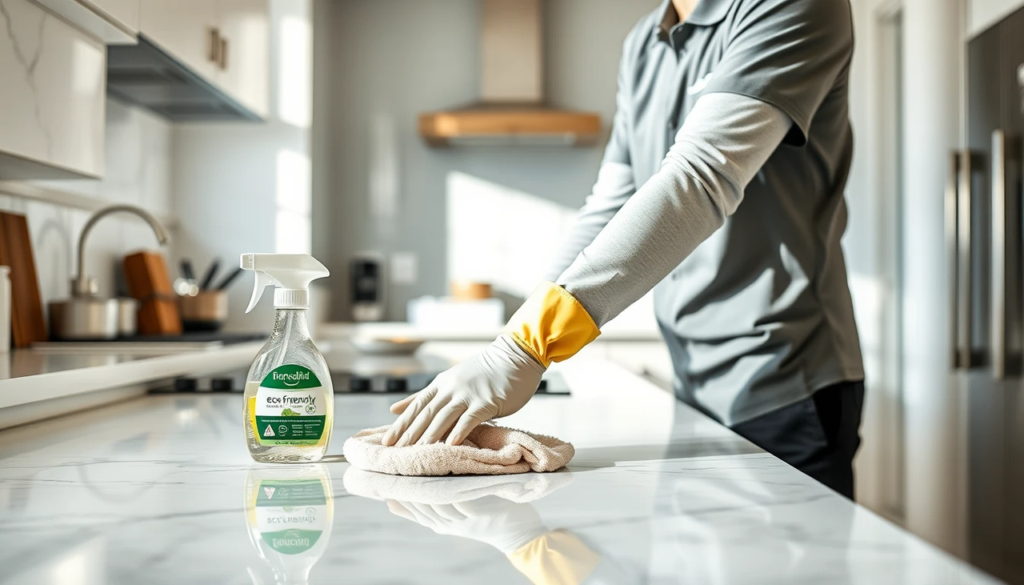
By focusing on a niche market, offering unique services, and emphasizing quality and sustainability, you can establish a reputation as an expert in your field and attract loyal customers.
Here are some effective marketing strategies to help your new cleaning business stand out and attract clients:
By implementing these strategies, you can effectively market your cleaning business, attract clients, and build a strong reputation in your local area.
Starting and growing a cleaning business requires a combination of strategic planning, specialized services, and effective marketing. By identifying your target market, budgeting for essential expenses, and differentiating your business through niche offerings, you can carve out a unique space in the competitive cleaning industry. Leveraging digital tools, building a strong online presence, and fostering customer relationships through promotions and referrals will further enhance your visibility and credibility. With dedication, innovation, and a focus on quality, your cleaning business can thrive and meet the growing demand for professional cleaning services. Remember, success lies in consistently delivering value and exceeding client expectations.
Do I need a license to start a cleaning business?
Yes, most areas require a business license to operate legally. Check with your local government for specific requirements.
How much does it cost to start a cleaning business?
Startup costs typically range from $300 to $25,000, depending on the scale of your operations and equipment needs.
What equipment do I need to start?
Essential items include vacuums, mops, brooms, cleaning solutions, and gloves. Specialized services may require additional tools.
How do I price my cleaning services?
Pricing depends on factors like the size of the space, type of cleaning, and local market rates. Research competitors to set competitive prices.
Should I focus on residential or commercial cleaning?
This depends on your target market and preferences. Residential cleaning often involves individual clients, while commercial cleaning targets businesses.
Do I need insurance for my cleaning business?
Yes, liability insurance is essential to protect your business from potential damages or accidents during cleaning jobs.
How can I market my cleaning business effectively?
Use a combination of strategies like building a website, leveraging social media, offering promotions, and encouraging customer reviews.
Can I start a cleaning business part-time?
Absolutely! Many cleaning businesses begin as part-time ventures and scale up as demand increases.
What certifications or training do I need?
Basic cleaning doesn’t require certifications, but specialized services (e.g., medical or eco-friendly cleaning) may benefit from additional training.
How do I handle customer complaints?
Address complaints promptly, listen to the client’s concerns, and offer solutions to resolve the issue. Excellent customer service can turn a negative experience into a positive one.