How To Start A Cleaning Business In Washington State
Written byMerchant Alternatives | April 6, 2025
Merchant Alternatives is reader-supported. When you make purchases through links on our site, we may earn a commission. This is always at no additional cost to you and helps us continue to provide accurate, transparent and up-to-date information on the things that matter most to your business, for free.
Starting a cleaning business in Washington State can be a lucrative and fulfilling venture, especially given the consistent demand for cleaning services in both residential and commercial sectors. With relatively low startup costs and minimal licensing requirements at the state level, it’s an accessible option for entrepreneurs looking to enter the service industry. However, success in this competitive field requires careful planning, from choosing the right business structure to understanding local regulations and effectively marketing your services. This guide outlines the essential steps to help you establish and grow a thriving cleaning business in Washington.
Key Steps to Start a Cleaning Business in Washington:
Choose a Business Structure Decide whether to operate as a sole proprietorship, partnership, LLC, or corporation. Each structure has different legal and tax implications, so choose one that aligns with your business goals and risk tolerance.
Register Your Business All businesses in Washington must register with the state. This includes obtaining a Unified Business Identifier (UBI) number and registering your trade name with the Department of Revenue. Fees vary depending on your business structure and location.
Obtain Necessary Licenses and Permits While Washington does not require a state-wide cleaning license, some cities and counties may have specific licensing requirements. Check with your local government to ensure compliance.
Secure an EIN Apply for an Employer Identification Number (EIN) from the IRS, even if you don’t plan to hire employees initially. This number is essential for tax purposes and can help protect your personal information.
Purchase Insurance Invest in general liability insurance to protect your business from potential risks and liabilities. Additional coverage, such as workers’ compensation insurance, may be required if you hire employees.
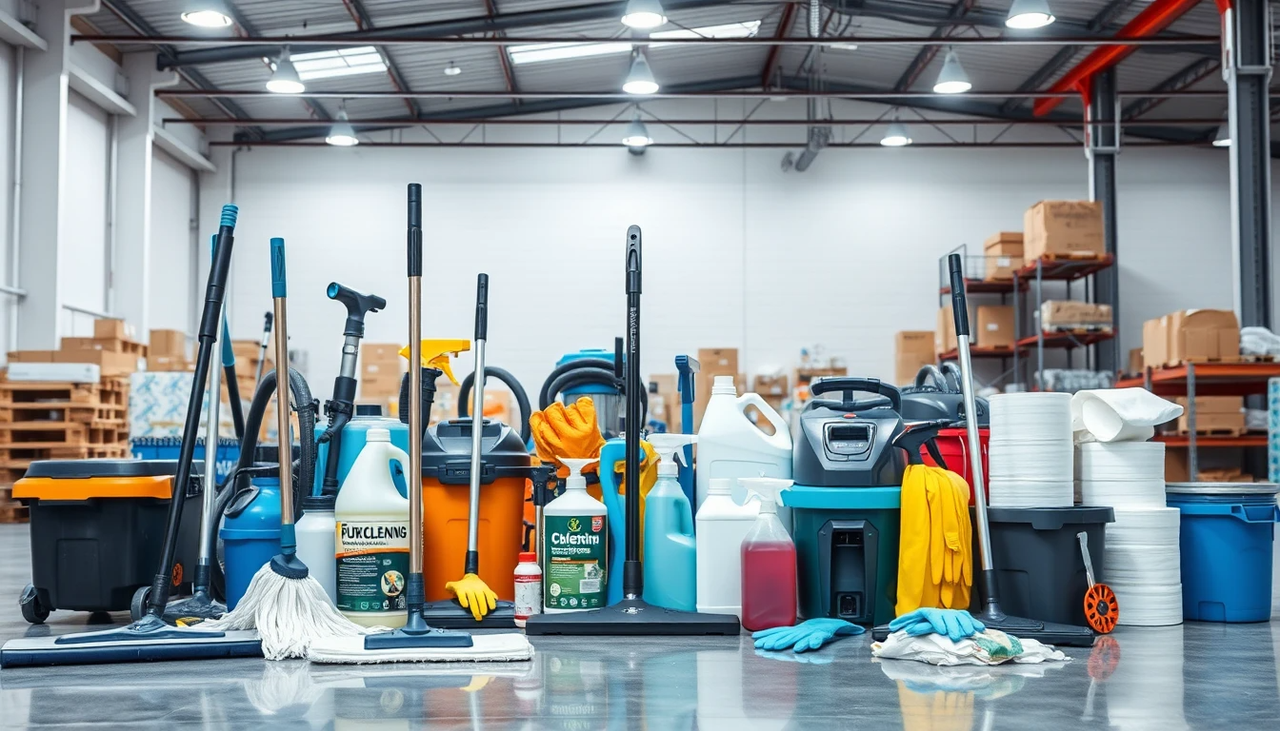
Acquire Cleaning Supplies and Equipment Stock up on essential cleaning supplies, such as mops, cleaning solutions, gloves, and paper towels. Consider whether you’ll need specialized equipment for services like carpet cleaning or window washing.
Develop a Marketing Strategy Create a marketing plan to attract clients. Utilize online platforms, social media, and word-of-mouth referrals to promote your services. Building a strong online presence can help you stand out in a competitive market.
By following these steps and staying informed about local regulations, you can lay a solid foundation for your cleaning business in Washington State. With dedication and effective management, your venture has the potential to grow into a successful and profitable enterprise.
What are the main steps to register a cleaning business in Washington State
To register a cleaning business in Washington State, follow these key steps:
Choose a Business Structure Decide on the legal structure of your business, such as a sole proprietorship, partnership, LLC, or corporation. Each structure has different implications for liability and taxes.
Register Your Business Name If you plan to operate under a name other than your own, you’ll need to register a trade name (also known as a "Doing Business As" or DBA) with the Washington Department of Revenue. This can be done through the same form used to apply for a business license.
Obtain a Unified Business Identifier (UBI) Number Register your business with the Washington Department of Revenue to receive a UBI number, which is required for tax purposes and business identification.
Apply for a Business License Complete the Business License Application through the Washington Department of Revenue. This process includes registering for state and local taxes, such as sales and use tax and Business & Occupation (B&O) tax.
Get an Employer Identification Number (EIN) If you plan to hire employees, apply for an EIN from the IRS. This number is also useful for opening a business bank account and handling tax filings.
Comply with Local Licensing Requirements While Washington State does not require a specific cleaning license, some cities or counties may have additional licensing requirements. Check with your local government to ensure compliance.
Purchase Insurance Obtain general liability insurance to protect your business from potential risks. Consider additional coverage, such as workers’ compensation insurance, if you plan to hire employees.
By following these steps, you can legally establish and operate your cleaning business in Washington State.
Are there any specific licenses required for cleaning businesses in Washington State
In Washington State, there is no specific state-issued license required solely for residential or general cleaning businesses. However, all businesses, including cleaning services, must obtain a general business license through the Washington Department of Revenue. This license is often referred to as a Unified Business Identifier (UBI) number and is necessary for tax purposes and business identification.
Additionally, if your cleaning services involve specialized tasks such as handling hazardous materials, carpet cleaning, or using industrial-grade chemicals, you may need additional certifications or permits. It’s also important to check with local city or county governments, as they may have specific licensing or permit requirements for cleaning businesses.
Lastly, while not a license, purchasing insurance (e.g., general liability, workers’ compensation) is highly recommended to protect your business and comply with legal standards.
How can I effectively market my cleaning business in Washington State
To effectively market your cleaning business in Washington State, consider the following strategies:
Leverage Digital Marketing Create a professional website optimized for local SEO to ensure your business appears in local search results. Utilize platforms like Google My Business to enhance visibility in local searches and Google Maps. Regularly update your website with relevant content, such as cleaning tips or before-and-after photos, to improve SEO and engage potential clients.
Utilize Social Media Platforms like Facebook, Instagram, and LinkedIn are powerful tools for connecting with your audience. Post engaging content, such as cleaning transformations or client testimonials, and interact with followers to build trust and credibility.
Implement a Referral Program Encourage existing clients to refer your services by offering incentives like discounts or free services. Word-of-mouth marketing is highly effective and can significantly boost your client base.
Online Reviews and Testimonials Positive reviews on platforms like Google, Yelp, and Facebook can enhance your reputation and attract more clients. Encourage satisfied customers to leave reviews and respond professionally to feedback.
Local Networking and Events Attend community gatherings, business networking events, or trade shows to connect with potential clients. Sponsoring local events or sports teams can also increase your visibility.
Email Marketing Collect email addresses from clients and send regular updates, cleaning tips, or special offers. Tools like Mailchimp or Constant Contact can help you create professional campaigns.
Vehicle Wraps and Direct Mail Transform your cleaning vehicles into mobile billboards with well-designed wraps. Direct mail campaigns, such as postcards or flyers with discounts, can target specific neighborhoods effectively.
Paid Advertising Invest in pay-per-click ads on Google or sponsored posts on social media to reach a broader audience. Local newspaper ads or radio spots can also be beneficial.
By combining these strategies, you can effectively market your cleaning business in Washington State and attract a steady stream of clients.
What are the typical startup costs for a cleaning business in Washington State
The typical startup costs for a cleaning business in Washington State can vary depending on the scale and services offered, but here’s a breakdown of the primary expenses:
Establishment Costs
Business Registration and Licensing: Registering your business with the Washington Secretary of State and obtaining a Unified Business Identifier (UBI) number typically costs between $50 to a few hundred dollars.
Legal and Accounting Services: Initial legal or accounting setup may range from $200 to $500, depending on the complexity of your business structure.
Administrative Costs
Software and Technology: Bookkeeping and scheduling software can cost around $50 to $200 per month, while a laptop or computer may range from $500 to $1,000.
Insurance: General liability insurance and workers’ compensation (if hiring employees) can cost between $500 to $1,500 annually.
Marketing Costs
Initial marketing expenses, including website development, social media ads, and local advertising, can range from $500 to $2,000.
Cleaning Supplies and Equipment
Basic cleaning supplies like vacuums, mops, and cleaning solutions can cost $500 to $1,000 initially.
For specialized services (e.g., hospital-grade disinfecting), additional equipment like electrostatic sprayers may increase costs.
Other Costs
Vehicle Expenses: If you need a dedicated vehicle for your business, costs can range from $1,000 to $5,000.
Miscellaneous: Bank account setup, service agreements, and occupational health and safety registration fees may add another $100 to $300.
Total Estimated Costs On average, starting a cleaning business in Washington State can cost between $2,800 to $10,000, with many entrepreneurs spending around $3,500 to get started. These costs can vary based on the scale of operations, location, and specific services offered.
How do I choose the right business structure for my cleaning business in Washington State
Choosing the right business structure for your cleaning business in Washington State depends on your specific needs, goals, and risk tolerance. Here’s a breakdown of the most common options:
Sole Proprietorship
Description: A single individual or married couple owns and operates the business.
Pros: Simple to set up with minimal legal requirements and low costs.
Cons: The owner is personally liable for all debts and legal issues.
Best For: Solo entrepreneurs with low-risk operations and minimal startup capital.
General Partnership
Description: Two or more individuals share ownership, profits, and liabilities.
Pros: Easy to establish with shared responsibilities and pass-through taxation.
Cons: Partners are personally liable for business debts and legal actions.
Best For: Partnerships where responsibilities and risks are shared equally.
Limited Liability Company (LLC)
Description: Combines the flexibility of a partnership with the liability protection of a corporation.
Pros: Owners’ personal assets are protected from business liabilities. Pass-through taxation avoids double taxation.
Cons: Slightly higher setup costs and formal requirements, such as operating agreements.
Best For: Small to medium-sized businesses seeking liability protection without corporate complexity.
Corporation (C-Corp)
Description: A separate legal entity from its owners, offering the strongest liability protection.
Pros: Owners are not personally liable for business debts. Ability to raise capital through stock sales.
Cons: More complex to set up and maintain, with double taxation on profits and dividends.
Best For: Larger businesses planning to scale or attract investors.
Limited Partnership (LP) or Limited Liability Partnership (LLP)
Description: LPs have general partners with unlimited liability and limited partners with liability protection. LLPs offer liability protection to all partners.
Pros: Liability protection for limited partners (LP) or all partners (LLP).
Cons: More formal requirements and higher setup costs than general partnerships.
Best For: Businesses with multiple partners where some want limited liability.
Key Considerations
Liability Protection: If protecting personal assets is a priority, consider an LLC or corporation.
Tax Implications: Sole proprietorships, partnerships, and LLCs offer pass-through taxation, while corporations face double taxation.
Complexity and Costs: Sole proprietorships are the simplest and cheapest, while corporations require more paperwork and higher fees.
Growth Plans: If you plan to expand or seek investors, a corporation or LLC may be more suitable.
Consulting with a legal or financial advisor can help you make the best decision based on your specific circumstances.
Conclusion
Starting a cleaning business in Washington State is an accessible and potentially profitable venture, especially given the consistent demand for cleaning services across residential and commercial sectors. By carefully selecting the right business structure, registering your business, obtaining necessary licenses, and investing in essential supplies and insurance, you can lay a solid foundation for success. Additionally, implementing effective marketing strategies—such as leveraging digital platforms, building a strong online presence, and engaging with your local community—will help you attract and retain clients.
While the startup costs are relatively low compared to other industries, proper planning and adherence to local regulations are crucial to ensure your business operates smoothly. With dedication, attention to detail, and a focus on customer satisfaction, your cleaning business can grow into a thriving enterprise in Washington State. Whether you’re starting small or aiming for large-scale operations, the opportunities in this industry are abundant for those willing to put in the effort. Good luck on your entrepreneurial journey!
FAQs
1. Do I need a license to start a cleaning business in Washington State?
No specific state-wide license is required for general cleaning services, but you must obtain a general business license through the Washington Department of Revenue. Some cities or counties may have additional licensing requirements, so check with your local government.
2. What is a UBI number, and how do I get one?
A Unified Business Identifier (UBI) number is a unique identifier for your business in Washington State. You can obtain one by registering your business with the Washington Department of Revenue during the business license application process.
3. How much does it cost to start a cleaning business in Washington State?
Startup costs typically range from $2,800 to $10,000, depending on factors like equipment, marketing, and insurance. Basic supplies and licensing fees make up the majority of initial expenses.
4. What business structure should I choose for my cleaning business?
Common options include sole proprietorship, LLC, partnership, or corporation. An LLC is often recommended for its liability protection and tax flexibility, but the best choice depends on your goals and risk tolerance.
5. Do I need insurance for my cleaning business?
Yes, general liability insurance is essential to protect your business from potential claims or damages. If you hire employees, workers’ compensation insurance is also required by law.
6. How do I market my cleaning business effectively?
Use a combination of digital marketing (website, SEO, social media), local advertising (flyers, vehicle wraps), and word-of-mouth referrals (referral programs, testimonials) to attract clients.
7. What cleaning supplies and equipment do I need to start?
Basic supplies include vacuums, mops, cleaning solutions, gloves, and microfiber cloths. For specialized services like carpet cleaning, you may need additional equipment such as steam cleaners or extractors.
8. Can I run a cleaning business from home?
Yes, many cleaning businesses are home-based, which helps reduce startup costs. However, ensure you comply with local zoning laws and any HOA regulations if applicable.
9. Do I need an EIN for my cleaning business?
An Employer Identification Number (EIN) is required if you plan to hire employees or open a business bank account. Even if you don’t hire employees, an EIN can help protect your personal information.
10. How do I set pricing for my cleaning services?
Research local competitors to determine market rates. Pricing can be based on factors like square footage, type of cleaning (standard, deep, specialized), and frequency (one-time, recurring).