Merchant Alternatives is reader-supported. When you make purchases through links on our site, we may earn a commission. This is always at no additional cost to you and helps us continue to provide accurate, transparent and up-to-date information on the things that matter most to your business, for free.
Starting a cleaning business in Virginia can be a lucrative and rewarding venture, offering flexibility and the opportunity to tap into a growing market. Whether you're aiming to clean residential homes, commercial spaces, or specialize in niche services like eco-friendly cleaning, Virginia provides a favorable environment for entrepreneurs. However, navigating the legal, financial, and operational aspects of starting a cleaning business requires careful planning and adherence to state-specific regulations. Key Steps to Start a Cleaning Business in Virginia.
Research the Virginia Cleaning Market Begin by analyzing the local demand for cleaning services, identifying your target market, and understanding your competition. This will help you tailor your services and pricing strategy to meet the needs of potential clients.
Develop a Business Plan A solid business plan outlines your goals, target audience, services, pricing, and marketing strategy. It also helps secure funding and serves as a roadmap for your business growth.
Choose Your Business Structure Decide whether to operate as a sole proprietorship, LLC, or corporation. An LLC is often recommended for new cleaning businesses due to its liability protection and tax flexibility.
Register Your Business File the necessary documents with the Virginia State Corporation Commission (VSCC), choose a unique business name, and obtain an Employer Identification Number (EIN) from the IRS.
Obtain Licenses and Permits While Virginia doesn’t require a specific cleaning license, you’ll need a general business license, home occupation permit (if operating from home), and possibly a seller’s permit. Specialized services like biohazard cleanup may require additional permits.
Set Up Your Finances Open a business bank account, invest in accounting software, and create a budget for startup costs, including equipment, insurance, and marketing.
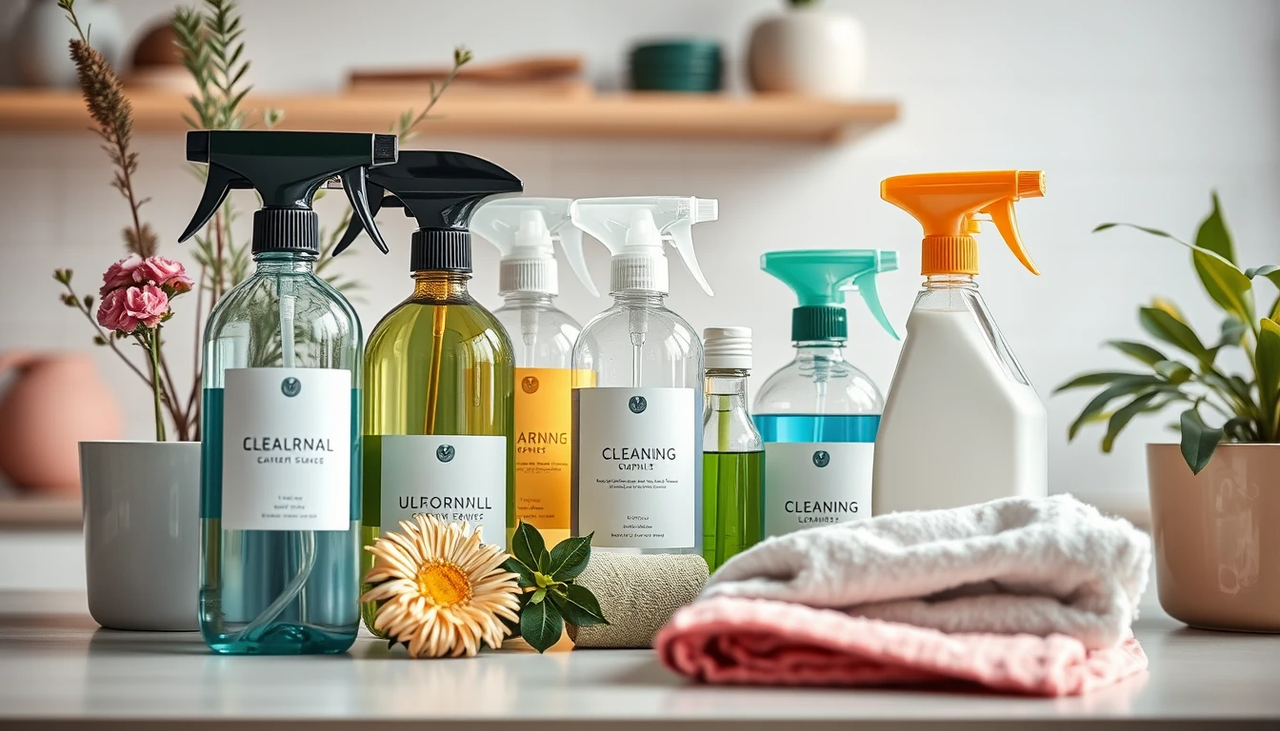
Invest in Equipment and Supplies Purchase essential cleaning tools and products, considering bulk buying to reduce costs. Specialized equipment may be required for niche services.
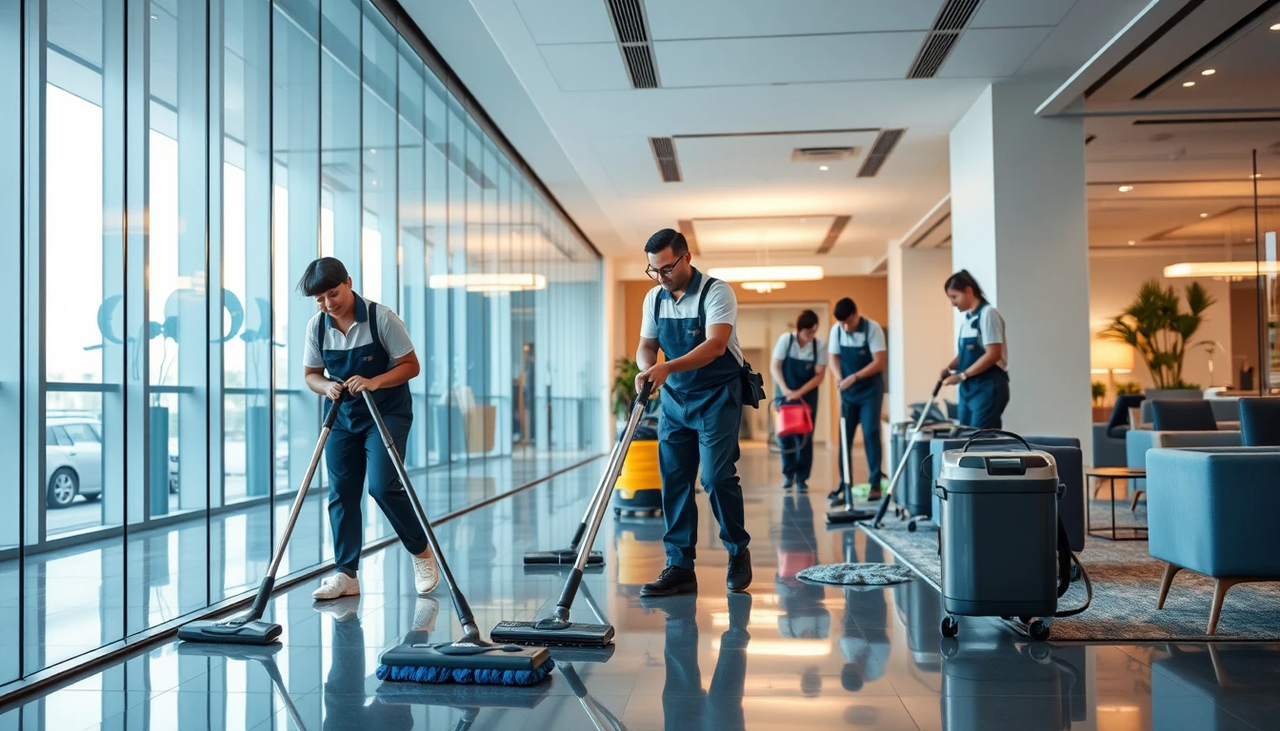
Hire and Train Staff If you plan to expand, hire reliable employees and provide thorough training to ensure high-quality service.
Market Your Business Leverage online marketing, social media, and local networking to attract clients. Consider offering promotions or discounts to build your customer base.
By following these steps and leveraging tools like AI-powered virtual assistants for administrative tasks, you can streamline the process and focus on growing your cleaning business in Virginia.
What are the most common mistakes new cleaning business owners make in Virginia
Starting a cleaning business in Virginia, like any entrepreneurial venture, comes with its own set of challenges. Here are the most common mistakes new cleaning business owners make and how to avoid them:
Lack of a Clear Business Strategy Many new cleaning businesses fail to develop a comprehensive business plan. This includes understanding the target market, defining services, setting long-term goals, and creating financial forecasts. Without a roadmap, it’s difficult to achieve sustainable growth.
Underpricing Services Setting prices too low to attract customers can devalue services and squeeze profit margins. It’s essential to conduct market research and price services competitively while ensuring profitability.
Neglecting Employee Vetting and Training Hiring untrained or unvetted staff can lead to subpar service and damage your reputation. Implement a thorough hiring process, including background checks, interviews, and ongoing training to maintain quality and professionalism.
Poor Financial Management Many new businesses struggle with bookkeeping, leading to cash flow issues and tax problems. Invest in accounting software or hire a professional to manage finances effectively.
Ignoring Competitor Analysis Failing to analyze competitors’ pricing, services, and strengths can leave your business at a disadvantage. Use this information to refine your offerings and identify unique selling points.
Inadequate Marketing Relying solely on word-of-mouth or neglecting digital marketing can limit growth. Develop a marketing strategy that includes online presence, social media, and local networking to attract clients.
Using Improper Cleaning Tools or Chemicals Selecting the wrong cleaning products or using dirty tools can damage surfaces or lead to cross-contamination. Ensure staff are trained to use the right tools and chemicals for each task.
By addressing these common mistakes, new cleaning business owners in Virginia can build a strong foundation for long-term success.
How can I effectively market my cleaning business in Virginia
Marketing your cleaning business in Virginia requires a strategic approach to reach your target audience and stand out in a competitive market. Here are proven strategies to effectively promote your cleaning services:
Build a Professional Website Create a website optimized for local SEO to ensure your business appears in local search results. Include clear information about your services, pricing, and contact details. Use AI tools to streamline website management and enhance user experience.
Leverage Social Media Utilize platforms like Facebook, Instagram, and NextDoor to engage with potential clients. Share before-and-after photos, client testimonials, and cleaning tips to build trust and visibility.
Implement Referral Programs Encourage satisfied customers to refer your services by offering discounts or incentives. Word-of-mouth remains a powerful marketing tool in Virginia.
Partner with Local Businesses Collaborate with real estate agents, property managers, and landlords who often recommend cleaning services to their clients. Offer promotions or discounts to attract these partnerships.
Run Targeted Ads Use Google Ads and Facebook Ads to target specific demographics and locations. Focus on areas with high demand for cleaning services to maximize ROI.
Showcase Expertise Publish articles or guest columns in local newspapers or magazines about cleaning tips, eco-friendly practices, or industry insights. This positions you as an authority in your field.
Offer Promotions Attract new clients with introductory discounts or seasonal promotions. Highlight these offers on your website and social media channels.
Maintain Online Reviews Encourage satisfied customers to leave positive reviews on platforms like Google My Business and Yelp. High ratings and testimonials significantly boost credibility and visibility.
Use AI Tools for Efficiency Automate tasks like scheduling, invoicing, and customer communication with AI-powered tools. This saves time and allows you to focus on marketing and client acquisition.
By combining these strategies, you can effectively market your cleaning business in Virginia, attract more clients, and establish a strong local presence.
What are the best AI tools for automating tasks in a cleaning business
Here are some of the best AI tools for automating tasks in a cleaning business:
Service Autopilot Service Autopilot is a powerful tool for scheduling, dispatching, and route optimization. It helps streamline operations by automating tasks like invoicing, tracking data, and optimizing routes for fuel efficiency, making your team more effective and allowing you to service more customers.
AI-Powered Cleaning Robots Robots like those developed by iRobot, Brain Corp, and Ecovacs use AI technologies such as machine learning and computer vision to navigate spaces, detect obstacles, and optimize cleaning routines. These robots are ideal for large commercial spaces as they reduce human intervention, improve precision, and provide data-driven insights for cleaning optimization.
Smart Cleaning Management Systems AI-enabled systems integrate data from sensors, cameras, and autonomous equipment to optimize cleaning schedules, workflows, and resources. These systems provide real-time insights and actionable suggestions for improving efficiency and communication among staff.
Predictive Maintenance Tools AI tools can forecast when cleaning supplies will run out or when equipment needs maintenance. This predictive capability reduces downtime and ensures smooth operations.
Marketing and Business Strategy Tools Platforms like HubSpot, Salesforce, and LinkedIn Sales Navigator use AI to enhance lead generation, customer engagement, and marketing strategies tailored to your cleaning business.
Customized Training Programs AI can create tailored training modules for staff based on your organization’s culture and needs. This helps improve employee skills while reducing the cost of developing professional training programs.
By leveraging these AI tools, cleaning businesses can improve operational efficiency, reduce costs, enhance customer satisfaction, and scale effectively in competitive markets like Virginia.
How do I determine the right pricing strategy for my cleaning business
Determining the right pricing strategy for your cleaning business involves understanding your costs, market conditions, and customer expectations. Here are key strategies to consider:
Cost-Plus Pricing Calculate your total costs (labor, supplies, equipment, and overhead) and add a markup (typically 10-30%) to ensure profitability. This method is straightforward but may not account for customer value or competition.
Competitive Pricing Research what competitors in your area are charging and set your prices accordingly. This helps you stay competitive but can lead to a race to the bottom if not managed carefully.
Value-Based Pricing Set prices based on the perceived value to the client, such as premium services like eco-friendly cleaning. This allows for higher margins but requires understanding what clients value most.
Hourly Rate Pricing Charge based on the time spent cleaning. This is simple but may not reflect the true value of the service.
Subscription-Based Pricing Offer monthly packages for recurring services, providing stable revenue and building client loyalty. This works well for regular clients but requires consistent service quality.
Tiered Pricing Create different service levels (e.g., Bronze, Silver, Gold) with varying prices and features. This attracts a wider range of customers but can be complex to manage.
Bundle Pricing Combine multiple services into a single package at a discounted rate. This increases order value but may not be suitable for clients needing only one service.
Factors to Consider When Choosing a Strategy
Market Conditions: Understand if your market is price-sensitive or values premium services.
Customer Base: Know what your clients prioritize, whether it’s price, quality, or convenience.
Costs and Margins: Ensure your pricing covers all operational expenses while delivering desired profits.
Local Competition: Be aware of competitors’ pricing and positioning.
By evaluating these strategies and aligning them with your business goals, you can set prices that attract clients, cover costs, and ensure profitability.
What are the specific permits required for a cleaning business in Virginia
To start a cleaning business in Virginia, you’ll need to comply with specific permits and licenses. Here’s a breakdown of the key requirements:
Business License Virginia does not mandate a state-wide cleaning license, but you must obtain a general business license from the Virginia State Corporation Commission (VSCC). Local cities or counties may have additional licensing requirements, so check with your local government.
Employer Identification Number (EIN) If you plan to hire employees, you’ll need to register for an EIN with the IRS. This is also required for tax purposes and opening a business bank account.
Sales Tax Permit If you sell cleaning products or charge sales tax on services, you’ll need a sales tax permit from the Virginia Department of Taxation.
Home Occupation Permit If you operate your cleaning business from home, some localities require a home occupation permit. Check with your local zoning office for specific regulations.
Employer Withholding Taxes and Unemployment Insurance If you have employees, you must register for employer withholding taxes and unemployment insurance with the Virginia Department of Taxation and the Virginia Employment Commission, respectively.
Janitorial and Sanitizing Exemptions Businesses that use nonrestricted sanitizers, disinfectants, or germicides are exempt from pesticide licensing requirements under Virginia law.
By securing these permits and licenses, you can ensure your cleaning business operates legally and avoids potential penalties. Always verify local requirements to stay compliant.
Conclusion
Starting a cleaning business in Virginia is a promising opportunity for entrepreneurs willing to put in the effort to plan, execute, and grow their venture. By understanding the specific permits and licenses required, developing a clear pricing strategy, leveraging effective marketing techniques, and utilizing AI tools to streamline operations, you can build a successful and sustainable cleaning business.
Avoiding common mistakes, such as underpricing services or neglecting employee training, will help you maintain a strong reputation and attract loyal clients. Additionally, staying informed about local regulations and market trends will ensure your business remains competitive and compliant.
With dedication, strategic planning, and a focus on delivering high-quality service, your cleaning business can thrive in Virginia’s growing market. Take the first step today and turn your entrepreneurial vision into a profitable reality!
FAQs
1. Do I need a license to start a cleaning business in Virginia?
No, Virginia does not require a specific cleaning license. However, you’ll need a general business license from the Virginia State Corporation Commission (VSCC) and may need additional local permits depending on your city or county.
2. How much does it cost to start a cleaning business in Virginia?
Startup costs typically range from $500 to $5,000, depending on factors like equipment, supplies, marketing, and whether you hire employees. A home-based business will have lower overhead costs.
3. What insurance do I need for a cleaning business?
At a minimum, you’ll need general liability insurance to protect against accidents or property damage. If you hire employees, workers’ compensation insurance is also required in Virginia.
4. How do I price my cleaning services?
Pricing depends on factors like the size of the space, type of cleaning (residential or commercial), and frequency of service. Common methods include hourly rates, flat fees, or subscription-based pricing. Research competitors in your area to stay competitive.
5. Do I need a business plan for my cleaning business?
Yes, a business plan is essential. It helps you outline your goals, target market, pricing strategy, and financial projections. It’s also useful if you need to secure funding or loans.
6. How can I market my cleaning business effectively?
Focus on local marketing strategies like creating a professional website, leveraging social media, offering referral incentives, and networking with local businesses like real estate agents or property managers.
7. What equipment do I need to start a cleaning business?
Basic equipment includes cleaning supplies (e.g., mops, vacuums, microfiber cloths), eco-friendly or specialized cleaning products, and safety gear. For commercial cleaning, you may need industrial-grade equipment.
8. Can I run my cleaning business from home?
Yes, many cleaning businesses operate from home to save on costs. However, check your local zoning laws to ensure compliance and obtain a home occupation permit if required.
9. Do I need to hire employees right away?
Not necessarily. Many cleaning businesses start as a one-person operation. As your client base grows, you can hire employees or subcontractors to handle the workload.
10. How do I handle taxes for my cleaning business?
Register for an Employer Identification Number (EIN) from the IRS, and file taxes as a sole proprietor, LLC, or corporation depending on your business structure. Keep accurate records of income and expenses to simplify tax filing.