Merchant Alternatives is reader-supported. When you make purchases through links on our site, we may earn a commission. This is always at no additional cost to you and helps us continue to provide accurate, transparent and up-to-date information on the things that matter most to your business, for free.
Starting a cleaning business in Missouri can be a rewarding and profitable venture, especially given the state's growing demand for both residential and commercial cleaning services. With a diverse economy and a strong residential base, Missouri offers ample opportunities for entrepreneurs to carve out a niche in the cleaning industry. Whether you're looking to start a small residential cleaning service or a large-scale commercial operation, understanding the local market, legal requirements, and operational strategies is key to success.
Understanding the Market
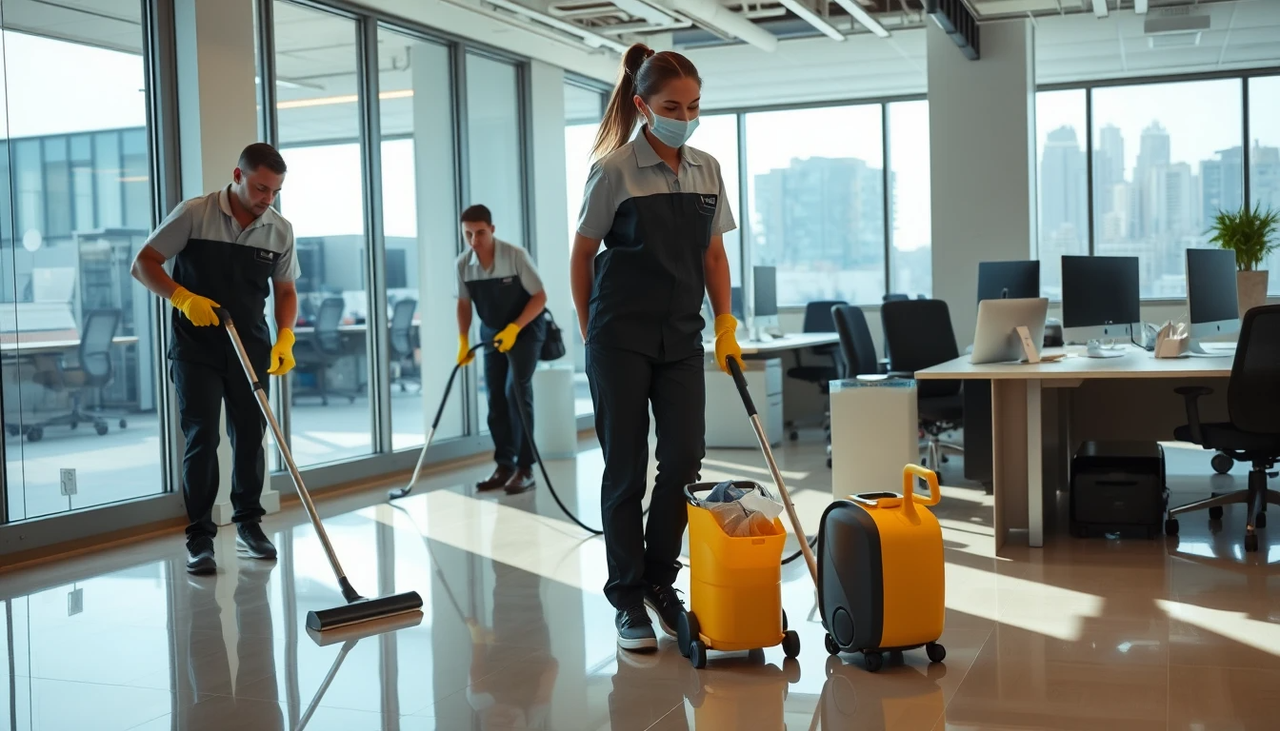
The cleaning services market in Missouri is projected to grow by 6% annually through 2025, with commercial cleaning accounting for 65% of the market and residential cleaning making up 35%. Specializing in areas like eco-friendly cleaning or post-construction cleanup can help differentiate your business in a competitive landscape.
Legal and Business Setup
To start, you’ll need to choose a business structure, such as an LLC, which offers liability protection and tax benefits. Register your business with the Missouri Secretary of State, obtain an Employer Identification Number (EIN) from the IRS, and secure necessary licenses and permits. Missouri requires a general business license, and additional permits may be needed depending on your location and services offered.
Equipment and Supplies
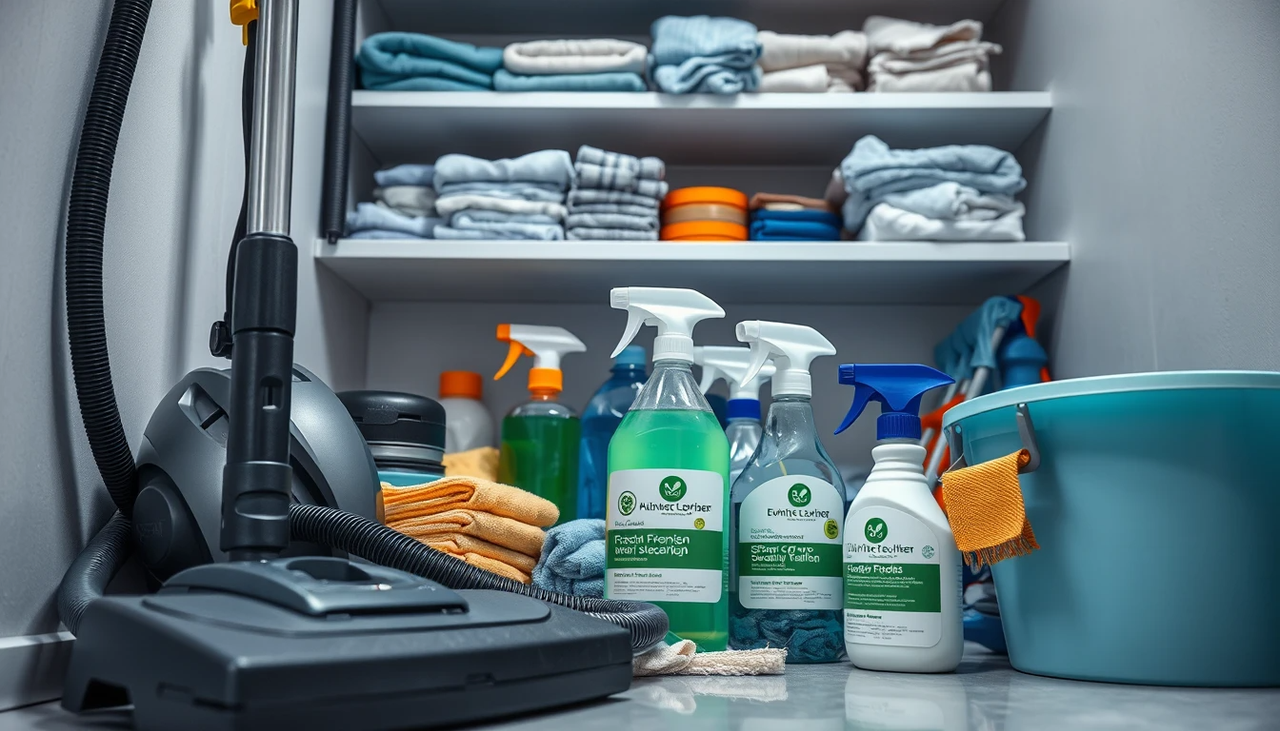
Investing in quality equipment, such as commercial-grade vacuum cleaners, microfiber cloths, and eco-friendly cleaning solutions, is essential for delivering high-quality services. Initial startup costs for basic residential cleaning equipment range from $500 to $1,000, while commercial setups may require $2,000 to $5,000.
Marketing and Operations
Effective marketing strategies, including a professional website, social media presence, and local SEO, are crucial for attracting clients. Networking with real estate agents and property managers can also help secure steady business. Leveraging technology, such as AI-powered tools for invoicing and customer management, can streamline operations and improve efficiency.
Financial Management
Set up a business bank account, implement a bookkeeping system, and establish a pricing strategy that reflects your costs and market rates. Cloud-based accounting software like QuickBooks Online can help manage finances and provide real-time insights into your business performance.
By following these steps and leveraging modern tools and strategies, you can build a successful cleaning business in Missouri. Staying informed about market trends, legal requirements, and operational best practices will help you navigate the challenges and seize the opportunities in this growing industry.
What are the most common mistakes new cleaning business owners make in Missouri
Starting a cleaning business in Missouri comes with its own set of challenges, and avoiding common pitfalls is crucial for long-term success. Here are some of the most frequent mistakes new cleaning business owners make in the state:
Underestimating Initial Costs Many new entrepreneurs fail to account for all expenses, including licenses, insurance, high-quality cleaning supplies, and marketing materials. This can lead to financial strain early on. Experts recommend creating a detailed budget that includes every potential cost to avoid surprises.
Ignoring the Importance of a Business Plan A solid business plan is essential for setting clear goals and strategies. Without it, businesses often lack direction and struggle to scale effectively. A well-crafted plan should include market analysis, financial projections, and operational strategies.
Neglecting Marketing and Branding Effective marketing is critical for attracting clients. Many new businesses fail to invest in a professional website, social media presence, or local SEO, which limits their visibility. Networking with real estate agents and property managers can also help secure steady business.
Underpricing Services Setting prices too low to attract clients can devalue your services and squeeze profit margins. It’s important to price competitively while ensuring profitability. Researching market rates and factoring in all costs can help set appropriate pricing.
Failing to Invest in Quality Tools and Supplies Using cheap or inappropriate cleaning tools can lead to poor results and damage client property. Investing in high-quality equipment and supplies ensures better outcomes and enhances your professional image.
Not Preparing for Slow Seasons The cleaning industry can experience seasonal fluctuations. Diversifying services, offering promotions, and maintaining a savings buffer can help manage downtime effectively.
Neglecting Training and Safety Protocols Proper training ensures that employees perform tasks efficiently and safely. Ignoring safety protocols can lead to accidents and legal issues. Implementing a robust training program and adhering to OSHA standards is essential.
By avoiding these common mistakes and focusing on strategic planning, quality service, and effective marketing, new cleaning business owners in Missouri can build a strong foundation for success.
How can I differentiate my cleaning business from competitors in Missouri
Differentiating your cleaning business in Missouri requires a strategic approach that highlights unique strengths and meets specific client needs. Here are key strategies to stand out:
Offer Customized Cleaning Plans Tailor your services to meet individual client needs by conducting site surveys, creating personalized cleaning schedules, and offering add-on services like deep cleaning or specialized disinfection. This approach demonstrates attention to detail and flexibility, which generic competitors often lack.
Specialize in Niche Services Focus on specialized cleaning areas such as eco-friendly cleaning, high-rise window cleaning, or post-construction cleanup. These niche services attract clients with specific needs and allow you to charge premium rates due to reduced competition.
Invest in Staff Training and Certification A well-trained and certified team reassures clients of professional and high-quality service. Regular training on the latest techniques, safety protocols, and certifications (e.g., green cleaning) can set your business apart from competitors who may not prioritize staff development.
Leverage Technology Use advanced cleaning equipment and tools like robotic cleaners or smart scheduling software to enhance efficiency and service quality. Providing cleaning performance data can also build trust and transparency with clients.
Develop a Strong Online Presence Create a professional website, optimize your Google Business Profile, and utilize social media to increase visibility. Content marketing, such as blogs or video tutorials, can position your business as an industry expert and engage potential clients.
Highlight Unique Value Propositions Emphasize what makes your business unique, such as eco-friendly products, pet-friendly services, or specialized equipment. Communicating these strengths effectively helps attract clients who value these features.
Focus on Exceptional Customer Service Go beyond basic expectations by offering impeccable customer service, easy communication channels, and professional appearances (e.g., uniforms). Small gestures, like follow-up calls or satisfaction surveys, can significantly enhance client loyalty.
By implementing these strategies, you can differentiate your cleaning business in Missouri, attract more clients, and build a sustainable and competitive brand.
What are the best marketing strategies for a new cleaning business in Missouri
To effectively market a new cleaning business in Missouri, consider the following strategies:
Build a Strong Online Presence Create a professional website optimized for local SEO to ensure visibility in search results. Utilize Google Business Profile and online directories like Yelp to enhance your local presence. Regularly update your website with valuable content, such as blog posts and testimonials, to establish authority and engage potential clients.
Leverage Social Media and Digital Advertising Use platforms like Facebook, Instagram, and LinkedIn to showcase your services through engaging content, before-and-after photos, and customer testimonials. Invest in targeted ads, including Google Ads and retargeting campaigns, to reach potential clients actively searching for cleaning services.
Implement a Referral Program Encourage satisfied customers to refer your services by offering incentives like discounts or free cleanings. Word-of-mouth marketing is highly effective in building trust and expanding your client base.
Offer Specialized and Bundled Services Differentiate your business by providing niche services such as eco-friendly cleaning, post-construction cleanup, or move-in/move-out cleaning. Create bundled packages to offer value and encourage repeat business.
Utilize Traditional Marketing Methods Consider direct mail campaigns, print advertising in local newspapers, and networking at community events to reach clients who may not be active online. These methods can complement your digital efforts and broaden your reach.
Focus on Customer Retention Implement loyalty programs, personalized communication, and regular follow-ups to keep clients engaged and satisfied. Happy customers are more likely to return and refer others.
By combining these strategies, you can effectively market your cleaning business, attract new clients, and build a strong reputation in Missouri’s competitive market.
How can I leverage technology to streamline operations in my cleaning business
Leveraging technology can significantly streamline operations in your cleaning business, improving efficiency, reducing costs, and enhancing customer satisfaction. Here are some key ways to integrate technology into your business:
Use Cleaning Business Software Cleaning business software centralizes and automates various operations, such as scheduling, dispatching, invoicing, and employee management. Tools like Connecteam or Hubstaff offer features like GPS tracking, payroll management, and real-time communication with employees. These solutions simplify administrative tasks and improve resource allocation.
Automate Scheduling and Dispatching Software integrations like Wix Bookings can automate client appointments, ensuring schedules are always up-to-date and preventing double bookings. This reduces manual errors and streamlines task assignments.
Implement Internet of Things (IoT) Technology IoT sensors can monitor cleaning supplies (e.g., soap dispensers) or detect areas needing attention (e.g., dust levels in HVAC systems). Data collected by these sensors helps optimize cleaning schedules and inventory management, ensuring timely service delivery.
Utilize Smart Cleaning Equipment Invest in smart tools such as autonomous vacuum cleaners or multi-purpose floor pads. These devices reduce manual labor while maintaining high cleaning standards. For example, industrial-grade autonomous vacuums learn from data to improve efficiency over time.
Adopt Customer Relationship Management (CRM) Tools CRM systems consolidate customer interactions across channels, helping you manage service preferences, inquiries, and follow-ups efficiently. This enhances customer satisfaction and builds long-term relationships.
Enhance Reporting and Analytics Digital tools provide detailed reports on employee performance, client satisfaction, and operational efficiency. Analyzing this data allows for informed decision-making and process improvements.
Integrate AI for Productivity Boosts AI-powered tools can automate repetitive tasks like invoicing or scheduling while minimizing errors. They also provide insights into optimizing workflows for maximum efficiency.
By adopting these technologies, your cleaning business can operate more efficiently, scale effectively, and deliver superior service to clients in Missouri or beyond.
What are the financial projections for a successful cleaning business in Missouri
Financial projections for a successful cleaning business in Missouri can vary based on scale, specialization, and operational efficiency. Here’s a breakdown of key financial metrics based on industry examples and projections:
Revenue Growth
Clean Office Pros, a janitorial service in Kansas City, MO, projects significant revenue growth, with sales increasing by 42.05% in Year 2 and 45.03% in Year 3. This growth is driven by expanding client bases and improved operational efficiency.
Profit Margins
The business expects a gross margin of 63.56% in Year 1, increasing to 64.13% by Year 3, outperforming the industry average of 62.79%. Profit before interest and taxes (PBIT) is projected to rise from 14.87% in Year 1 to 27.40% in Year 3.
Balance Sheet Highlights
Assets: Total assets grow from $226,212 in Year 1 to $427,119 in Year 3, with accounts receivable making up a significant portion (59.23% in Year 1 to 64.63% in Year 3).
Liabilities and Capital: Long-term liabilities increase from $34,000 in Year 1 to $58,000 in Year 3, while net worth grows from $129,429 to $283,894 over the same period.
Key Ratios
Current Ratio: Improves from 2.94 in Year 1 to 4.58 in Year 3, indicating strong liquidity.
Return on Net Worth: Increases from 55.19% in Year 1 to 96.63% in Year 3, reflecting efficient use of equity.
Debt to Assets Ratio: Declines from 42.78% in Year 1 to 33.53% in Year 3, showing reduced reliance on debt.
Expenses
Payroll costs typically account for around 45% of revenue, with non-payroll expenses averaging $1,000 per month. Advertising expenses are projected at 11.20% of sales in Year 1, decreasing to 7.57% by Year 3.
Startup Costs
Initial equipment and setup costs for a cleaning business can range from $3,500 to $5,000, depending on the scale and specialization.
By focusing on efficient operations, strategic marketing, and client retention, a cleaning business in Missouri can achieve robust financial performance and sustainable growth.
Conclusion
Starting a cleaning business in Missouri offers a promising opportunity for entrepreneurs willing to navigate the challenges and leverage the growing demand for residential and commercial cleaning services. By understanding the local market, adhering to legal requirements, and implementing efficient operational strategies, you can build a strong foundation for success. Avoiding common mistakes, differentiating your business through niche services and exceptional customer care, and leveraging technology to streamline operations are key steps to staying competitive in this dynamic industry.
Financial projections show that with careful planning and execution, a cleaning business in Missouri can achieve significant revenue growth, healthy profit margins, and sustainable scalability. By investing in quality equipment, effective marketing, and staff training, you can deliver exceptional service that builds client trust and loyalty.
Ultimately, success in the cleaning industry requires a combination of strategic planning, adaptability, and a commitment to excellence. By staying informed about market trends, embracing innovation, and focusing on customer satisfaction, you can position your cleaning business for long-term prosperity in Missouri’s thriving market. Whether you’re just starting or looking to expand, the potential for growth and profitability in this industry is within reach.
FAQs
1. Do I need a license to start a cleaning business in Missouri?
Yes, you need a general business license to operate a cleaning business in Missouri. Depending on your location and services, additional permits (e.g., environmental or chemical handling permits) may be required.
2. How much does it cost to start a cleaning business in Missouri?
Startup costs typically range from $3,500 to $5,000, covering equipment, supplies, licenses, insurance, and marketing. Costs may vary based on the scale and specialization of your business.
3. What type of insurance do I need for a cleaning business?
Essential insurance policies include general liability insurance, workers’ compensation (if you have employees), and commercial auto insurance (if you use vehicles for work).
4. How do I set pricing for my cleaning services?
Pricing depends on factors like location, type of service, and competition. Research local market rates and factor in your costs (e.g., labor, supplies) to set competitive yet profitable prices.
5. What equipment do I need to start a cleaning business?
Basic equipment includes vacuum cleaners, mops, microfiber cloths, cleaning solutions, and protective gear. For commercial cleaning, you may need industrial-grade equipment like floor buffers or carpet cleaners.
6. How can I attract clients for my cleaning business?
Effective strategies include building a professional website, optimizing local SEO, leveraging social media, offering referral incentives, and networking with property managers or real estate agents.
7. Should I specialize in residential or commercial cleaning?
This depends on your goals and market demand. Residential cleaning offers steady work, while commercial cleaning often involves larger contracts and higher revenue potential.
8. How do I handle slow seasons in the cleaning business?
Diversify your services (e.g., move-in/move-out cleaning, seasonal deep cleaning), offer promotions, and maintain a financial buffer to manage slower periods.
9. Do I need employees to start a cleaning business?
Not necessarily. Many cleaning businesses start as solo operations. However, hiring employees or subcontractors can help you scale as demand grows.
10. How can I ensure my cleaning business is eco-friendly?
Use environmentally friendly cleaning products, adopt sustainable practices (e.g., reducing water waste), and promote your eco-friendly approach as a unique selling point to attract eco-conscious clients.