Merchant Alternatives is reader-supported. When you make purchases through links on our site, we may earn a commission. This is always at no additional cost to you and helps us continue to provide accurate, transparent and up-to-date information on the things that matter most to your business, for free.
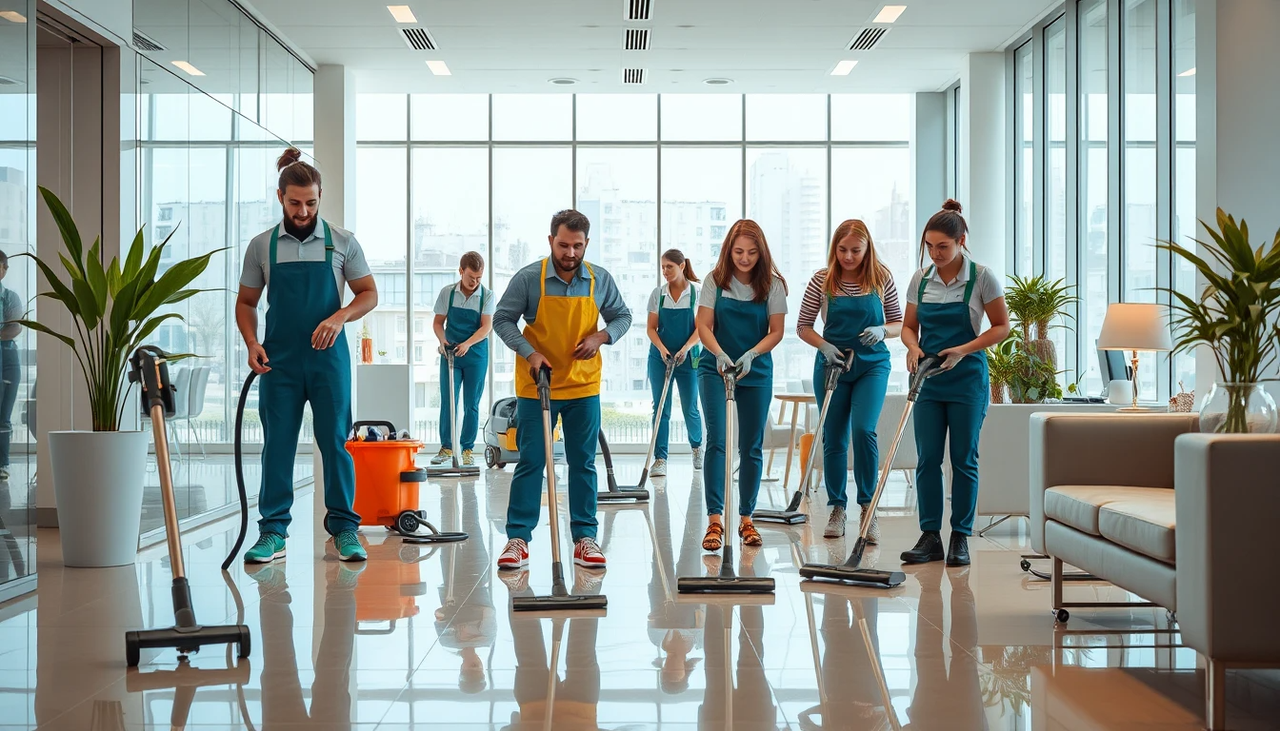
Starting a cleaning business in Indiana can be a rewarding and profitable venture, especially given the growing demand for both residential and commercial cleaning services. Whether you’re looking to offer general housekeeping, specialized services like carpet cleaning, or eco-friendly solutions, Indiana’s diverse market provides ample opportunities. However, launching a successful cleaning business requires careful planning, adherence to state regulations, and a clear strategy to stand out in a competitive industry.
Key Steps to Start a Cleaning Business in Indiana
Identify Your Niche Define your target market by choosing a specific niche, such as residential cleaning, commercial office cleaning, or specialized services like window washing or green cleaning. Research local demand to identify underserved areas or emerging trends, such as eco-friendly cleaning services in urban areas like Indianapolis.
Create a Business Plan A detailed business plan is essential for outlining your goals, services, and financial projections. Include sections like market analysis, marketing strategies, and operational plans.
Choose Your Business Structure Select a legal structure for your business, such as a sole proprietorship, LLC, or corporation. Most cleaning businesses in Indiana opt for an LLC due to its liability protection and tax benefits. Consult with a local attorney or accountant to determine the best structure for your needs.
Register Your Business Register your business name with the Indiana Secretary of State and obtain an Employer Identification Number (EIN) from the IRS. The Indiana Business One Stop portal can streamline the registration process by allowing you to register with multiple state agencies simultaneously.
Obtain Licenses and Permits While Indiana doesn’t require a specific state license for cleaning businesses, you’ll need to comply with local regulations. This may include a general business license, sales tax permit, or professional licenses for specialized services. Contact your local Chamber of Commerce for guidance on specific requirements.
Secure Insurance Coverage Protect your business with liability insurance, workers’ compensation (if hiring employees), and bonding. Insurance is crucial for credibility and safeguarding against potential risks.
Set Up Finances Open a business bank account, set up accounting systems, and plan for initial expenses like equipment and marketing. Proper financial management is key to long-term success.
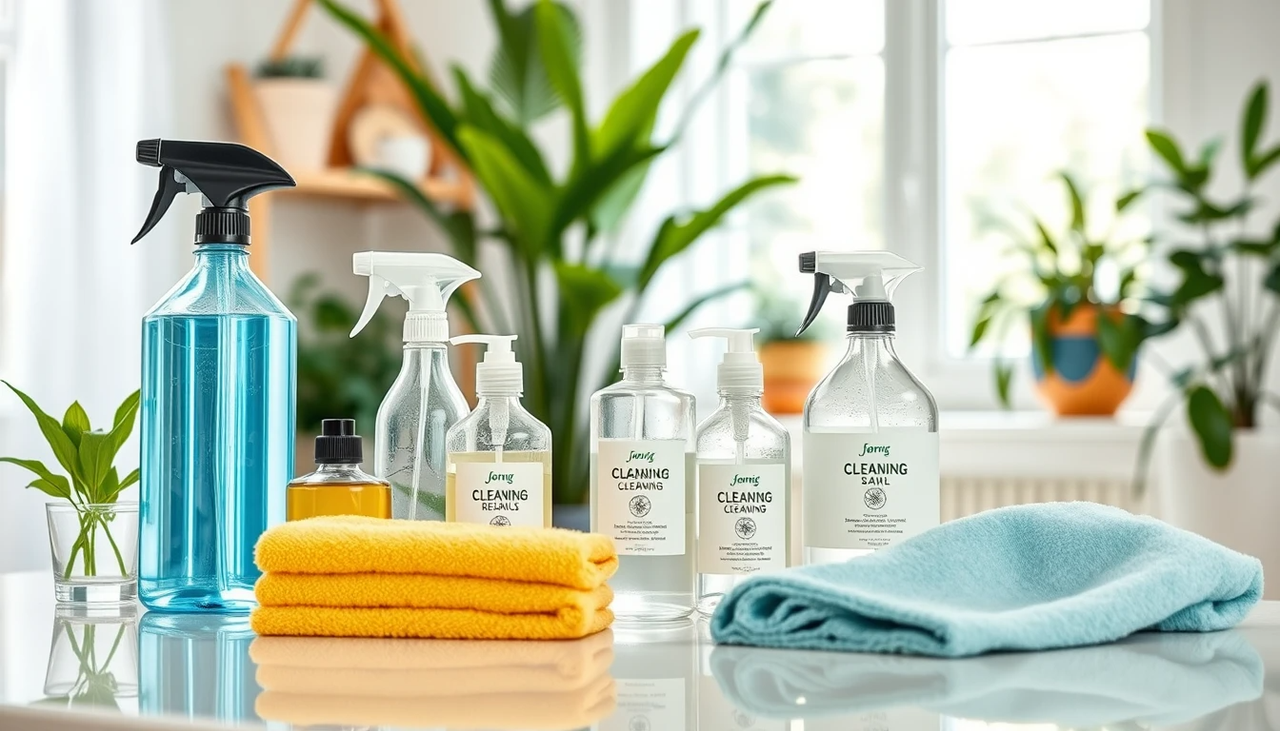
Invest in Equipment and Supplies Purchase essential cleaning tools and products based on your niche. For example, eco-friendly cleaning supplies may be necessary if you’re targeting environmentally conscious clients.
Market Your Services Develop a marketing strategy to attract clients, including online advertising, social media, and networking with local businesses. Leveraging technology and automation can also enhance efficiency and customer satisfaction.
By following these steps and staying informed about Indiana’s specific regulations, you can establish a successful cleaning business that meets the needs of your community while achieving your financial goals.
What are the most profitable niches for a cleaning business in Indiana
Residential Cleaning Residential cleaning remains a consistent and profitable niche, catering to homeowners who value time-saving solutions. Services include regular housekeeping, move-in/move-out cleanings, and post-renovation tidy-ups. With 60% of people using residential cleaning services, this niche offers steady demand and the flexibility to customize offerings, such as eco-friendly cleaning or flexible scheduling. Average pricing ranges from $75 to $250 per visit.
Commercial Cleaning Commercial cleaning targets offices, retail spaces, and other businesses, providing steady work and higher revenue potential. Services can be scheduled or reactive, ensuring professional, presentable workspaces. Pricing typically ranges from $0.07 to $0.15 per square foot, with monthly contracts averaging $500 to $5,000.
Carpet Cleaning Carpet cleaning is a specialized niche with high-profit margins, as carpets require professional cleaning every 12-18 months. Targeting high-traffic areas like offices or malls can lead to lucrative contracts. Pricing ranges from $0.15 to $0.50 per square foot or $25 to $75 per room.
Eco-Friendly Cleaning Eco-friendly cleaning appeals to environmentally conscious clients by using green products and methods. This niche is growing in popularity, particularly in urban areas like Indianapolis, and can command premium pricing.
Specialized Cleaning Services High-demand specialized services include post-construction cleanup, hoarder cleanups, and crime scene cleanup. These niches require specific skills and equipment but offer higher profitability due to their specialized nature.
Pressure Washing Pressure washing is an overlooked yet profitable niche, especially for outdoor cleaning of driveways, sidewalks, and building exteriors. The market for this service is projected to grow significantly, making it a viable option for expansion.
Move-In/Move-Out Cleaning This niche caters to individuals and families transitioning to new homes, offering one-time deep cleaning services. It’s a high-demand service that can be paired with other offerings like carpet or window cleaning.
By focusing on these niches, you can tap into Indiana’s diverse market and build a profitable cleaning business tailored to local demand.
How can I leverage AI tools to optimize my cleaning business
Leveraging AI tools can significantly optimize your cleaning business by improving efficiency, reducing costs, and enhancing customer satisfaction. Here are some practical ways to integrate AI into your operations:
1. Automate Cleaning Tasks with AI-Powered Robots
Autonomous Cleaning Equipment: Use AI-enabled robots for tasks like vacuuming, mopping, and disinfecting. These machines can navigate complex spaces, detect dirt, and adjust cleaning patterns based on real-time data, ensuring consistent results while reducing labor costs.
Example: Robotic cleaners like "Bob" can clean up to 14,000 square feet per hour, significantly outpacing manual methods and delivering a return on investment within 12 to 18 months.
2. Optimize Scheduling and Resource Allocation
Intelligent Scheduling Systems: AI tools analyze data from sensors and past cleaning patterns to optimize schedules and allocate resources efficiently. This ensures high-traffic areas receive more attention while minimizing unnecessary cleaning in low-use spaces.
Predictive Maintenance: AI can predict when equipment needs maintenance or replacement, reducing downtime and repair costs.
3. Enhance Customer Communication
AI Chatbots: Tools like ChatGPT can handle customer inquiries, schedule appointments, and provide personalized recommendations. This streamlines communication and improves the customer experience.
Feedback Analysis: Use AI to analyze customer feedback and identify areas for improvement in your services.
4. Improve Marketing and Business Strategy
Content Creation: AI tools like ChatGPT can generate marketing materials, blog posts, social media content, and email templates tailored to your audience.
Market Research: Use AI to analyze competitors and identify emerging trends, such as eco-friendly cleaning or specialized services.
5. Train Employees with AI
Create training materials using tools like Synthesia.io to produce engaging video tutorials or procedural guides. This ensures consistent onboarding and skill development for your staff.
6. Data-Driven Decision Making
AI systems collect and analyze real-time data on cleaning performance, resource usage, and customer satisfaction. These insights help refine operations and improve service quality over time.
By incorporating these AI-driven solutions, your cleaning business can operate more efficiently, reduce operational costs, and deliver superior services that set you apart from competitors.
What are the specific licensing requirements for a cleaning business in Indianapolis
In Indianapolis, starting a cleaning business does not require a specific business license for cleaning services. However, there are general steps and considerations to ensure compliance and legitimacy:
Business Registration Register your business with the Indiana Secretary of State. If you plan to operate under a name other than your legal name, you’ll need to file for a “Doing Business As” (DBA) name with the County Recorder’s Office.
Employer Identification Number (EIN) Obtain an EIN from the IRS if you plan to hire employees or operate as a corporation or LLC. This is also useful for opening a business bank account.
Local Permits While Indianapolis does not require a specific cleaning business license, check with local authorities for any additional permits or zoning requirements, especially if you’re operating from a home office.
Insurance Although not legally mandated, securing general liability insurance is highly recommended to protect your business from potential claims. Bonding is also advisable to build trust with clients.
Sales Tax Permit If you sell cleaning products or charge sales tax on services, you’ll need a sales tax permit from the Indiana Department of Revenue.
By following these steps, you can establish a legally compliant cleaning business in Indianapolis without the need for a specific cleaning license.
How do I create an effective business plan for a cleaning business
Creating an effective business plan for a cleaning business is crucial for setting clear goals, securing funding, and guiding your operations. Below is a step-by-step guide to help you craft a comprehensive and actionable business plan:
1. Executive Summary
Provide a concise overview of your cleaning business. Include:
Your mission statement (e.g., “To deliver exceptional residential and commercial cleaning services with eco-friendly solutions”).
Business objectives, such as revenue targets or market share goals.
A brief description of your services and target market.
Financial highlights like projected revenue and profitability.
2. Business Description
Detail the purpose and scope of your cleaning business:
Specify whether you’ll focus on residential, commercial, or specialized cleaning services.
Describe your operational area (e.g., Indianapolis or statewide in Indiana).
Include information about your team, such as staff size and expertise.
Highlight your unique selling points, like eco-friendly products or customizable service packages.
3. Market Analysis
Research and analyze the cleaning industry and your target market:
Identify your ideal customers (e.g., homeowners, office managers, or real estate agents).
Assess competitors in your area, noting their strengths and weaknesses.
Highlight market trends, such as growing demand for green cleaning or post-construction cleanup services.
4. Services Offered
Detail the range of services you will provide:
Examples include standard cleaning, deep cleaning, carpet cleaning, window washing, or janitorial services.
Emphasize any specialized offerings that differentiate you from competitors (e.g., allergen-free cleaning or pressure washing).
5. Marketing and Sales Strategy
Outline how you plan to attract and retain customers:
Identify marketing channels like social media advertising, local flyers, partnerships with real estate agencies, or SEO optimization for your website.
Define pricing strategies for different services (e.g., hourly rates or flat fees).
Include customer retention tactics such as loyalty programs or referral discounts.
6. Operations Plan
Explain how you will run the day-to-day operations of your business:
Describe the equipment and supplies needed (e.g., vacuum cleaners, eco-friendly detergents).
Outline staffing requirements, including roles and training plans.
Include scheduling systems to optimize service delivery.
Forecast revenue based on pricing models and expected client volume.
Include a break-even analysis to determine when the business will become profitable.
If seeking funding, specify the amount needed and how it will be used (e.g., for equipment or hiring staff).
8. Future Goals
Set measurable objectives for growth:
Examples include expanding into new markets, adding specialized services, or increasing client retention rates.
Detail how you’ll reinvest profits to scale operations.
By following this structure, you can create a professional business plan that serves as a roadmap for success while appealing to potential investors or stakeholders. Regularly review and update your plan as your business grows to ensure it remains aligned with your goals.
What are the benefits of starting a cleaning franchise in Indiana
Brand Recognition and Trust Franchising with a recognized brand like Vanguard Cleaning Systems or JAN-PRO Cleaning & Disinfecting provides immediate credibility. Established brands have built trust and a loyal customer base, reducing the time and effort needed to establish your reputation.
Ongoing Support and Training Franchisors offer comprehensive training programs and ongoing support, ensuring you have the skills and knowledge to run a successful business. This includes marketing assistance, equipment acquisition, and operational guidance.
Access to Quality Accounts Franchisors like Vanguard Cleaning Systems source and secure quality cleaning accounts for franchisees, eliminating the need for extensive sales efforts. This allows you to focus on delivering exceptional service.
Flexibility and Work-Life Balance Cleaning franchises offer flexible schedules, allowing franchise owners to balance work and personal life. This is particularly appealing for those seeking independence from traditional 9-to-5 jobs.
Bulk Buying Opportunities Franchisees benefit from bulk purchasing discounts on cleaning supplies, equipment, and tools, reducing operational costs and improving profitability.
Low Investment and Scalability Many cleaning franchises, such as Stratus Building Solutions, offer low buy-in options and scalable business models. This makes it accessible for entrepreneurs with varying budgets and growth aspirations.
Recession-Resistant Industry The demand for cleaning services remains steady, even during economic downturns, making it a reliable and recession-resistant business opportunity.
Financial Independence and Growth Potential Franchise ownership provides a pathway to financial freedom, with the potential to build a profitable business that can be passed down to future generations.
By leveraging these benefits, starting a cleaning franchise in Indiana can be a rewarding and sustainable business venture.
Conclusion
Starting a cleaning business in Indiana offers a wealth of opportunities, whether you choose to launch an independent venture or invest in a franchise. From identifying profitable niches like residential and commercial cleaning to leveraging AI tools for efficiency and growth, the potential for success is significant. By following essential steps such as creating a solid business plan, complying with licensing requirements, and implementing effective marketing strategies, you can establish a thriving cleaning business that meets the needs of your community.
For those considering a franchise, the benefits of brand recognition, ongoing support, and scalability make it an attractive option. With Indiana’s diverse market and steady demand for cleaning services, this industry provides a reliable path to financial independence and long-term growth.
Ultimately, success in the cleaning business hinges on dedication, adaptability, and a commitment to delivering exceptional service. By staying informed, embracing innovation, and focusing on customer satisfaction, you can build a cleaning business that not only thrives but also makes a positive impact in your local area.
FAQs
Do I need a specific cleaning license to start a cleaning business in Indiana? No, Indiana does not require a specific license for cleaning businesses. However, you may need a general business license, sales tax permit, or other local permits depending on your location.
What are the most profitable niches for a cleaning business in Indiana? Profitable niches include residential cleaning, commercial cleaning, carpet cleaning, eco-friendly cleaning, and specialized services like post-construction or move-in/move-out cleaning.
How much does it cost to start a cleaning business in Indiana? Startup costs typically range from $2,000 to $10,000, depending on equipment, marketing, and whether you hire employees. Franchise buy-ins may require additional investment.
What insurance do I need for a cleaning business? General liability insurance is essential. If you hire employees, workers’ compensation insurance is also required. Bonding is optional but recommended for added credibility.
How can I market my cleaning business effectively? Use online marketing (social media, SEO, and Google Ads), local advertising (flyers and community boards), and networking (partnerships with real estate agents or property managers).
What equipment do I need to start a cleaning business? Basic equipment includes vacuum cleaners, mops, buckets, cleaning cloths, and eco-friendly cleaning products. Specialized services may require additional tools like carpet cleaners or pressure washers.
Can I run a cleaning business from home? Yes, many cleaning businesses operate from home, especially in the early stages. Check local zoning laws to ensure compliance.
How do I price my cleaning services? Pricing varies by service type. Residential cleaning typically ranges from $75 to $250 per visit, while commercial cleaning averages $0.07 to $0.15 per square foot.
Should I start an independent cleaning business or buy a franchise? An independent business offers more flexibility and lower costs, while a franchise provides brand recognition, training, and ongoing support. Choose based on your goals and budget.
How can I use AI to optimize my cleaning business? AI tools can automate scheduling, enhance customer communication with chatbots, analyze data for decision-making, and even power robotic cleaning equipment for efficiency.