
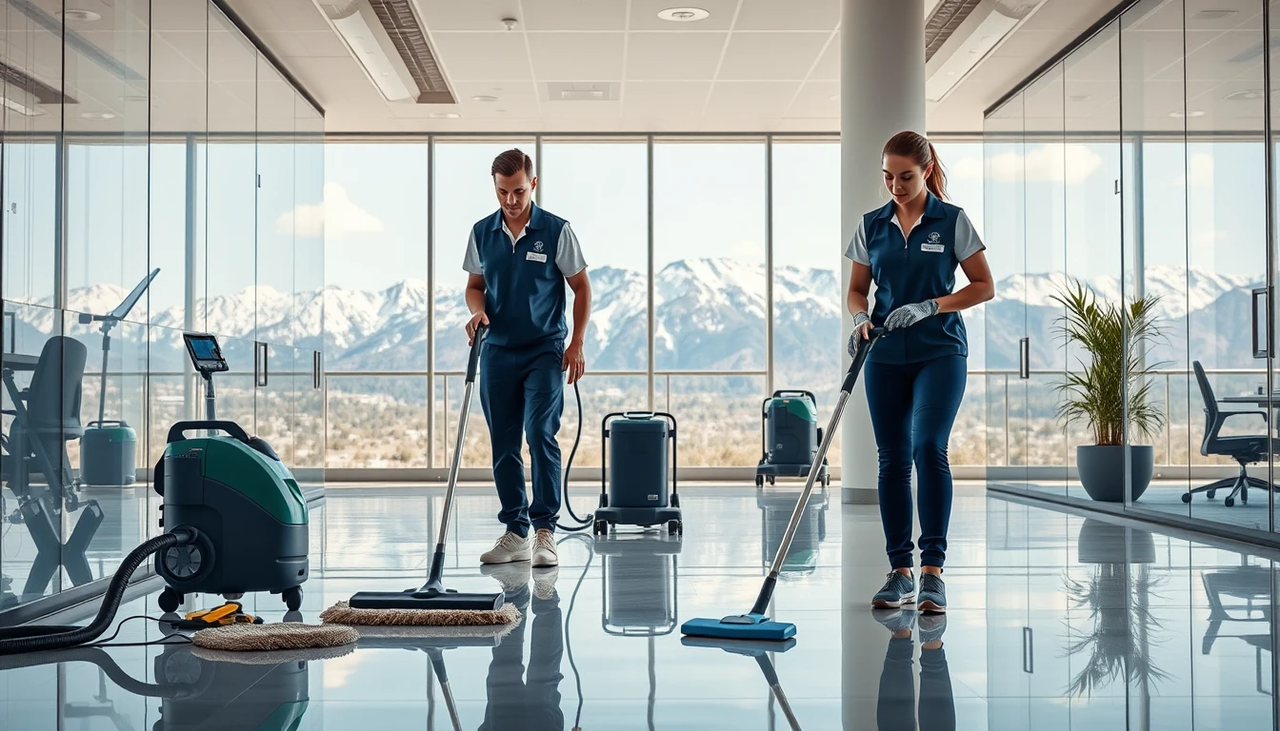

Starting a cleaning business in Colorado can be a rewarding and profitable venture, especially given the growing demand for cleaning services in both residential and commercial sectors. Whether you’re looking to offer house cleaning, office maintenance, or specialized services like move-out or rental cleaning, understanding the necessary steps to establish your business is crucial for success.
Colorado does not require a statewide business license for cleaning services, but local municipalities may have specific licensing and permitting requirements. It’s essential to consult with city or county officials to ensure compliance with local regulations. Additionally, residential cleaning services are exempt from sales tax in Colorado, which simplifies pricing and billing for these services.
The first step is deciding on the legal structure of your business. Options include sole proprietorship, Limited Liability Company (LLC), or corporation. Each structure has its advantages, such as liability protection for LLCs and corporations, while sole proprietorships offer simplicity and lower startup costs. Registering your business with the Colorado Secretary of State is mandatory, and the process varies depending on the chosen structure.
While a state license isn’t required, local business licenses may be necessary, depending on your location. Costs for these licenses typically range from $50 to $100. Additionally, obtaining business insurance, such as general liability and workers’ compensation, is critical to protect your business from potential risks and legal claims.
Once your business is registered and licensed, focus on acquiring the necessary cleaning supplies and equipment. Marketing your services effectively is also key to attracting clients. Consider offering competitive pricing and leveraging online platforms or local advertising to reach your target audience.
As your business grows, you may want to hire employees or expand your service offerings. Training your team and maintaining high-quality standards will help build a strong reputation and ensure customer satisfaction. Some entrepreneurs also explore franchising opportunities, such as partnering with established brands like JAN-PRO or Vanguard Cleaning Systems, to benefit from their resources and support.
By following these steps and staying informed about local regulations, you can establish a successful cleaning business in Colorado that meets the needs of your community while achieving your entrepreneurial goals.
Starting a cleaning business in Denver requires adherence to local licensing and regulatory requirements, even though the city does not mandate a specific cleaning business license. Here’s a breakdown of the essential steps:
While Denver does not require a business license for cleaning services, you must register your business with the Colorado Secretary of State. This includes choosing a business structure (e.g., sole proprietorship, LLC, or corporation) and filing the necessary paperwork.
Ensure your business complies with local zoning laws. If you plan to operate from a physical location, you may need a zoning use permit, which grants permission to use a property for business purposes.
If you sell cleaning products or offer taxable services, you must obtain a sales tax license from the Colorado Department of Revenue. Residential cleaning services, however, are exempt from sales tax.
Obtaining business insurance, such as general liability and workers’ compensation, is highly recommended to protect your business from potential risks and legal claims.
Consult with Denver’s Business Licensing Center to confirm any additional local requirements or permits that may apply to your cleaning business.
By following these steps, you can ensure your cleaning business operates legally and successfully in Denver.
Choosing the right business structure for your cleaning business is a critical decision that impacts liability, taxes, and operational flexibility. Here’s a breakdown of the main options and factors to consider:
Key Considerations
Consulting with a legal or financial advisor can help you make the best choice based on your specific needs and goals.
For a cleaning business in Colorado, several types of insurance are essential to protect against various risks and ensure compliance with legal requirements:
By securing these policies, your cleaning business in Colorado can mitigate risks, comply with legal requirements, and operate with greater confidence.
To register your cleaning business name with the Colorado Secretary of State, follow these steps:

By following these steps, you can successfully register your cleaning business name in Colorado and ensure compliance with state regulations.
Starting a cleaning business as a Limited Liability Company (LLC) offers several significant benefits:
Overall, forming an LLC for your cleaning business provides legal protection, tax advantages, and a professional edge, setting a strong foundation for success.
Starting a cleaning business in Colorado, particularly as a Limited Liability Company (LLC), offers a wealth of opportunities for aspiring entrepreneurs. By carefully navigating the registration process, selecting the right business structure, and securing essential insurance coverage, you can establish a strong foundation for your venture. The LLC structure, in particular, provides significant advantages, including asset protection, tax flexibility, and enhanced credibility, making it an ideal choice for cleaning businesses aiming to grow and thrive.
As you embark on this journey, remember to stay informed about local regulations, invest in quality equipment, and prioritize customer satisfaction to build a reputable and successful business. With dedication, strategic planning, and a commitment to excellence, your cleaning business in Colorado can become a trusted and profitable enterprise in your community. Whether you’re cleaning homes, offices, or specialized spaces, the possibilities for growth and success are within reach. Good luck!
No, Colorado does not require a state license for cleaning businesses. However, check local city or county regulations for any specific licensing requirements.
An LLC is often the best choice due to its liability protection, tax flexibility, and simplicity. However, sole proprietorships are also common for small, low-risk businesses.
Conduct a name search, file the appropriate formation documents (e.g., Articles of Organization for an LLC) with the Colorado Secretary of State, and register a Trade Name (DBA) if needed.
Essential insurance includes general liability, workers’ compensation (if you have employees), commercial auto (if using vehicles), and janitorial bonds for theft protection.
Startup costs vary but typically range from $500 to $5,000, covering supplies, equipment, insurance, and registration fees.
No, residential cleaning services are exempt from sales tax. However, commercial cleaning services and the sale of cleaning products may be taxable.
Yes, many cleaning businesses operate from home. Check local zoning laws to ensure compliance and consider obtaining a home occupation permit if required.
Leverage online marketing (website, social media, and directories), local advertising, word-of-mouth referrals, and partnerships with real estate agents or property managers.
Basic supplies include cleaning solutions, mops, vacuums, microfiber cloths, gloves, and trash bags. Specialized services may require additional equipment like carpet cleaners or pressure washers.
Yes, you can partner with established cleaning franchises like JAN-PRO or Vanguard Cleaning Systems to benefit from their brand recognition, training, and resources.