Merchant Alternatives is reader-supported. When you make purchases through links on our site, we may earn a commission. This is always at no additional cost to you and helps us continue to provide accurate, transparent and up-to-date information on the things that matter most to your business, for free.
Starting a cleaning business from scratch can be both exciting and challenging. The demand for cleaning services is consistently high, making it a lucrative venture for entrepreneurs. Whether you aim to provide residential, commercial, or specialized cleaning services, the key to success lies in careful planning and execution. With minimal startup costs and the flexibility to work independently or build a team, a cleaning business offers a unique opportunity for those looking to be their own bosses.
Why Start a Cleaning Business?
Low Startup Costs: You can begin with basic cleaning supplies and minimal overhead expenses, making it accessible even with limited initial investment.
Flexibility: Running a cleaning business allows you to set your own schedule and choose your clients, offering flexibility that many other industries cannot match.
No Special Qualifications Required: While specialized services may require training, starting a basic cleaning business does not necessitate specific certifications or qualifications.
Key Steps to Consider
Identify Your Target Market: Determine whether you will focus on residential, commercial, or specialized cleaning services to tailor your offerings and pricing.
Develop a Business Plan: Outline your goals, budget, and operational strategy to ensure a solid foundation for your business.
Secure Necessary Licenses and Insurance: Obtain a business license and consider insurance to protect your business from potential risks.
Market Your Services: Utilize online platforms and local networks to attract your first clients and build a reputation.
By following these steps and maintaining a focus on quality service, you can successfully launch and grow a cleaning business from scratch.
Detailed Guide to Starting a Cleaning Business
For a comprehensive guide on how to start a cleaning business, including tips on budgeting, marketing, and managing your business, continue reading below:
Step-by-Step Guide
Fund Your Business: Determine your startup costs and consider financing options if necessary.
Choose Your Market: Decide on the type of cleaning services you will offer and the area you will serve.
Plan Your Budget: Estimate costs for supplies, transportation, and any necessary equipment.
Purchase Supplies: Buy basic cleaning products and consider bulk purchases for savings.
Market Your Services: Use social media, local advertising, and word-of-mouth to attract clients.
Hire Help as Needed: Expand your team as your business grows to maintain quality service.
Manage Client Relationships: Focus on customer satisfaction to build a strong reputation.
By following these steps and staying committed to your business goals, you can establish a successful cleaning business that meets the needs of your target market.
What are the first steps to take when starting a cleaning business
When starting a cleaning business, the first steps are crucial for laying a solid foundation. Here are the key initial steps to consider:
First Steps to Starting a Cleaning Business
Conduct Market Research and Create a Business Plan:
Research the Market: Understand the demand for cleaning services in your area, identify your competitors, and determine their strengths and weaknesses.
Define Your Business Plan: Outline your business goals, services offered, pricing strategy, and financial projections. This plan will serve as a roadmap for your business.
Identify Your Target Market:
Decide whether you will focus on residential, commercial, or specialized cleaning services. This will help tailor your services and pricing.
Check Legal Requirements:
Register your business and obtain necessary licenses and permits. Ensure you comply with local regulations.
Secure Insurance:
Obtain insurance to protect your business from potential risks and liabilities.
Purchase Basic Equipment and Supplies:
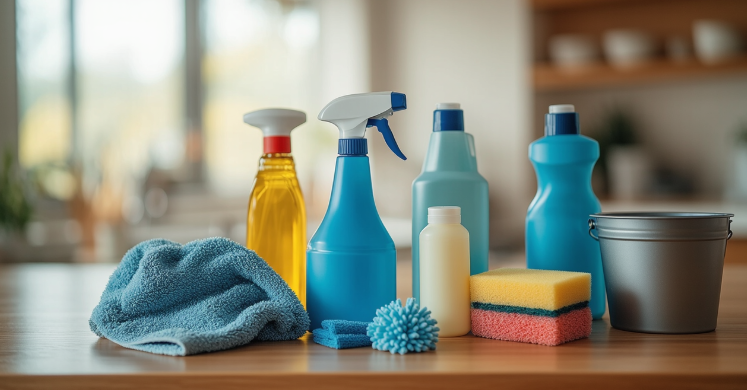
Start with essential cleaning supplies such as sponges, microfiber cloths, mops, and basic cleaning solutions. You can expand your inventory as your business grows.
Develop a Pricing Strategy:
Set competitive prices based on your costs, market conditions, and the value-added services you offer.
Market Your Services:
Use social media, local advertising, and networking to promote your business and attract your first clients.
By following these initial steps, you can establish a strong foundation for your cleaning business and set yourself up for success.
How can I effectively market my cleaning business to attract clients
Effectively marketing your cleaning business involves a combination of digital strategies, targeted advertising, and building strong customer relationships. Here are some effective ways to attract clients:
Effective Marketing Strategies for a Cleaning Business
1. Create and Optimize Your Website
Use a website builder like Wix to create a visually appealing site that showcases your services, team, and client testimonials.
Include a booking system and lead generation forms to encourage visitors to engage with your business.
2. Leverage Social Media
Engage with potential clients by sharing high-quality images and interactive posts on platforms like Facebook and Instagram.
Utilize targeted social media advertising to reach your ideal audience.
3. Develop Email Marketing Campaigns
Send personalized emails with compelling calls-to-action to encourage customer engagement.
Use newsletters to keep clients informed about new services and special offers.
4. Content Marketing
Start a blog to share informative articles and videos about cleaning techniques and tips.
Produce short video clips demonstrating your expertise and unique services.
5. Referral Programs
Implement a referral program where current clients receive discounts for referring new clients.
6. Direct Mail and Local Networking
Use direct mail marketing to reach potential clients in your area.
Participate in local events and collaborate with other businesses to increase visibility.
7. SEO and Video Content
Optimize your website for search engines to improve visibility.
Create engaging video content to showcase your services and share on social media.
8. Value Proposition
Clearly articulate what sets your business apart from competitors and consistently communicate this in your marketing materials.
By implementing these strategies, you can effectively market your cleaning business and attract new clients.
What are the best strategies for managing a small cleaning business
Managing a small cleaning business effectively involves several key strategies that focus on operational efficiency, customer satisfaction, and financial management. Here are some of the best strategies to consider:
Strategies for Managing a Small Cleaning Business
1. Develop a Comprehensive Business Plan
Outline your business goals, target market, services offered, and financial projections. This plan will serve as a guide for decision-making and growth.
2. Establish Operational Workflows and Systems
Implement Standard Operating Procedures (SOPs) for both office and field tasks to ensure consistency and efficiency. Regularly review and update these procedures to maintain quality and compliance.
3. Optimize Time and Resource Management
Use scheduling tools to maximize productivity and minimize travel time. Ensure all necessary resources are available for each job.
Invest in technology that automates tasks like scheduling and billing to streamline operations.
4. Focus on Customer Retention
Implement customer retention programs such as referral incentives and regular communication to maintain a loyal client base.
Use customer relationship management (CRM) software to track client interactions and preferences.
5. Invest in Employee Training and Development
Train staff to provide high-quality services consistently. Consider certifications that enhance your business's reputation and capabilities.
6. Monitor Finances Closely
Keep track of expenses, revenues, and cash flow to ensure financial stability. Regularly review pricing strategies to maintain profitability.
7. Differentiate Your Business
Specialize in a niche market or offer unique services to stand out from competitors. This can help attract and retain clients seeking specialized cleaning solutions.
8. Use Technology to Enhance Operations
Leverage cleaning service software for real-time reporting, automated scheduling, and efficient resource allocation.
By implementing these strategies, you can effectively manage your small cleaning business, improve efficiency, and drive growth.
How do I determine the pricing for my cleaning services
Determining the pricing for your cleaning services involves several key factors and strategies. Here’s a step-by-step guide to help you set competitive and profitable prices:
Determining Pricing for Cleaning Services
1. Calculate Your Costs
Fixed Costs: Include expenses like insurance, licenses, and equipment.
Variable Costs: Consider costs for cleaning supplies, transportation, and labor.
Labor Costs: Calculate the hourly wage for cleaners, including payroll taxes and benefits.
2. Understand Market Trends
Competitor Pricing: Research what other cleaning services in your area charge to position your business competitively.
Location: Prices can vary significantly based on the cost of living and demand in your area.
3. Service Type and Frequency
Residential vs. Commercial: Commercial services often command higher prices due to larger areas and specialized needs.
Frequency Discounts: Offer lower rates for regular clients to encourage loyalty and steady income.
4. Pricing Strategies
Cost-Plus Pricing: Add a markup to your costs to ensure profitability.
Competitor-Based Pricing: Set prices similar to competitors to avoid being too high or low.
Value-Based Pricing: Charge based on the perceived value of your services, especially for specialized or premium offerings.
5. Pricing Models
Per Square Foot: Effective for larger properties or commercial spaces.
Per Room or Bedroom/Bathroom: Common for residential cleaning.
Hourly or Flat Rate: Choose based on the scope of work and your efficiency.
6. Create Pricing Packages
Offer tiered packages to cater to different client needs and budgets. Include options for one-time, regular, and specialized services.
7. Adjust Pricing as Needed
Monitor client feedback and market conditions to adjust your pricing strategy over time.
By following these steps, you can develop a pricing strategy that balances profitability with customer satisfaction and competitiveness.
What are the common mistakes to avoid when starting a cleaning business
When starting a cleaning business, there are several common mistakes to avoid to ensure success and sustainability. Here are some of the key pitfalls to watch out for:
Common Mistakes to Avoid in a Cleaning Business
Lack of a Clear Business Plan:
Market Research: Understand your target market and competition to tailor your services effectively.
Financial Projections: Estimate costs and revenues accurately to avoid financial strain.
Inadequate Employee Training and Vetting:
Ensure thorough background checks and ongoing training for cleaners to maintain quality and professionalism.
Underestimating Initial Costs:
Consider all expenses, including licenses, insurance, and quality equipment, to avoid financial surprises.
Poor Pricing Strategies:
Avoid underpricing services, as it can devalue your offerings and reduce profit margins.
Ineffective Marketing and Branding:
Develop a strong brand identity and utilize effective marketing strategies to attract and retain clients.
Ignoring Industry Standards and Trends:
Stay updated on the latest cleaning methods and materials to maintain competitiveness.
Inadequate Scheduling and Time Management:
Implement efficient scheduling systems to maximize productivity and meet client demands.
Neglecting Customer Feedback:
Regularly collect and act on customer feedback to improve services and build loyalty.
Not Having Written Service Agreements:
Use contracts to clarify service details and protect your business from misunderstandings.
Ignoring Safety Protocols:
Ensure all safety protocols are followed to protect employees and clients.
By avoiding these common mistakes, you can set your cleaning business up for success and build a strong foundation for growth.
Conclusion
Starting a cleaning business from scratch requires careful planning, execution, and ongoing management. By understanding the key steps involved in launching and running a cleaning business, entrepreneurs can navigate the challenges and capitalize on the opportunities in this industry. From conducting thorough market research to setting competitive pricing and managing operations efficiently, each aspect plays a crucial role in building a successful and sustainable business.
Avoiding common mistakes such as inadequate planning, poor employee training, and ineffective marketing can help prevent setbacks and ensure steady growth. By focusing on customer satisfaction, maintaining high-quality services, and adapting to market trends, a cleaning business can establish a strong reputation and attract a loyal client base.
Ultimately, the success of a cleaning business depends on its ability to balance operational efficiency with customer needs, while continuously improving services and adapting to the evolving market landscape. With dedication and the right strategies, entrepreneurs can turn their cleaning business into a thriving venture that provides both personal fulfillment and financial rewards.
FAQs
Q: What are the initial costs of starting a cleaning business?
A: Initial costs typically include licenses, insurance, basic cleaning equipment, and marketing expenses. These can vary depending on the size and scope of your business.
Q: Do I need any special certifications to start a cleaning business?
A: While not always required, certifications can enhance your business's reputation and capabilities. Consider obtaining certifications for specialized services like green cleaning or biohazard removal.
Q: How do I determine my target market?
A: Identify your target market by researching local demand, competition, and potential clients. Decide whether to focus on residential, commercial, or specialized cleaning services.
Q: What is the best way to market my cleaning business?
A: Effective marketing strategies include using social media, creating a professional website, and leveraging local advertising. Word-of-mouth referrals and partnerships with other businesses can also be beneficial.
Q: How do I set prices for my cleaning services?
A: Set prices by calculating your costs, researching competitor pricing, and considering the value you offer. Use pricing models like per square foot or hourly rates based on your services.
Q: What kind of insurance do I need for a cleaning business?
A: You typically need liability insurance to protect against accidents and property damage. Consider additional coverage for equipment and vehicles if applicable.
Q: How do I manage employee schedules and tasks efficiently?
A: Use scheduling software to optimize routes and allocate tasks effectively. Regularly review and adjust schedules to ensure they meet client demands and operational needs.
Q: What are some common mistakes to avoid when starting a cleaning business?
A: Common mistakes include inadequate planning, poor pricing strategies, and neglecting customer feedback. Ensure thorough employee training and maintain high-quality services to avoid these pitfalls.
Q: How can I differentiate my cleaning business from competitors?
A: Differentiate your business by offering specialized services, using eco-friendly products, or providing exceptional customer service. Highlight these unique aspects in your marketing efforts.
Q: How do I measure the success of my cleaning business?
A: Measure success by tracking financial performance, customer satisfaction ratings, and growth in client base. Regularly review these metrics to identify areas for improvement and adjust strategies accordingly.