Merchant Alternatives is reader-supported. When you make purchases through links on our site, we may earn a commission. This is always at no additional cost to you and helps us continue to provide accurate, transparent and up-to-date information on the things that matter most to your business, for free.
Starting a clean out business can be a lucrative venture, especially in today's market where decluttering and property turnover are increasingly common. The clean out industry, which includes services like junk removal and estate cleanouts, is expected to grow significantly, with the U.S. junk removal industry projected to reach $10.8 billion by 2025. This growth presents an excellent opportunity for entrepreneurs looking to capitalize on the demand for efficient and reliable clean out services. A clean out business involves removing unwanted items from residential or commercial properties, often in preparation for sales, renovations, or other transitions. It requires careful planning, strategic marketing, and efficient operations to succeed. Whether you're targeting residential cleanouts, commercial properties, or foreclosures, understanding the key steps to launch and grow your business is crucial.
Key Considerations
Market Demand: The demand for clean out services is driven by factors like property turnover and the growing trend of decluttering.
Start-up Costs: Initial investments can be relatively low, starting around $10,000, depending on the scale and scope of your operations.
Operational Efficiency: Leveraging technology and strategic partnerships can help streamline operations and improve customer satisfaction.
In this guide, we will walk you through the essential steps to start a successful clean out business, from defining your niche to scaling your operations.
Steps to Start a Clean Out Business
Define Your Niche: Determine whether you will focus on residential, commercial, or specialized cleanouts.
Conduct Market Research: Understand your competition and target market.
Develop a Business Plan: Outline your goals, services, and financial projections.
Secure Funding: Explore financing options to cover initial costs.
Register Your Business: Obtain necessary licenses and insurance.
Acquire Equipment and Supplies: Invest in trucks, dumpsters, and protective gear.
Set Up Operations: Establish partnerships with disposal services and vendors.
Hire and Train Staff: Build a skilled team to handle cleanouts efficiently.
Develop Marketing Strategies: Promote your services through local networks and online platforms.
Launch Your Business: Execute your marketing plan and begin operations.
Scale and Optimize: Expand services and invest in technology to enhance efficiency.
By following these steps and staying focused on customer satisfaction and operational efficiency, you can build a thriving clean out business that meets the growing demand for these services.
What are the most common pitfalls to avoid when starting a clean out business
When starting a clean out business, it's crucial to avoid several common pitfalls that can hinder growth and success. Here are some of the most significant mistakes to watch out for:
Overpromising and Underdelivering:
Mistake: Taking on too many jobs without the capacity to fulfill them.
Solution: Start small, focus on quality, and gradually expand your services as your business grows.
Underestimating Initial Costs:
Mistake: Failing to account for all startup expenses, including licenses, insurance, and equipment.
Solution: Create a comprehensive budget that includes all potential costs.
Lack of Clear Business Strategy:
Mistake: Launching without a defined plan or target market.
Solution: Develop a robust business strategy that outlines services, target markets, and financial projections.
Neglecting Marketing and Branding:
Mistake: Relying solely on word-of-mouth referrals.
Solution: Implement a multi-channel marketing strategy, including social media and local advertising.
Failing to Invest in Quality Tools and Supplies:
Mistake: Using low-quality equipment that can lead to inefficiencies and poor service.
Solution: Invest in high-quality tools and supplies to ensure efficient operations and customer satisfaction.
Inadequate Training and Staff Management:
Mistake: Not providing proper training or vetting employees.
Solution: Ensure thorough background checks and ongoing training for staff to maintain quality service.
Not Preparing for Slow Seasons:
Mistake: Failing to diversify services or prepare for seasonal fluctuations.
Solution: Offer seasonal promotions and maintain a financial buffer to manage downtime.
Ignoring Client Expectations:
Mistake: Not setting clear boundaries or managing client expectations effectively.
Solution: Establish clear contracts and communicate effectively with clients to avoid misunderstandings.
By avoiding these common pitfalls, you can set your clean out business up for success and build a strong foundation for growth.
How can I leverage AI tools to maximize efficiency in my clean out business
Leveraging AI tools can significantly enhance the efficiency of your clean out business by automating tasks, improving decision-making, and optimizing operations. Here are some ways you can utilize AI to maximize efficiency:
1. Automation of Scheduling and Dispatching
AI Tool: Service Autopilot
Functionality: Automates scheduling and dispatching processes, optimizing routes for fuel efficiency and streamlining data management.
Benefit: Reduces manual labor and improves response times.
2. Enhanced Decision-Making
AI Tool: Predictive Analytics tools like DataRobot
Functionality: Analyzes historical data to predict future trends and demand, helping in strategic planning.
Benefit: Enables informed decisions about resource allocation and service expansion.
3. Customer Service and Communication
AI Tool: Generative AI services like ChatGPT or Claude
Functionality: Automates customer service emails and communications, improving response times and consistency.
Benefit: Enhances customer satisfaction and reduces staff workload.
4. Process Automation
AI Tool: Robotics Process Automation (RPA) tools
Functionality: Automates repetitive tasks such as data entry and report generation, freeing staff for strategic tasks.
Benefit: Increases productivity and reduces operational costs.
5. Operational Efficiency
AI Tool: Motion
Functionality: Creates schedules and to-do lists for teams, ensuring task prioritization and deadline management.
Benefit: Improves team coordination and ensures timely project completion.
Implementation Strategy
Assess Current Operations: Identify areas where AI can add the most value.
Choose Relevant Tools: Select AI tools that align with your business needs.
Train Staff: Educate employees on how to effectively use AI tools.
Monitor and Adjust: Continuously evaluate the impact of AI tools and make adjustments as needed.
By integrating these AI tools into your clean out business, you can streamline operations, enhance customer service, and drive growth.
What are the best marketing strategies for attracting initial clients to a clean out business
Attracting initial clients to a clean out business requires a strategic marketing approach that highlights your services, builds trust, and differentiates you from competitors. Here are some of the best marketing strategies to attract initial clients:
1. Develop a Professional Website
Strategy: Create a visually appealing website that showcases your services, expertise, and testimonials. Use platforms like Wix to build a site without needing coding skills.
Features:
Service Listings: Include detailed descriptions and pricing.
Before-and-After Photos: Showcase your work quality.
Booking System: Allow clients to schedule appointments online.
SEO Optimization: Improve search engine visibility.
2. Leverage Social Media
Strategy: Utilize platforms like Facebook, Instagram, and Twitter to share engaging content, such as before-and-after photos, customer testimonials, and cleaning tips.
Benefits: Enhances brand visibility and fosters community engagement.
3. Email Marketing Campaigns
Strategy: Send regular newsletters to subscribers highlighting new services, promotions, and company news.
Benefits: Keeps clients informed and encourages repeat business.
4. Content Marketing
Strategy: Create informative blog posts, videos, or podcasts that provide cleaning tips and industry insights.
Benefits: Establishes your business as an authority in the clean out industry.
5. Networking and Partnerships
Strategy: Engage with local businesses through networking events or partnerships to expand your reach.
Benefits: Builds relationships that can lead to referrals and collaborations.
6. Offer Special Promotions
Strategy: Provide discounts for new clients or referrals to incentivize word-of-mouth marketing.
Benefits: Encourages initial bookings and builds a loyal customer base.
7. Pay-Per-Click (PPC) Advertising
Strategy: Use targeted PPC ads to drive immediate traffic to your website.
Benefits: Increases visibility and attracts potential clients actively searching for clean out services.
Implementation Plan
Identify Target Audience: Understand who your potential clients are and tailor your marketing efforts accordingly.
Set SMART Goals: Ensure your marketing objectives are specific, measurable, achievable, relevant, and time-bound.
Monitor and Adjust: Continuously evaluate the effectiveness of your strategies and make necessary adjustments.
By implementing these strategies, you can effectively attract initial clients and establish a strong foundation for your clean out business.
How much should I budget for startup costs in a clean out business
Budgeting for startup costs in a clean out business involves considering several key expenses, which can vary based on the scale and scope of your operations. Here's a breakdown of typical startup costs:
Estimated Startup Costs for a Clean Out Business
Vehicle (Truck or Van):
Cost: $15,000 - $30,000
Purpose: Essential for transporting equipment and personnel to job sites.
Equipment (Dollies, Hand Trucks, Tools):
Cost: $2,000 - $5,000
Purpose: Necessary for efficiently handling and removing items from properties.
Insurance and Licenses:
Cost: $1,500 - $3,000
Purpose: Protects against liability and ensures legal compliance.
Marketing and Website:
Cost: $2,000 - $5,000
Purpose: Establishes an online presence and promotes services to potential clients.
Initial Operating Expenses:
Cost: $5,000 - $10,000
Purpose: Covers initial operational costs such as supplies, utilities, and employee salaries.
Specialized Cleaning Equipment and Supplies:
Cost: $5,000 - $15,000 (for specialized services like foreclosure cleanouts).
Commercial Vehicle(s) for Transportation:
Cost: $20,000 - $50,000 (for larger operations).
Professional Liability Insurance Coverage:
Cost: $1,000 - $5,000 annually.
Permits and Licenses:
Cost: $500 - $2,000.
Website Development and Online Marketing:
Cost: $1,000 - $10,000.
Total Estimated Startup Costs:
For a basic clean out business: $25,500 - $53,000.
For a more specialized operation like foreclosure cleanouts: $32,500 - $107,000.
Budgeting Tips:
Start Lean: Consider renting equipment or partnering with established companies to reduce upfront costs.
Explore Funding Options: Utilize personal savings, small business loans, or crowdfunding to cover startup expenses.
Monitor Expenses: Regularly review your budget to ensure you're staying within projected costs and adjust as necessary.
By carefully planning and budgeting for these startup costs, you can effectively launch and grow your clean out business.
What types of equipment and supplies are essential for a clean out business
For a clean out business, essential equipment and supplies typically include tools that facilitate efficient removal and disposal of unwanted items, as well as cleaning supplies to leave properties in a satisfactory condition. Here are some key items to consider:
Essential Equipment
Trucks or Vans: Necessary for transporting personnel and equipment to job sites.
Dollies and Hand Trucks: Essential for moving heavy items safely.
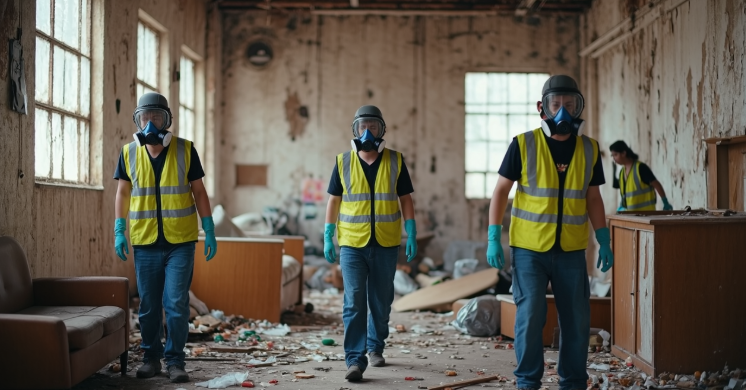
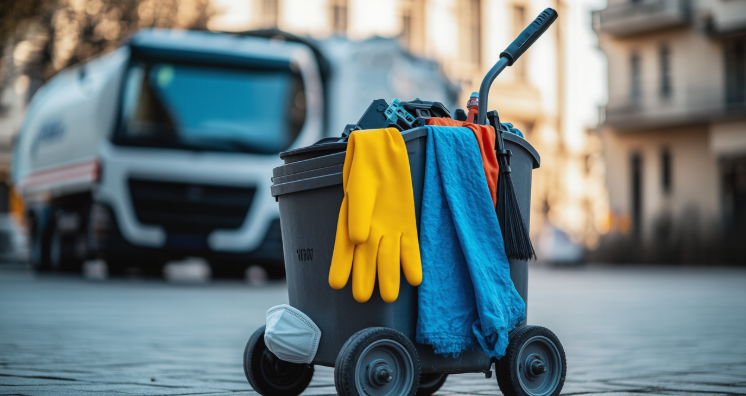
Protective Gear: Gloves, safety vests, and masks protect workers from potential hazards.
Vacuum Cleaner: Useful for cleaning floors after removals.
Pressure Washer: Ideal for cleaning exterior surfaces like driveways or sidewalks.
Ladders and Step Stools: For accessing high areas during cleanouts.
Essential Supplies
Trash Bags and Garbage Liners: For disposing of waste efficiently.
Cleaning Solutions: All-purpose cleaners, disinfectants, and glass cleaners.
Mop and Bucket: For cleaning floors.
Dusters and Brooms: For dusting and sweeping surfaces.
Microfiber Cloths: Effective for cleaning surfaces without leaving streaks.
Sponges and Scrubbers: Useful for deep cleaning surfaces.
Shoe Covers: Prevents dirt from being tracked into properties.
Spray Bottles: For storing and applying cleaning solutions.
Specialized Equipment (Optional)
Carpet Cleaning Machine: If you offer carpet cleaning services.
Floor Scrubber or Buffer: For large commercial spaces.
Steam Cleaner: For sanitizing surfaces and upholstery.
Tips for Acquisition
Rent Equipment: Consider renting specialized equipment to reduce upfront costs.
Buy in Bulk: Purchase supplies like trash bags and cleaning solutions in bulk to save money.
Prioritize Quality: Invest in durable equipment that can withstand frequent use.
By having these essential equipment and supplies, you can efficiently manage clean out operations and provide quality services to your clients.
Conclusion
Starting a clean out business requires careful planning, strategic marketing, and efficient operations. By understanding the initial costs, leveraging AI tools for optimization, and implementing effective marketing strategies, you can establish a strong foundation for success. Essential equipment and supplies are crucial for delivering quality services, ensuring customer satisfaction, and maintaining a competitive edge in the market.
As the demand for clean out services continues to grow, entrepreneurs who focus on building a robust business model, investing in the right tools, and providing exceptional customer service will be well-positioned to capitalize on this trend. Whether you're targeting residential, commercial, or specialized cleanouts, staying adaptable and committed to excellence will be key to long-term success.
By following the strategies outlined here, you can navigate the challenges of launching a clean out business and create a thriving enterprise that meets the evolving needs of your community.
FAQs
Q: What is the initial investment required to start a clean out business?
A: The initial investment can range from $25,500 to $107,000, depending on the scale and scope of your operations.
Q: What kind of equipment do I need to start a clean out business?
A: Essential equipment includes trucks or vans, dollies, hand trucks, protective gear, vacuum cleaners, and ladders.
Q: How do I market my clean out business effectively?
A: Effective marketing strategies include developing a professional website, leveraging social media, offering special promotions, and networking with local businesses.
Q: What licenses and insurance do I need for a clean out business?
A: You will need business licenses, liability insurance, and possibly specialized permits depending on your location and services offered.
Q: How can I use AI tools to improve my clean out business?
A: AI tools can help automate scheduling, enhance decision-making with predictive analytics, and improve customer service through automated communication systems.
Q: What are the most common pitfalls to avoid when starting a clean out business?
A: Common pitfalls include underestimating startup costs, failing to develop a clear business strategy, and neglecting marketing efforts.
Q: How do I attract initial clients to my clean out business?
A: Attract initial clients by offering promotions, leveraging social media, and networking with local businesses and real estate agents.
Q: What types of supplies are essential for a clean out business?
A: Essential supplies include trash bags, cleaning solutions, mops, brooms, and protective gear for workers.
Q: Can I start a clean out business with minimal initial investment?
A: Yes, you can start small by renting equipment, partnering with other businesses, or focusing on specialized services that require less upfront cost.
Q: How can I scale my clean out business over time?
A: Scale your business by expanding services, investing in technology to streamline operations, and hiring additional staff as demand increases.