
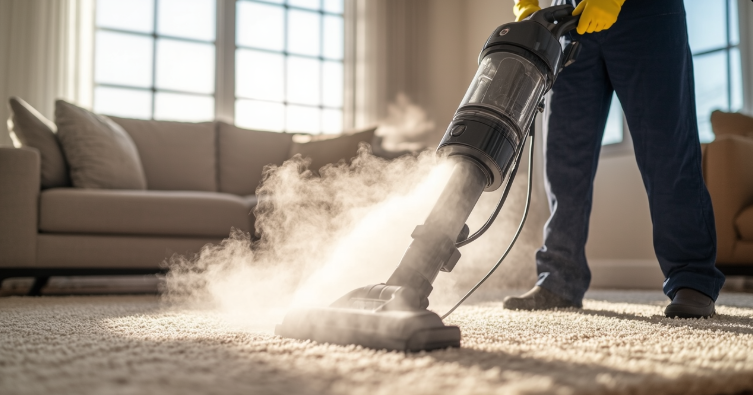

The carpet cleaning industry is thriving, driven by the need for clean and well-maintained carpets in homes and businesses alike. As more people recognize the importance of cleanliness and hygiene, the demand for professional carpet cleaning services continues to grow. This guide outlines the essential steps to launch your own carpet cleaning business, from initial planning to securing clients, ensuring you are well-prepared to enter this lucrative market.
A solid business plan is crucial for your carpet cleaning business. It serves as a roadmap for your operations and helps clarify your goals. Your plan should include:
To ensure quality service, consider obtaining training from reputable courses in carpet cleaning techniques. Certification can enhance your credibility and help you master essential skills necessary for effective cleaning.
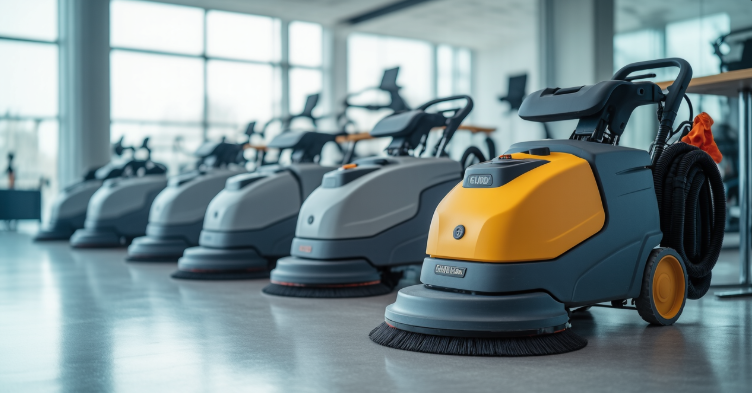
Invest in high-quality equipment essential for carpet cleaning:
Choose a unique name for your business and register it with local authorities. Decide on a legal structure (sole proprietorship, LLC, etc.) that suits your needs and consult with an attorney or accountant if necessary.
Check local regulations to acquire necessary licenses and permits for operating a carpet cleaning business. Additionally, invest in liability insurance to protect against potential damages during service provision.
Develop a marketing strategy to attract clients:
Start small by offering services to friends or family to build experience and gather testimonials. Consider offering promotional discounts for first-time customers to encourage them to try your services.
As your business grows, you may want to hire additional staff to help manage increased demand. Look for individuals who share your commitment to quality service.
Starting a carpet cleaning business can be a promising venture, but new entrepreneurs often encounter common pitfalls that can hinder their success. Understanding these mistakes can help you navigate the challenges of the industry more effectively. Here are some of the most frequent errors made by new carpet cleaning businesses:
Many new business owners fail to accurately estimate the initial costs associated with starting a carpet cleaning business. This includes not only the purchase of cleaning equipment but also expenses related to marketing, insurance, and operational costs. A detailed business plan that outlines all potential expenses is essential to avoid financial surprises later on.
Neglecting to conduct thorough market research is another common mistake. Entrepreneurs may assume there is sufficient demand for their services without validating this through research. Understanding local competition, identifying target customers, and determining pricing strategies are critical for effective market positioning.
Some entrepreneurs enter the carpet cleaning business without proper training or certification, believing that it is a straightforward task. However, professional cleaning requires knowledge of various methods and chemicals. Investing in training enhances service quality and builds credibility with clients.
New carpet cleaning businesses often focus heavily on the technical aspects of their work while neglecting customer service. Exceptional customer service is crucial for building client relationships, leading to repeat business and referrals. Clear communication, punctuality, and follow-ups are vital components of good customer service.
Carpet cleaning demand can fluctuate seasonally, with peaks during certain times of the year. Failing to plan for these fluctuations can result in cash flow issues during slower months. Developing strategies to manage cash flow year-round, such as offering promotions or complementary services, can mitigate this risk.
Investing in low-quality or improper equipment can lead to ineffective cleaning results and damage carpets. It's essential to use high-quality machines that are suitable for the types of carpets being cleaned to avoid issues like over-saturation or insufficient suction, which can cause mold growth or rapid re-soiling.
Many new businesses underestimate the importance of marketing their services effectively. Relying solely on word-of-mouth or not having an online presence can limit growth opportunities. Building a professional website, engaging on social media, and utilizing local advertising can significantly enhance visibility and attract clients.
Using untested cleaning solutions can lead to damage or discoloration of carpets. New entrepreneurs should always perform spot tests on hidden areas before applying products widely to prevent adverse reactions.
Effectively marketing your carpet cleaning services is crucial for attracting more clients and growing your business. Here are several strategies to enhance your visibility and engagement with potential customers:
To effectively price your carpet cleaning services, consider these strategies:
Getting certified in carpet cleaning is highly important for both technicians and business owners in the industry. Certification not only enhances credibility but also provides numerous benefits that can significantly impact the quality of service provided and the overall success of a carpet cleaning business.
Certification programs, such as those offered by the Institute of Inspection Cleaning and Restoration Certification (IICRC), provide comprehensive training on the latest techniques, products, and equipment used in carpet cleaning. Certified technicians are educated on various carpet types, fiber compositions, and the most effective cleaning methods tailored to each. This knowledge ensures that they can deliver high-quality results while minimizing the risk of damage to carpets.
Having certification signals to potential clients that a carpet cleaning technician or company adheres to industry standards and best practices. Many customers prioritize hiring certified professionals, as it assures them of reliability and accountability. Certification can also enhance a business's reputation, making it more competitive in a crowded market.
Many commercial contracts and proposals require service providers to have relevant certifications. Companies that are certified are often preferred when bidding for jobs, as they demonstrate a commitment to quality and professionalism. This can lead to increased business opportunities and higher revenue potential.
Certification is not a one-time achievement; it often requires ongoing education to maintain status. This commitment to continuous learning helps technicians stay updated with industry advancements, including new cleaning technologies and eco-friendly practices. Staying informed about these developments can improve service offerings and customer satisfaction.
Some insurance providers may offer better coverage rates or terms for certified businesses. Certification can reduce liability risks by ensuring that technicians are trained to handle various situations safely and effectively. This can lead to lower premiums and better protection for both the business and its clients.
For a carpet cleaning business, several types of insurance coverage are essential to protect against common risks. Here are some key types of insurance to consider:
In conclusion, starting and operating a carpet cleaning business involves careful planning, effective marketing, and a commitment to quality service. By understanding the importance of certification, implementing appropriate insurance coverage, and employing strategic pricing and marketing techniques, you can position your business for success in a competitive market.
Investing in your skills and knowledge through training and certification not only enhances your credibility but also ensures that you provide the highest level of service to your clients. Additionally, securing the right insurance protects your business from potential risks, allowing you to focus on growth and customer satisfaction.
With a solid foundation built on these principles, you can establish a reputable carpet cleaning business that meets the needs of your community while achieving your professional goals. Embrace the journey ahead, and remember that continuous improvement and adaptability are key to long-term success in this thriving industry.
We offer a variety of cleaning methods, including hot water extraction (steam cleaning), dry cleaning, and encapsulation, depending on your carpet type and specific needs. We'll assess your carpets and recommend the most effective and safe cleaning method.
We recommend professional carpet cleaning every 12-18 months for residential carpets and more frequently for commercial spaces, depending on traffic and soiling levels.
Yes, we prioritize safety. We use eco-friendly and non-toxic cleaning solutions that are safe for children and pets. We can also discuss specific concerns or allergies you might have.
Drying time depends on the cleaning method, humidity, and airflow. Typically, carpets will dry within 2-6 hours. We can provide tips to expedite drying, such as using fans or opening windows.
While it's not required, vacuuming before our arrival helps remove loose debris and maximizes the effectiveness of our cleaning process.
We strive to remove all stains; however, the success depends on the type of stain, how long it has been present, and the carpet fiber. We'll assess the stains and provide realistic expectations.
We can move some furniture (such as sofas, chairs, and tables) within reason. However, we ask that you remove breakables and personal items. We'll discuss furniture moving during the booking process.
Our pricing depends on the square footage, carpet type, and the services required. We offer free estimates, either online or in-person, to provide you with an accurate quote.
Customer satisfaction is our top priority. If you are not completely satisfied, please contact us within 24 hours, and we will return to address any issues.
You can book an appointment by calling us, visiting our website, or emailing us. We offer flexible scheduling options to accommodate your needs.