Merchant Alternatives is reader-supported. When you make purchases through links on our site, we may earn a commission. This is always at no additional cost to you and helps us continue to provide accurate, transparent and up-to-date information on the things that matter most to your business, for free.
The bamboo clothing business combines financial potential with environmental sustainability, making it an attractive venture in the growing market for eco-friendly fashion. Bamboo fabric is celebrated for its softness, durability, and antimicrobial properties, appealing to environmentally conscious consumers. With the global sustainable apparel market projected to grow significantly, entrepreneurs can capitalize on this trend by launching a bamboo clothing business.
Steps to Start a Bamboo Clothing Business
1. Understand the Market
Research Sustainable Fashion Trends: Study consumer preferences and industry trends to identify opportunities in the bamboo clothing sector.
Compare Bamboo to Other Fabrics: Bamboo fabric stands out for its rapid growth and minimal agricultural requirements compared to alternatives like organic cotton or hemp.
Identify Target Demographics: Focus on eco-conscious consumers who value sustainability, ranging from high-end fashion buyers to activewear enthusiasts.
2. Develop a Business Model
Choose a model that aligns with your resources and goals:
Manufacturing Line: Produce bamboo clothing in-house.
Online Store: Sell directly to consumers via e-commerce platforms.
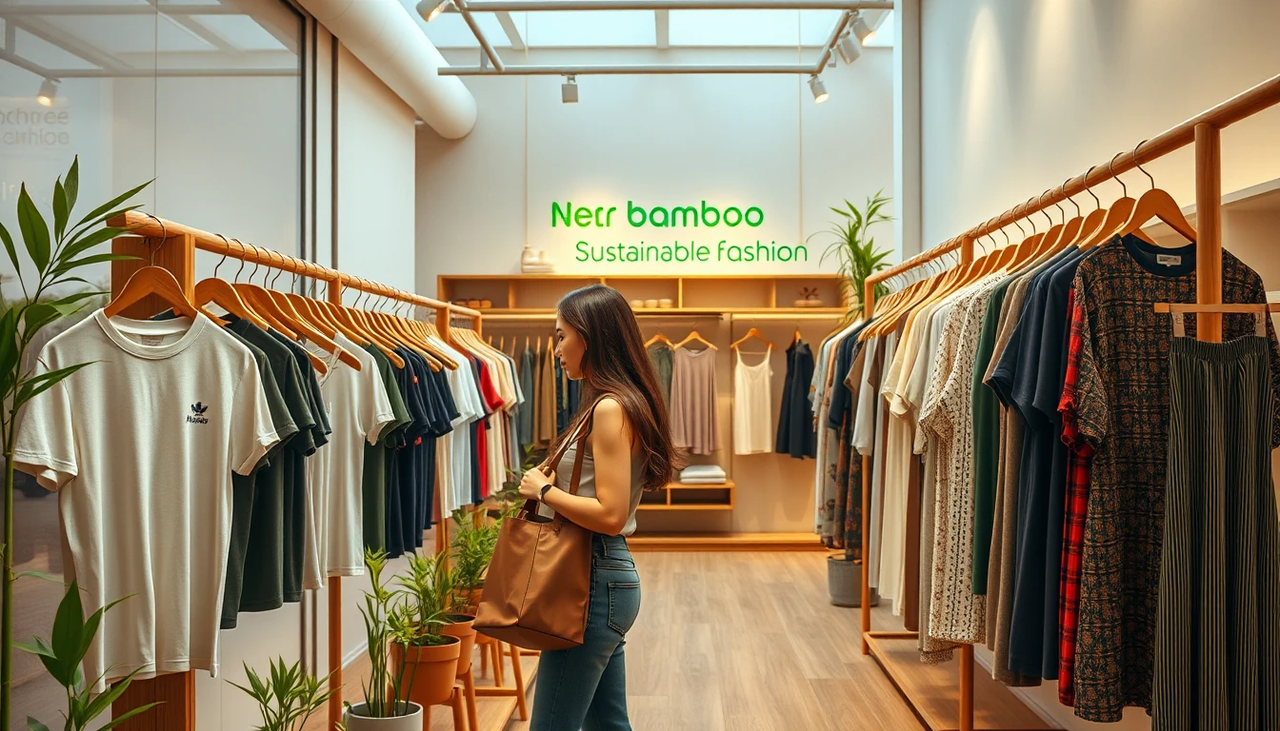
Boutique Shop: Create a physical retail store.
Wholesale Distribution: Supply bamboo clothing to other retailers.
3. Source Materials and Suppliers
Research suppliers offering high-quality bamboo fabric at competitive prices.
Ensure suppliers adhere to sustainable practices.
Acquire necessary equipment such as sewing machines, cutting tools, and packaging materials.
4. Create a Brand Identity
Develop a unique brand that reflects your commitment to sustainability. Focus on storytelling to connect with your audience emotionally. Use eco-friendly packaging and emphasize ethical production practices.
5. Register Your Business
Obtain necessary licenses such as incorporation certificates and business permits.
Ensure compliance with local regulations governing sustainable fashion businesses.
6. Build a Team
Hire skilled professionals, including designers, production managers, and marketing experts, who share your vision for sustainable fashion.
7. Develop Marketing Strategies
Leverage online platforms for branding and sales:
Create an SEO-optimized website with e-commerce capabilities.
Use social media marketing to engage eco-conscious audiences.
Highlight the benefits of bamboo clothing in your campaigns.
8. Secure Funding
Evaluate financing options like personal savings, crowdfunding, or small business loans to cover initial costs.
What are the initial steps to start a bamboo clothing business
Initial Steps to Start a Bamboo Clothing Business
Conduct Market Research
Analyze trends in sustainable fashion and the growing demand for bamboo clothing.
Identify your target audience, such as eco-conscious consumers or specific demographics like activewear enthusiasts.
Study competitors, pricing strategies, and market gaps to position your business effectively.
Develop a Business Plan
Outline your business model (e.g., manufacturing, online store, boutique shop, or wholesale).
Include strategies for marketing, financial forecasts, and a SWOT analysis.
Define your brand identity to resonate with sustainability-focused customers.
Source High-Quality Materials
Find reputable suppliers of bamboo fabric who prioritize sustainability and competitive pricing.
Consider additional equipment like sewing machines, cutting tools, and packaging materials for production.
Register Your Business
Obtain necessary licenses and permits based on local regulations for sustainable clothing businesses.
Ensure compliance with industry standards and legal requirements.
Build a Team
Hire skilled professionals such as designers, production managers, and marketing experts who align with your vision for eco-friendly fashion.
Establish an Online Presence
Create a website optimized for e-commerce and SEO to attract organic traffic.
Leverage social media platforms to engage with your target audience and promote your brand.
By following these steps, you can lay a strong foundation for a successful bamboo clothing business while contributing to the growing sustainable fashion movement.
How can I identify the best suppliers for bamboo fabric
Finding reliable and high-quality suppliers for bamboo fabric is crucial for the success of your bamboo clothing business. Here are the steps to help you identify the best suppliers:
1. Research Supplier Platforms
Use trusted platforms like IndiaMART, Made-in-China, and Alibaba to find verified suppliers offering bamboo fabrics. These platforms provide detailed supplier profiles, product catalogs, and customer reviews.
Explore directories such as ExportersIndia and TradeIndia for local suppliers if you're targeting specific regions.
2. Evaluate Supplier Credentials
Look for suppliers with verified business licenses, certifications, and a reputation for ethical practices. Examples include companies like Yixing Senlin Trading Co., Shaoxing Suerte Textile Co., and Foshan Starfire Textile Co.
Check customer ratings and response rates to ensure reliability.
3. Assess Product Quality
Request fabric samples to evaluate softness, durability, GSM (grams per square meter), and weave type.
Compare bamboo fabric types such as bamboo viscose, lyocell, or blends to match your business needs.
4. Verify Sustainability Practices
Choose suppliers committed to eco-friendly production methods, such as organic farming or minimal chemical usage. Brands like Bam emphasize transparency and sustainability throughout their supply chain.
5. Compare Pricing
Review pricing options across different suppliers. For instance, IndiaMART lists bamboo fabrics ranging from ₹450 to ₹700 per meter based on quality and type.
Ensure competitive pricing without compromising on quality.
6. Check Logistics and Delivery
Confirm shipping timelines, packaging standards, and international delivery capabilities.
Opt for suppliers with flexible minimum order quantities (MOQs) to accommodate your initial production scale.
By following these steps, you can identify the best bamboo fabric suppliers tailored to your business needs while ensuring quality and sustainability.
What are the key market trends in sustainable fashion
Based on the latest market data and projections for 2025, several key trends are shaping the sustainable fashion industry:
Rapid Market Growth: The global sustainable fashion market is experiencing significant expansion, with projections indicating it will reach $33.05 billion by 2030, growing at a CAGR of 22.9% from 2023.
Circular Fashion Systems: There's an increasing focus on circularity, including recycling, upcycling, and the use of biodegradable materials. Brands are embracing practices that reduce waste and extend product lifecycles.
Innovative Materials: The industry is seeing a rise in the use of eco-friendly fabrics and materials, such as recycled ocean plastics, lab-grown fabrics, and organic alternatives.
Second-hand and Rental Markets: The resale market is booming, with forecasts suggesting it could be worth $84 billion by 2025. Rental platforms are also gaining traction, making designer fashion more accessible.
Technology Integration: Smart clothing and wearable tech are expected to gain significant traction, with the global smart clothing market projected to reach $5.3 billion by 2024.
Consumer Awareness: There's growing concern among consumers, particularly Gen Z, regarding the environmental and social impacts of fashion, driving demand for sustainable options.
Transparency and Ethical Practices: Brands are increasingly focusing on supply chain sustainability, fair labor practices, and transparency in their operations.
Localization: There's a shift towards local sourcing and production to reduce carbon footprints and support local communities.
Customization and Upcycling: Personalized fashion and upcycled products are becoming more popular, adding uniqueness to sustainable offerings.
Eco-conscious Retail Experiences: Brands are developing neurodiverse retail experiences and focusing on sustainable packaging solutions to appeal to environmentally aware consumers.
These trends reflect a significant shift in the fashion industry towards more sustainable and ethical practices, driven by both consumer demand and environmental necessity.
How do I develop a pricing strategy for bamboo clothing
Developing an effective pricing strategy for bamboo clothing requires balancing production costs, market positioning, and consumer expectations. Here are the key steps:
1. Understand Your Costs
Material and Production Costs: Bamboo fabric often incurs higher costs due to its eco-friendly sourcing and processing methods. Factor in raw material prices, labor, and manufacturing expenses.
Overheads: Include operational costs like rent (if applicable), utilities, marketing, and logistics.
Shipping and Returns: If offering free shipping or returns (a common practice in premium pricing), account for these in your pricing model.
2. Analyze the Market
Competitor Pricing: Study competitors' pricing strategies in the bamboo clothing market. Many brands adopt premium pricing due to the sustainable and luxurious nature of bamboo apparel.
Consumer Willingness to Pay: Bamboo clothing appeals to eco-conscious consumers who are often willing to pay a premium for sustainable products.
3. Choose a Pricing Model
Premium Pricing: Position your brand as high-quality and exclusive by charging higher prices. This is common in the bamboo clothing industry due to its unique selling points (e.g., sustainability, softness, antimicrobial properties).
Cost-Plus Pricing: Add a markup (e.g., 25%-50%) to cover costs and ensure profitability.
Dynamic Pricing: Adjust prices based on demand, seasonality, or promotional campaigns.
4. Offer Value Beyond the Product
Include additional benefits like free shipping, easy returns, or eco-friendly packaging to justify higher prices and enhance customer satisfaction.
Highlight the environmental benefits of bamboo clothing in your marketing to reinforce its value proposition.
5. Segment Your Product Range
Offer a variety of products at different price points (e.g., basic T-shirts at lower prices and high-end fashion items at premium rates). This caters to diverse customer segments while maintaining overall profitability.
6. Monitor and Adjust
Regularly review your pricing strategy based on market trends, production cost changes, and customer feedback.
Address challenges like high production costs or supply chain inefficiencies by optimizing processes to maintain competitive pricing.
By carefully considering these factors, you can develop a pricing strategy that aligns with your brand's sustainability goals while remaining competitive in the growing bamboo clothing market.
What legal and regulatory requirements should I be aware of for a bamboo clothing business
Starting a bamboo clothing business involves navigating several legal and regulatory requirements to ensure compliance and avoid penalties. Below are the key areas to focus on:
1. Compliance with Textile Labeling Laws
The Federal Trade Commission (FTC) oversees textile labeling under the Textile Fiber Products Identification Act. Products labeled as "bamboo" must be made directly from actual bamboo fiber. If the material is rayon or viscose derived from bamboo, it must be labeled as “rayon (or viscose) made from bamboo” to avoid misleading claims.
Ensure all product labeling is truthful, including fiber content, country of origin, and care instructions.
2. Certifications for Sustainability
Obtain certifications like the Global Organic Textile Standard (GOTS) or Oeko-Tex Standard 100 to validate the environmental and social responsibility of your production processes. These certifications enhance credibility with eco-conscious consumers.
Consider participating in programs like the Bamboo Certification Program to verify the sustainability of your materials.
3. Business Structure and Registration
Choose an appropriate legal structure (e.g., sole proprietorship, partnership, LLC, or corporation) based on your business goals and liability preferences.
Register your business with local authorities and obtain an Employer Identification Number (EIN) for tax purposes.
4. Licenses and Permits
Obtain a general business license from your state or local government to legally operate your business.
Secure a seller’s permit for collecting sales tax on retail transactions.
If importing bamboo fabric or materials, you may need an importer’s license from U.S. Customs and Border Protection.
5. Environmental Regulations
Adhere to environmental regulations governing sustainable practices in textile production.
If applicable, research local zoning permits for operating a manufacturing facility or retail store.
6. Marketing and Advertising Compliance
Avoid making unsubstantiated claims about the environmental benefits of bamboo products. Misleading advertising can lead to FTC enforcement actions, including fines and penalties.
Ensure transparency in marketing by clearly communicating the production process and sustainability aspects of your products.
7. International Trade Considerations
For businesses importing or exporting bamboo textiles, comply with international trade laws, tariffs, and customs regulations.
By addressing these legal and regulatory requirements early in your planning process, you can establish a compliant and trustworthy bamboo clothing business while mitigating potential risks.
Conclusion
Starting a bamboo clothing business offers a unique opportunity to merge profitability with sustainability, catering to the growing demand for eco-conscious fashion. By understanding market trends, sourcing high-quality materials, developing a robust pricing strategy, and complying with legal requirements, entrepreneurs can build a brand that resonates with environmentally aware consumers. Key Takeaways:
Market Potential: The sustainable fashion industry is expanding rapidly, driven by consumer demand for ethical and eco-friendly products. Bamboo’s natural benefits (softness, durability, and antimicrobial properties) position it as a standout material in this sector.
Strategic Planning: Success hinges on thorough market research, supplier partnerships, and a pricing model that balances profitability with accessibility.
Compliance: Adhering to textile labeling laws, certifications (e.g., GOTS), and environmental regulations ensures credibility and avoids legal risks.
Final Note: A bamboo clothing business thrives when it prioritizes transparency, quality, and innovation. By aligning operations with sustainability goals and staying agile in response to market shifts, entrepreneurs can carve a niche in the competitive fashion industry while contributing to a greener future.
FAQs
Why is bamboo fabric ideal for sustainable clothing? Bamboo fabric is eco-friendly due to bamboo’s rapid growth, minimal water/pesticide requirements, and natural antimicrobial properties. It’s breathable, durable, and appeals to consumers prioritizing sustainability.
How do I source high-quality bamboo fabric? Use platforms like Alibaba, IndiaMART, or Made-in-China to find verified suppliers. Request samples, verify certifications (e.g., GOTS), and ensure ethical production practices.
What certifications should I prioritize for credibility? Focus on GOTS (organic textiles) and Oeko-Tex Standard 100 (chemical safety). These certifications validate sustainability and safety claims.
How do I price bamboo clothing competitively? Adopt a premium pricing strategy to reflect bamboo’s eco-friendly benefits. Compare competitor pricing and factor in production costs, certifications, and brand storytelling.
What legal requirements apply to labeling bamboo products? Under the FTC’s Textile Fiber Products Identification Act, bamboo-derived rayon/viscose must be labeled as “rayon made from bamboo.” Avoid misleading claims about sustainability.
How do I market bamboo clothing effectively? Highlight eco-benefits (e.g., carbon neutrality, water efficiency) and use SEO-optimized websites/social media to target eco-conscious consumers. Collaborate with influencers or bloggers in the sustainability niche.
Can I start a bamboo clothing business with a small budget? Yes. Begin with a low-cost model like dropshipping or a small online store. Partner with suppliers offering flexible MOQs (minimum order quantities) to minimize upfront costs.
How do I ensure ethical production practices? Audit suppliers for fair labor conditions and sustainable sourcing. Partner with certified manufacturers or adopt transparent supply chain reporting.
What are the biggest challenges in the bamboo clothing industry? High production costs, competition from cheaper synthetic fabrics, and consumer skepticism about sustainability claims. Address these through clear branding and certifications.
How can I scale my bamboo clothing business? Expand product lines (e.g., activewear, accessories), leverage wholesale partnerships, and invest in targeted marketing campaigns to reach broader audiences.