
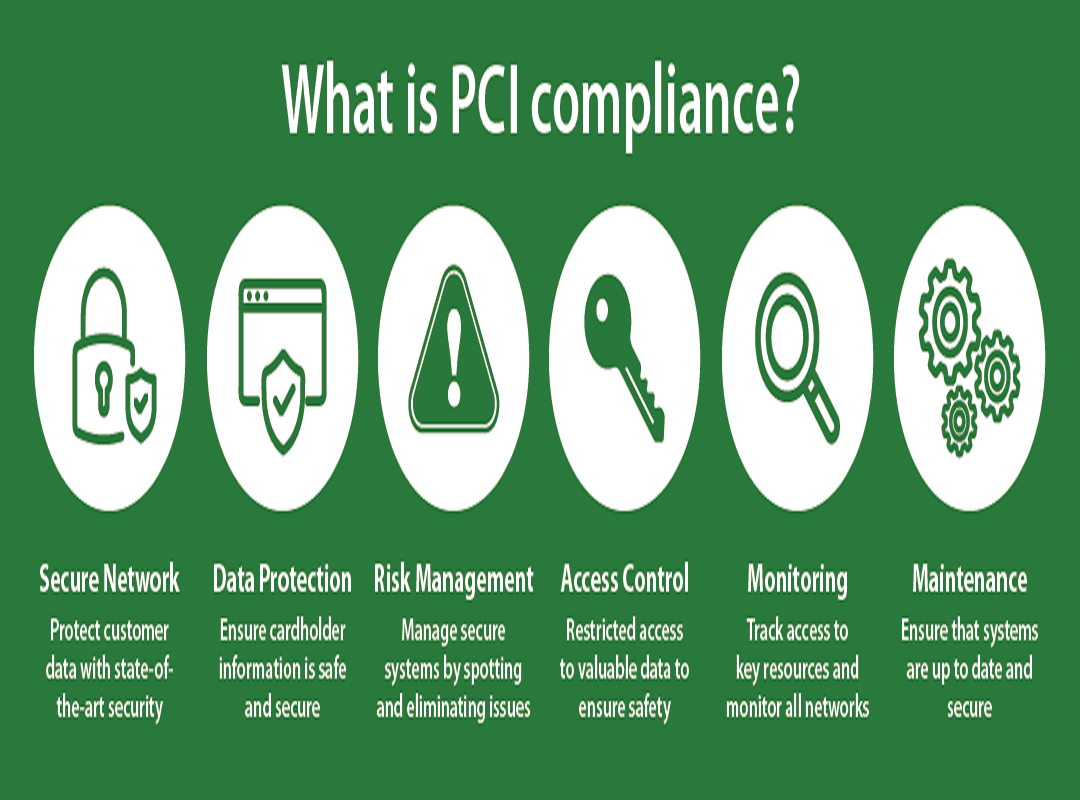

PCI compliance, or Payment Card Industry Data Security Standard (PCI DSS) compliance, is a set of 12 security requirements established by major credit card companies to protect cardholder data and reduce the risk of data breaches. As reported by NerdWallet, these standards are crucial for businesses that accept, process, store, or transmit credit card information to maintain a secure environment.
PCI compliance is a critical security framework designed to safeguard credit card data in an increasingly digital business landscape. Established in 2006 by major credit card companies, the Payment Card Industry Data Security Standard (PCI DSS) outlines 12 specific requirements that businesses must adhere to when handling cardholder information. These standards apply to all entities involved in payment card processing, including merchants, processors, and service providers, regardless of their size or transaction volume. By implementing these security measures, organizations can significantly reduce the risk of data breaches and protect sensitive financial information from theft and fraud.
The PCI DSS framework comprises 12 essential requirements organized into six broader goals, ensuring comprehensive protection of cardholder data. These requirements include:
Each requirement plays a crucial role in safeguarding sensitive financial information, from restricting physical access to cardholder data to tracking all network resource access. By adhering to these standards, businesses can significantly enhance their security posture and minimize the risk of data breaches.
Adhering to PCI DSS requirements offers numerous benefits beyond data protection. It helps businesses maintain customer trust, safeguard their reputation, and avoid potentially devastating financial consequences. Non-compliance can result in hefty fines, increased transaction fees, and even the loss of card processing privileges. Moreover, while PCI compliance is not explicitly mandated by law, it has become a de facto legal requirement through court precedent. By implementing these security measures, organizations not only protect themselves but also contribute to the overall integrity of the payment card ecosystem, fostering a safer environment for electronic transactions.
To achieve PCI compliance, organizations must follow a structured process that includes:
Maintaining compliance is an ongoing effort that requires regular system updates, periodic risk assessments, employee training on security awareness, and annual reviews of security policies and procedures. This continuous process ensures that businesses stay up-to-date with evolving security threats and maintain a robust defense against potential data breaches.
To ensure compliance with all 12 PCI DSS requirements, businesses should adopt a systematic approach:
By following these steps and continuously updating their security practices, businesses can effectively meet and maintain compliance with all 12 PCI DSS requirements, ensuring the protection of sensitive cardholder data and reducing the risk of data breaches.
Achieving PCI compliance offers several key benefits for businesses:
By prioritizing PCI compliance, businesses not only protect themselves and their customers but also position themselves for improved reputation, customer relationships, and long-term success in an increasingly digital marketplace.
To maintain PCI compliance, businesses must regularly update their antivirus software. PCI DSS Requirement 5 mandates that organizations protect all systems against malware and keep anti-virus software current. Specifically:
By adhering to these update frequencies, businesses can significantly reduce the risk of malware infections and maintain a robust defense against evolving cyber threats, ensuring ongoing PCI compliance.
Non-compliance with PCI DSS can result in severe financial and operational consequences for businesses. Penalties typically escalate based on the duration of non-compliance and the size of the organization:
In extreme cases, non-compliance can lead to bankruptcy for smaller businesses or result in multi-million dollar fines for larger corporations, as evidenced by high-profile cases like British Airways ($229 million) and Target ($18.5 million). To avoid these penalties, organizations must prioritize PCI DSS compliance and regularly assess their security measures.
PCI compliance significantly impacts a business's brand reputation by fostering trust and demonstrating a commitment to data security. Adhering to PCI standards helps protect customer data, which is crucial for maintaining a positive brand image in today's digital landscape. Customers are more likely to engage with businesses they perceive as taking necessary measures to safeguard their personal and financial information.
Non-compliance, on the other hand, can lead to severe reputational damage. A data breach resulting from PCI non-compliance can erode customer trust, potentially causing long-term harm to the brand. Studies show that up to 78% of customers would stop engaging with a brand online after a data breach. This loss of trust can be challenging to recover from, as customers may be hesitant to return even after security issues are resolved. By prioritizing PCI compliance, businesses not only protect themselves from financial penalties but also safeguard their brand reputation, which is essential for long-term success and customer loyalty.
Frequently Asked Questions (FAQs) About PCI Compliance
PCI DSS compliance is not just a regulatory requirement—it's a critical investment in your business's security, reputation, and long-term success. By adhering to these standards, organizations protect sensitive cardholder data, build customer trust, and safeguard against potentially devastating financial and reputational consequences. The benefits extend beyond mere compliance, fostering a culture of security that can enhance overall operational efficiency and provide a competitive edge in an increasingly digital marketplace.
While achieving and maintaining PCI compliance may seem daunting, it's an essential step in today's business landscape. The costs of non-compliance—including hefty fines, increased transaction fees, and potential loss of card processing privileges—far outweigh the investment required for compliance. Moreover, as cyber threats continue to evolve, PCI compliance provides a robust framework for ongoing security improvements, helping businesses stay ahead of potential risks and demonstrate their commitment to protecting customer data. Ultimately, PCI compliance is not just about meeting standards—it's about building a foundation of trust and security that supports sustainable business growth and customer loyalty.