
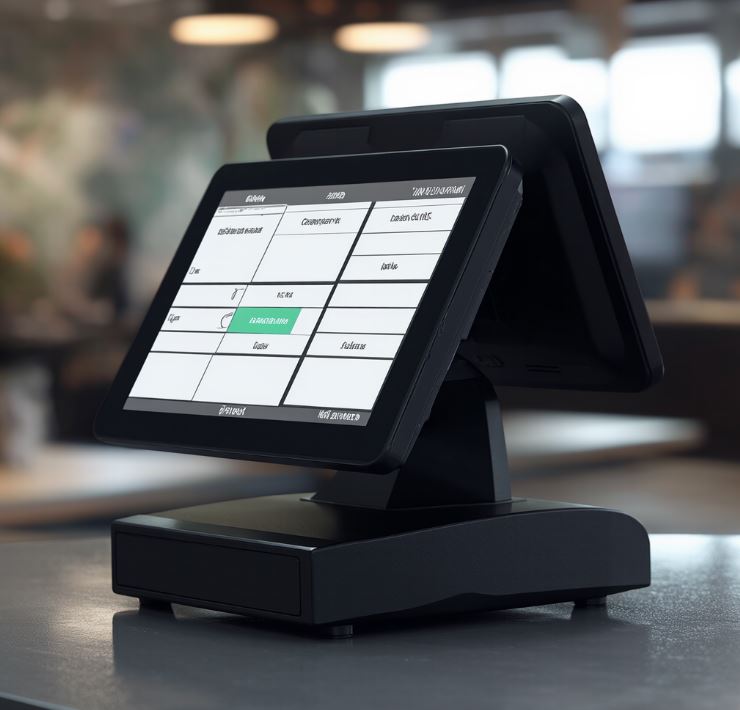

A Point of Sale (POS) system is a comprehensive solution that combines hardware and software to facilitate transactions between businesses and customers, streamlining operations from payment processing to inventory management. Modern POS systems have evolved from simple cash registers to sophisticated platforms that offer advanced features like real-time reporting, multi-location support, and e-commerce integration.
POS systems consist of two main components: hardware and software. The hardware typically includes a POS terminal (often a computer or tablet), card reader, barcode scanner, receipt printer, and cash drawer. These physical elements work in tandem with the software, which serves as the system's brain. The software component manages critical functions such as:
This combination of hardware and software creates a powerful tool that enables businesses to process purchases swiftly and accurately, reducing manual errors and streamlining the entire sales process.
The operational flow of a POS system begins when a customer initiates a purchase, either by scanning items or adding them to an online cart. The system then calculates the total cost, including taxes and applicable discounts. Upon payment, the transaction is processed securely, with card payments authorized through integrated payment gateways. Following a successful transaction, the POS system automatically updates inventory levels, generates a receipt, and logs the sale details for reporting purposes.
This seamless process not only expedites checkout but also ensures accurate record-keeping. Real-time inventory updates help prevent stockouts, while detailed transaction logs contribute to comprehensive sales analytics, enabling data-driven business decisions. By automating these crucial steps, POS systems significantly enhance operational efficiency and provide valuable insights for business growth.
Modern POS systems offer a range of advanced features that go beyond basic transaction processing. These include real-time reporting for instant insights into sales trends and peak business hours, multi-location support for centralizing data across various store locations, and e-commerce integration to synchronize online and in-store sales. Customer loyalty programs can be seamlessly managed, allowing businesses to track reward points and create personalized promotions. Additionally, employee management features enable tracking of work hours and sales performance, contributing to more efficient staff scheduling and performance evaluations.
Implementing a POS system offers numerous advantages for businesses, enhancing overall operational efficiency and customer satisfaction. These systems significantly reduce human error and speed up transactions, leading to improved efficiency and faster checkouts. By providing real-time inventory tracking, POS systems help prevent stockouts and overstock situations, optimizing inventory management. The comprehensive reporting and analytics features enable data-driven decision-making, allowing businesses to develop informed strategies based on sales trends and customer behavior. Additionally, cloud-based POS solutions offer scalability, easily growing with the business as it expands. Perhaps most importantly, these systems enhance the customer experience through personalized service and loyalty program integration, fostering long-term customer relationships and potentially increasing repeat business.
POS systems offer significant advantages over traditional cash registers, revolutionizing how businesses manage transactions and operations. Key benefits include:
POS systems can integrate with various business tools and software to create a unified ecosystem that enhances operational efficiency and data management. Common integration methods include APIs, webhooks, and file-based transfers, allowing real-time data synchronization across platforms. Key integrations include:
These integrations create a seamless flow of information, allowing businesses to make data-driven decisions, improve customer experiences, and streamline operations across multiple facets of their organization.
Modern POS systems incorporate robust security features to protect sensitive customer data and prevent unauthorized access. Key security measures include:
These features work in tandem to create a multi-layered security approach, safeguarding businesses and their customers from cyber threats.