
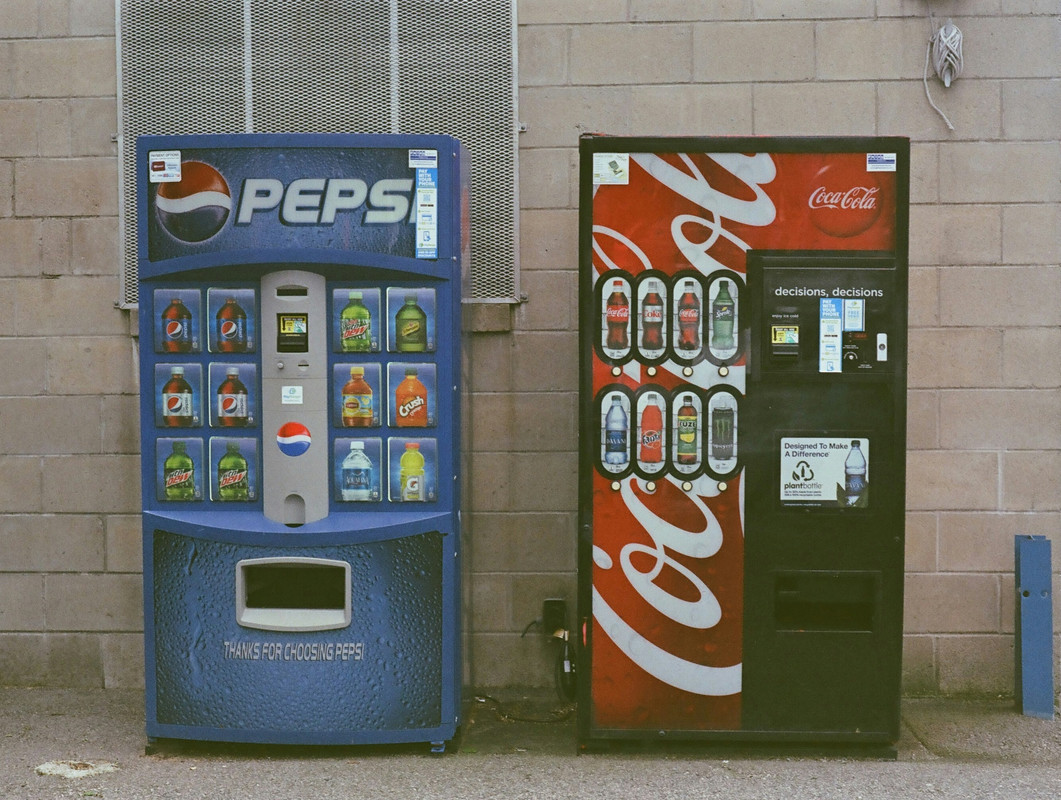

Starting a vending machine business offers entrepreneurs a flexible and potentially profitable venture with relatively low startup costs. This comprehensive guide outlines the key steps to launch and operate a successful vending machine enterprise, from market research and equipment selection to location strategies and ongoing management.
Before launching a vending machine business, thorough market research and planning are essential. Analyze the local vending industry, identifying potential high-traffic locations and assessing customer demographics to tailor your offerings. Develop a comprehensive business plan that outlines your target audience, financial projections, marketing strategies, and operational procedures. This plan will serve as a roadmap for your venture and can be instrumental in securing financing if needed. Consider factors such as competition, consumer preferences, and emerging trends in the vending industry to position your business for success.
To establish a vending machine business, it's crucial to address legal requirements and acquire appropriate equipment. Begin by selecting a suitable business structure, such as a sole proprietorship, LLC, or corporation, and obtain necessary licenses and permits, including a general business license, sales tax permit, and potentially a food service license. Secure funding through personal savings, loans, or equipment financing to cover startup costs.
When it comes to equipment, carefully research and select vending machines that align with your business goals and target market. Options range from snack and beverage machines to combo units and specialty venders. Consider factors like reliability, maintenance requirements, and payment options when sourcing your equipment. New or refurbished machines can be purchased from suppliers, with prices varying based on features and capacity.
Selecting the right products and securing optimal locations are crucial steps in establishing a successful vending machine business. Choose items that align with your target market's preferences, considering factors such as profit margins, shelf life, and local demand. Popular options include snacks, beverages, and specialty items tailored to specific locations. When scouting for prime spots, focus on high-traffic areas like office buildings, schools, hospitals, and transportation hubs. Negotiate agreements with property owners or managers, offering either a percentage of sales or a fixed rental fee. To maximize profitability, consider purchasing inventory in bulk from wholesale clubs or directly from manufacturers.
Efficient operations and a solid growth strategy are key to long-term success in the vending machine business. Implement a robust inventory management system to monitor stock levels and establish a regular restocking schedule to ensure machines are always well-stocked. Develop a maintenance plan for routine upkeep and prompt repairs to maximize machine uptime and customer satisfaction. As the business grows, consider expanding to new locations, diversifying product offerings, and investing in smart vending technology that can provide real-time sales data and inventory tracking. To scale effectively, focus on building strong relationships with property owners, optimizing product selection based on location-specific data, and potentially hiring employees to manage operations as the business expands.
Scaling and growing a vending machine business requires strategic planning and innovative approaches. To expand your operations, consider diversifying your product offerings to cater to evolving consumer preferences. This might include introducing healthier snack options, specialty items, or even tech accessories in high-traffic areas. Embracing technology can significantly enhance efficiency and customer experience. Implement smart vending machines with features like cashless payment systems, touchscreen interfaces, and remote monitoring capabilities.
Expanding to new locations is crucial for growth. Continuously seek out prime spots in office buildings, malls, airports, and other busy venues. Build strong relationships with property owners and managers to secure favorable placement agreements. Consider offering complementary services, such as office pantry stocking, to differentiate your business and increase revenue streams. Additionally, leverage digital marketing and social media to engage with customers, promote special offers, and build brand loyalty. By implementing these strategies and staying adaptable to market trends, you can position your vending machine business for sustained growth and success in this dynamic industry.
The most profitable products for vending machines typically offer a balance between high demand and attractive profit margins. Snacks and beverages remain top sellers, with items like chips, candy bars, and soft drinks consistently performing well. Healthier options such as granola bars, dried fruits, and bottled water are gaining popularity, especially in locations like gyms and offices.
Specialty items can command higher prices and yield better profits. These include:
Bulk vending machines, which dispense small items like gumballs or toys, can offer impressive profit margins despite their low-tech nature. Additionally, niche markets like CBD products or tech gadgets in appropriate locations can be highly lucrative. To maximize profitability, it's crucial to tailor product selection to the specific location and target audience, and use data analytics to track sales and adjust inventory accordingly.
When negotiating with property owners to place vending machines, approach the conversation professionally and prepared. Start by researching the location and understanding the potential benefits for both parties. Present a compelling case that highlights how vending machines can provide convenience for customers or employees while generating additional revenue for the property owner.
Be prepared to discuss key terms such as:
Flexibility is crucial during negotiations. Be willing to adjust your offer based on the property owner's concerns or requirements. Always formalize the agreement with a written contract that clearly outlines all terms and conditions, including ownership of the machine and products, payment schedules, and termination clauses. Building a strong relationship with property owners can lead to long-term partnerships and potential expansion opportunities in the future.
Starting a vending machine business comes with several common challenges that entrepreneurs need to navigate:
To effectively market your vending machine business, employ a mix of digital and traditional strategies tailored to your target audience and locations. Leverage social media platforms like Instagram and Facebook to showcase your machines, products, and promotions. Create engaging content that highlights the convenience and variety of your offerings. Implement location-based marketing by using eye-catching signage and digital displays on your machines to attract attention.
Consider the following tactics:
Remember to tailor your marketing efforts to the specific locations of your machines. For example, promote healthier options in gyms or offices, and highlight convenience in high-traffic areas. By combining these strategies, you can increase brand awareness, drive sales, and establish a strong presence in the vending industry.
The initial costs for starting a vending machine business can vary widely depending on the scale and approach, but typically range from $2,000 to $10,000 for a small operation. Here's a breakdown of the primary expenses:
Additional costs may include customization of machines ($500-$1,000), marketing materials, and a small reserve for unexpected expenses. While it's possible to start with as little as $1,500 to $2,500 for a very basic setup, a more robust initial investment of $4,000 to $7,000 is often recommended to establish a sustainable operation with room for growth.
Here are some frequently asked questions (FAQs) for starting and operating a vending machine business:
Q: How much does it cost to start a vending machine business?
A: Initial costs typically range from $2,000 to $10,000, depending on the number and type of machines, inventory, and location fees. New machines cost $3,000-$10,000 each, while refurbished units are $1,200-$3,000.
Q: What are the most profitable products to sell in vending machines?
A: Popular items include snacks, beverages, and healthier options like granola bars and bottled water. Specialty items such as gourmet chocolates, energy drinks, and convenience products can yield higher profits in suitable locations.
Q: How do I find good locations for my vending machines?
A: High-traffic areas like offices, schools, hospitals, and transportation hubs are ideal. Research foot traffic patterns, approach property managers with professional proposals, and consider offering a percentage of sales as rent.
Q: Do I need any special licenses or permits?
A: Requirements vary by location, but you may need a general business license, sales tax permit, and food service license for perishable items. Check local regulations to ensure compliance.
Q: How often should I service and restock my vending machines?
A: Implement a regular maintenance schedule and restock based on sales volume. Many operators check machines weekly or bi-weekly to ensure they're well-stocked and functioning properly.
Q: Can I operate a vending machine business part-time?
A: Yes, vending machine businesses offer flexible hours and can be managed part-time. However, regular maintenance and restocking are crucial for success.
Q: How do I handle customer complaints or refunds?
A: Provide clear contact information on your machines for customer support. Promptly address issues and offer refunds when necessary to maintain customer satisfaction.
Starting a vending machine business can be a lucrative venture for entrepreneurs willing to invest time and effort into strategic planning and execution. While the industry offers relatively low barriers to entry and flexible operations, success hinges on careful location selection, product curation, and ongoing management. By leveraging technology, adapting to consumer trends, and prioritizing customer satisfaction, vending machine operators can build a scalable and profitable business.
Key takeaways for aspiring vending machine business owners include:
As the industry continues to evolve, embracing innovation and maintaining a customer-centric approach will be crucial for long-term success in the competitive vending machine market.