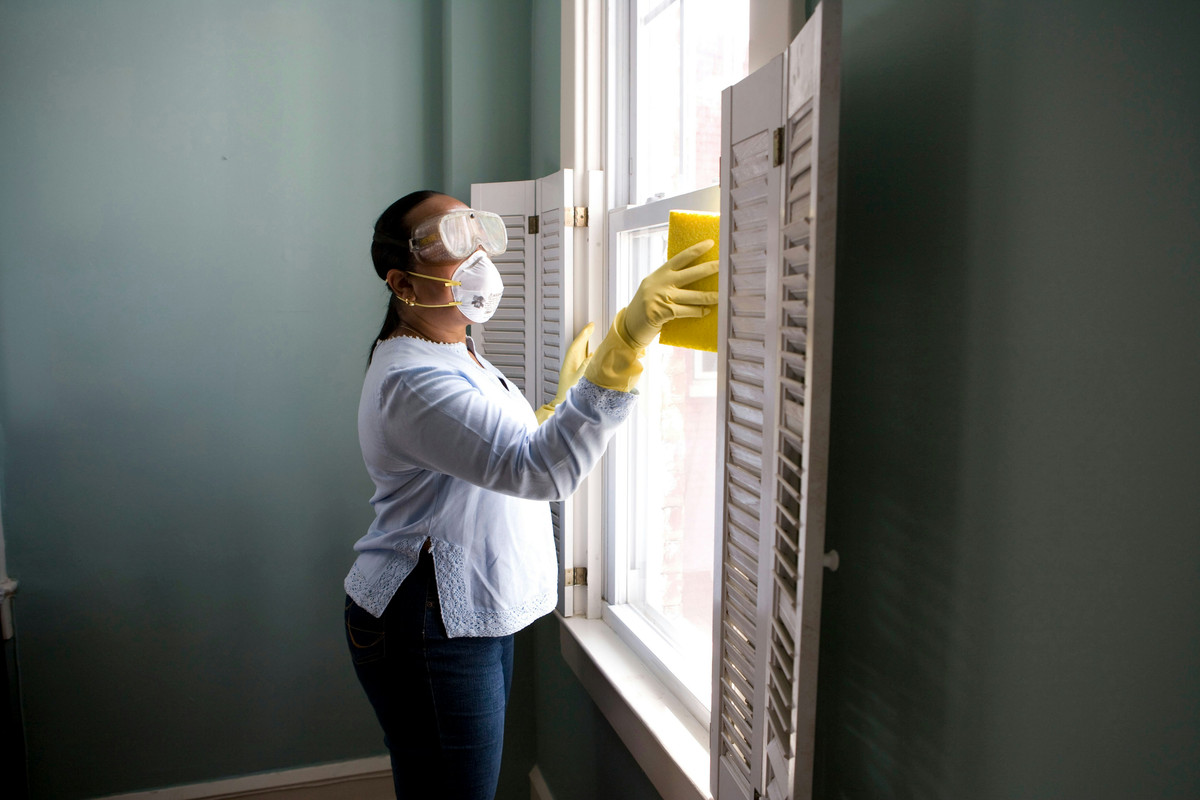
Starting a cleaning business can be a lucrative venture with relatively low startup costs, offering entrepreneurs the opportunity to enter the service industry with minimal initial investment. As reported by NerdWallet, the process involves several key steps, including market research, defining services, obtaining necessary licenses, and developing a solid business plan.
Planning and Legal Setup
To lay the groundwork for a successful cleaning business, thorough market research is essential. This involves identifying your target market, analyzing local competition, and defining your niche within the cleaning industry. Once you've established your focus, create a comprehensive business plan that outlines your services, financial projections, and operational strategies.
The legal setup is equally crucial. Choose an appropriate business structure, such as sole trader, partnership, or limited company, and register your business with the relevant authorities. Obtain necessary licenses, permits, and insurance, including liability coverage and workers' compensation. Set up a business bank account and implement an invoicing system to manage your finances effectively. These steps will ensure your cleaning business operates legally and is protected from potential risks.
And Equipment
To effectively run your cleaning business, it's crucial to invest in the right equipment and supplies. Essential items include vacuum cleaners, mops, buckets, microfiber cloths, sponges, brushes, and protective gear like gloves and masks. When starting out, focus on versatile, high-quality tools that can handle various cleaning tasks. As you define your services, consider specialized equipment for offerings such as carpet cleaning or window washing. Proper storage and maintenance of your equipment will ensure longevity and cost-effectiveness. Remember to factor in the cost of cleaning solutions and disinfectants, choosing products that are effective, safe, and appropriate for different surfaces and client preferences.
Marketing and Operations
To attract clients and manage your cleaning business effectively, develop a robust marketing strategy and streamline your operations. Create a professional website and establish a strong social media presence to showcase your services and build credibility. Utilize online directories, local advertising, and encourage customer reviews and referrals to expand your reach. Implement a customer relationship management (CRM) system to track client information and preferences, ensuring personalized service.
For efficient operations, develop detailed cleaning checklists and quality control measures to maintain consistent service standards. Establish a reliable scheduling system for appointments and implement clear communication protocols with clients. As your business grows, consider investing in software solutions that can help manage bookings, track employee hours, and streamline invoicing processes. These operational efficiencies will not only improve customer satisfaction but also position your cleaning business for sustainable growth in a competitive market.
Hiring and Scaling Growth
As your cleaning business expands, hiring reliable staff becomes crucial. Recruit individuals with a strong work ethic and provide thorough training on cleaning techniques and customer service. Establish clear roles and responsibilities to ensure smooth operations. To scale your business, consider expanding your service offerings, investing in advanced equipment, and exploring franchise opportunities. Continuously adapt to market demands and prioritize quality service to stand out in the competitive cleaning industry. Remember to maintain proper financial records, track income and expenses, and plan for taxes and regulatory compliance as you grow.
Common Cleaning Business Pitfalls
New cleaning business owners often make several critical mistakes that can hinder their success:
- Underpricing services: Many newcomers set prices too low in an attempt to attract clients, which can devalue their services and squeeze profit margins. It's crucial to research market rates and price competitively while ensuring profitability.
- Neglecting proper planning: Starting without a solid business plan, including financial projections and operational strategies, can lead to poor decision-making and cash flow issues. A comprehensive plan is essential for guiding the business and anticipating challenges.
- Inadequate employee training: Failing to properly train staff can result in inconsistent service quality, customer dissatisfaction, and high turnover rates. Investing in thorough training programs is vital for maintaining service standards and retaining clients.
- Overlooking legal requirements: Many new owners forget to obtain necessary licenses, permits, and insurance, risking fines and legal issues. Researching and complying with local regulations is crucial for operating legally and protecting the business.
- Poor financial management: Not keeping accurate records of expenses and revenue can lead to cash flow problems and tax complications. Implementing a robust accounting system is essential for maintaining financial health and making informed business decisions.
Effective Cleaning Business Marketing
To effectively market your cleaning business and attract clients, consider implementing these strategies:
- Develop a strong online presence: Create a professional website showcasing your services, pricing, and customer testimonials. Optimize your site for search engines (SEO) to improve visibility for local searches.
- Utilize social media platforms: Engage potential clients on social media by sharing high-quality images, interactive posts, and timely updates about your cleaning services1. Consider targeted social media advertising campaigns to extend your reach.
- Implement email marketing: Develop personalized email campaigns addressing your audience's needs and include compelling calls-to-action. Send regular newsletters with cleaning tips and special offers to keep clients informed.
- Offer package deals and promotions: Create attractive cleaning packages that combine frequently requested services at a slight discount. Consider seasonal promotions or new client discounts to incentivize bookings.
- Encourage referrals: Implement a referral program that offers incentives such as discounts on future services for clients who bring in new customers.
- Leverage local partnerships: Collaborate with local businesses, such as home goods stores, to offer joint promotions or discounts. This can help expand your reach within the community.
By implementing these strategies and consistently delivering high-quality service, you can effectively market your cleaning business and attract a steady stream of clients.
Effective Pricing Strategies
When pricing cleaning services, several effective strategies can help you remain competitive while ensuring profitability:
- Competitive pricing: Research your competitors' rates and set your prices accordingly to remain attractive in the market. However, avoid undercutting to the point of unsustainability.
- Value-based pricing: Set prices based on the unique value you provide, such as eco-friendly products or exceptional customer service. This approach can justify higher rates for premium offerings.
- Flat-rate pricing: Offer straightforward, fixed fees for specific services, making it easy for customers to understand and budget for your services.
- Square footage pricing: Charge based on the size of the area to be cleaned, typically ranging from $0.10 to $0.17 per square foot for residential cleaning.
- Tiered pricing: Create different service levels (e.g., basic, standard, premium) with corresponding price points to cater to various client needs and budgets.
- Frequency discounts: Offer lower rates for regular clients who book weekly or bi-weekly services, encouraging long-term commitments.
Remember to factor in your costs, including labor, supplies, and overhead, aiming for a 20-25% overall profit margin.5 Regularly review and adjust your pricing strategy based on market conditions, client feedback, and your business goals to maintain a balance between competitiveness and profitability.
Choosing Your Business Structure
When deciding on a business structure for your cleaning business, consider factors such as liability protection, tax implications, and future growth plans. Here are key points to help you choose:
- Sole Proprietorship: Simplest structure with minimal paperwork, ideal for small-scale operations. However, it offers no personal liability protection.
- Partnership: Suitable if starting with others, allowing shared financial responsibility. Like sole proprietorships, partners are personally liable for business debts.
- Limited Liability Company (LLC): Offers personal asset protection and tax flexibility. Popular for cleaning businesses due to its balance of simplicity and liability protection.
- Corporation: Provides strong liability protection and is suitable for large-scale operations or those planning significant growth. However, it involves more complex paperwork and potential double taxation.
Consider your business size, risk tolerance, and growth plans when choosing. For instance, if you're starting small but anticipate rapid growth, an LLC might be ideal as it's flexible and can accommodate expansion. Consult with a legal or financial professional to make the best decision for your specific situation, as the right structure can significantly impact your cleaning business's success and sustainability.
High-Demand Cleaning Services
The demand for cleaning services varies by region and market, but several types consistently rank as the most sought-after due to their practicality and necessity:
- Residential Cleaning: Regular home cleaning services, including dusting, vacuuming, mopping, and sanitizing kitchens and bathrooms, remain highly popular among busy households and dual-income families.
- Commercial Cleaning: Offices, retail spaces, and industrial facilities frequently require professional cleaning to maintain hygiene standards and create a welcoming environment for employees and customers. Tasks often include sanitizing high-touch surfaces, trash removal, and restroom maintenance.
- Deep Cleaning: This intensive service targets neglected or hard-to-reach areas, such as baseboards, blinds, and appliances. It is especially in demand for seasonal cleanups or post-renovation projects.
- Carpet and Upholstery Cleaning: Specialized cleaning for carpets and furniture is valued for removing stains, allergens, and odors. This service is particularly important in homes with pets or high foot traffic.
- Window Cleaning: Both residential and commercial clients seek professional window cleaning to achieve streak-free results on interior and exterior surfaces. This service is often paired with pressure washing for exterior maintenance.
- Move-In/Move-Out Cleaning: Tenants and landlords frequently request these services to prepare properties for new occupants or ensure security deposit returns.
These services cater to diverse client needs, making them reliable revenue streams for cleaning businesses. The demand is further bolstered by growing hygiene awareness and the convenience of outsourcing cleaning tasks.
Eco-Friendly Cleaning Practices and Products
Eco-friendly cleaning practices and products are becoming increasingly popular as businesses and consumers seek sustainable alternatives. Here are some key strategies for implementing green cleaning in your business:
- Use natural, biodegradable ingredients: Opt for cleaning products made with plant-based ingredients like vinegar, baking soda, and lemon juice instead of harsh chemicals. Brands like Bio-D offer effective, eco-friendly options for dishwashing and other cleaning needs.
- Reduce waste: Choose reusable cleaning tools like microfiber cloths and steam cleaners to minimize disposable waste. Consider refillable cleaning products or concentrates to reduce plastic packaging.
- Conserve resources: Implement water-efficient cleaning methods and energy-efficient equipment to reduce environmental impact. Simple practices like turning off taps while scrubbing can make a significant difference.
- Choose certified products: Look for cleaning solutions with eco-certifications that ensure environmental and safety standards are met. Many reputable brands now offer sustainable alternatives that perform as well as conventional products.
By adopting these practices, cleaning businesses can appeal to environmentally conscious clients while contributing to a healthier planet. Remember to educate your staff and clients about the benefits of eco-friendly cleaning to maximize the positive impact of your sustainable approach.
References